Journal
The Cost of Living in Battersea
Written by Amara Bennett · Property Market Analyst
Published 20 February 2026 · Updated 9 March 2026 · 6 min read
The short answer
Battersea has evolved from its industrial heritage into one of south London's most sought-after residential quarters, attracting professionals, families and investors drawn to its riverside setting, green spaces and excellent transport links. Understanding the cost of living in Battersea is essential for anyone considering a move to this vibrant neighbourhood, where Victorian terraces sit alongside contemporary riverside developments and the area's historic park anchors a thriving community.
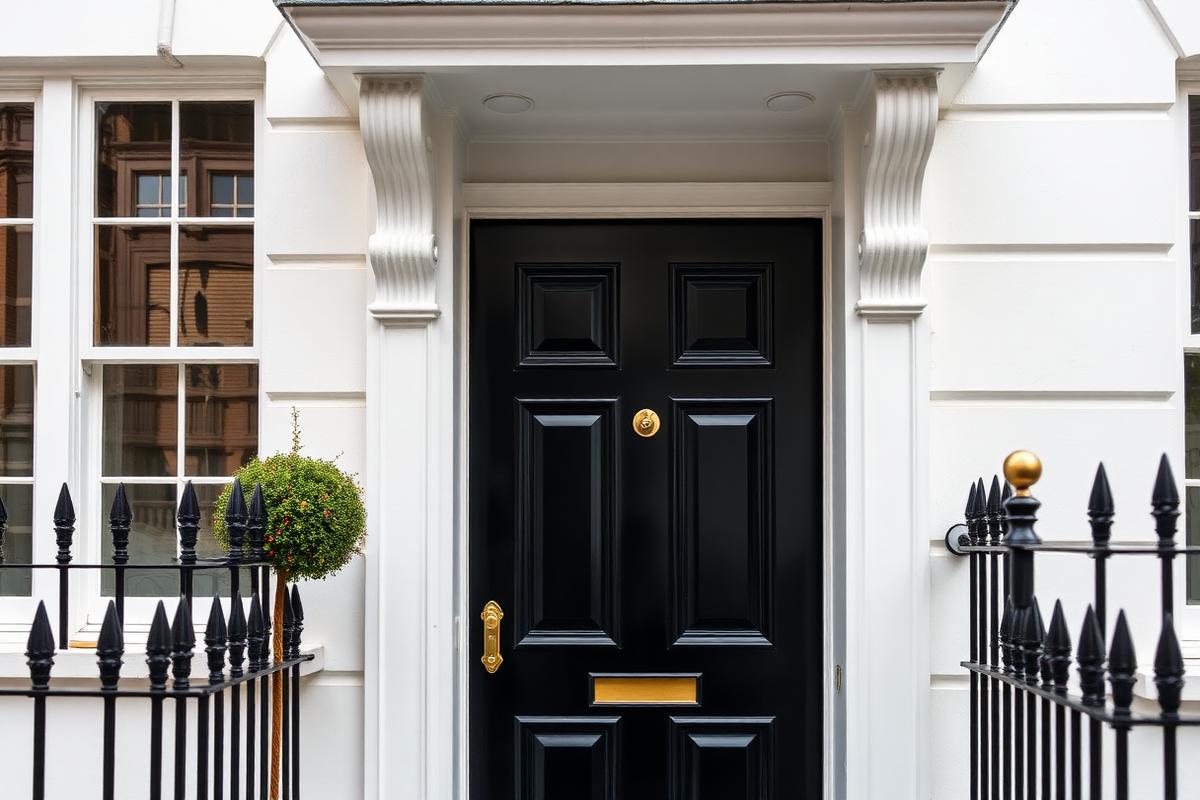
Battersea has evolved from its industrial heritage into one of south London's most sought-after residential quarters, attracting professionals, families and investors drawn to its riverside setting, green spaces and excellent transport links. Understanding the cost of living in Battersea is essential for anyone considering a move to this vibrant neighbourhood, where Victorian terraces sit alongside contemporary riverside developments and the area's historic park anchors a thriving community. Our team works extensively across SW11 and SW8, and we've compiled this comprehensive guide to help you budget realistically for life in this dynamic corner of the capital.
Property Costs: Buying and Renting in Battersea
According to HM Land Registry Price Paid Data, Battersea recorded 402 property sales with a median price of £700,000, reflecting the area's position as a prime yet relatively accessible London market. The property landscape breaks down clearly by type: flats dominate the market with 297 sales at a median of £618,000, ranging from £115,000 to £4,109,000, whilst terraced houses—the classic Battersea stock concentrated around areas like Battersea Rise and the streets between Battersea Park Road and Lavender Hill—commanded a median of £967,000 across 81 transactions.
For those considering whether to buy or rent, ONS rental data provides useful benchmarks. Studio apartments typically range from £1,100 to £1,725 per calendar month, whilst one-bedroom properties fall between £1,450 and £2,275. Two-bedroom flats—the most popular rental option for sharers and young families—cost between £1,975 and £3,100, depending on specification and proximity to the river or transport hubs. Three-bedroom homes range from £2,650 to £4,125, four-bedroom properties from £3,525 to £5,500, and five-bedroom houses from £4,625 to £7,225.
Semi-detached houses recorded a median sale price of £1,400,000 across 11 transactions, with values between £575,000 and £2,400,000, whilst 'other' property types—typically conversions or commercial units—showed a median of £357,500. Those exploring opportunities in the area can view our current [property for sale in Battersea](/property-for-sale/battersea) or learn more about [house prices in Battersea](/house-prices/battersea) through our dedicated local guides.
For landlords, the strong rental demand means consistent yields, particularly for well-presented one and two-bedroom apartments within walking distance of the Northern Line extension stations at Battersea Power Station and Nine Elms. If you're considering entering the buy-to-let market, our [let your property service in Battersea](/let-your-property/battersea) provides tailored advice on maximising returns in this competitive landscape.
Battersea Council Tax and Service Charges
Battersea falls within the London Borough of Wandsworth, which has historically maintained some of the capital's lowest council tax rates—a significant consideration when calculating your overall cost of living. For 2024/25, Band D properties pay approximately £879.75, substantially below the London average. A typical two-bedroom flat valued at £618,000 would likely fall into Band D or E, resulting in annual council tax of between £879.75 and £1,075.12.
Battersea council tax represents excellent value compared to neighbouring boroughs, though it's worth noting that Wandsworth's rates reflect lower local service provision in some areas, with residents sometimes choosing private alternatives. Band C properties pay around £783.78, Band F around £1,466.37, and Band H (the premium band for high-value homes) around £1,759.50 annually.
Beyond council tax, prospective buyers—particularly those considering modern developments along Battersea Reach or the Nine Elms corridor—must factor in service charges. New-build apartments in riverside schemes can carry annual service charges ranging from £2,000 to £6,000 or more, covering communal areas, concierge services, gyms, landscaping and building insurance. The Battersea service charges in prestigious developments with amenities like those found at Battersea Reach on Juniper Drive can reach the higher end of this spectrum, though these typically include comprehensive facilities and professional estate management.
Period conversions and mansion blocks generally carry lower service charges—often £1,200 to £3,000 annually—covering building insurance, communal repairs and grounds maintenance. When evaluating whether a property represents good value, we always advise clients to request a full breakdown of service charges and review the development's sinking fund provisions for major works.
Dining Out: Restaurants in Battersea
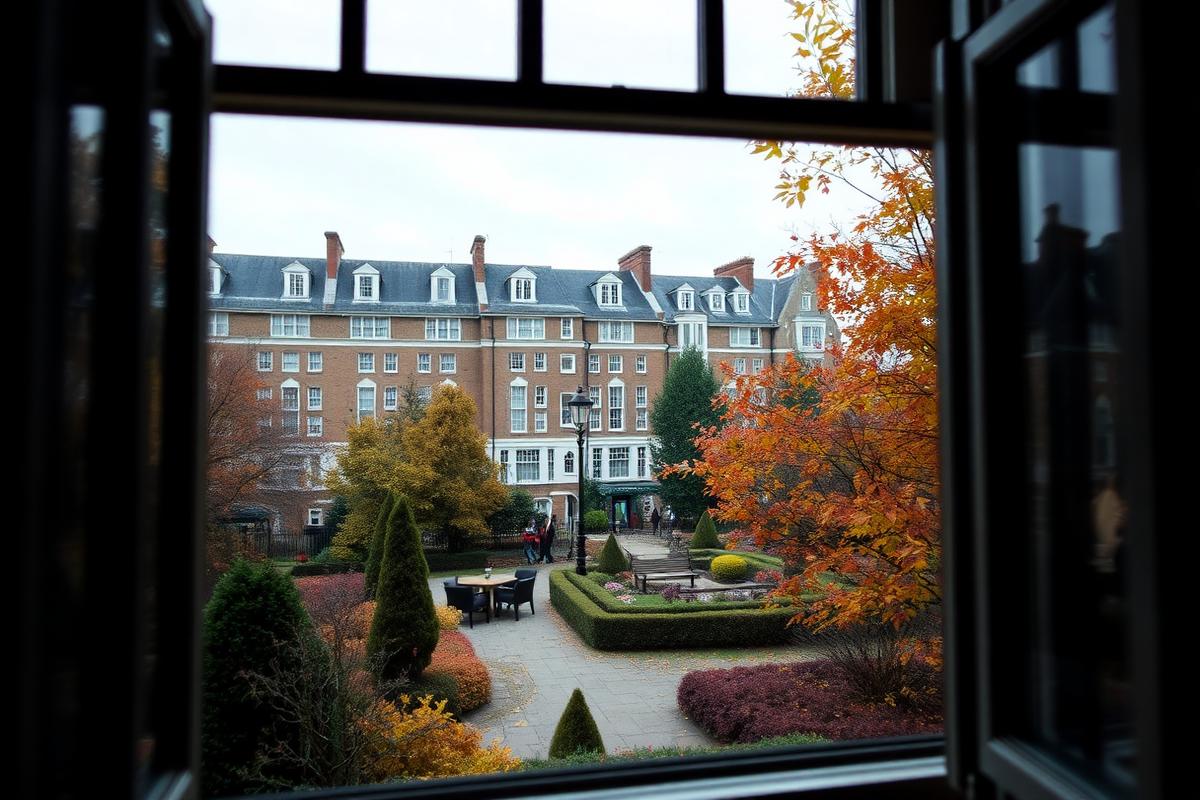
The restaurant scene in Battersea has flourished in recent years, reflecting the area's demographic shift towards affluent professionals and young families. Battersea Rise and Northcote Road form the traditional dining hub, with independent bistros, wine bars and family-friendly establishments lining both thoroughfares. A casual meal for two at a neighbourhood restaurant typically costs £50-£80 including wine, whilst fine-dining options in the area or along Battersea Park Road can easily reach £120-£200 per couple.
Restaurants in Battersea cater to diverse tastes and budgets. The weekly farmers' market on Northcote Road offers artisan produce and street food, whilst chains and independents alike populate Battersea Park Road, serving everything from sourdough pizza to pan-Asian fusion. Coffee culture thrives here too, with speciality cafés charging £3-£4.50 for flat whites and £8-£15 for weekend brunch.
The riverside developments around Nine Elms and Battersea Power Station have introduced a new tier of destination dining, with celebrity chef restaurants and international brands that command premium prices. A cocktail at these venues averages £12-£18, positioning this stretch as central London pricing despite the SW8 postcode. For everyday groceries, residents have access to Waitrose, Sainsbury's and independent delis, with weekly shopping costs for a couple typically ranging from £80-£150 depending on preferences.
Talk to Seymont
What's your home worth?
A considered view on price, timing and how to bring your London home to market — a personal reply within 24 hours.
Your property
Step 1 of 2Transport, Utilities and Everyday Expenses
Transport represents a significant component of how expensive is Battersea for most residents. The arrival of the Northern Line extension transformed connectivity, placing Battersea Power Station and Nine Elms within 15 minutes of the West End. An annual Zones 1-2 Travelcard costs £2,712 (or £1,748 for the Oyster monthly equivalent paid across 12 months), whilst those working in Zone 1 might opt for contactless pay-as-you-go at approximately £140-£180 monthly.
Battersea's mainline station provides direct services to Victoria, Clapham Junction—one of Britain's busiest interchanges—sits on the western border, and multiple bus routes traverse Battersea Park Road, Battersea Rise and Queenstown Road. Cycling is increasingly popular, with dedicated lanes along the river and Santander cycle hire docking stations throughout SW11 and SW8.
Utility costs vary by property type and size. A two-bedroom flat typically incurs £120-£180 monthly for gas, electricity and water, rising to £200-£300 for larger family homes, particularly period terraced houses with less efficient heating systems. Broadband ranges from £25-£50 monthly for standard packages, with ultrafast fibre increasingly available across the area.
Childcare represents the single largest expense for families, with full-time nursery places costing £1,600-£2,200 monthly. Battersea benefits from well-regarded state primary schools and several private options, though competition for places remains intense. Gym memberships range from £40-£120 monthly depending on facilities, whilst leisure activities around Battersea Park—from tennis courts to the children's zoo—offer relatively affordable family entertainment.
Is Battersea Worth the Investment?
When assessing the overall cost of living in Battersea, it's essential to weigh expenses against lifestyle benefits and capital appreciation potential. The area offers a compelling combination of factors: lower council tax than most London boroughs, increasingly sophisticated amenities, abundant green space, and transport infrastructure that continues to improve.
Property values have shown resilience and growth over the past decade, particularly in the period housing stock between Clapham Common and Battersea Park, and in the newly regenerated riverside quarter. The HM Land Registry data showing sales ranging from £115,000 to £4,109,000 illustrates the area's diversity—from entry-level apartments to premium family homes—allowing buyers at different life stages to remain within the same community.
For renters, the area provides strong value relative to prime central locations, particularly for those whose commute benefits from the Northern Line extension or mainline services to Victoria. The restaurant and retail offering continues to mature, reducing the need to travel into central London for everyday needs or weekend socialising.
Our team at [Seymont London's Battersea estate agents](/estate-agents/battersea) works with clients navigating these financial considerations daily, whether they're first-time buyers stretching to enter the market, growing families seeking period houses with gardens, or downsizers drawn to riverside apartments with concierge services. The consensus among our clients is that whilst Battersea demands a significant financial commitment, the quality of life, community atmosphere and investment fundamentals justify the premium for those whose circumstances align with what the area offers.
Talk to Seymont
What's your home worth?
A considered view on price, timing and how to bring your London home to market — a personal reply within 24 hours.
Your property
Step 1 of 2About the author
Amara BennettProperty Market Analyst
Amara spent seven years as a market analyst at Kestrel Lane Research, a small London property consultancy, before joining our editorial desk. She reads sold-price and rental data street by street to explain how individual London postcode districts actually behave, and reviews every price figure we publish. Her focus is separating headline national averages from what a specific address is worth today.
MSc Real Estate Economics · Seven years in property market research
- Valuations
- Local market data
- Sold prices
- Pricing strategy
Frequently asked
- What is the average cost of a two-bedroom flat in Battersea?
- According to HM Land Registry data, the median price for flats in Battersea is £618,000, with two-bedroom apartments typically falling within the £550,000-£750,000 range depending on condition, location and whether the property is period or new-build. Rental costs for two-bedroom flats range from £1,975 to £3,100 per calendar month based on ONS data.
- How does Battersea council tax compare to other London boroughs?
- Battersea benefits from Wandsworth's notably low council tax rates, with Band D properties paying approximately £879.75 annually for 2024/25—substantially below the London average of around £1,700-£2,000. This represents one of the area's key financial advantages for residents.
- Is Battersea expensive compared to neighbouring areas?
- Battersea sits in the mid-to-upper tier of south London pricing. It's generally more expensive than Stockwell or Vauxhall but more accessible than Chelsea or Fulham across the river. The median property price of £700,000 reflects its position as an established, well-connected residential area with strong amenities and transport links.
- What are typical service charges for Battersea apartments?
- Service charges vary considerably by development type. Period mansion block conversions typically range from £1,200-£3,000 annually, whilst modern riverside developments with extensive amenities—such as those at Battersea Reach or Nine Elms—can charge £2,000-£6,000 or more per year, covering concierge, gyms, landscaping and building insurance.
- How much does it cost to eat out in Battersea?
- Battersea offers dining options across price points. Casual neighbourhood restaurants along Battersea Rise and Northcote Road typically cost £50-£80 for two including wine, whilst destination restaurants around Battersea Power Station and fine-dining establishments can reach £120-£200 per couple. Coffee shops charge £3-£4.50 for speciality drinks, with brunch averaging £8-£15 per person.