Journal
The Cost of Living in Angel
Written by Nina Castellano · Investment Property Advisor
Published 29 October 2025 · Updated 9 June 2026 · 7 min read
The short answer
Angel stands as one of north London's most coveted postcodes, where Georgian terraces meet contemporary urban living in a neighbourhood that radiates both charm and convenience. Understanding the cost of living in Angel requires more than a cursory glance at property prices; it demands insight into council tax bands, service charges, transport expenditure, and the myriad daily costs that shape life in this Islington enclave.
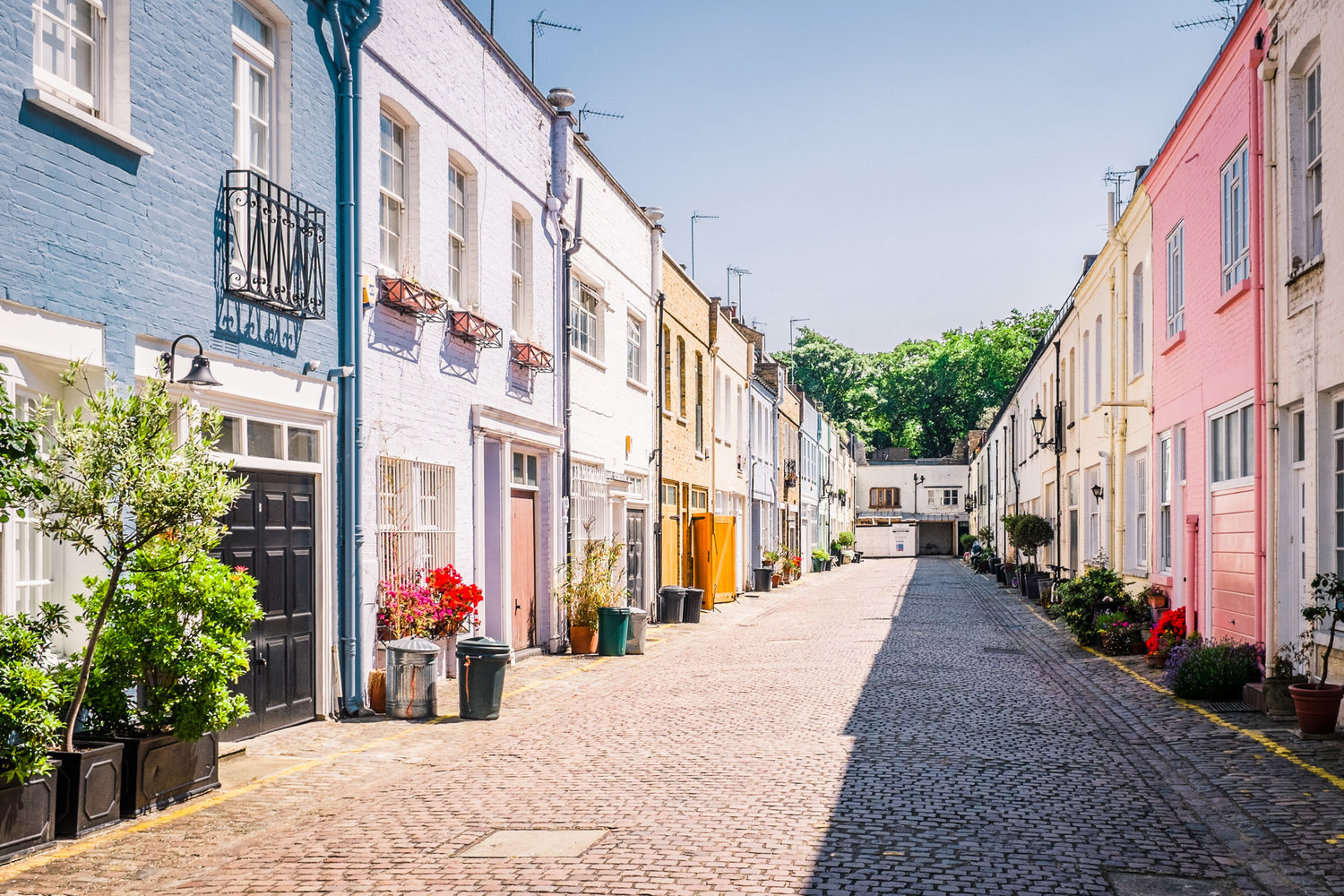
Angel stands as one of north London's most coveted postcodes, where Georgian terraces meet contemporary urban living in a neighbourhood that radiates both charm and convenience. Understanding the cost of living in Angel requires more than a cursory glance at property prices; it demands insight into council tax bands, service charges, transport expenditure, and the myriad daily costs that shape life in this Islington enclave. Our team has witnessed the area's evolution firsthand, and we recognise that prospective residents deserve a comprehensive picture of what financial commitment life in Angel truly entails. From Upper Street's bustling restaurant scene to the quieter residential squares that branch off the main thoroughfare, every corner of Angel carries its own premium—one that reflects both heritage and desirability.
Understanding Angel Council Tax and Local Authority Charges
Angel falls within the London Borough of Islington, where council tax rates consistently rank amongst the capital's higher brackets. For the current financial year, Islington's Band D rate sits at approximately £1,850 annually, though most properties in Angel command higher valuations. Victorian conversions and purpose-built mansion blocks frequently fall into Bands E through G, translating to annual council tax bills ranging from £2,261 to £3,085 before any applicable discounts.
The borough's charging structure reflects the comprehensive services provided across Islington, from waste collection to local policing and libraries. Residents benefit from fortnightly recycling collections and access to well-maintained parks, including the nearby Islington Green. Single-person households qualify for a 25% discount, whilst students and certain other groups may secure exemptions altogether. When budgeting for a move to the area, we advise clients to verify their precise band through the Valuation Office Agency, as period conversions can occasionally occupy lower bands than their market value might suggest.
Beyond standard council tax, those considering leasehold properties should scrutinise Angel service charges with particular attention. Purpose-built developments along the Pentonville Road corridor and converted mansion blocks throughout the Conservation Area often levy substantial annual service charges—typically ranging from £2,000 to £6,000 depending on building amenities and management arrangements. These charges cover communal area maintenance, building insurance, and in some cases porterage or concierge services. Ground rent, whilst often nominal at £100–£250 annually, adds another line item to the ledger.
Property Costs: Rent, Purchase, and Ongoing Expenses
When examining how expensive is Angel, property costs naturally dominate the conversation. The neighbourhood's proximity to King's Cross, the City, and the West End positions it as a perennial favourite amongst professionals, creative industries workers, and established families alike. According to HM Land Registry Price Paid Data and ONS figures, comprehensive transaction data for Angel specifically shows the area's position within the broader Islington market, where values have demonstrated resilience even during periods of wider economic uncertainty.
Those seeking a flat to rent in London will find Angel's rental market particularly competitive. One-bedroom apartments in modern developments typically command £400–£500 per week, whilst period conversions along Islington's quieter residential streets might range from £450–£600 weekly depending on specification and square footage. Two-bedroom properties generally start around £550 per week, climbing towards £750 or beyond for lateral apartments with private outdoor space. Family-sized houses for rent remain scarce in Angel proper, with three-bedroom terraced properties commanding upwards of £800–£1,000 weekly when they do surface.
For purchasers exploring [property for sale in Angel](/property-for-sale/angel), entry-level studio flats begin around £400,000, with one-bedroom apartments typically ranging from £500,000 to £700,000. Two-bedroom conversions in well-maintained buildings occupy the £700,000–£950,000 bracket, whilst three-bedroom maisonettes and small terraced houses command £1.2 million upwards. Our [estate agents in Angel](/estate-agents/angel) observe that properties offering outdoor space or proximity to the quieter garden squares consistently achieve premiums above these benchmarks.
Mortgage costs naturally depend on deposit size, lending rates, and individual circumstances. Based on current market conditions, a £600,000 one-bedroom purchase with a 20% deposit might incur monthly repayments of approximately £2,400–£2,800 on a typical 25-year term, before factoring in service charges, ground rent, and buildings insurance. First-time buyers should also budget for Stamp Duty Land Tax, which applies on properties above £425,000 under current relief thresholds, alongside legal fees and survey costs that typically total £2,500–£4,000.
Transport, Commuting, and Day-to-Day Living Expenses
Angel's transport connections form a cornerstone of its appeal, yet contribute meaningfully to monthly expenditure. Angel station serves the Northern Line's Bank branch, delivering commuters to King's Cross in three minutes, the City in under ten, and London Bridge in fifteen. An annual Zone 1–2 Travelcard costs £1,472, whilst monthly options stand at £156. Many residents supplement Underground travel with the extensive bus network along Upper Street and Pentonville Road, where routes connect to Camden, Shoreditch, and south London destinations. Cycling enthusiasts benefit from Santander Cycle docking stations and increasingly protected cycle lanes toward the City.
Grocery shopping in Angel spans the spectrum from convenience stores to premium retailers. Chapel Market—a vibrant street market operating Tuesday through Sunday—offers fresh produce, fishmongers, and bakery goods at competitive prices. Waitrose and M&S Food Hall on Upper Street cater to those prioritising convenience and quality, whilst Sainsbury's Local branches provide mid-range options. Weekly grocery expenditure varies wildly by household size and preferences, but our team estimates £60–£100 per person monthly for balanced home cooking, rising to £150–£200 for those favouring premium organic ranges.
Upper Street's restaurant scene represents both a blessing and a temptation for Angel residents. The thoroughfare hosts everything from independent cafés and wine bars to established dining destinations like The Elk in the Woods and Ottolenghi's original location. A casual dinner for two with wine typically runs £80–£120, whilst weekend brunch might cost £15–£25 per head. Coffee culture thrives here, with flat whites costing £3–£4 at quality independents—a seemingly modest sum that compounds for daily commuters.
Utility bills for Angel properties align closely with London averages, though period buildings' solid wall construction and single glazing can drive heating costs upward. A one-bedroom flat might incur £80–£120 monthly for gas and electricity combined, with water rates adding another £30–£40. Broadband packages from major providers range from £25–£50 monthly depending on speed requirements, with fibre availability near-universal across the area.
Talk to Seymont
What's your home worth?
A considered view on price, timing and how to bring your London home to market — a personal reply within 24 hours.
Your property
Step 1 of 2Lifestyle Costs: Entertainment, Fitness, and Professional Services
Angel's cultural and recreational offerings contribute significantly to the neighbourhood's allure, yet demand financial consideration. The Almeida Theatre on Almeida Street maintains its reputation for ambitious programming, with ticket prices ranging from £10–£45 depending on seating and production. The Everyman Cinema on Essex Road offers boutique screening experiences at £12–£20 per ticket. Screen on the Green—an Art Deco picture house dating to 1913—provides slightly more accessible pricing for independent and mainstream releases alike.
Fitness provision spans budget chains to premium boutiques. Virgin Active on Pentonville Road charges approximately £80–£100 monthly for full membership, whilst specialist studios like Frame and Third Space command £150–£200 for unlimited access. Many residents favour outdoor exercise in nearby Regent's Canal towpath routes or through Islington's squares, where personal training sessions cost £50–£80 per hour. The area's concentration of yoga studios typically charge £18–£25 per drop-in class, with monthly unlimited packages around £140–£180.
Childcare costs represent a substantial consideration for families. Nursery provision in Angel commands £1,600–£2,200 monthly for full-time places, reflecting both London-wide pressures and the area's demographic profile. Primary and secondary schools in Islington demonstrate strong performance, with several outstanding-rated state options reducing private education necessity for many families. Those opting for independent schooling should anticipate fees from £6,000–£7,500 per term for day places at nearby establishments.
Professional services from dry cleaning (£8–£15 per suit) to hairdressing (£50–£100 for women's cut and finish, £25–£40 for men's) align with Inner London premium pricing. The neighbourhood supports numerous independent practitioners, from osteopaths charging £60–£80 per session to accountants, solicitors, and financial advisors whose fees reflect both location and expertise. Our [house prices in Angel](/house-prices/angel) analysis confirms that residents' earning profiles generally support these service costs, though budgeting remains essential for sustainable living.
Comparative Value and Investment Perspective
When positioning Angel within London's residential landscape, we observe that the area commands a premium over outer north London boroughs whilst offering relative value against prime central zones like Marylebone or Notting Hill. The question of how expensive is Angel finds its answer not in absolute figures but in comparative analysis: purchasers secure N1 postcodes, exceptional transport links, and thriving high-street amenities at price points 20–30% below equivalent properties in Hampstead or Primrose Hill.
For investors considering whether to [let your property in Angel](/let-your-property/angel), rental yields typically range from 3.5–4.5% gross, reflecting the area's capital appreciation potential rather than income generation. The neighbourhood's enduring popularity amongst young professionals, creative industries workers, and downsizing empty-nesters provides steady tenant demand, with void periods rarely exceeding two weeks for well-presented properties at appropriate rents. Landlords should budget approximately 15–20% of rental income for maintenance, management fees, and periodic refurbishment.
The cost of living in Angel ultimately reflects a premium lifestyle choice—one that purchases time through transport convenience, enrichment through cultural proximity, and community through established neighbourhood character. Our team guides clients not merely to properties but toward sustainable financial commitments that align with long-term goals. For those whose careers centre on King's Cross, the City, or West End, and whose values prioritise walkable urbanism over suburban sprawl, Angel's cost structure delivers tangible returns in quality of life.
Prospective residents should approach budgeting holistically: combining housing costs with transport, entertainment, and lifestyle expenses to establish realistic monthly outgoings. A single professional might reasonably budget £2,800–£3,500 monthly including rent, bills, transport, and discretionary spending, whilst couples without children often find £5,000–£6,500 accommodates comfortable living including savings contributions. Families require substantially higher provisions, particularly when factoring childcare and larger housing needs.
Talk to Seymont
What's your home worth?
A considered view on price, timing and how to bring your London home to market — a personal reply within 24 hours.
Your property
Step 1 of 2About the author
Nina CastellanoInvestment Property Advisor
Nina advises landlords and investors on rental yields, tenant demand and portfolio structure across Greater London, after running lettings and management at Bellhouse Property Partners. She has overseen single units and multi-property portfolios, and works through compliance, void periods and running costs before a purchase is agreed. Her articles deal with the numbers behind a buy-to-let rather than the headline gross yield.
Lettings and portfolio management · 9 years in London rentals
- Buy-to-let
- Rental yields
- Portfolio strategy
- Landlord compliance
Frequently asked
- What is the average council tax bill in Angel?
- Angel properties fall within the London Borough of Islington, where Band D council tax currently stands at approximately £1,850 annually. However, most properties in Angel occupy Bands E through G due to their period character and size, resulting in typical bills ranging from £2,261 to £3,085 per year. Single-occupancy households qualify for a 25% discount, and students may be exempt entirely.
- How much does it cost to rent a one-bedroom flat in Angel?
- One-bedroom flats in Angel typically rent for £400–£600 per week (approximately £1,733–£2,600 monthly) depending on the property's condition, exact location, and whether it's a period conversion or purpose-built apartment. Properties with private outdoor space or in particularly desirable mansion blocks command premiums at the upper end of this range, whilst smaller or more dated conversions may fall toward the lower bracket.
- Is Angel more expensive than other North London areas?
- Angel commands premium pricing compared to most North London neighbourhoods, sitting alongside Highbury, Canonbury, and parts of Crouch End in the upper tier. Property prices and rents typically exceed those in Finsbury Park, Holloway, or Archway by 20–35%, reflecting Angel's Zone 1 status, Northern Line connectivity, and thriving Upper Street amenity. However, Angel remains more accessible than Hampstead, Primrose Hill, or Highgate, offering relative value for similar transport convenience.
- What additional costs should I budget for when buying a leasehold property in Angel?
- Beyond the purchase price and mortgage, leasehold buyers in Angel should budget for annual service charges (typically £2,000–£6,000), ground rent (usually £100–£250), buildings insurance if not included in service charges, and a reserve fund for major works. During purchase, expect Stamp Duty Land Tax on properties above £425,000, plus legal fees and surveys totalling £2,500–£4,000. We strongly recommend reviewing the lease term and service charge history before committing.
- How much should a professional budget monthly to live comfortably in Angel?
- A single professional living in Angel should budget £2,800–£3,500 monthly for comfortable living, covering rent (£1,800–£2,300 for a one-bedroom flat), bills and council tax (£250–£350), transport (£130–£200), groceries (£200–£300), and discretionary spending on dining, entertainment, and fitness (£400–£650). Couples typically require £5,000–£6,500 combined to maintain similar standards. These figures assume renting rather than ownership and exclude childcare or significant savings contributions.