Journal
Angel House Prices in 2026: Market Insights and Property Trends
Written by Julian Reyes · Licensed Real Estate Agent
Published 3 February 2026 · Updated 7 May 2026 · 6 min read
The short answer
Angel house prices continue to command attention from discerning buyers seeking one of North London's most characterful neighbourhoods. As we navigate through 2026, this vibrant corner of Islington represents a compelling blend of Georgian elegance, Victorian grandeur and contemporary urban living.
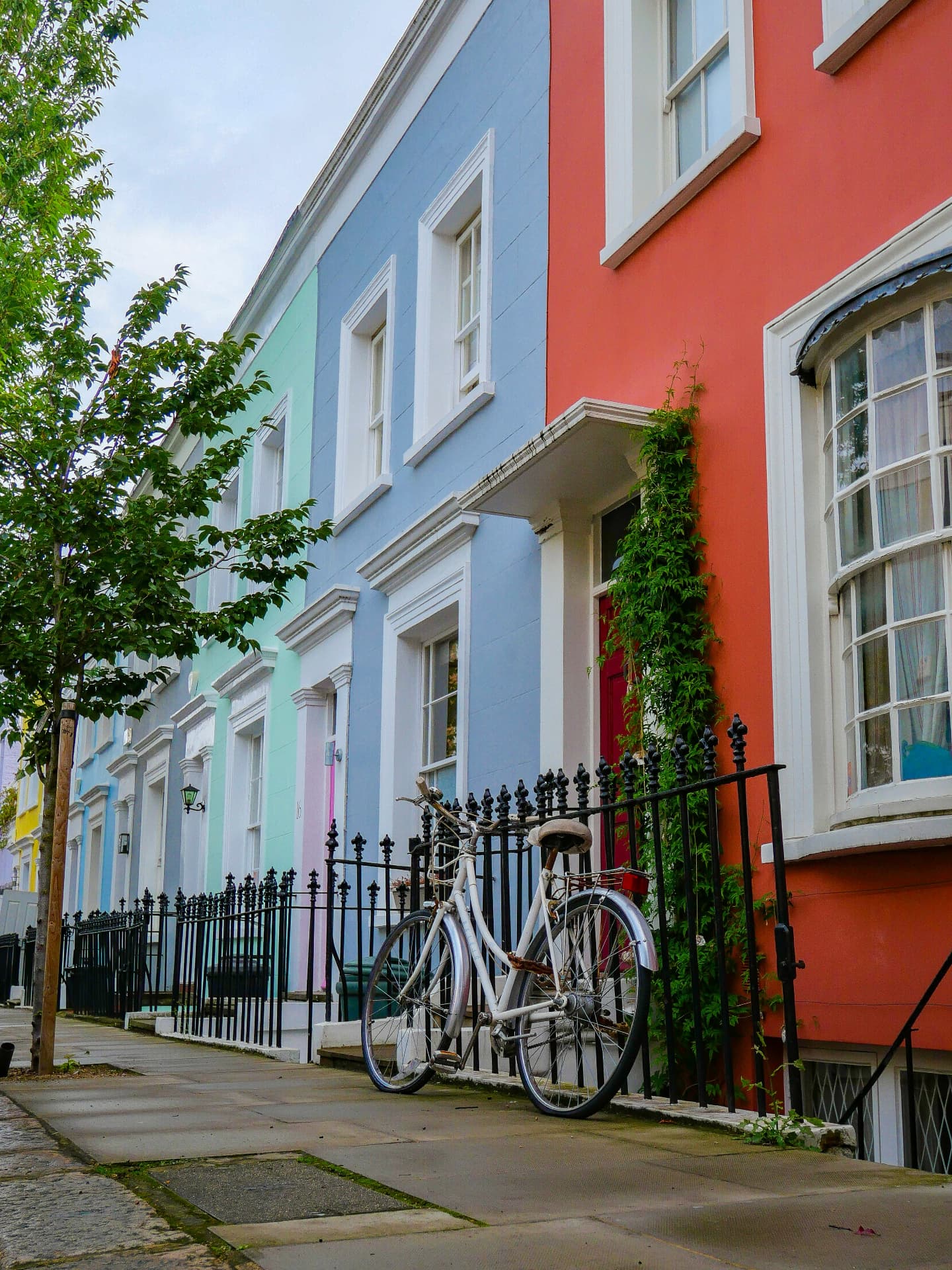
Angel house prices continue to command attention from discerning buyers seeking one of North London's most characterful neighbourhoods. As we navigate through 2026, this vibrant corner of Islington represents a compelling blend of Georgian elegance, Victorian grandeur and contemporary urban living. Our team at Seymont London has watched Angel evolve from a well-kept secret into one of the capital's most coveted postcodes, where tree-lined streets meet independent commerce and exceptional transport links converge at the iconic Angel tube station. Understanding the nuances of this market requires local expertise and a finger firmly on the pulse of N1's distinctive property landscape.
The Angel Property Market Landscape in 2026
Angel's property market occupies a distinctive position within London's broader residential ecosystem. Bounded by Upper Street's bustling thoroughfare to the west and the quieter residential streets radiating eastward, the area encompasses an architectural tapestry that spans centuries. The prevalence of Victorian house stock remains one of Angel's defining characteristics, with substantial terraced properties and converted mansion blocks forming the backbone of available inventory.
The average house price Angel commands reflects its strategic location between the City and King's Cross, coupled with the neighbourhood's evolved cultural identity. Chapel Market's historic street trading sits comfortably alongside artisan coffee houses and Michelin-regarded restaurants, creating an environment that appeals to established professionals, young families and downsizing empty-nesters alike. This demographic diversity ensures sustained demand across property types.
Transport connectivity fundamentally underpins Angel property prices, with the Northern Line providing direct access to the West End, the City and Canary Wharf within minutes. The forthcoming Elizabeth Line interchange at nearby Farringdon has further enhanced the area's appeal, whilst the comprehensive bus network along Upper Street and Pentonville Road offers unparalleled cross-London connectivity. For those exploring opportunities in this market, our [Angel property for sale](/property-for-sale/angel) listings showcase the breadth of what this neighbourhood offers.
Whilst we cannot provide specific median figures for recent months due to data reporting lags inherent in HM Land Registry publications, the long-term trajectory of Angel sold prices demonstrates resilience characteristic of prime Inner London locations. The area's enduring appeal rests not merely on location, but on the quality of life it affords—something quantitative data alone cannot capture.
Property Types and Architectural Heritage
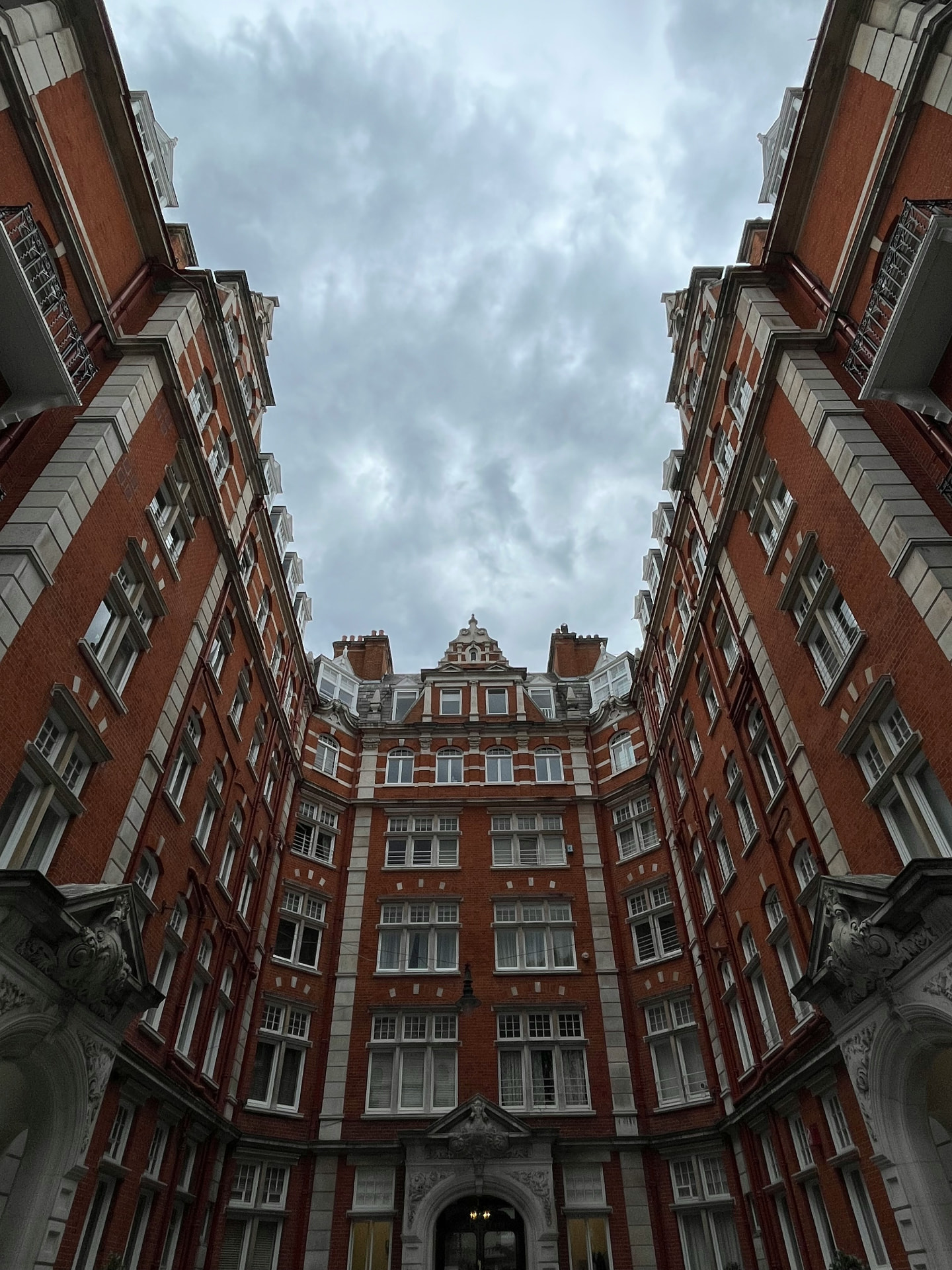
Angel's architectural character deserves particular attention when considering property investment in this neighbourhood. The Victorian house remains the area's architectural cornerstone, with substantial four and five-storey terraced properties originally built for prosperous merchants and professionals during the late nineteenth century. These homes typically feature generous ceiling heights, original cornicing, and well-proportioned reception rooms that adapt beautifully to contemporary living requirements.
Georgian townhouses, whilst less numerous than their Victorian counterparts, command premium positions along quieter residential streets. These earlier properties often present elegant proportions and direct garden access—increasingly rare commodities in Inner London. Purpose-built mansion blocks from the Edwardian and inter-war periods provide another significant segment of Angel's housing stock, offering lateral living space and often commanding views across the Islington skyline.
Contemporary developments have been carefully woven into Angel's fabric, with several noteworthy schemes delivered over the past decade respecting the area's established scale and character. These newer properties typically offer the advantages of modern construction—improved energy efficiency, private amenities and parking provision—whilst contributing to the neighbourhood's architectural conversation rather than dominating it.
Conversion flats represent a substantial proportion of available inventory, with many of the area's grandest Victorian houses having been sensitively divided into self-contained residences. The quality of these conversions varies considerably, and our team always recommends thorough due diligence regarding lease terms, service charge provisions and the condition of communal areas. Those seeking guidance through this complexity should consider consulting our [Angel estate agents](/estate-agents/angel) who possess intimate knowledge of individual buildings and their histories.
Factors Influencing Angel Property Prices in 2026
Multiple interconnected factors shape the Angel property market as we progress through 2026. Interest rate dynamics continue to influence buyer affordability and mortgage availability, with the broader macroeconomic environment creating both challenges and opportunities for those entering or moving within the market. We observe that well-presented properties in prime Angel locations continue to attract competitive interest, whilst those requiring modernisation may linger longer than in previous market cycles.
The area's commercial vitality directly impacts residential desirability. Upper Street's restaurant and retail offering has matured considerably, moving beyond trendy newcomers to encompass established institutions that provide neighbourhood stability. The Camden Passage antiques market, Screen on the Green cinema, and the diverse independent businesses along Cross Street and Liverpool Road contribute to Angel's distinct identity—factors that transcend simple property metrics but fundamentally influence buyer decisions.
School catchment considerations remain paramount for family buyers, with several outstanding-rated primary schools within the Angel catchment area. The competitive nature of admissions in this part of Islington means proximity to preferred schools can materially affect property values, with even modest distances translating into significant price differentials. Our experience suggests families prioritise location within catchment over additional living space when budget constraints require trade-offs.
Green space access represents another differentiating factor, with Islington's canal towpath offering recreational amenity and increasingly popular cycling routes into Central London. Proximity to Regent's Canal, whilst not immediately adjacent to Angel's core, influences property preferences for those prioritising outdoor access. For investors and landlords considering the area's rental potential, our [let your property in Angel](/let-your-property/angel) service provides insight into tenant preferences and achievable returns.
Talk to Seymont
What's your home worth?
A considered view on price, timing and how to bring your London home to market — a personal reply within 24 hours.
Your property
Step 1 of 2Comparing Angel to Neighbouring Islington Markets
Angel's position within Islington's property hierarchy merits examination for those considering where to focus their search. The neighbourhood commands a premium over areas further north along the Holloway Road corridor, reflecting superior transport links and commercial amenity. Conversely, properties in neighbouring Barnsbury and Canonbury to the northeast often achieve higher prices, particularly for family houses with garden access, though Angel counters with superior restaurant culture and evening economy.
The boundary between Angel and Clerkenwell to the south remains somewhat fluid, with estate agents' territorial claims occasionally diverging from residents' lived experience of neighbourhood identity. Properties along Pentonville Road and the southern reaches of the Angel postcode share much of Clerkenwell's creative industry character whilst benefiting from Angel's superior Underground access. This liminal zone can present value opportunities for astute buyers.
King's Cross regeneration, just west of Angel, has fundamentally reshaped this corner of North London over the past fifteen years. Whilst King's Cross offers superior transport infrastructure with six Underground lines and mainline rail services, Angel retains advantages in established community character and independent retail that new-build dominated areas require decades to cultivate. We observe buyers increasingly weighing these qualitative factors alongside quantitative transport time calculations.
Those seeking comprehensive market intelligence should explore our detailed [Angel house prices](/house-prices/angel) analysis, which contextualises local trends within broader London-wide movements and provides historical perspective on the area's property evolution.
Buying Strategy for Angel in the Current Market
Navigating Angel's property market successfully in 2026 requires strategy informed by local knowledge and realistic timeframe expectations. We counsel prospective buyers to establish clear priorities before commencing their search—the trade-offs between period character and modern convenience, between bedroom count and reception space, between ground-floor garden access and upper-floor light—as Angel's diverse stock requires decision-making clarity.
Viewing discipline proves essential in a market where desirable properties attract multiple interested parties. Our team recommends attending viewings promptly upon market release, arriving prepared with relevant questions about lease terms, service charges, planning considerations and building condition. First impressions matter, but experienced buyers look beyond superficial presentation to assess structural integrity, natural light quality throughout the day, and noise considerations from Upper Street's vibrant but occasionally boisterous evening economy.
Mortgage pre-approval has become increasingly important as lenders' risk appetites fluctuate with economic conditions. Buyers who demonstrate financial readiness occupy stronger negotiating positions, particularly when sellers face onward purchase pressures. Understanding the distinction between asking prices and Angel sold prices—the latter reflecting actual market clearing levels—enables realistic offer positioning that respects both parties' interests.
For those selling property elsewhere in London to purchase in Angel, timing coordination presents particular challenges in chain transactions. Our experience suggests allowing adequate contingency in moving timescales and maintaining open communication channels between all parties materially improves transaction success rates. The emotional dimension of property purchase should not be discounted, but ultimately successful buyers balance aspiration with pragmatism, particularly regarding renovation budgets for period properties requiring sympathetic modernisation.
Talk to Seymont
What's your home worth?
A considered view on price, timing and how to bring your London home to market — a personal reply within 24 hours.
Your property
Step 1 of 2About the author
Julian ReyesLicensed Real Estate Agent
Julian has spent eleven years handling residential sales across west and central London, previously with the independent agencies Harlowe & Vance and Marchmont Row. He runs listings end to end, from pricing and presentation through to negotiating offers and holding chains together to completion. His writing focuses on the practical mechanics of buying and selling a home in a market where timing and preparation decide the outcome.
Licensed estate agent · 11 years in London residential sales
- Residential sales
- First-time buyers
- Offer negotiation
- Chain management
Frequently asked
- What is the average house price in Angel?
- The average house price in Angel varies considerably depending on property type, size and specific location within the neighbourhood. Victorian terraced houses typically command premium prices, whilst converted flats span a broader range. Due to the data publication schedule of HM Land Registry records, the most current median prices may not yet be publicly available. We recommend consulting our latest market analysis for the most up-to-date intelligence on Angel property prices, as values fluctuate with market conditions and individual property characteristics significantly influence final sale prices.
- Is Angel a good area to buy property in London?
- Angel represents one of North London's most established and sought-after residential neighbourhoods, offering exceptional transport connectivity via Angel tube station on the Northern Line, diverse architectural stock ranging from Georgian townhouses to contemporary developments, and vibrant commercial amenity along Upper Street and surrounding areas. The neighbourhood attracts professionals, families and downsizers seeking the combination of Inner London convenience with genuine community character. Proximity to the City, West End and King's Cross, coupled with strong local schools and cultural offerings, underpins sustained property demand. As with any investment decision, individual circumstances and priorities should guide purchase decisions.
- What types of properties are most common in Angel?
- Angel's housing stock is characterised predominantly by Victorian terraced houses and conversion flats within these substantial period buildings. Purpose-built mansion blocks from the Edwardian and inter-war periods provide another significant segment, particularly around the Upper Street corridor. Georgian townhouses exist in smaller numbers along quieter residential streets. Contemporary developments have been sensitively integrated into the neighbourhood fabric over recent decades, though period property dominates the architectural landscape. The prevalence of Victorian houses reflects the area's development during London's rapid nineteenth-century expansion, with many original merchant and professional-class residences now converted into flats whilst retaining characteristic features including high ceilings, sash windows and ornate plasterwork.
- How do Angel property prices compare to other Islington areas?
- Within Islington's property hierarchy, Angel commands a premium over areas further north such as Holloway and Finsbury Park, reflecting superior transport links and commercial infrastructure. Neighbouring Barnsbury and Canonbury to the northeast often achieve higher prices for family houses with gardens, though Angel offers advantages in restaurant culture, evening economy and Northern Line accessibility. The boundary with Clerkenwell to the south creates some overlap in character and pricing, whilst King's Cross regeneration to the west has introduced new-build stock at varying price points. Angel's established community character and independent retail offering distinguish it from newer developments, with buyers often prioritising these qualitative factors alongside quantitative transport and price considerations when selecting between neighbouring areas.
- What should buyers consider when purchasing in Angel?
- Prospective buyers should carefully evaluate several factors specific to Angel property purchase. For period properties, building survey recommendations prove essential given the age of much Victorian housing stock, with particular attention to roof condition, damp prevention and the status of original features. Lease terms merit thorough examination for converted flats, including remaining lease length, ground rent provisions, service charge history and freeholder identity. School catchment proximity significantly influences family buyer decisions, with even modest distances affecting property values. Transport noise from Upper Street and the Northern Line requires consideration, as does the evening economy's vibrancy which some embrace and others find intrusive. Parking availability remains limited, making residents' permit eligibility important for car owners. Engaging experienced conveyancing solicitors familiar with Islington property transactions helps navigate local considerations effectively.