Journal
Angel Area Guide
Written by Julian Reyes · Licensed Real Estate Agent
Published 17 December 2025 · Updated 23 January 2026 · 6 min read
The short answer
Nestled at the intersection of Upper Street and Islington High Street, Angel has evolved from a historic coaching stop into one of north London's most vibrant and sought-after neighbourhoods. This Angel area guide explores why this corner of Islington continues to captivate residents and property seekers alike, from its exceptional transport links to its thriving cultural scene.
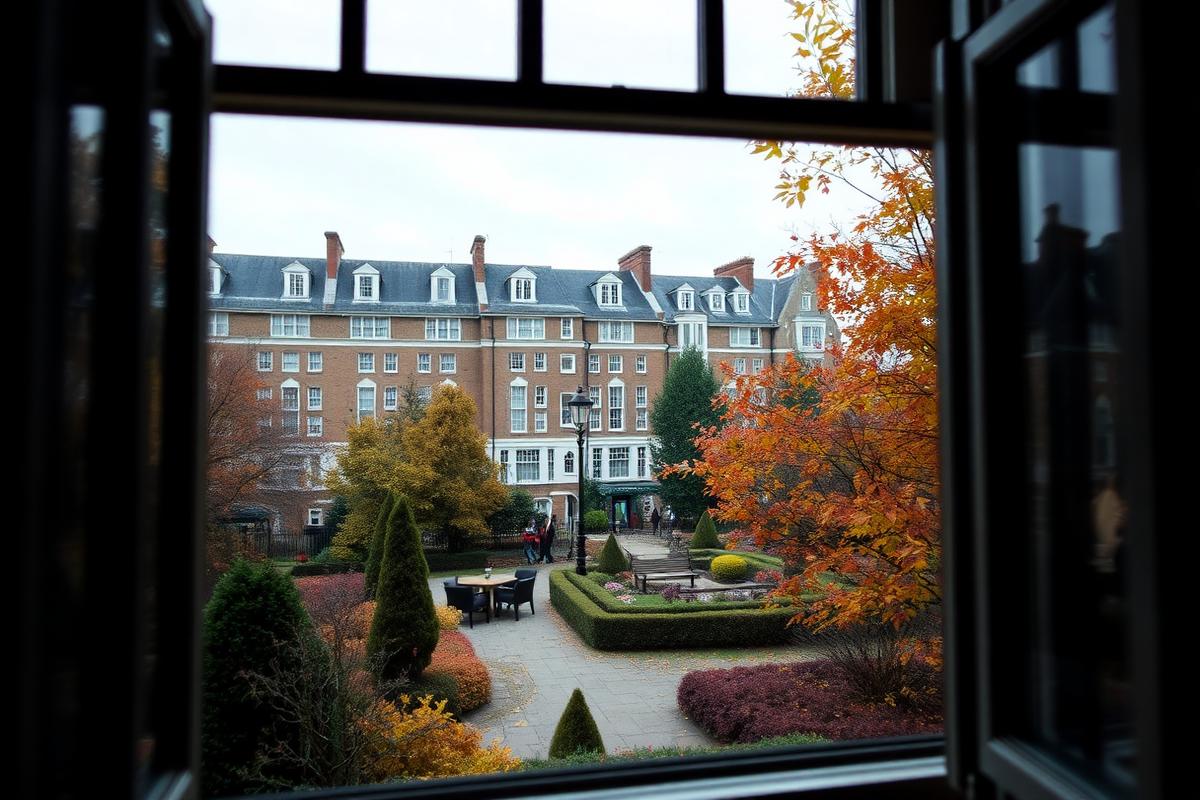
Nestled at the intersection of Upper Street and Islington High Street, Angel has evolved from a historic coaching stop into one of north London's most vibrant and sought-after neighbourhoods. This Angel area guide explores why this corner of Islington continues to captivate residents and property seekers alike, from its exceptional transport links to its thriving cultural scene. We've watched Angel transform over the years, maintaining its village-like character whilst embracing contemporary London living. Whether you're considering renting a house in this dynamic quarter or exploring your options for purchasing, understanding what makes Angel unique is essential.
Location and Transport Connections
Angel's position in Zone 1 makes it one of London's best-connected residential areas, with Angel Underground station serving the Northern Line's Bank branch. The station underwent a significant upgrade that included new escalators—amongst the longest on the London Underground network—transforming daily commutes for thousands of residents. Within fifteen minutes, you can reach King's Cross St Pancras, the City, and the West End, making Angel London an exceptional base for professionals working across the capital.
Beyond the Underground, numerous bus routes traverse Upper Street and Islington High Street, connecting Angel to Camden, Hackney, and central London. The area's walkability remains one of its greatest assets; many residents find themselves strolling to Clerkenwell, Bloomsbury, or King's Cross rather than taking transport. Cyclists benefit from dedicated lanes along several major routes, and the recent expansion of cycle hire docking stations has made two-wheeled travel increasingly popular.
For those requiring national and international connections, St Pancras International lies just two kilometres south, offering Eurostar services to Paris and Brussels alongside high-speed domestic routes. City Airport is accessible via the Northern Line and DLR, whilst Heathrow connects through the Piccadilly Line at King's Cross. This exceptional connectivity influences Angel property values and rental demand, as professionals increasingly prioritise transport convenience when choosing where to live in London.
Neighbourhood Character and Notable Angel Streets
Upper Street forms the spine of Angel, stretching northward towards Highbury & Islington in a vibrant procession of restaurants, boutiques, and cultural venues. This thoroughfare has retained its historic building stock whilst welcoming contemporary businesses, creating an architectural dialogue between Georgian townhouses and modern shopfronts. The northern reaches of Upper Street near Angel station showcase the area's quintessentially Islington character, where independent retailers sit alongside established chains.
Venturing east from the main artery, you'll discover the quieter residential streets that give Angel its neighbourhood appeal. Liverpool Road runs parallel to Upper Street, offering a more subdued atmosphere with its elegant terraces and local cafés. Duncan Terrace and Colebrooke Row flank the Regent's Canal, featuring some of Angel's most attractive Georgian and early Victorian properties, many with private gardens that descend towards the water. These streets command particular attention from those seeking period character combined with modern convenience.
The area immediately surrounding Angel station presents a mix of converted period buildings and purpose-built apartments, many dating from the 1980s and 1990s development boom. Islington Green, though technically just beyond Angel's core, influences the neighbourhood's character, providing open space and hosting community events throughout the year. The network of streets between Upper Street and City Road reveals Angel's residential depth, where former industrial buildings have been sympathetically converted into desirable living spaces, particularly appealing to those renting a house or flat in the area.
Dining, Entertainment and Culture
Angel's reputation as a dining destination continues to flourish, with Upper Street hosting an impressive concentration of restaurants representing cuisines from across the globe. From long-established French bistros to contemporary Asian fusion, the culinary landscape caters to every palate and occasion. The side streets harbour hidden gems—intimate wine bars, specialist coffee roasters, and neighbourhood eateries that locals guard jealously. Weekend brunch culture thrives here, with queues forming outside popular spots on Saturday and Sunday mornings.
Cultural offerings extend well beyond dining. The Almeida Theatre, one of London's most respected fringe venues, has premiered numerous productions that later transferred to the West End and Broadway. The King's Head Theatre, Britain's first pub theatre, continues to stage innovative performances in its intimate setting. The Screen on the Green cinema, housed in a beautiful Grade II listed building, provides an antidote to multiplex anonymity, screening art-house films alongside mainstream releases in plush, comfortable surroundings.
Retail therapy in Angel balances chain stores with independent shops, particularly along Camden Passage, where antiques dealers and vintage specialists create a destination for collectors and browsers alike. The twice-weekly market adds further character, drawing visitors from across London. Chapel Market, running perpendicular to Upper Street, maintains its traditional street market atmosphere, offering fresh produce, flowers, and everyday goods at competitive prices—a reminder of Angel's working-class heritage amidst the gentrification.
Talk to Seymont
What's your home worth?
A considered view on price, timing and how to bring your London home to market — a personal reply within 24 hours.
Your property
Step 1 of 2Parks, Canal and Outdoor Spaces
The Regent's Canal defines Angel's southern boundary, offering a tranquil escape from urban intensity. The towpath has become a cherished amenity for runners, cyclists, and walkers, connecting Angel westward to Camden and eastward towards Hackney and Victoria Park. Narrowboats moored along this stretch add colour and character, whilst canalside developments have created desirable waterfront living opportunities. We often recommend canal-side walks to newcomers as the quickest way to appreciate Angel's geographical context within London's broader landscape.
Whilst Angel itself lacks a major park, its position provides easy access to several significant green spaces. Regent's Park lies twenty minutes westward on foot, offering formal gardens, sporting facilities, and open-air theatre during summer months. To the north, Highbury Fields provides closer recreation opportunities, popular with families and dog walkers. The recent improvements to Islington's smaller squares and gardens have enhanced the immediate area, with thoughtful planting and seating creating micro-parks that serve local residents.
This proximity to both waterway and parkland influences the Angel guide we provide to prospective residents, particularly families and those relocating from more suburban settings. The ability to walk to substantial green space within fifteen minutes addresses concerns about urban density, whilst the canal offers daily contact with nature and water. These outdoor amenities contribute significantly to Angel's residential appeal, supporting premium values in the property market.
Schools and Family Considerations
Angel attracts families seeking Zone 1 living without sacrificing educational options. Islington Council maintains several well-regarded primary schools within walking distance, with many parents particularly interested in Ambler Primary School, Laycock Primary School, and Prior Weston Primary School, among others. The admissions process for Islington schools operates on proximity, making location particularly crucial for families prioritising specific institutions. Our team at [/estate-agents/angel](Seymont London Angel) regularly advises families on catchment considerations when viewing properties.
Secondary education options include both state and independent schools, with City of London Academy Islington and Elizabeth Garrett Anderson School amongst the local state options. Many families also consider schools in neighbouring Camden or further afield in north London. The area's excellent transport connections mean that schools across central and north London remain accessible, broadening choices beyond the immediate vicinity.
Beyond formal education, Angel offers abundant activities for children and teenagers. Libraries, swimming pools, youth centres, and sports facilities serve the community, whilst the variety of family-friendly cafés and restaurants makes Angel conducive to raising children in an urban environment. The neighbourhood's walkability means families can navigate daily life without car dependency, and the mix of housing types—from period conversions to modern developments—provides options at various price points for those exploring [/property-for-sale/angel](Angel properties).
The Angel Property Market
Angel property encompasses remarkable variety, from grand Georgian terraces along the canal-side streets to contemporary apartments in converted industrial buildings. Period conversions dominate much of the residential stock, with Victorian and Edwardian houses subdivided into flats during the twentieth century. These conversions range from modest studios to substantial maisonettes, many retaining original features such as cornicing, fireplaces, and sash windows that command premium interest from buyers and renters alike.
The new-build sector has contributed significantly to Angel's housing stock over recent decades, particularly around the station and along former industrial sites. These developments typically offer modern specifications, lifts, and communal facilities that appeal to professionals and downsizers seeking turnkey convenience. Share of freehold arrangements remain common in converted properties, whilst many newer developments operate leasehold with professional management companies handling maintenance and communal areas.
For those considering Angel London as a potential home, understanding the neighbourhood's micro-markets proves essential. Properties closest to the station and Upper Street command premiums for convenience, whilst quieter residential streets offer better value for those prioritising space and tranquillity. The rental market remains robust, supported by young professionals, creative industry workers, and international residents drawn to Zone 1 living. Whether you're exploring options for [/let-your-property/angel](letting your Angel property) or searching for your next home, the area's enduring appeal continues to support sustained demand. Those interested in long-term value trends can explore detailed [/house-prices/angel](Angel house price) data to inform their decisions.
Talk to Seymont
What's your home worth?
A considered view on price, timing and how to bring your London home to market — a personal reply within 24 hours.
Your property
Step 1 of 2About the author
Julian ReyesLicensed Real Estate Agent
Julian has spent eleven years handling residential sales across west and central London, previously with the independent agencies Harlowe & Vance and Marchmont Row. He runs listings end to end, from pricing and presentation through to negotiating offers and holding chains together to completion. His writing focuses on the practical mechanics of buying and selling a home in a market where timing and preparation decide the outcome.
Licensed estate agent · 11 years in London residential sales
- Residential sales
- First-time buyers
- Offer negotiation
- Chain management
Frequently asked
- What makes Angel a desirable place to live in London?
- Angel combines exceptional Zone 1 transport links with vibrant cultural amenities, diverse dining options, and characterful streets. The Northern Line station provides rapid access to the City and West End, whilst Upper Street offers an impressive concentration of restaurants, theatres, and shops. The Regent's Canal adds outdoor appeal, and the neighbourhood maintains a genuine community atmosphere despite its central location, making it popular with professionals, families, and creatives alike.
- How long does it take to commute from Angel to central London locations?
- Angel station on the Northern Line connects you to King's Cross St Pancras in approximately 4 minutes, Bank in around 10 minutes, and London Bridge in roughly 12 minutes. Tottenham Court Road and Leicester Square are accessible within 8-10 minutes, making Angel exceptionally convenient for those working in the City, West End, or central business districts. Many residents also walk to Clerkenwell or Bloomsbury in 15-20 minutes.
- What types of property are available in Angel?
- Angel offers diverse property types, including period conversions in Georgian and Victorian terraces (typically flats and maisonettes), purpose-built apartments from various decades, and modern developments near the station and canal. Properties range from compact studios to substantial family homes, with many period conversions retaining original features. Share of freehold is common in converted buildings, whilst newer developments typically operate as leasehold with professional management.
- Is Angel suitable for families with children?
- Yes, Angel attracts many families thanks to its selection of local primary schools, excellent transport connections to secondary schools across London, and abundance of family-friendly amenities. The Regent's Canal towpath, proximity to Highbury Fields and Regent's Park, plus numerous cafés and restaurants welcoming children make it conducive to family life. The walkable neighbourhood means daily activities rarely require a car, and the mix of housing types provides options for growing families.
- What are the best streets to live on in Angel?
- Duncan Terrace and Colebrooke Row are particularly sought-after for their elegant Georgian properties and proximity to the Regent's Canal. Liverpool Road offers a quieter alternative to Upper Street with good period housing, whilst streets between Upper Street and City Road provide excellent value with converted properties and purpose-built flats. Proximity to Angel station makes surrounding streets highly convenient for commuters, though they can be busier than the residential roads further from the main thoroughfares.