Journal
Average Rent in Angel: A Comprehensive Guide for 2026
Written by Julian Reyes · Licensed Real Estate Agent
Published 15 June 2026 · Updated 20 July 2026 · 6 min read
The short answer
Angel has long represented one of north London's most desirable rental destinations, where Victorian elegance meets contemporary urban living. Understanding the average rent in Angel is essential for both prospective tenants seeking their next home and landlords evaluating investment opportunities in this vibrant N1 neighbourhood.
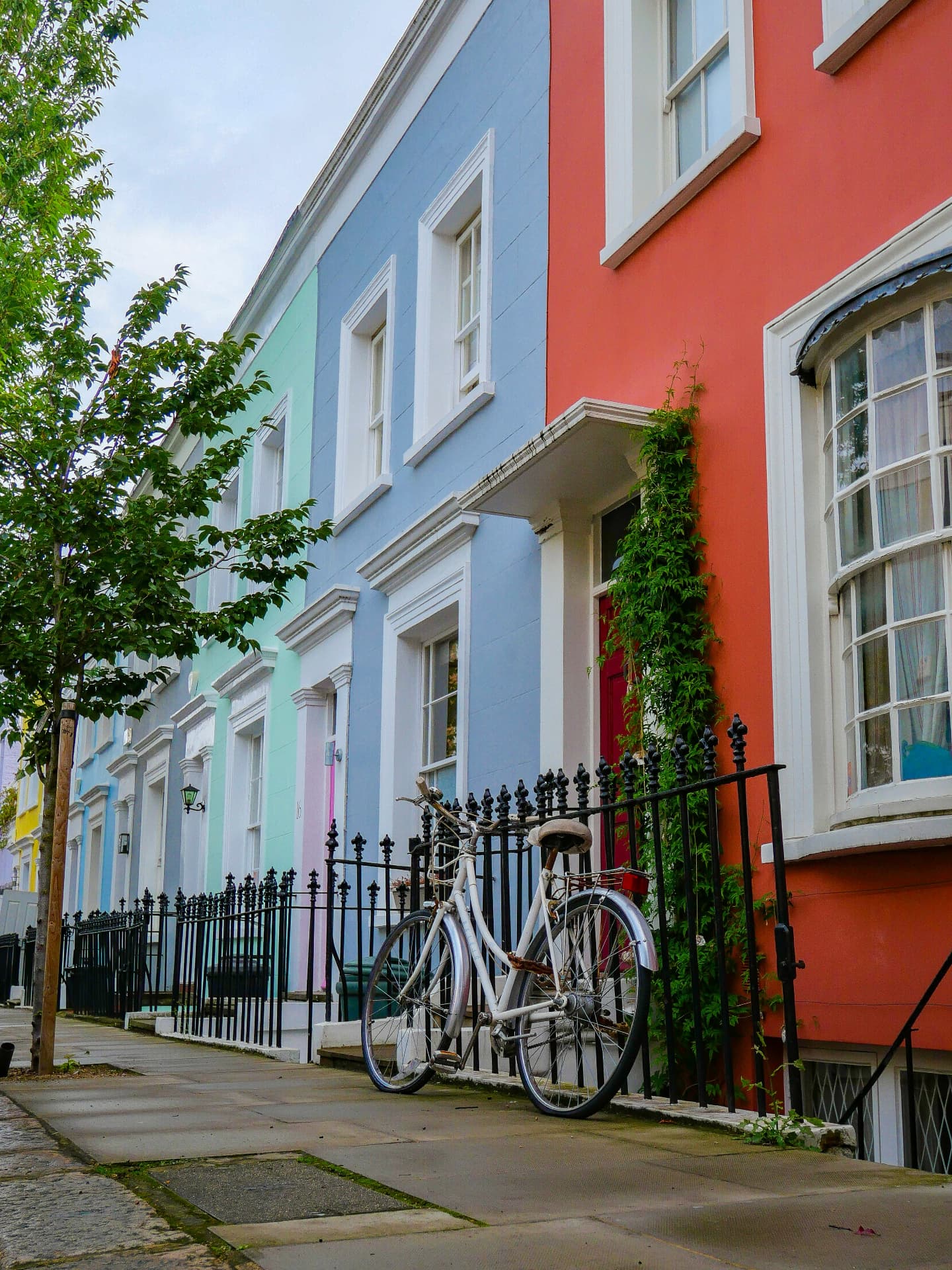
Angel has long represented one of north London's most desirable rental destinations, where Victorian elegance meets contemporary urban living. Understanding the average rent in Angel is essential for both prospective tenants seeking their next home and landlords evaluating investment opportunities in this vibrant N1 neighbourhood. Our team at Seymont London has witnessed the area's evolution first-hand, from the iconic Angel tube station roundabout to the tranquil squares tucked behind Upper Street. The rental landscape here reflects a unique blend of period conversions, modern developments, and everything in between, making Angel a microcosm of London's diverse housing market. With its unparalleled transport links, thriving cultural scene, and proximity to the City, Angel continues to command significant attention from renters across the capital.
Understanding Angel Rent Prices Across Different Property Types
The rental market in Angel demonstrates considerable variation depending on property type, condition, and precise location within the neighbourhood. Studio apartments typically appeal to young professionals working in nearby Shoreditch or the City, whilst one-bedroom flats remain the area's most sought-after rental category, particularly in the converted Victorian buildings that characterise streets radiating from Upper Street.
Two-bedroom properties command a premium, especially those with outdoor space or proximity to the boutique shops and restaurants that define Angel's character. Period features such as original fireplaces, high ceilings, and sash windows can add substantial value to rental prices, reflecting the area's architectural heritage. Conversely, purpose-built blocks closer to the Angel tube station often offer modern amenities and concierge services that justify their positioning in the upper rental brackets.
Three-bedroom houses and maisonettes represent the pinnacle of the Angel rental market, with family-sized properties in particularly short supply. These homes typically cluster around the quieter residential streets near Islington Green and towards Canonbury, where tree-lined roads and garden squares create a village atmosphere whilst maintaining central London connectivity.
Our experience at Seymont London suggests that condition and presentation significantly impact achievable rents, with newly refurbished properties often securing tenants within days of marketing. The competition for quality rental stock in Angel remains robust throughout the year, though we observe seasonal peaks coinciding with the traditional moving periods of spring and early autumn.
How Much Is Rent in Angel: Factors Influencing Pricing
Determining precisely how much rent costs in Angel requires understanding the multiple variables that influence pricing in this established N1 location. Proximity to Angel underground station commands a premium, with properties within a five-minute walk typically achieving rents 10-15% above comparable homes further afield. The Northern Line's connectivity to King's Cross, the City, and beyond makes this convenience highly valuable to commuters.
Street selection significantly affects rental values, with addresses closer to Upper Street's amenities generally commanding higher prices than those on the periphery towards Pentonville Road or City Road. However, some tenants actively seek the relative tranquillity of Angel's residential hinterland, where roads like Barnsbury Street and Richmond Avenue offer peaceful living whilst remaining within the area's gravitational pull.
The condition and age of the building matter considerably when evaluating Angel rent prices. Ex-local authority properties, whilst often spacious and well-maintained, typically rent for less than comparable private Victorian conversions. Meanwhile, developments from the past two decades—particularly those with lifts, allocated parking, or communal gardens—occupy their own distinct segment of the market.
Furnishing status creates another dimension of rental pricing. Furnished properties generally achieve slightly higher monthly rents but appeal to a broader tenant demographic, including international professionals and those relocating to London. Unfurnished homes attract longer-term tenants seeking to create permanent roots in the area, a demographic we at Seymont London frequently encounter when managing properties around Angel.
Angel Rental Yields: What Investors Should Know
Investors considering the Angel market often enquire about rental yields, seeking to understand potential returns in this established London neighbourhood. Angel rental yields reflect the area's status as a mature, highly desirable location where capital values have appreciated significantly over recent decades, typically resulting in yields that prioritise capital growth over immediate income generation.
The relationship between purchase prices and achievable rents in Angel creates yields that align with prime central London averages, generally ranging between 3-5% gross depending on property type and specific location. Smaller units—particularly well-presented studio and one-bedroom apartments—often deliver yields towards the higher end of this spectrum, benefiting from strong tenant demand and lower entry costs relative to family homes.
Longer-term investors appreciate Angel's fundamentals: exceptional transport infrastructure, employment proximity, and an established residential community that weathers economic cycles more gracefully than emerging locations. Our team observes that void periods in Angel remain minimal when properties are correctly priced and presented, contributing to reliable annual returns that compound over extended holding periods.
Those exploring <a href="/let-your-property/angel">letting opportunities in Angel</a> should consider that maximising rental yields often requires strategic property selection, attentive management, and realistic pricing aligned with current market conditions. The neighbourhood's enduring appeal to professional tenants—from junior bankers to creative industry workers—provides a stable tenant base that underpins consistent rental performance throughout economic cycles.
Talk to Seymont
What's your home worth?
A considered view on price, timing and how to bring your London home to market — a personal reply within 24 hours.
Your property
Step 1 of 2Neighbourhood Appeal: Why Tenants Choose Angel
Angel's rental popularity stems from an enviable combination of location, lifestyle, and community that few London neighbourhoods replicate. The area functions as both a transport hub and a destination in its own right, with Upper Street's restaurant quarter, independent cinemas, and the historic King's Head Theatre providing cultural amenities that reduce the need to venture elsewhere for entertainment.
Tenants particularly value the neighbourhood's walkability, with Chapel Market offering traditional street market charm, whilst Exmouth Market lies minutes away across the Clerkenwell border. The proximity to green spaces—including Regent's Canal towpath walks and Islington's garden squares—adds an element of tranquillity that belies Angel's Zone 1 classification.
Professionals working in the City find Angel's location particularly advantageous, with journey times often under twenty minutes door-to-desk. Similarly, those employed in King's Cross, Farringdon, or Old Street benefit from Angel's position at the nexus of multiple transport corridors, including both underground and extensive bus networks that provide redundancy during service disruptions.
The area's demographic mix contributes to its character, attracting everyone from recent graduates sharing flats to established professionals and young families occupying the larger homes around Islington Green. This diversity creates a neighbourhood with energy and permanence simultaneously—a combination our team at Seymont London recognises as central to Angel's enduring rental appeal. Those interested in the broader property landscape might explore <a href="/property-for-sale/angel">available properties in Angel</a> to understand the ownership market alongside rental options.

Future Rental Market Outlook for Angel
The trajectory of the average rent in Angel reflects broader London trends whilst maintaining distinctive local characteristics. Infrastructure developments across north London, including continued Crossrail improvements at nearby King's Cross and potential transport enhancements, position Angel favourably for sustained rental demand in coming years.
We anticipate that Angel's rental market will continue benefiting from its established credentials rather than dramatic transformation, with incremental improvements to the area's already strong fundamentals. The ongoing conversion of commercial spaces to residential use adds modest supply increases, though demand consistently matches new availability given the neighbourhood's desirability.
Economic factors influence all London rental markets, and Angel proves no exception. However, the area's diverse employment catchment—spanning financial services, technology, creative industries, and professional services—provides resilience against sector-specific downturns. This employment diversity underpins stable tenant demand across economic cycles.
For those considering Angel as either tenants or landlords, understanding the area's position within London's wider geography remains essential. The neighbourhood's mature status means dramatic rental growth proves less likely than in emerging areas, yet stability and consistent performance characterise the market. Our perspective from managing properties across London suggests Angel represents a choice for those prioritising quality of life and location over speculative gains, values that translate into a robust, sustainable rental market. Those curious about market dynamics might review <a href="/house-prices/angel">house prices in Angel</a> to understand the relationship between sales values and rental rates, whilst our <a href="/estate-agents/angel">Angel estate agency services</a> provide comprehensive local market insights.
Talk to Seymont
What's your home worth?
A considered view on price, timing and how to bring your London home to market — a personal reply within 24 hours.
Your property
Step 1 of 2About the author
Julian ReyesLicensed Real Estate Agent
Julian has spent eleven years handling residential sales across west and central London, previously with the independent agencies Harlowe & Vance and Marchmont Row. He runs listings end to end, from pricing and presentation through to negotiating offers and holding chains together to completion. His writing focuses on the practical mechanics of buying and selling a home in a market where timing and preparation decide the outcome.
Licensed estate agent · 11 years in London residential sales
- Residential sales
- First-time buyers
- Offer negotiation
- Chain management
Frequently asked
- What is the average rent for a one-bedroom flat in Angel?
- One-bedroom flats in Angel typically represent the most competitive segment of the rental market, with prices varying significantly based on condition, exact location, and building type. Properties within close proximity to Angel tube station and Upper Street generally command premium rents, whilst those on quieter residential streets or towards the area's boundaries offer more moderate pricing. Period conversions with original features typically achieve different rental levels compared to modern purpose-built developments, reflecting tenant preferences for either character or contemporary amenities. We recommend prospective tenants view multiple properties to understand the range available within their budget, as Angel's diverse housing stock creates considerable variation even within the one-bedroom category.
- How does Angel compare to neighbouring Islington areas for rental prices?
- Angel occupies a premium position within the broader Islington rental market, typically commanding higher rents than areas further from central London such as Finsbury Park or Archway, whilst remaining competitive with neighbouring Canonbury and Barnsbury. The area's exceptional transport links via Angel tube station and its concentration of amenities along Upper Street justify its positioning at the higher end of N1 rental values. However, streets within the official Angel area demonstrate their own internal variation, meaning careful property selection can identify relative value. The neighbourhood's boundaries blend into surrounding areas, so tenants with flexibility regarding precise location can sometimes find advantageous pricing by considering properties technically classified under adjacent postcodes whilst remaining within easy reach of Angel's core amenities.
- Are rental prices in Angel increasing or stabilising?
- Angel's rental market reflects broader London trends influenced by economic conditions, employment patterns, and housing supply dynamics. As an established, desirable neighbourhood with limited scope for significant new development, Angel experiences less dramatic rental fluctuation than emerging areas, with prices generally following gradual trajectories rather than sharp movements. Seasonal variation affects the market, with spring and early autumn typically seeing increased activity and potentially firmer pricing, whilst winter months may offer negotiating opportunities. Long-term trends show that Angel maintains its relative position within London's rental hierarchy, with prices appreciating broadly in line with or slightly above London averages during growth periods whilst demonstrating resilience during downturns. Current market conditions require consultation with local specialists who monitor real-time activity rather than relying on historical data alone.
- What areas within Angel offer the best value for renters?
- Value in Angel's rental market depends on individual priorities, though certain patterns emerge from market activity. Streets further from Upper Street's commercial heart and the tube station entrance often provide better value whilst maintaining the neighbourhood's essential character and connectivity. Properties overlooking busier roads such as Pentonville Road or City Road typically rent for less than those on quiet residential streets, though some tenants accept this trade-off for reduced costs. Ex-local authority buildings, when well-maintained, can offer spacious accommodation at more accessible price points compared to private Victorian conversions. Areas towards the Clerkenwell and King's Cross boundaries technically fall within Angel's catchment whilst sometimes achieving slightly lower rents, providing opportunities for budget-conscious tenants willing to accept a slightly longer walk to the tube station. Our team suggests that prospective renters clearly define their priorities regarding space, location, and property type to identify where genuine value exists within their specific requirements.
- Do furnished properties in Angel rent for significantly more than unfurnished?
- The premium for furnished properties in Angel varies depending on the quality and extent of furnishings provided, though typically adds between 5-10% to monthly rent compared to equivalent unfurnished homes. Well-furnished properties with modern, quality items that allow tenants to move in with minimal preparation command the upper end of this premium, particularly appealing to international professionals, relocating workers, and those seeking short-to-medium term accommodation. Basic furnishing packages with essential items only create smaller differentials. Prospective tenants should evaluate whether the furnished premium represents value given their circumstances, considering the capital outlay and logistics of furnishing an unfurnished property themselves. Some landlords offer flexible arrangements, potentially removing or adding items to meet tenant preferences, creating outcomes that satisfy both parties. The furnished versus unfurnished decision often depends more on tenant lifestyle and anticipated tenancy duration than pure financial calculation, with longer-term renters sometimes preferring unfurnished properties that allow complete personalisation.