Journal
The Best Areas to Live in Battersea
Written by Thomas Lindqvist · Mortgage & Financing Specialist
Published 30 April 2026 · Updated 24 June 2026 · 6 min read
The short answer
When considering where to live in Battersea, you'll find a district that has transformed from its industrial past into one of south London's most sought-after residential quarters. The best areas to live in Battersea offer an exceptional blend of riverside living, Victorian charm, and contemporary urban convenience—all within a short commute of central London.
When considering where to live in Battersea, you'll find a district that has transformed from its industrial past into one of south London's most sought-after residential quarters. The best areas to live in Battersea offer an exceptional blend of riverside living, Victorian charm, and contemporary urban convenience—all within a short commute of central London. From the tree-lined streets north of the common to the modern developments along the Thames, each Battersea neighbourhood brings its own distinct character. Our team has watched this market closely for years, and we've seen demand steadily rise as buyers and tenants discover what makes Battersea such a compelling place to call home.
Between the Commons: Prime Battersea Neighbourhoods
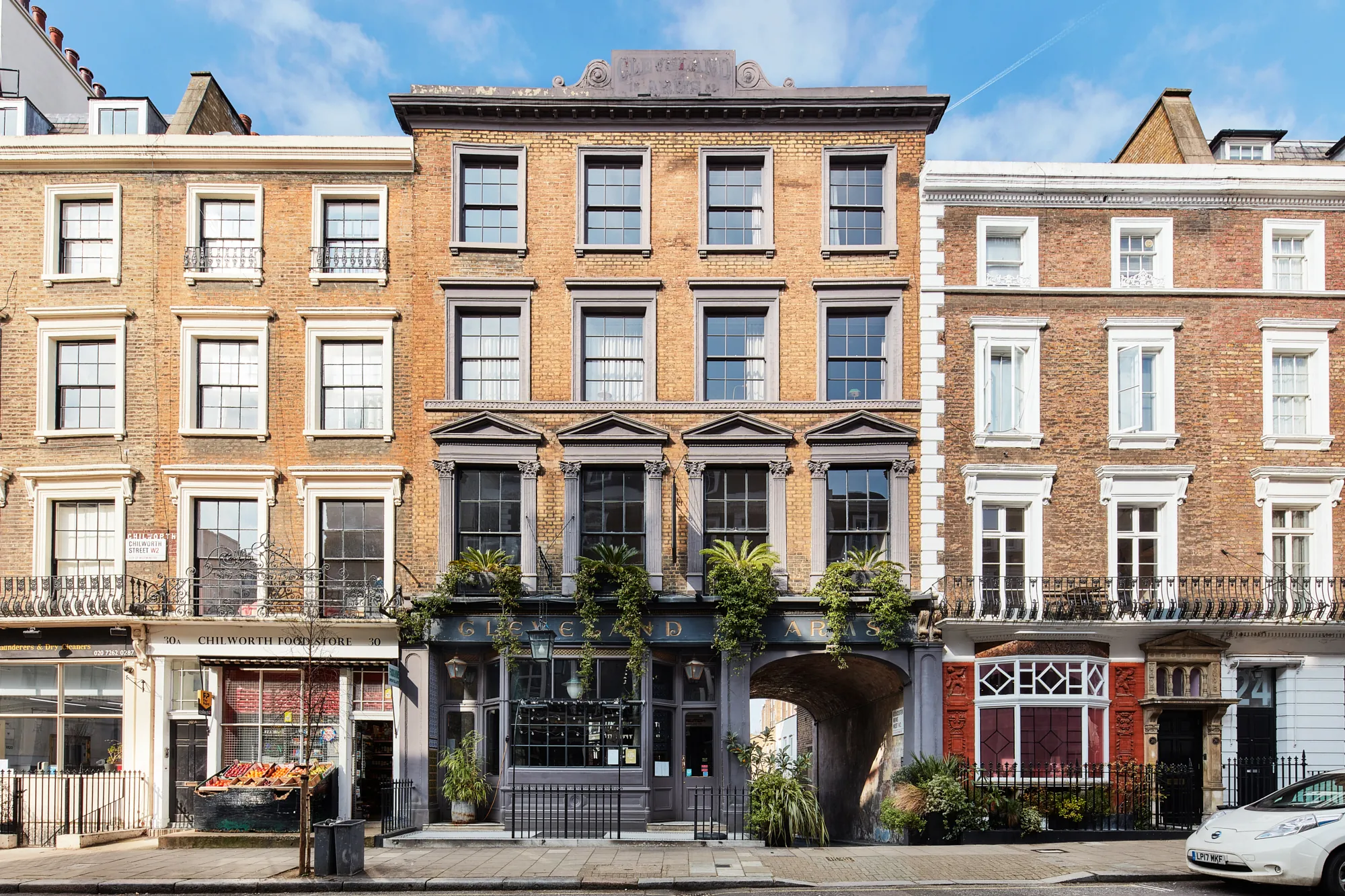
The area between Battersea Park and Clapham Common represents some of the finest residential streets in SW11 and SW12. These Battersea neighbourhoods are characterised by handsome Victorian and Edwardian terraces, many of which have been meticulously restored to reveal original features like cornicing, fireplaces, and sash windows. Battersea Rise forms the commercial heart of this district, offering an excellent selection of independent shops, cafés, and restaurants in Battersea that have cultivated a genuine village atmosphere.
According to HM Land Registry data, terraced houses in Battersea achieved a median price of £967,000, reflecting the premium buyers place on period properties in these established streets. The area benefits from exceptional green space access, with Battersea Park's 200 acres to the north and Clapham Common to the south, making it particularly attractive to families seeking outdoor amenities.
Battersea Park Road cuts through this district, providing a direct route towards Chelsea and the West End while hosting a mix of local businesses and eateries. The surrounding streets—particularly those running perpendicular to the main thoroughfare—contain some of the Battersea best streets for residential living, where you'll find generous family homes with south-facing gardens.
Transport links from this central belt are excellent, with Clapham Junction station offering connections across South London and into central terminals, while Battersea Park and Queenstown Road stations provide convenient Tube and rail access. For those exploring [property for sale in Battersea](/property-for-sale/battersea), this area consistently delivers strong capital appreciation alongside quality of life.
Battersea Reach and the Riverside Quarter
The riverside stretch has undergone perhaps the most dramatic transformation of any Battersea location over the past two decades. Developments like Battersea Reach on Juniper Drive in London have redefined expectations for riverside living, offering contemporary apartments with Thames views, concierge services, and immediate access to the riverside path that connects Battersea to central London's cultural attractions.
This area appeals particularly to professionals and downsizers who prioritise modern specification, security, and low-maintenance living. Flats in Battersea recorded a median price of £618,000 according to HM Land Registry data, with riverside properties commanding a significant premium above this benchmark. The quality of construction and amenities in developments along this stretch varies considerably, so we always advise viewing multiple options before committing.
The proximity to Battersea Power Station and the new Tube station at Nine Elms has further enhanced this area's connectivity. The riverside also hosts an impressive concentration of restaurants in Battersea, from casual dining to upscale establishments, many taking advantage of terrace spaces overlooking the water.
For those considering [rental property in Battersea](/let-your-property/battersea), riverside apartments demonstrate consistent tenant demand, particularly among international professionals drawn to the location's blend of waterside tranquillity and urban convenience.
Battersea and Nine Elms: London's Newest Quarter
The Battersea and Nine Elms estates area represents one of London's most ambitious regeneration schemes, fundamentally altering the skyline and residential options available in SW8. The arrival of the Northern Line extension has catalysed development at an extraordinary pace, with thousands of new homes delivered alongside commercial, retail, and leisure facilities.
Battersea Nine Elms estates offer a markedly different proposition from traditional Battersea—this is high-rise, high-density living designed for a generation that values proximity to transport, amenities on the doorstep, and contemporary design over period charm. The demographic here skews younger and more international, with many buyers attracted by new-build warranties, shared facilities including gyms and lounges, and the convenience of Help to Buy schemes when they were available.
According to ONS data, rental values across Battersea range from £1,450–£2,275 for one-bedroom properties and £1,975–£3,100 for two-bedroom homes, with Nine Elms developments often positioned at the upper end of these bands due to their newness and specifications. For context, three-bedroom properties command £2,650–£4,125 monthly, while larger family homes of four bedrooms reach £3,525–£5,500.
The restaurant scene in Battersea has expanded significantly thanks to this new quarter, with numerous chains and independents targeting the growing residential population. Circus West Village at Battersea Power Station has become a particular focal point, offering a curated mix of dining, entertainment, and public realm that's drawn visitors from across London.
Talk to Seymont
What's your home worth?
A considered view on price, timing and how to bring your London home to market — a personal reply within 24 hours.
Your property
Step 1 of 2Understanding Battersea Property Values and Market Dynamics
The Battersea property market recorded 402 sales with a median price of £700,000 according to HM Land Registry data, though this figure masks considerable variation across property types and locations. Semi-detached houses achieved a median of £1,400,000—a reflection of their scarcity in this predominantly terraced and flat-dominated market—while properties categorised as 'other' (typically commercial conversions and new-build schemes) showed a median of £357,500.
When we discuss [house prices in Battersea](/house-prices/battersea) with clients, we emphasise the importance of micro-location. A Victorian terrace on a quiet, tree-lined street between the commons will command a substantial premium over a similar property near a busy junction, even if separated by only a few hundred metres. Similarly, riverside developments vary enormously in quality, age, and service charge obligations—factors that significantly impact both purchase price and long-term value retention.
The rental market demonstrates similar nuance. Studio flats range from £1,100 to £1,725 monthly according to ONS data, while at the upper end of the market, five-bedroom properties command £4,625–£7,225. For landlords, understanding where your property sits within these bands is crucial to achieving optimal yield while minimising void periods.
We've observed that Battersea's market tends to be relatively resilient during broader downturns, supported by its strong transport links, proximity to central London employment hubs, and the ongoing maturation of the Nine Elms quarter. For those serious about [buying or selling in Battersea](/estate-agents/battersea), engaging local expertise early in the process consistently delivers better outcomes.
The Battersea Lifestyle: What Makes These Neighbourhoods Special
Beyond the bricks and mortar, deciding where to live in Battersea ultimately comes down to lifestyle priorities. The area has cultivated a reputation for combining urban sophistication with genuine community spirit—something we observe particularly in the streets around Northcote Road and St John's Hill, where independent traders have resisted the homogenisation that's affected other parts of London.
Battersea Park itself deserves special mention as one of London's great Victorian green spaces. The park offers children's facilities, sports pitches, a boating lake, and the peaceful Buddhist Peace Pagoda—amenities that prove invaluable to residents year-round. The park also hosts events throughout the year, from funfairs to outdoor cinema screenings, creating focal points for the local community.
The restaurant scene in Battersea has matured considerably, moving beyond chain establishments to embrace independents that reflect the area's increasingly discerning residential base. Whether you're seeking a quick coffee on Battersea Rise, a family meal near Battersea Park Road, or a special occasion dinner along the riverside, the options now rival many central London postcodes.
For families, the combination of green space, improving schools, and relatively manageable commutes into the City or West End makes Battersea increasingly attractive compared to traditional family areas further out. Young professionals, meanwhile, appreciate the balance between nightlife, dining, and the ability to reach Soho or the South Bank in under thirty minutes.
Talk to Seymont
What's your home worth?
A considered view on price, timing and how to bring your London home to market — a personal reply within 24 hours.
Your property
Step 1 of 2About the author
Thomas LindqvistMortgage & Financing Specialist
Thomas advised buyers for a decade at Ashgrove Financial, an independent brokerage, on borrowing capacity, product selection and the full cost of a purchase, including stamp duty, legal fees and lender charges. He follows rate decisions and lender criteria changes and translates them into what a household can realistically afford. His guides cover affordability, remortgaging and the closing costs that buyers routinely underestimate.
CeMAP qualified · Whole-of-market mortgage advice background
- Mortgages
- Affordability
- Closing costs
- Remortgaging
Frequently asked
- What is the average property price in Battersea?
- According to HM Land Registry data, the median property price in Battersea is £700,000. However, this varies significantly by property type: flats have a median of £618,000, terraced houses £967,000, and semi-detached properties £1,400,000. Location within Battersea also dramatically affects values, with riverside and between-the-commons addresses commanding premiums over other areas.
- Is Battersea a good area to live in London?
- Battersea offers an excellent quality of life for a wide range of residents. It combines superb transport links—including Clapham Junction, one of Britain's busiest stations, and the new Northern Line extension—with outstanding green spaces like Battersea Park. The area has transformed over recent decades, offering everything from period Victorian terraces to contemporary riverside apartments, alongside a thriving restaurant and café culture.
- What are typical rental prices in Battersea?
- According to ONS data, rental prices in Battersea range from £1,100–£1,725 monthly for studios, £1,450–£2,275 for one-bedroom properties, and £1,975–£3,100 for two-bedroom homes. Three-bedroom properties typically rent for £2,650–£4,125 monthly, while larger family homes command £3,525–£5,500 for four bedrooms and £4,625–£7,225 for five or more bedrooms.
- How is Battersea connected to central London?
- Battersea benefits from exceptional transport connectivity. Clapham Junction provides extensive rail services across London and the South East. Battersea Park and Queenstown Road stations offer rail and London Underground connections. The Northern Line extension now serves Battersea Power Station, providing direct Tube access to the City and West End. Numerous bus routes also connect Battersea to surrounding areas, and the riverside cycle path offers scenic routes into central London.
- What's the difference between Battersea and Nine Elms?
- While geographically adjacent and often marketed together, Battersea and Nine Elms offer different living experiences. Traditional Battersea features Victorian and Edwardian streets, established communities, and period properties, particularly between the commons. Nine Elms is a new quarter dominated by contemporary high-rise developments, modern amenities, and the regenerated Battersea Power Station. Nine Elms appeals to those seeking new-build specifications and cutting-edge facilities, while traditional Battersea attracts buyers preferring period character and established neighbourhoods.