Journal
Why Is My House Not Selling? 8 Reasons and How to Fix Them
Written by Thomas Lindqvist · Mortgage & Financing Specialist
Published 28 October 2025 · Updated 10 May 2026 · 7 min read
The short answer
Why is my house not selling? Here is our local view. If your house is not selling, you're likely facing one or more of eight common, fixable problems: overpricing, poor presentation, weak marketing, wrong agent choice, timing issues, structural concerns, inflexible viewings, or restrictive terms.
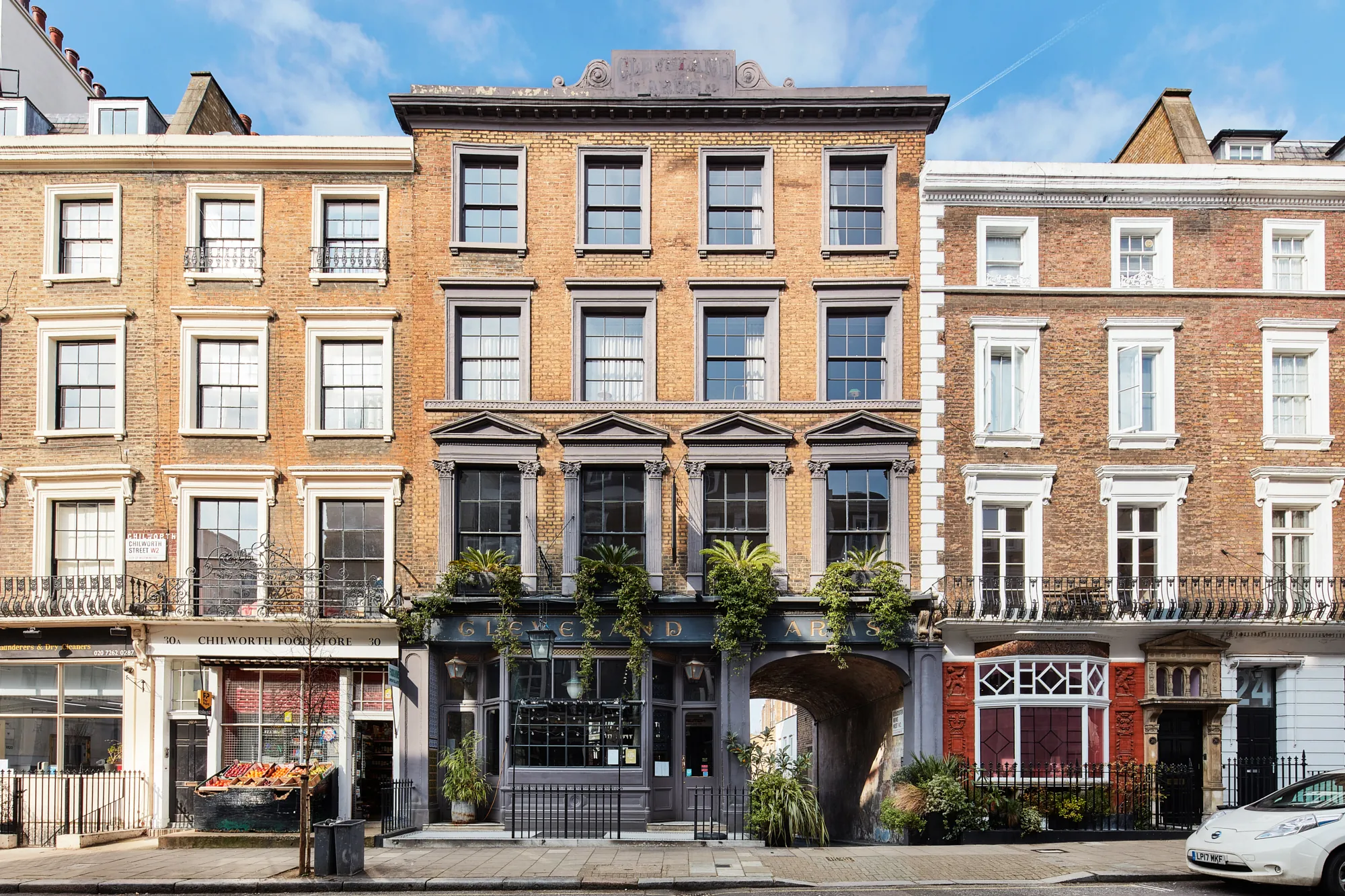
Why is my house not selling? Here is our local view. If your house is not selling, you're likely facing one or more of eight common, fixable problems: overpricing, poor presentation, weak marketing, wrong agent choice, timing issues, structural concerns, inflexible viewings, or restrictive terms. According to Rightmove, the average London home takes 16–24 weeks from listing to completion, yet properties that sit unsold beyond three months often share predictable patterns. This guide examines each reason in detail, with sourced data and practical remedies to unstick your property and attract serious buyers in 2026.
1. Your Asking Price Is Too High
Overpricing remains the single most common reason a property stays stuck on the market. Rightmove data shows that homes priced more than 5% above fair market value receive 40% fewer enquiries in the first fortnight, and the longer a listing lingers, the more buyers assume something is wrong. In a cooling or flat market, even a modest premium can deter viewings entirely.
Start by reviewing recent sales—not asking prices—of comparable homes within 400 metres and sold in the past six months. HM Land Registry and tools like our sold-prices tracker offer transparent completion data. If you've had fewer than three viewing requests per week for a month, consider a reduction of at least 3–5%. A swift, decisive cut signals confidence and can reignite interest; drip-feeding small reductions every few weeks often confirms buyers' suspicions that you're chasing the market down.
Remember that your estate agent's original valuation may have been optimistic to win your instruction—a practice the HomeOwners Alliance warns is widespread. Cross-check with at least two other local agents and be prepared to trust the data over aspiration.
2. First Impressions and Presentation Fall Short
Buyers form an opinion within seconds of seeing your listing photographs and again within moments of stepping through the door. Poor lighting, clutter, personal items, dated décor, or a neglected exterior all suppress perceived value. According to Which?, homes with professional photography and staging sell on average 15% faster and achieve asking price more frequently than those with amateur snapshots.
Before relisting or refreshing your campaign, declutter every room, repaint scuffed walls in neutral tones (soft greys, warm whites), fix minor defects—loose handles, dripping taps, cracked tiles—and deep-clean carpets and windows. Outside, tidy the front garden, power-wash paths, and ensure bins are out of sight. These changes cost a few hundred pounds but can shift a buyer's emotional response from indifference to interest.
If your agent has not already done so, insist on a reshoot with a professional photographer who understands natural light and wide-angle composition. Virtual staging or twilight shots can add drama to empty or poorly lit spaces.
3. Your Marketing Is Weak or Invisible
A property stuck on market often suffers from passive or outdated marketing. If your listing has been live on Rightmove and Zoopla for months without updates, the algorithm deprioritises it and buyers scroll past. Similarly, generic descriptions, poor-quality images, missing floorplans, or no virtual tour all reduce click-through and enquiry rates.
Ask your agent for weekly performance data: impressions, clicks, saves, and enquiries. If traffic is low, the listing needs refreshing—new photographs, rewritten copy highlighting unique features or recent improvements, updated floorplans, and a 360° virtual tour. Some founder-led agencies such as Seymont London work on a model that includes cinematic video, drone aerials, and targeted social-media campaigns as standard, rather than as paid extras.
Beyond portals, ensure your agent is pro-actively contacting their database, canvassing neighbours, and using Instagram, Facebook, and email campaigns. In central London, where international buyers dominate certain postcodes, multilingual marketing and overseas portal presence (e.g. Juwai, Properstar) can be critical.
Talk to Seymont
What's your home worth?
A considered view on price, timing and how to bring your London home to market — a personal reply within 24 hours.
Your property
Step 1 of 24. You've Chosen the Wrong Agent—or They've Lost Interest
Not all estate agents deliver the same service, and a mismatch between your property and the agent's expertise, motivation, or market focus can be fatal. High-street chains may lack specialist knowledge of your micro-market; sole agents without competing instructions may lack urgency; and agents who win business on inflated valuations often lose interest once you refuse a price drop.
Review your agency agreement: most are fixed-term (typically 8–16 weeks sole agency), but some include roll-over clauses that bind you indefinitely. If performance is poor—few viewings, no feedback loop, no marketing innovation—consider switching. TheAdvisory reports UK average estate agent fees in 2026 at approximately 1.42% including VAT, though London fees typically range from 1.5% to 2.5% plus VAT depending on service level and exclusivity.
Before appointing a replacement, interview at least three agents in person at the property. Ask for a written marketing plan, recent comparable sales they've achieved, average time on market, and references from sellers in your street or building. Check online reviews on Trustpilot and Google, and verify they hold Client Money Protection and belong to a redress scheme (Property Ombudsman, Property Redress Scheme).

5. Market Timing and External Factors
Even a well-priced, beautifully presented home can struggle if broader market conditions or seasonal patterns are working against you. ONS house-price indices show that activity typically slows in late November through January and during school summer holidays, while stamp-duty changes, interest-rate rises, or local planning news (e.g. a refused development, new transport links) can suddenly shift sentiment.
While you cannot control macroeconomics, you can control timing within the calendar. Spring (March–May) and autumn (September–October) historically see the highest buyer activity. If your property has sat unsold through a quiet period, consider a strategic re-launch with refreshed marketing when demand picks up, rather than letting the listing grow stale.
For those navigating stamp-duty calculations and affordability concerns, tools like our stamp-duty calculator help buyers model total acquisition cost and may reveal that a modest price adjustment tips your home into a more accessible bracket, widening your pool of qualified purchasers.
6. Structural, Legal, or Survey Issues
Buyers and their surveyors are increasingly cautious. If your property has known defects—damp, subsidence, flat-roof leaks, Japanese knotweed, non-standard construction, short lease (below 80 years), missing electrical certificates, or planning-permission irregularities—expect questions, down-valuations, or withdrawn offers unless you address them upfront.
Order your own pre-sale survey (RICS HomeBuyer Report or Building Survey, typically £400–£800) and, if issues emerge, obtain quotes for remedial work. Transparency builds trust: disclose problems in writing and either complete repairs before marketing or adjust your asking price to reflect the cost and hassle a buyer will inherit.
For leasehold flats, instruct your solicitor early to prepare the leasehold information pack, service-charge accounts, buildings insurance, and any planned major works notices. Delays here are a top cause of aborted sales. If the lease has fewer than 85 years remaining, budget for a lease extension or factor the cost into your pricing—buyers' mortgage lenders often refuse loans on sub-80-year leases.

7. Viewing Availability and Flexibility
If you restrict viewings to narrow windows—weekday evenings only, or by appointment with 48 hours' notice—you will miss buyers who work shifts, live abroad, or are comparing multiple properties in a single day. Rightmove research indicates that homes offering next-day or weekend viewings secure offers roughly 20% faster than those with rigid schedules.
Make your property as accessible as possible: provide your agent with keys or a key-safe code, allow accompanied and unaccompanied viewings (with appropriate safeguards), and be prepared to vacate at short notice. If you're still living in the property, keep it show-ready at all times—beds made, dishes cleared, lights on, heating at a comfortable temperature.
For tenanted investment properties, co-ordinate with your tenant early, offer compensation for inconvenience if necessary, and ensure the agent respects legal notice periods (typically 24 hours in writing). A tenant who feels respected is more likely to keep the property presentable and accommodate multiple viewings.
8. Chain Complications and Restrictive Terms
Buyers value certainty. If you're in a long or fragile chain, have not yet found your own onward purchase, or impose conditions—such as a far-future completion date, retention of fixtures the buyer expects, or insistence on a specific solicitor—you narrow your appeal, especially to first-time buyers and cash purchasers who can move quickly.
Where possible, de-risk your sale: find and agree your onward purchase before marketing, or consider a temporary rental to break the chain. If you're a landlord selling a tenanted buy-to-let, serve notice early (Section 21 requires two months; fixed-term expiry can take longer) or market to investors willing to complete with the tenant in situ, accepting a lower price in exchange for rental yield continuity.
Be transparent about your position in any chain and keep communication open with your agent, solicitor, and buyer. Weekly updates and proactive problem-solving—arranging bridging finance, agreeing flexible completion windows—demonstrate good faith and reduce the risk of last-minute collapse. For a full overview of the sales process and how to prepare, visit our sell guide.

Next Steps: Diagnose, Act, and Get Back on Track
If your house is not selling, isolate the cause—price, presentation, marketing, agent performance, timing, structural issues, access, or chain—then act decisively. Small, evidence-based changes often yield disproportionate results: a 5% price cut, a weekend of deep cleaning and decluttering, a new set of photographs, or a switch to a more proactive agent can transform a stale listing into a competitive opportunity.
Monitor performance weekly, request candid feedback from every viewing, and be prepared to iterate. The longer a property languishes, the harder it becomes to sell at full value; momentum matters. Use data, not emotion, to guide your decisions, and remember that the market rewards homes that look worth buying, are priced to sell, and are represented by agents who treat every instruction with urgency and professionalism.
Thinking about selling or letting in London? Book a free, no-obligation valuation with our team at seymont.co.uk/valuation and receive a transparent assessment, a tailored marketing plan, and honest advice on how to position your property for a successful sale in 2026.
Talk to Seymont
What's your home worth?
A considered view on price, timing and how to bring your London home to market — a personal reply within 24 hours.
Your property
Step 1 of 2About the author
Thomas LindqvistMortgage & Financing Specialist
Thomas advised buyers for a decade at Ashgrove Financial, an independent brokerage, on borrowing capacity, product selection and the full cost of a purchase, including stamp duty, legal fees and lender charges. He follows rate decisions and lender criteria changes and translates them into what a household can realistically afford. His guides cover affordability, remortgaging and the closing costs that buyers routinely underestimate.
CeMAP qualified · Whole-of-market mortgage advice background
- Mortgages
- Affordability
- Closing costs
- Remortgaging
Frequently asked
- How long should I wait before reducing my asking price?
- If you've received fewer than three viewing requests per week after four weeks on the market, or no offers after eight weeks with regular viewings, a price reduction of 3–5% is usually warranted. Rightmove data shows that early, decisive cuts attract more attention than small, repeated drops.
- What is the average time to sell a house in London in 2026?
- The average London sale takes approximately 16–24 weeks from listing to completion, though well-priced homes in high-demand areas can exchange in 8–12 weeks. Properties that remain unsold after three months typically require marketing or pricing adjustments.
- Can I change estate agents if my house is not selling?
- Yes, but check your contract. Most sole-agency agreements run 8–16 weeks; some include auto-renewal clauses. You may owe fees if you withdraw during the term or if the original agent introduces the eventual buyer. Always confirm notice periods and liability in writing before instructing a new agent.
- How much do estate agents charge in London?
- London estate agent fees typically range from 1.5% to 2.5% plus VAT, depending on service level, exclusivity, and property value. The UK average is around 1.42% including VAT according to Rightmove and TheAdvisory. Always compare at least three quotes and scrutinise what is included—photography, floorplans, portals, and marketing budget.
- Should I take my property off the market and relist it later?
- If your listing has been live for more than six months with little interest, withdrawing for 4–8 weeks, making improvements (price, presentation, photography), and relaunching can reset buyer perception. Stale listings become invisible; a fresh listing with a new narrative and competitive price attracts renewed attention and higher portal ranking.