Journal
Things to Do in St John's Wood
Written by Thomas Lindqvist · Mortgage & Financing Specialist
Published 24 October 2025 · Updated 30 October 2025 · 7 min read
The short answer
St John's Wood sits at the pinnacle of northwest London living, where tree-lined avenues meet world-renowned landmarks and village charm blends seamlessly with urban sophistication. For those exploring this elegant corner of the capital—whether as residents or prospective buyers—the wealth of things to do in St John's Wood reveals why this neighbourhood commands such enduring appeal.
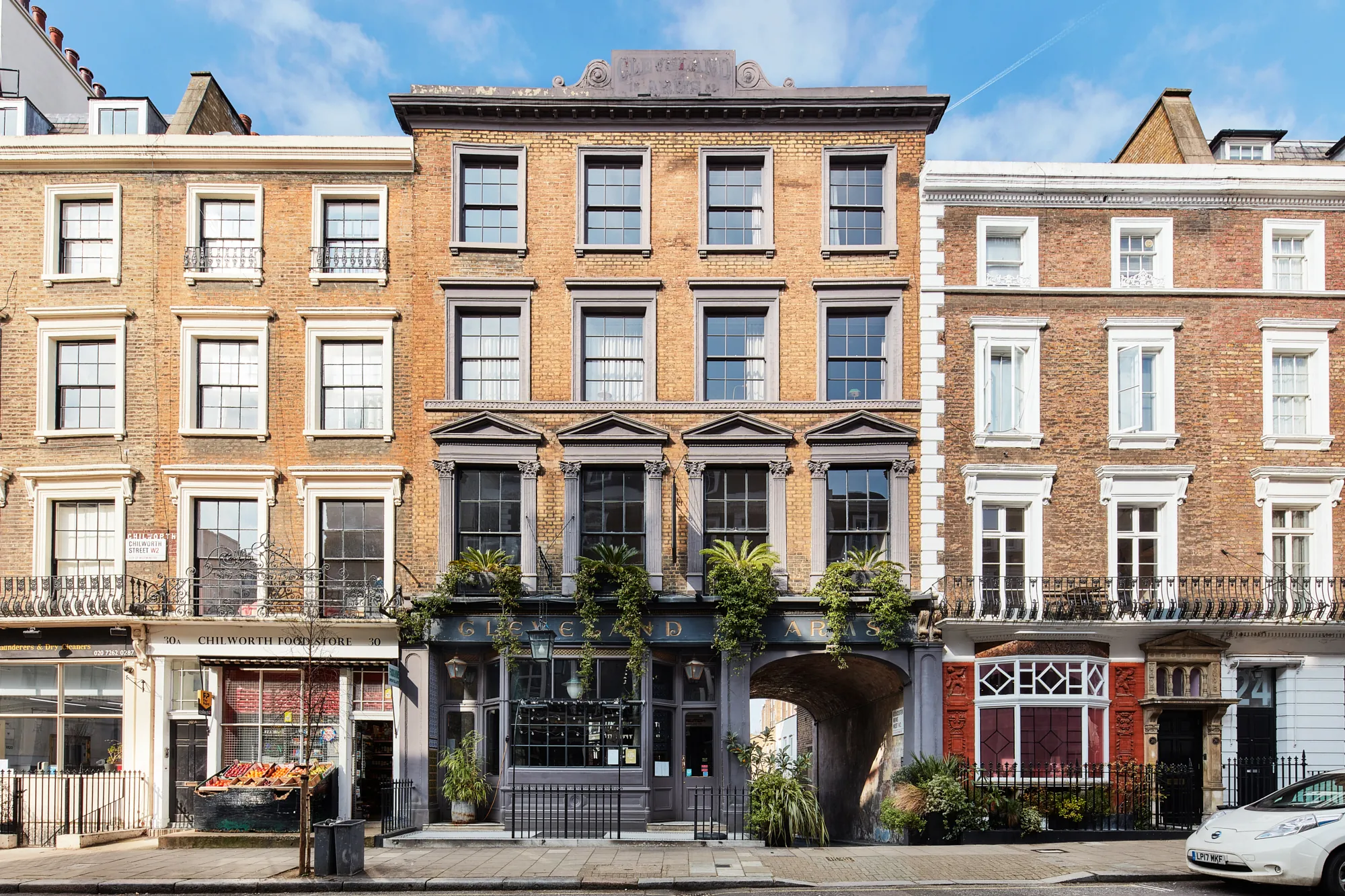
St John's Wood sits at the pinnacle of northwest London living, where tree-lined avenues meet world-renowned landmarks and village charm blends seamlessly with urban sophistication. For those exploring this elegant corner of the capital—whether as residents or prospective buyers—the wealth of things to do in St John's Wood reveals why this neighbourhood commands such enduring appeal. Our team at Seymont has spent years guiding clients through these distinctive streets, and we've witnessed first-hand how the area's cultural richness, green spaces and refined dining scene create an unmatched lifestyle proposition. This guide explores the St John's Wood attractions that define daily life here, from the hallowed turf of Lord's to the zebra crossing that changed music history.
Iconic Landmarks and Cultural Heritage
No exploration of what to do in St John's Wood would be complete without visiting Abbey Road Studios, the recording venue that cemented this postcode in global consciousness. The zebra crossing outside remains one of London's most photographed spots, where visitors from every continent recreate the Beatles' legendary album cover. Whilst the studios themselves operate as a working facility rather than a museum, the pilgrimage to this sacred site of popular music offers a tangible connection to cultural history that few London neighbourhoods can match.
Lord's Cricket Ground stands as another defining institution, serving as both the home of cricket and the headquarters of the Marylebone Cricket Club since 1814. Match days transform the neighbourhood into a hub of anticipation and tradition, with spectators in summer linens making their way through the Victorian villas towards the Grace Gates. The ground also houses a fascinating museum charting cricket's evolution, guided tours of the pavilion and Long Room, and the opportunity to see the original Ashes urn—making it essential viewing even for those with passing interest in the sport.
The area's architectural heritage deserves attention in its own right, with the elegant stucco-fronted villas and garden squares representing some of London's finest Regency and Victorian planning. Walking these streets offers lessons in how thoughtful urban design creates lasting value: the generous proportions, mature plane trees and human scale that characterise St John's Wood have proven timeless. According to HM Land Registry data, the median property price here stands at £700,000, with terraced houses commanding a median of £2,675,000—figures that reflect both the quality of the built environment and the lifestyle it affords.
Green Spaces and Outdoor Pursuits
Regent's Park forms the natural eastern boundary of St John's Wood, placing 395 acres of Royal parkland within immediate reach. The northern reaches nearest the neighbourhood tend to be quieter than the formal gardens around the boating lake, offering peaceful walking routes through mature woodland and open meadows. The park's sports facilities—including tennis courts, a cricket pitch and football areas—provide year-round activity, whilst the summer months bring open-air theatre at the famous Regent's Park Open Air Theatre, where performances unfold beneath the stars and London plane trees.
Quiet garden squares punctuate the neighbourhood itself, many maintained by resident associations and offering verdant sanctuaries hidden from casual view. These semi-private squares represent one of St John's Wood's most appealing features for families and those seeking respite from urban intensity. The careful preservation of these green lungs demonstrates the community's commitment to maintaining the village atmosphere that has always distinguished this area from denser central districts.
For those seeking more structured outdoor activity, the Regent's Canal towpath runs along the southern edge, providing direct walking and cycling routes eastward to Camden and westward towards Little Venice. This waterway corridor has become increasingly valued as Londoners rediscover the pleasure of car-free routes through the city, and the cafés and narrowboats that line certain stretches add character to regular exercise routines.
St John's Wood Weekend Guide: Dining and Shopping
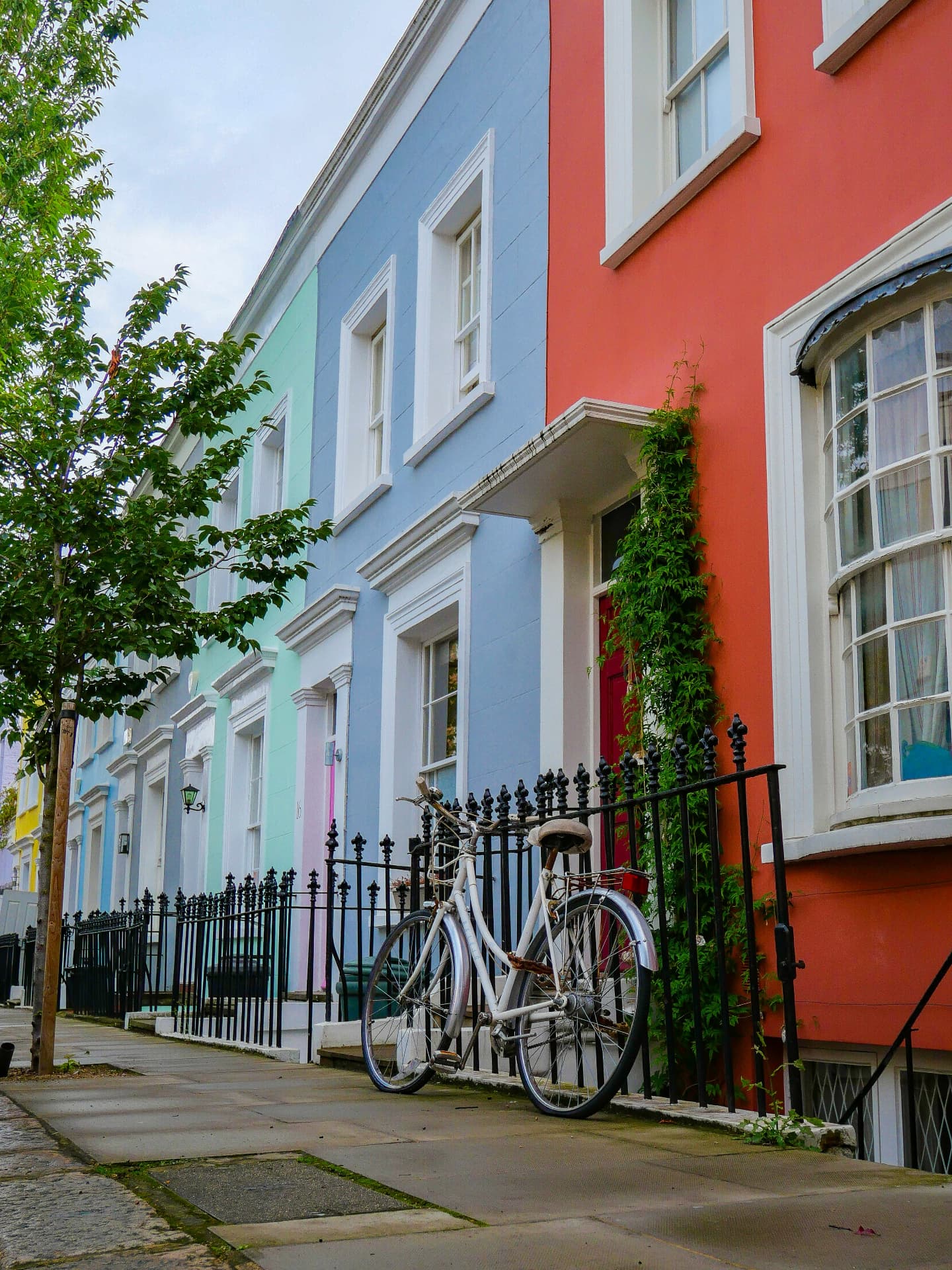
The high street along St John's Wood Road and the surrounding streets have cultivated a distinctly village-like retail character, eschewing chain dominance in favour of independent merchants, artisan food shops and boutique services. This creates a weekend shopping experience markedly different from Oxford Street or Westfield—more personal, unhurried and focused on quality over volume. The butchers, fishmongers and delicatessens here maintain standards that support serious home cooking, whilst the cafés provide natural gathering points for the local community.
Dining options span from neighbourhood trattorias perfect for family Sunday lunches to more refined establishments suited to special occasions. The culinary landscape reflects the area's international residential base, with well-executed Italian, French, Middle Eastern and Modern British cuisine represented. Many restaurants have cultivated loyal local followings over decades, creating the kind of familiarity where staff recognise regulars—a quality increasingly rare in transient London districts.
The farmers' market at Alfies Antique Market nearby offers weekend browsing through everything from vintage furniture to artisan produce, whilst the shops along Clifton Road and Allitsen Road provide everyday necessities with considerably more charm than typical urban convenience stores. This retail ecosystem supports a genuine neighbourhood lifestyle rather than requiring residents to venture elsewhere for quality shopping—a factor that weighs heavily when our team discusses St John's Wood's appeal with clients seeking <a href="/property-for-sale/st-johns-wood">property for sale in St John's Wood</a>.
Talk to Seymont
What's your home worth?
A considered view on price, timing and how to bring your London home to market — a personal reply within 24 hours.
Your property
Step 1 of 2Arts, Entertainment and Evening Activities
Beyond Abbey Road's musical heritage, St John's Wood maintains an active cultural scene through venues like the intimate Cockpit Theatre, which presents new writing and experimental productions in a unique theatre-in-the-round format. The nearby Puppet Theatre Barge—moored on the Regent's Canal at Little Venice—offers enchanting performances that delight children and adults alike, particularly during weekend matinees when families make up the majority of audiences.
Cinema enthusiasts benefit from proximity to both the independent Everyman in nearby Belsize Park and the larger multiplexes in Swiss Cottage and the O2 Centre, providing options for art-house and mainstream viewing within minutes. Evening entertainment tends toward the civilised rather than raucous, with wine bars and gastropubs offering convivial atmospheres without the aggressive late-night scenes found in Shoreditch or Soho.
The cultural calendar gains particular vibrancy during cricket season and throughout summer, when the combination of longer daylight hours, outdoor theatre, and Lord's fixtures creates an almost festival atmosphere on certain weekends. This seasonal rhythm—busy but never overwhelming—appeals particularly to those who've tired of central London's relentless intensity whilst still wanting access to world-class culture and entertainment.
Family Activities and Community Life
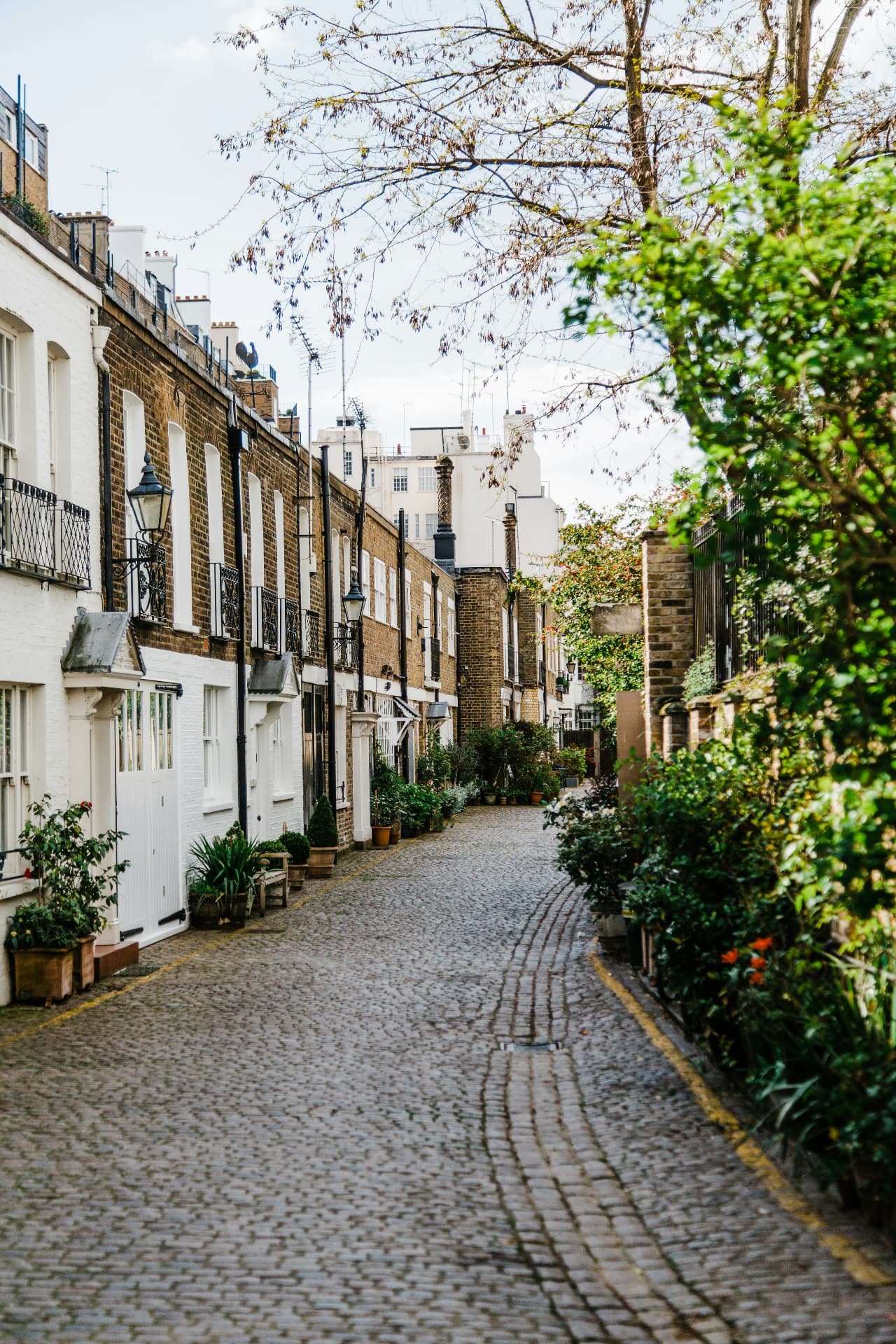
St John's Wood functions exceptionally well for families, with the area's various parks, playgrounds and child-friendly establishments creating an environment where raising children feels manageable rather than merely possible. Primrose Hill's summit offers spectacular London views and ample space for kite-flying and picnics, whilst the sports facilities in Regent's Park accommodate everything from children's football to tennis lessons.
The neighbourhood's schools contribute significantly to its family appeal, with several outstanding state and independent options within walking distance. This educational infrastructure creates a community of families at similar life stages, fostering natural social networks through school gates, weekend sports fixtures and shared parks. According to ONS data, rental properties reflect this family orientation, with three-bedroom homes ranging from £2,550 to £4,000 monthly and larger family houses commanding £3,400 to £6,975—positioning the area as accessible for professional families whilst maintaining exclusivity through quality rather than purely through price.
Community initiatives and residents' associations maintain active calendars throughout the year, from street parties celebrating the Platinum Jubilee to autumn fairs and carol singing in December. These events foster the village atmosphere that residents consistently cite as St John's Wood's defining characteristic—a quality our team emphasises when discussing the lifestyle benefits with those exploring <a href="/estate-agents/st-johns-wood">estate agents in St John's Wood</a>.
Practical Considerations for Residents and Visitors
Transport connections position St John's Wood brilliantly for both central London access and outward journeys. The Jubilee line station provides direct routes to Canary Wharf, the West End and beyond, whilst multiple bus routes serve the high street. For drivers, proximity to the A41 and A40 facilitates airport runs and journeys beyond the M25, though many residents find car ownership optional given the neighbourhood's walkability and transport links.
The property market here reflects the area's enduring appeal, with HM Land Registry data showing 104 sales in the most recent period at a median price of £700,000. Flats comprised the majority at 82 transactions with a median of £488,250, whilst detached houses—admittedly rare in this established Victorian neighbourhood—achieved a median of £12,675,000. These figures underscore both the accessibility of flat ownership and the substantial premiums commanded by the area's finest houses, information we regularly discuss when reviewing <a href="/house-prices/st-johns-wood">house prices in St John's Wood</a> with prospective buyers.
For those considering investment in the area, the combination of blue-chip location, excellent transport, outstanding schools and genuine neighbourhood character creates compelling fundamentals. The rental market remains robust across all property types, from studios at £1,075-£1,650 monthly to five-bedroom houses at £4,475-£6,975, providing options for landlords at various price points. Those interested in <a href="/let-your-property/st-johns-wood">letting your property in St John's Wood</a> benefit from consistent demand driven by international relocations, families seeking school catchments and professionals desiring civilised proximity to central London.
Talk to Seymont
What's your home worth?
A considered view on price, timing and how to bring your London home to market — a personal reply within 24 hours.
Your property
Step 1 of 2About the author
Thomas LindqvistMortgage & Financing Specialist
Thomas advised buyers for a decade at Ashgrove Financial, an independent brokerage, on borrowing capacity, product selection and the full cost of a purchase, including stamp duty, legal fees and lender charges. He follows rate decisions and lender criteria changes and translates them into what a household can realistically afford. His guides cover affordability, remortgaging and the closing costs that buyers routinely underestimate.
CeMAP qualified · Whole-of-market mortgage advice background
- Mortgages
- Affordability
- Closing costs
- Remortgaging
Frequently asked
- Is St John's Wood a good area to live in London?
- St John's Wood consistently ranks among London's most desirable residential areas, combining village atmosphere with excellent transport links, outstanding schools, and proximity to central London. The tree-lined streets, garden squares and low-rise architecture create a peaceful environment rare in zone 2, whilst cultural landmarks like Lord's and Abbey Road add distinction. Property values reflect this enduring appeal, with strong demand across both sales and rental markets.
- What is St John's Wood famous for?
- St John's Wood is internationally famous for Abbey Road Studios and the zebra crossing featured on the Beatles' 1969 album cover. The area is equally renowned as home to Lord's Cricket Ground, the sport's spiritual headquarters since 1814. Beyond these landmarks, the neighbourhood is known for its elegant Regency and Victorian villas, tree-lined streets and status as one of London's most exclusive residential enclaves.
- How expensive is it to live in St John's Wood?
- According to HM Land Registry data, the median property price in St John's Wood is £700,000, with flats at a median of £488,250 and terraced houses at £2,675,000. ONS rental data shows studios from £1,075-£1,650 monthly, one-bedroom flats £1,400-£2,200, two-bedroom properties £1,925-£3,000, and three-bedroom homes £2,550-£4,000. Whilst premium-priced, the area offers options across price points depending on property type and size.
- What is there to do near Abbey Road in St John's Wood?
- Beyond visiting the famous zebra crossing at Abbey Road, the surrounding area offers Lord's Cricket Ground tours and matches, Regent's Park for walks and outdoor theatre, independent shops and restaurants along St John's Wood High Street, and the Regent's Canal towpath for walking or cycling. Primrose Hill is within easy reach for panoramic London views, whilst the boutique shopping and dining scene provides excellent weekend entertainment.
- Is St John's Wood well connected for transport?
- St John's Wood benefits from excellent transport connections, with its Jubilee line station providing direct access to Bond Street, Westminster, Canary Wharf and Stratford in under 30 minutes. Multiple bus routes serve the high street, connecting to Camden, Oxford Circus, Marble Arch and beyond. The area's proximity to the A41 and A40 facilitates driving to Heathrow and beyond the M25, though many residents find the combination of Underground and walkability makes car ownership optional.