Journal
Things to Do in Shoreditch
Written by Nina Castellano · Investment Property Advisor
Published 17 May 2026 · Updated 29 June 2026 · 8 min read
The short answer
Shoreditch has evolved from its industrial roots into one of London's most dynamic cultural quarters, where Victorian warehouses now house contemporary galleries, independent boutiques and some of the capital's most inventive dining establishments. When exploring things to do in Shoreditch, you'll discover a neighbourhood that refuses to stand still—street art transforms overnight, pop-ups reimagine retail, and the creative energy that first drew artists here in the 1990s continues to shape every cobbled street and converted warehouse.
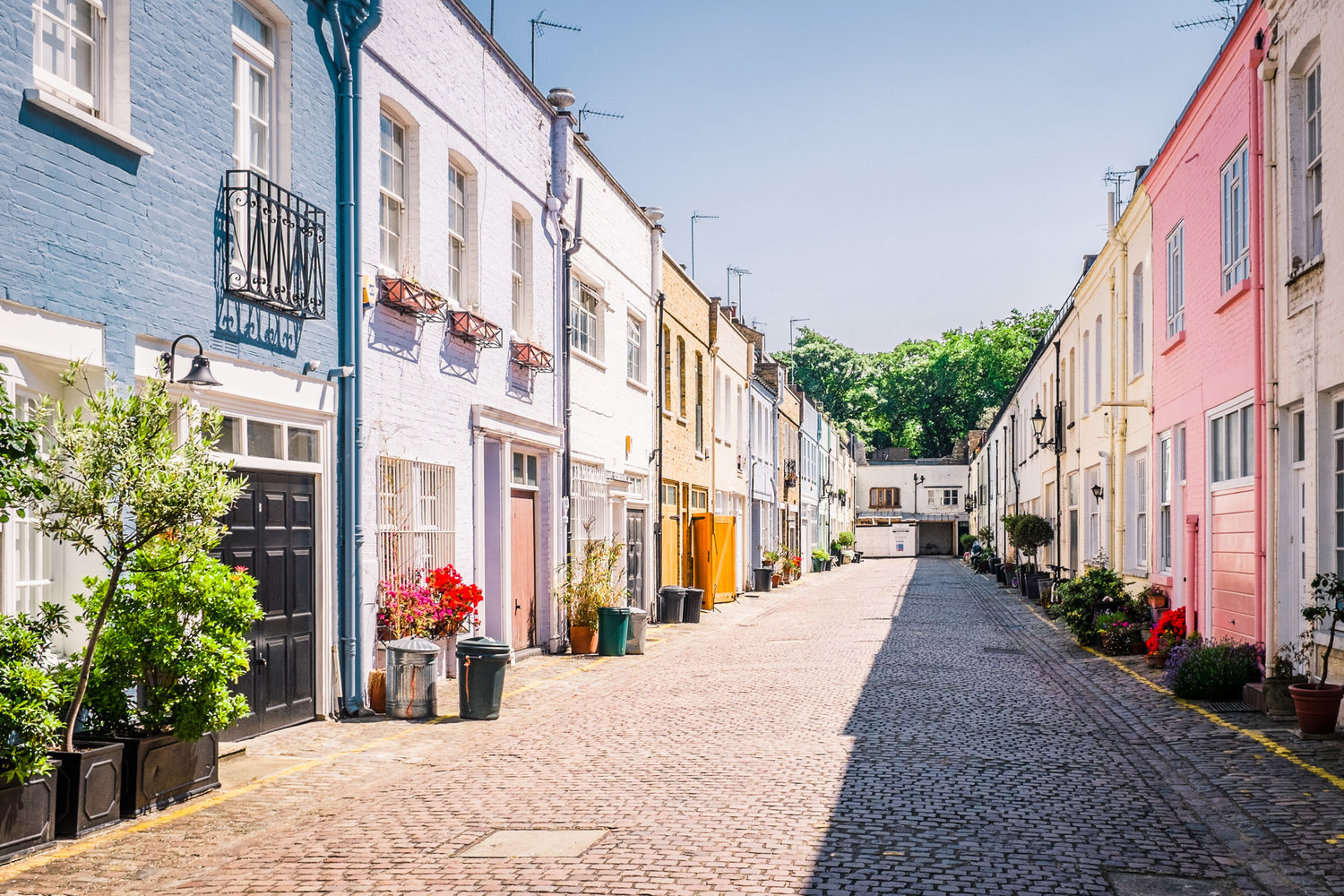
Shoreditch has evolved from its industrial roots into one of London's most dynamic cultural quarters, where Victorian warehouses now house contemporary galleries, independent boutiques and some of the capital's most inventive dining establishments. When exploring things to do in Shoreditch, you'll discover a neighbourhood that refuses to stand still—street art transforms overnight, pop-ups reimagine retail, and the creative energy that first drew artists here in the 1990s continues to shape every cobbled street and converted warehouse. Our team has spent considerable time in this corner of East London, and we've observed how Shoreditch has retained its edge whilst maturing into a genuinely liveable neighbourhood that attracts discerning residents and visitors alike.
Art, Culture and Shoreditch Attractions
The artistic heartbeat of Shoreditch pulses through its streets, galleries and performance spaces. Shoreditch Town Hall, the Grade II-listed former civic building on Old Street, now operates as a thriving arts venue hosting everything from experimental theatre to immersive exhibitions. The building's Assembly Hall and Council Chamber have been reimagined as flexible creative spaces whilst retaining their Victorian grandeur, offering a fascinating juxtaposition of heritage architecture and contemporary programming.
Rich Mix on Bethnal Green Road serves as the neighbourhood's cultural anchor, presenting independent cinema, live music, spoken word and visual arts under one roof. This multidisciplinary venue champions diverse voices and emerging talent, reflecting Shoreditch's commitment to accessible, progressive culture. Meanwhile, the Geffrye Museum—now the Museum of the Home—sits just beyond Shoreditch's northern boundary on Kingsland Road, offering meticulously curated period rooms that trace domestic life from 1600 to the present day, all set within beautiful almshouse buildings and walled gardens.
Shoreditch's street art scene remains world-renowned, with Brick Lane and the surrounding streets functioning as an ever-changing outdoor gallery. Works by Banksy, Stik, ROA and countless other artists have appeared on these walls, though the ephemeral nature of street art means each visit reveals something new. We recommend exploring the backstreets between Shoreditch High Street and Brick Lane on foot, where you'll encounter large-scale murals, intricate stencil work and thought-provoking installations that respond to contemporary social issues.
For those seeking curated gallery experiences, the neighbourhood offers numerous independent spaces. The Whitecross Street area, whilst technically bordering the City, houses several contemporary galleries within easy walking distance, whilst the converted warehouses along Rivington Street and Curtain Road regularly host exhibitions, artist studios and design showrooms open to the public during scheduled events.
Restaurants in Shoreditch: A Culinary Destination
The dining scene here has matured considerably, moving beyond the pop-up phenomenon that first defined Shoreditch's gastronomic identity. Today, restaurants in Shoreditch span every conceivable cuisine and price point, from neighbourhood bistros to Michelin-recognised establishments. Dishoom on Boundary Street has become something of an institution, serving Bombay-inspired cuisine in a lovingly detailed space that recreates the atmosphere of an Irani café—expect queues at weekends, but the breakfast menu justifies the wait.
Shoreditch restaurants cluster particularly densely along Redchurch Street, Old Street and around Shoreditch High Street station. Lyle's on Tea Building offers a daily-changing menu showcasing British produce with minimal intervention, earning critical acclaim for its precisely executed, ingredient-focused cooking. The Marksman on Hackney Road occupies a beautifully restored Victorian pub, pairing elevated British cooking with an exceptional wine list in surroundings that feel both neighbourhood local and destination dining room.
For more casual dining, Beigel Bake on Brick Lane operates 24 hours, serving salt beef bagels that have achieved near-mythical status amongst locals and visitors alike. Pizza East in the Tea Building helped establish Shoreditch's reputation for industrial-chic dining spaces, whilst Som Saa on Commercial Street brings authentic Thai regional cooking to a bright, buzzing room that embodies the area's relaxed but quality-focused approach to hospitality.
The restaurant scene in Shoreditch continues to evolve, with recent openings favouring sustainability, provenance and smaller-scale operations over the mega-venues that characterised the area's earlier dining boom. We've noticed an increasing number of chef-owned establishments where creative control and ingredient relationships take precedence, reflecting a maturing food culture that values substance alongside the neighbourhood's undeniable style.
What to Do in Shoreditch After Dark
As evening descends, Shoreditch transforms into one of London's premier nightlife destinations, though the character has shifted from the hedonistic club scene of the early 2000s towards a more varied evening economy. The neighbourhood's historic pubs provide characterful starting points—The Ten Bells on Commercial Street retains its Victorian tilework and historical associations, whilst The Old Blue Last on Great Eastern Street combines traditional pub atmosphere with a upstairs music venue that has hosted early performances by numerous now-famous acts.
Shoreditch House, the members' club occupying the upper floors of the Tea Building, epitomises the area's blend of industrial heritage and contemporary luxury, complete with rooftop pool overlooking the East London skyline. For those without membership, numerous rooftop bars offer elevated perspectives on the neighbourhood, particularly during summer months when outdoor terraces come into their own.
The live music and club scene remains robust, with Village Underground on Holywell Lane standing out for its distinctive venue—part of which incorporates decommissioned Tube carriages mounted on the roof. Cargo on Rivington Street continues to draw crowds with its arched brick spaces and varied programming spanning live bands, DJs and cultural events. Comedy Store on Rivington Street brings established and emerging comedians to intimate basement surroundings, whilst Shoreditch Town Hall's events programme extends into evening performances.
Cocktail bars have proliferated throughout the neighbourhood, with establishments ranging from speakeasy-style hidden bars to street-level operations where mixology meets craft and creativity. Callooh Callay, Happiness Forgets and Nightjar have all garnered industry recognition for their inventive drinks programmes, served in atmospheric surroundings that reward discovery.
Talk to Seymont
What's your home worth?
A considered view on price, timing and how to bring your London home to market — a personal reply within 24 hours.
Your property
Step 1 of 2Shopping, Markets and Independent Retail
Shoreditch's retail landscape favours independence over chain stores, with Redchurch Street functioning as the neighbourhood's premium shopping thoroughfare. Here you'll find carefully edited fashion boutiques, homeware specialists and design-focused concept stores occupying characterful shopfronts. Labour and Wait sells timeless, functional household goods in a pared-back space that celebrates quality and longevity, whilst Unto This Last manufactures furniture on-site using CNC technology, allowing customers to customise pieces that are made to order.
Boxpark Shoreditch, constructed from shipping containers on Bethnal Green Road, pioneered the container mall concept and houses rotating independent brands, streetwear labels and emerging designers alongside food vendors. Whilst Boxpark represents the more commercial face of Shoreditch retail, it nonetheless maintains the neighbourhood's commitment to showcasing newer names rather than established high street chains.
Brick Lane Market operates Sundays, when the street closes to traffic and stalls selling vintage clothing, antiques, art, records and street food create a bustling atmosphere that draws thousands of visitors. The market extends into the covered spaces of the Old Truman Brewery, where additional vendors and vintage clothing stores operate throughout the week. Columbia Road Flower Market, a short walk north into Bethnal Green, offers a spectacular Sunday morning experience where specialist nurseries and florists sell seasonal plants and cut flowers along a Victorian street lined with independent cafés and shops.
For books, Libreria on Hanbury Street takes an unconventional approach to bookselling, arranging titles thematically rather than by author or genre, encouraging discovery and unexpected connections. Magma on Clerkenwell Road stocks an exceptional range of design, illustration and visual culture books alongside stationery and gifts, serving the neighbourhood's creative community.
Green Spaces and Daytime Activities
Whilst Shoreditch isn't defined by its green spaces, the neighbourhood offers several worthwhile outdoor areas within easy reach. Shoreditch Park on New North Road provides a welcome expanse of grass, mature trees and a pond, functioning as a genuine neighbourhood park where locals exercise dogs, jog and gather rather than a destination in itself. The park's understated charm and community atmosphere offer respite from the busier commercial streets.
Boxer Street Gardens and Shoreditch Garden represent smaller pocket parks that demonstrate the area's commitment to creating breathing space within dense urban fabric. These modest but well-maintained green spaces host occasional community events and provide pleasant spots for outdoor lunch breaks or quiet moments between activities.
For more substantial parkland, Victoria Park lies approximately 20 minutes' walk northeast, offering 213 acres of lakes, sports facilities, cafés and seasonal events including outdoor cinema and festivals. Regent's Canal provides a traffic-free walking and cycling route connecting Shoreditch to King's Cross, Camden and further west, with the towpath offering an entirely different perspective on East London as it passes through former industrial areas now undergoing transformation.
The neighbourhood also supports an active fitness culture, with numerous yoga studios, climbing walls and boutique gyms catering to health-conscious residents. Third Space Shoreditch on Worship Street occupies a vast converted warehouse, whilst smaller independent studios offer everything from Pilates to boxing in characterful spaces that reflect the area's industrial heritage.
Your Shoreditch Weekend Guide: Living Here
Understanding what to do in Shoreditch as a visitor naturally leads to considering what life here offers residents on a permanent basis. The neighbourhood's appeal extends beyond its cultural offerings to encompass convenience, connectivity and community. Shoreditch High Street station provides Overground services, whilst Old Street underground station connects to the Northern line, placing the West End within 15 minutes and the City within walking distance. Liverpool Street station, accessible via a brief walk or bus journey, offers Elizabeth line, mainline and additional Underground connections.
The residential property market in Shoreditch reflects its desirability and central location, with converted warehouse apartments, purpose-built developments and period conversions attracting professionals, creatives and downsizers seeking an urban lifestyle. Our <a href="/estate-agents/shoreditch">Shoreditch estate agents</a> work with buyers and tenants drawn to the neighbourhood's combination of cultural richness, dining options and transport links, whilst our <a href="/property-for-sale/shoreditch">property for sale in Shoreditch</a> typically comprises contemporary apartments in converted or new-build schemes.
Whilst we cannot share specific recent pricing data due to limited transaction volumes in our dataset, the broader East London market demonstrates sustained demand, with Shoreditch commanding premium pricing relative to surrounding areas. Those interested in detailed market analysis can explore our <a href="/house-prices/shoreditch">Shoreditch house prices</a> page, which contextualises local trends within the wider London market.
For property owners considering the rental market, Shoreditch attracts professional tenants seeking short commutes and lifestyle amenities, with strong demand for quality accommodation across studio, one and two-bedroom categories. Our <a href="/let-your-property/shoreditch">property letting service in Shoreditch</a> helps landlords navigate this competitive market, matching properties with suitable tenants whilst ensuring compliance and maximising returns. The neighbourhood's enduring appeal suggests continued rental demand as London's employment patterns evolve and quality of life considerations influence residential choices.
Talk to Seymont
What's your home worth?
A considered view on price, timing and how to bring your London home to market — a personal reply within 24 hours.
Your property
Step 1 of 2About the author
Nina CastellanoInvestment Property Advisor
Nina advises landlords and investors on rental yields, tenant demand and portfolio structure across Greater London, after running lettings and management at Bellhouse Property Partners. She has overseen single units and multi-property portfolios, and works through compliance, void periods and running costs before a purchase is agreed. Her articles deal with the numbers behind a buy-to-let rather than the headline gross yield.
Lettings and portfolio management · 9 years in London rentals
- Buy-to-let
- Rental yields
- Portfolio strategy
- Landlord compliance
Frequently asked
- What is Shoreditch best known for?
- Shoreditch is internationally recognised for its street art, creative industries and vibrant cultural scene. The neighbourhood pioneered East London's transformation from post-industrial area to creative quarter, attracting artists, designers and independent businesses from the 1990s onwards. Today it's equally known for its restaurants, nightlife, independent retail and the distinctive character created by converting Victorian warehouses into contemporary spaces for living, working and socialising.
- Is Shoreditch good for families?
- Shoreditch functions primarily as an urban neighbourhood appealing to professionals, couples and creative industries, with limited family-specific amenities compared to more residential areas. However, families do live here, attracted by the cultural offerings, transport links and proximity to the City. Shoreditch Park provides outdoor space, and the area's independent spirit extends to several good cafés and restaurants welcoming children. Schools are available in surrounding areas, though families typically weigh Shoreditch's urban intensity against more explicitly family-focused neighbourhoods.
- How do you get to Shoreditch?
- Shoreditch benefits from excellent transport connectivity. Shoreditch High Street station on the London Overground provides services to Dalston, Highbury & Islington, West Croydon and beyond. Old Street underground station on the Northern line sits at the neighbourhood's western edge, connecting to King's Cross, the West End and South London. Liverpool Street station, approximately ten minutes' walk south, offers Elizabeth line, mainline services and additional Underground connections. Numerous bus routes serve the area, and the central location makes cycling practical for many journeys.
- What's the difference between Shoreditch and Hoxton?
- Shoreditch and Hoxton are neighbouring areas in East London that blend together, with Hoxton typically referring to the area north of Old Street and west of Kingsland Road, whilst Shoreditch extends further south and east. Historically distinct, they've merged culturally and are often referenced interchangeably, sharing similar characteristics around creative industries, nightlife and independent businesses. Hoxton tends towards slightly more residential streets, whilst Shoreditch's core around Shoreditch High Street and Brick Lane carries higher footfall and more commercial activity, though both form part of the same broader creative quarter.
- Is Shoreditch expensive to live in?
- Shoreditch commands premium property prices and rents relative to outer London areas, reflecting its Zone 1 location, cultural amenities and transport connectivity. Costs align with other central London neighbourhoods popular with professionals, though specific pricing varies considerably by property type, size and condition. Converted warehouse apartments and new developments typically sit at the higher end, whilst smaller studios and properties on quieter streets may offer relatively better value. The neighbourhood's ongoing desirability sustains price levels, making it an investment in urban lifestyle and convenience rather than a budget option.