Journal
The Best Areas to Live in Shoreditch
Written by Julian Reyes · Licensed Real Estate Agent
Published 7 June 2026 · Updated 20 July 2026 · 6 min read
The short answer
Shoreditch has transformed from its industrial past into one of London's most dynamic postcodes, where Victorian warehouses sit alongside cutting-edge architecture and independent coffee roasters share streets with Michelin-worthy establishments. For those wondering where to live in Shoreditch, the choice extends far beyond postcodes—it's about finding the precise corner of E1 or E2 that matches your lifestyle.
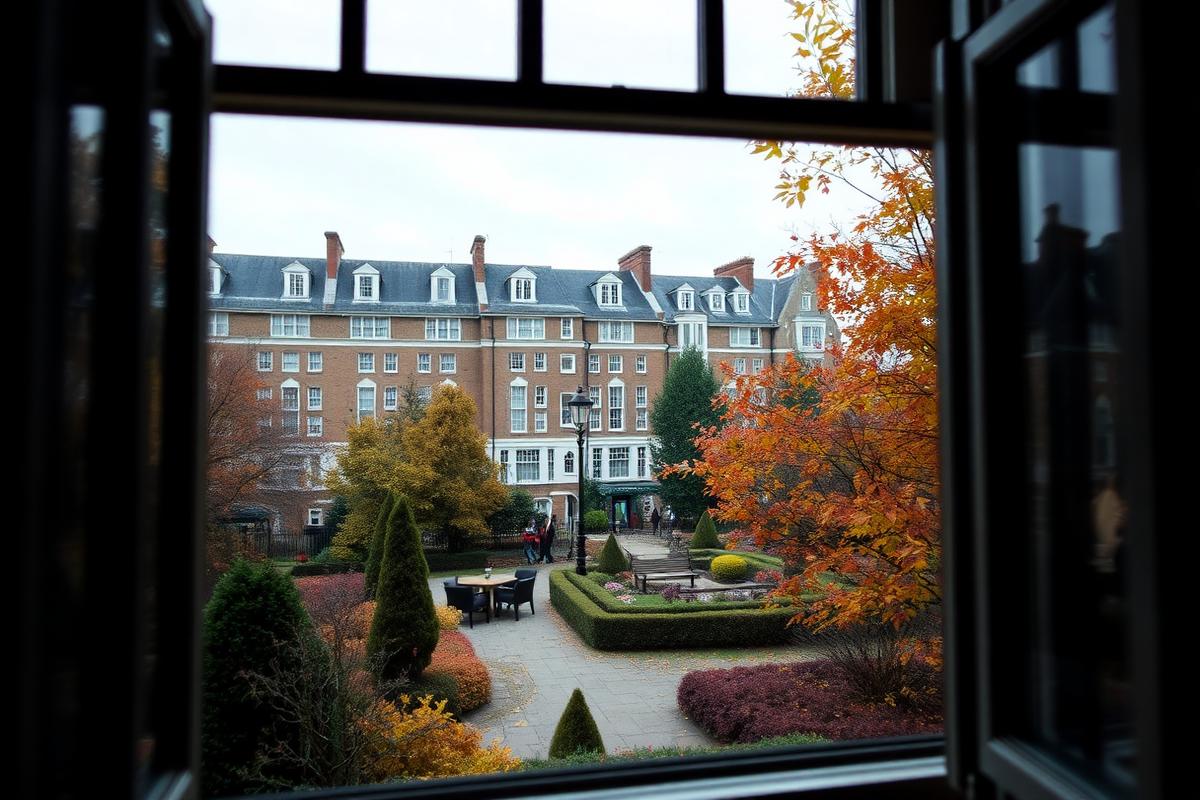
Shoreditch has transformed from its industrial past into one of London's most dynamic postcodes, where Victorian warehouses sit alongside cutting-edge architecture and independent coffee roasters share streets with Michelin-worthy establishments. For those wondering where to live in Shoreditch, the choice extends far beyond postcodes—it's about finding the precise corner of E1 or E2 that matches your lifestyle. Our team has worked extensively across this ever-evolving patch of East London, and we've witnessed firsthand how dramatically the character can shift from one street to the next. Understanding the best areas to live in Shoreditch means looking beyond the headlines to the granular details that make each neighbourhood distinctive.
Boundary Street and the Arnold Circus Quarter
The streets radiating from Arnold Circus represent some of Shoreditch's most architecturally significant territory. This late-Victorian estate, with its distinctive Arts and Crafts design, creates a village-like enclave that feels markedly different from the warehouses and new-builds dominating other Shoreditch neighbourhoods. The bandstand at the circus's centre anchors a community that values its heritage whilst embracing the area's contemporary culture.
Calvert Avenue and Rochelle Street frame this quarter beautifully, offering period properties with high ceilings and original features that appeal to those seeking character without compromising on location. The proximity to both Old Street and Liverpool Street stations makes this one of the Shoreditch best streets for professionals requiring excellent connectivity, whilst the Sunday markets at Boundary Estate and the independent shops along Redchurch Street provide weekend texture.
We've noticed particular demand for properties around this area from buyers and renters who appreciate the neighbourhood's cohesive architectural language. The streets here have a rhythm and scale that's increasingly rare in central London, with tree-lined thoroughfares and the elevated position of the circus itself creating a sense of remove from the bustle below.
Redchurch Street and the Creative Core
Redchurch Street has become synonymous with Shoreditch's creative renaissance, forming the area's commercial and cultural spine. When considering where to live in Shoreditch, the streets immediately surrounding Redchurch—particularly Club Row, Ezra Street, and Chance Street—offer enviable access to the district's finest independent restaurants in Shoreditch, from intimate wine bars to critically acclaimed dining rooms that have put the postcode on the capital's culinary map.
The residential stock here comprises primarily converted warehouse spaces and purpose-built loft apartments, many featuring the exposed brick, steel beams, and generous ceiling heights that have become hallmarks of desirable Shoreditch living. These industrial conversions attract a particular demographic: creative professionals, design-conscious downsizers, and international buyers seeking an authentic East London experience.
Our team has observed that Shoreditch apartments in this micro-area command premiums for their authenticity and walkability. Residents can access everything from specialist coffee roasters to Michelin-listed establishments without leaving a five-minute radius. The density of independent retail and the absence of major chains give these streets a distinctly local character that many find compelling.
The proximity to Shoreditch High Street station—offering direct Overground services across London—further enhances the appeal. We regularly advise clients that this area represents the epitome of the Shoreditch lifestyle: industrial aesthetics, culinary excellence, and transport links converging in a compact, highly walkable neighbourhood.
Hoxton Square and the Northern Reaches
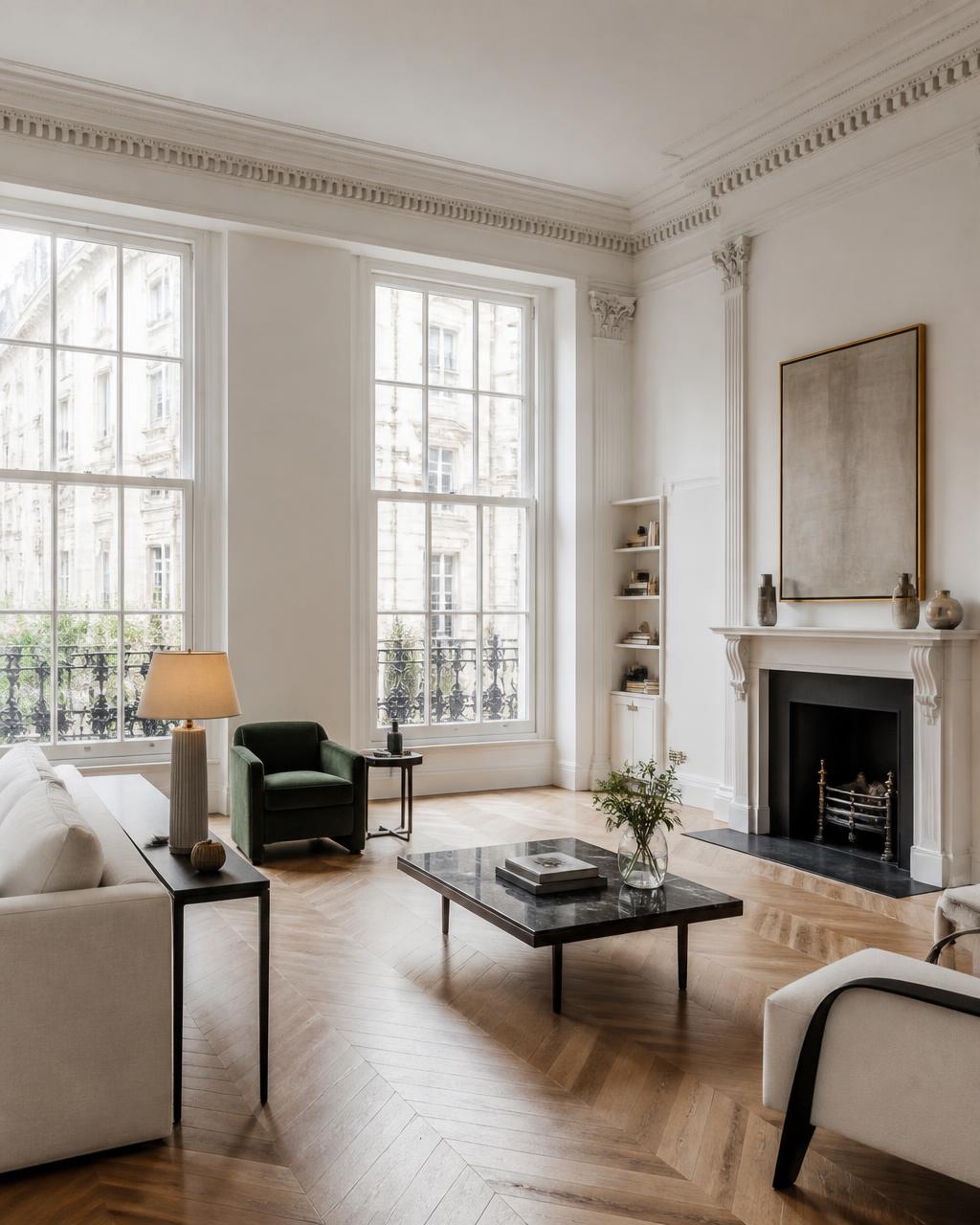
Hoxton Square itself remains one of London's most recognisable addresses, though the surrounding streets—particularly Coronet Street, Hoxton Street, and the Georgian terraces along New North Road—offer diverse housing stock often overlooked by those fixating solely on the square. This northern section of the Shoreditch catchment area provides a slightly different proposition: more residential, marginally quieter, yet still firmly embedded in the cultural fabric.
The housing here ranges from period terraces requiring sympathetic renovation to contemporary apartment blocks that have appeared over the past decade. We've found that buyers and tenants seeking flats to rent in Shoreditch often discover better value in these northern pockets, where you're trading the immediate buzz of Redchurch Street for more residential calm whilst remaining within easy walking distance of everything that defines the area.
Hoxton's appeal lies partly in its layered history—the street market, the longstanding community institutions, and the creative venues that predate Shoreditch's mainstream popularity. The restaurants in Shoreditch London clustered around Hoxton Square and along Kingsland Road offer remarkable variety, from Vietnamese to Turkish to modern British, reflecting the area's multicultural makeup.
Talk to Seymont
What's your home worth?
A considered view on price, timing and how to bring your London home to market — a personal reply within 24 hours.
Your property
Step 1 of 2Columbia Road and the Eastern Edge
The streets surrounding Columbia Road Flower Market represent Shoreditch at its most village-like. Though technically straddling the border with Bethnal Green, this eastern section offers some of the most charming residential streets in the wider Shoreditch area. Ezra Street, Ravenscroft Street, and the beautifully preserved terraces along Columbia Road itself provide period properties with gardens—a relative rarity in central Shoreditch.
Sunday mornings define the rhythm of life here, when Columbia Road transforms into London's most beloved flower market. The surrounding independent shops, galleries, and cafés create a weekend destination, yet the streets retain a peaceful, neighbourhood quality during the week. We've noticed families and couples particularly drawn to this pocket, valuing the community atmosphere and the slightly slower pace.
Properties here tend to be Victorian terraced houses, many lovingly restored, alongside some conversion flats. Those searching for houses to rent or purchase in the Shoreditch area often find this eastern edge offers the best balance of character, space, and community. The proximity to Victoria Park provides additional green space that's particularly valued by those with children or dogs.
Transport, Amenities and Practical Considerations
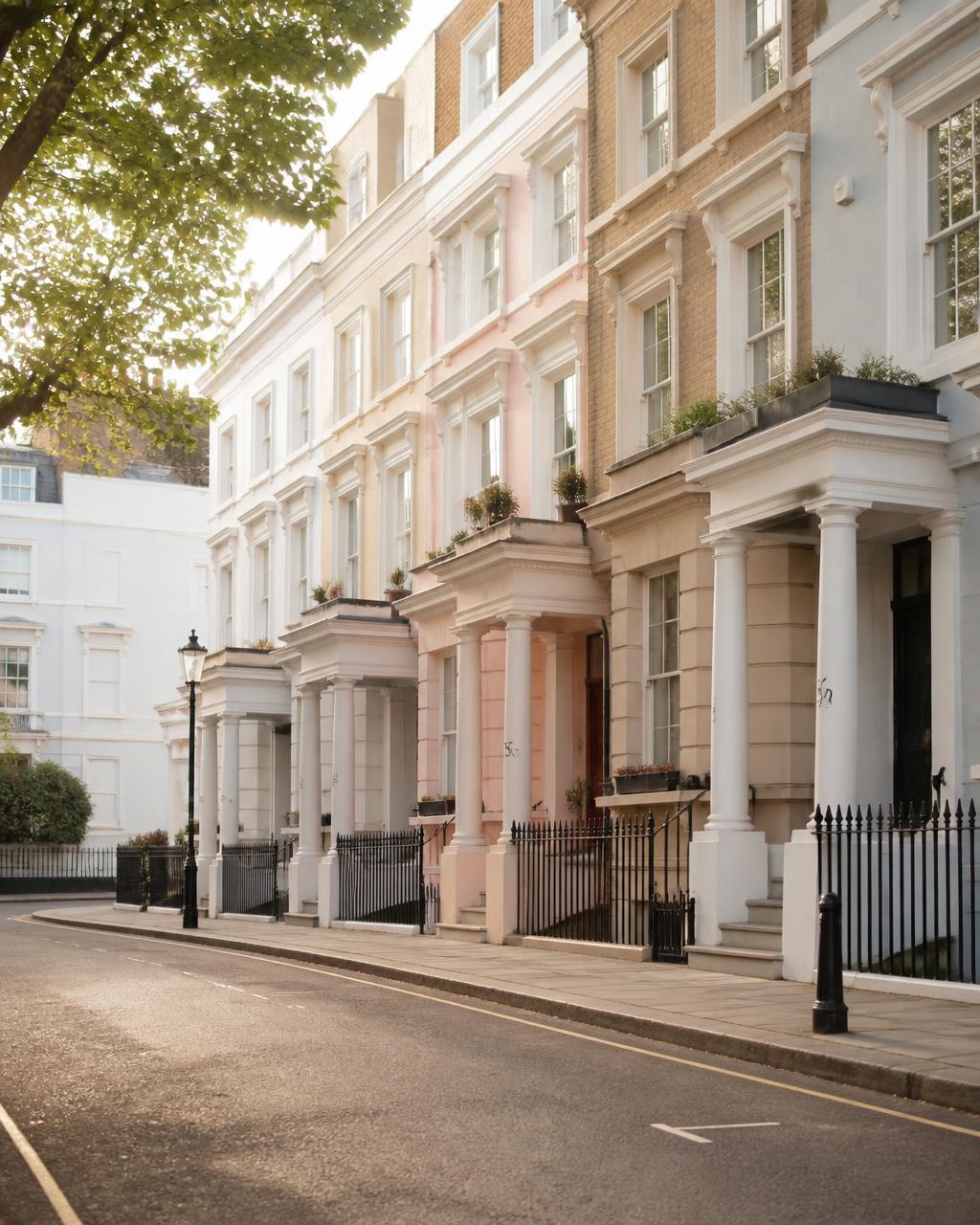
Understanding the best areas to live in Shoreditch requires acknowledging the practicalities that underpin daily life. The district benefits from exceptional transport connectivity: Shoreditch High Street station on the Overground, Old Street station serving the Northern Line and National Rail services, and Liverpool Street—one of London's major transport hubs—within comfortable walking distance of most Shoreditch addresses.
This connectivity has driven sustained demand for property to rent and purchase across all Shoreditch neighbourhoods. Our team at [Seymont London's Shoreditch estate agents](/estate-agents/shoreditch) regularly advises clients that transport access represents one of the area's strongest fundamentals, supporting both owner-occupiers and buy-to-let investors.
The culinary landscape deserves particular mention: Shoreditch restaurants span every category, from neighbourhood bistros to destination dining. The concentration of quality independents—whether you're searching for breakfast spots, lunch cafés, or evening venues—exceeds most London postcodes. This density of amenities means residents genuinely can, and do, conduct much of their daily life on foot.
For those exploring [property for sale in Shoreditch](/property-for-sale/shoreditch), it's worth noting that the area lacks the detailed sales data of some longer-established prime London markets, partly due to the prevalence of newer developments and converted commercial buildings. We always recommend potential buyers examine individual building quality, lease terms, and service charges carefully, particularly in warehouse conversions where these factors vary considerably.
Making Your Choice: Matching Neighbourhood to Lifestyle
Deciding where to live in Shoreditch ultimately depends on your priorities. Those seeking the full creative-industrial aesthetic with maximum access to restaurants, galleries, and nightlife will gravitate toward the Redchurch Street corridor and the streets immediately surrounding Old Street. Buyers and renters prioritising architectural heritage and village atmosphere often prefer the Arnold Circus quarter or the Columbia Road environs.
We encourage anyone seriously considering Shoreditch to spend time in different micro-areas at various times of day and week. The character shifts significantly: what feels vibrant and energising on a Saturday afternoon may feel overwhelming on a Tuesday evening, or vice versa, depending on your temperament. Sunday mornings around Columbia Road, weekday evenings in Hoxton, and late nights around Old Street all reveal different aspects of Shoreditch's personality.
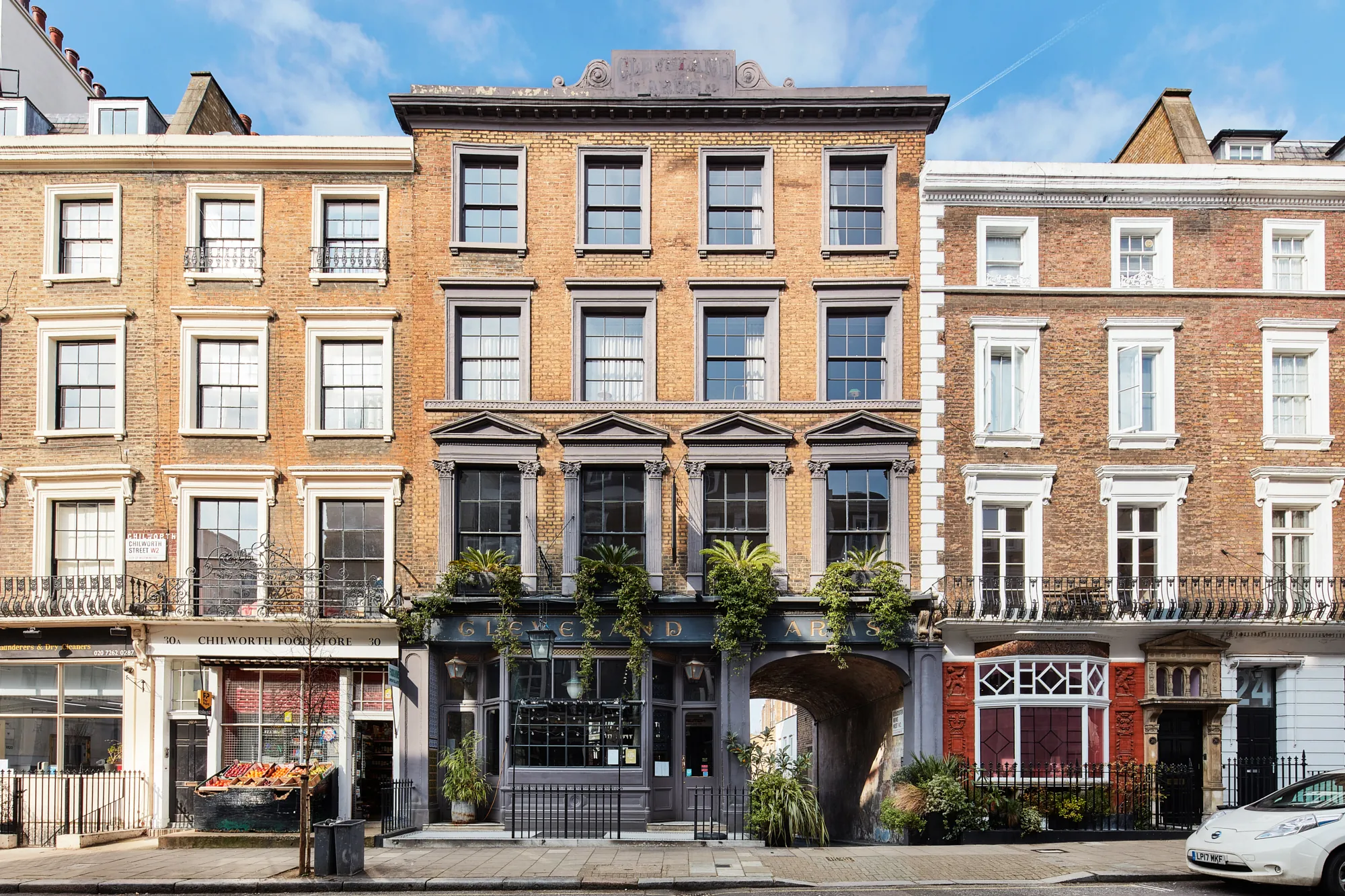
Our experience helping clients find [homes to rent and purchase](/house-prices/shoreditch) across Shoreditch has taught us that the "best" area is intensely personal. Some thrive on the energy of living above a buzzing restaurant strip; others prefer the quieter Georgian streets where Shoreditch blends into Hackney. The area's compact geography means you're never far from alternative atmospheres—a ten-minute walk can transport you from industrial grit to period charm.
For landlords considering the market, our [property letting service](/let-your-property/shoreditch) has observed sustained tenant demand across all Shoreditch sub-areas, with particularly strong interest from professionals in creative industries, finance, and technology seeking the lifestyle and transport links the area provides. The key remains presenting properties to high standards and pricing realistically for the specific micro-location.
Talk to Seymont
What's your home worth?
A considered view on price, timing and how to bring your London home to market — a personal reply within 24 hours.
Your property
Step 1 of 2About the author
Julian ReyesLicensed Real Estate Agent
Julian has spent eleven years handling residential sales across west and central London, previously with the independent agencies Harlowe & Vance and Marchmont Row. He runs listings end to end, from pricing and presentation through to negotiating offers and holding chains together to completion. His writing focuses on the practical mechanics of buying and selling a home in a market where timing and preparation decide the outcome.
Licensed estate agent · 11 years in London residential sales
- Residential sales
- First-time buyers
- Offer negotiation
- Chain management
Frequently asked
- Is Shoreditch a good area to live in London?
- Shoreditch offers exceptional transport connectivity, a remarkable concentration of independent restaurants and cultural venues, and diverse housing stock from period terraces to contemporary warehouse conversions. The area suits those who value walkability, culinary variety, and creative energy. However, it's busier and more urban than many London neighbourhoods, so suitability depends on whether you're drawn to or deterred by that vibrancy. We always recommend spending time in the area at different times before committing.
- What is the average rent for a flat in Shoreditch?
- Rental prices in Shoreditch vary considerably depending on property type, specific location, and specifications. Warehouse conversions with period features typically command higher rents than purpose-built blocks, whilst streets closer to Shoreditch High Street or Old Street stations generally achieve premiums over more peripheral locations. We recommend viewing current listings and consulting local agents for up-to-date market guidance, as the rental market remains dynamic.
- Which Shoreditch streets are best for families?
- Families often gravitate toward the streets around Columbia Road and the Arnold Circus area, where the atmosphere is more residential and some properties offer gardens. The eastern edge near Victoria Park provides access to green space, whilst the Boundary Estate streets offer architectural cohesion and a stronger community feel. However, Shoreditch generally attracts fewer families than areas with more abundant green space and larger housing stock.
- How does Shoreditch compare to neighbouring areas like Bethnal Green or Dalston?
- Shoreditch typically commands a premium over neighbouring Bethnal Green due to its higher concentration of restaurants, cultural venues, and commercial activity. Dalston offers a different character—more diverse, grittier, with excellent nightlife—and often provides better value for equivalent space. Shoreditch's strength lies in its walkability, transport links, and the density of independent businesses, making it particularly appealing to professionals prioritising lifestyle amenities and short commutes.
- What should I look for when buying a converted warehouse in Shoreditch?
- When considering warehouse conversions in Shoreditch, examine the lease length carefully (many are leasehold), understand the service charge and what it covers, check the building's management history, and inspect the quality of the conversion itself. Original features like exposed brick and timber beams add character, but ensure essential elements like insulation, windows, and heating are to modern standards. We always recommend surveying thoroughly and reviewing the lease terms with a solicitor before proceeding.