Journal
Average Rent in Shoreditch: A Complete Guide for Tenants and Landlords
Written by Julian Reyes · Licensed Real Estate Agent
Published 23 November 2025 · Updated 12 March 2026 · 6 min read
The short answer
Understanding the average rent in Shoreditch has become increasingly important for both tenants searching for their next home and landlords considering investment opportunities in one of East London's most dynamic neighbourhoods. Once a gritty, industrial quarter, Shoreditch has transformed into a cultural powerhouse renowned for its creative energy, tech startups, and thriving hospitality scene.
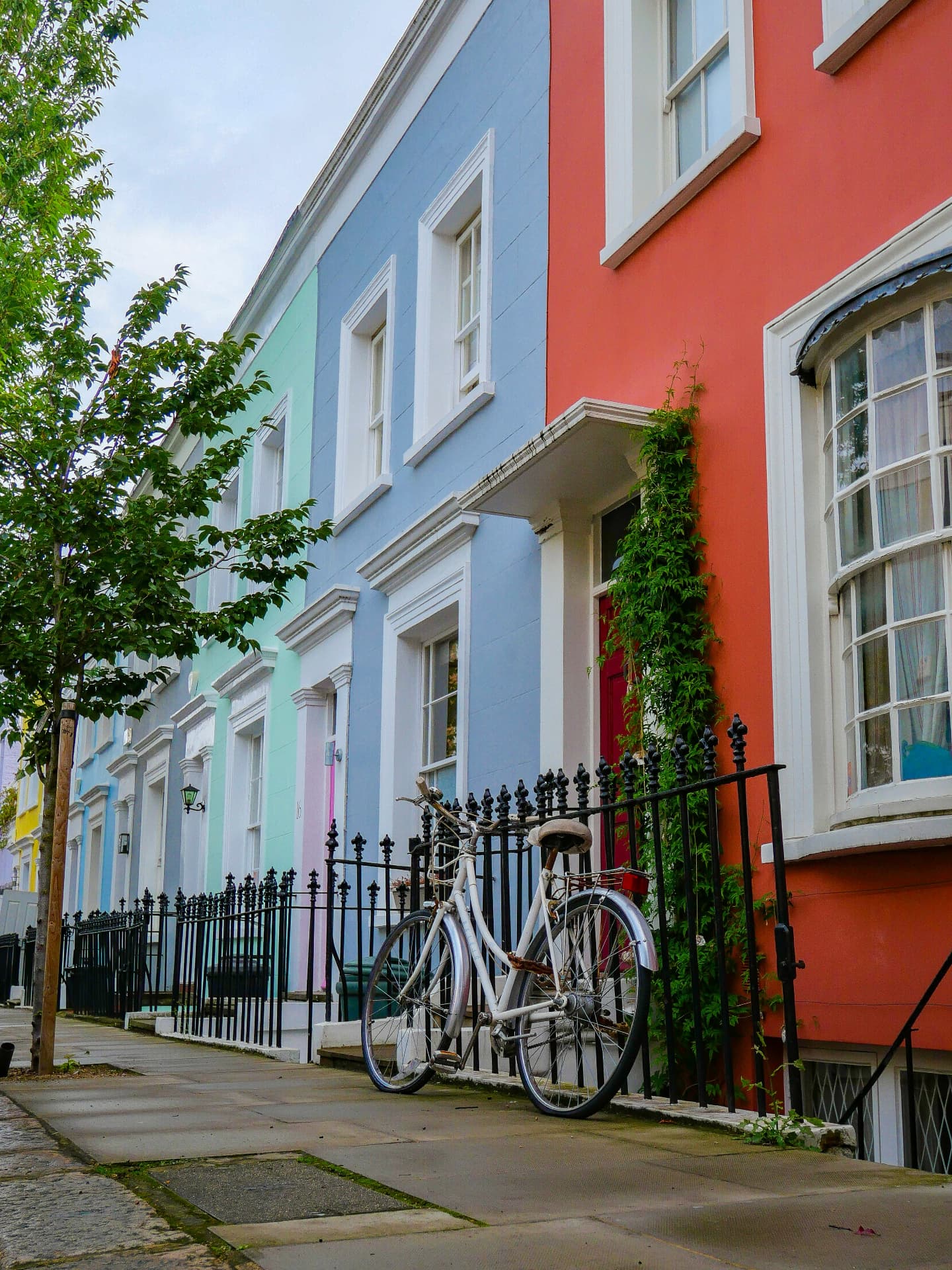
Understanding the average rent in Shoreditch has become increasingly important for both tenants searching for their next home and landlords considering investment opportunities in one of East London's most dynamic neighbourhoods. Once a gritty, industrial quarter, Shoreditch has transformed into a cultural powerhouse renowned for its creative energy, tech startups, and thriving hospitality scene. This evolution has inevitably shaped the local rental market, making it essential to grasp the nuances of Shoreditch rent prices before committing to a tenancy or investment. Our team at Seymont London works extensively across this vibrant corner of the capital, and we've observed firsthand how the area's unique character influences rental values and tenant demand throughout the year.
The Current Rental Landscape in Shoreditch
The rental market in Shoreditch reflects the area's position as a highly desirable East London location, bridging the City's financial district with the creative hubs of Hackney. When considering how much is rent in Shoreditch, prospective tenants should expect premium pricing that mirrors the neighbourhood's cultural cachet and excellent transport links. The area's proximity to both Liverpool Street and Old Street stations, combined with its abundance of restaurants in Shoreditch and cutting-edge galleries, commands rental values that consistently outpace many neighbouring postcodes.
Flats to rent in Shoreditch span a diverse range of property types, from converted warehouse lofts with exposed brickwork and industrial features to purpose-built contemporary developments offering concierge services and communal terraces. Studio apartments typically attract young professionals working in the tech sector or creative industries, whilst larger two and three-bedroom flats appeal to sharers and established couples seeking the area's vibrant lifestyle. The varied housing stock means rental prices fluctuate considerably depending on property age, specification, and exact location within the neighbourhood.
Our team has noticed that properties within walking distance of the area's renowned restaurant scene—particularly around Shoreditch High Street and Redchurch Street—tend to command a premium. Similarly, apartments in Shoreditch that offer outdoor space or period features in refurbished Victorian buildings attract competitive interest from tenants willing to pay above average for character and lifestyle amenities.
Factors Influencing Shoreditch Rent Prices
Several distinctive factors shape rental values in this corner of London Shoreditch. The concentration of tech companies and creative agencies in and around the Silicon Roundabout area has created sustained demand from well-compensated professionals seeking short commutes. This employment density provides a stable tenant pool that supports higher rental expectations compared to outer London locations. The neighbourhood's international reputation as a cultural destination also attracts overseas professionals on assignment, further diversifying and strengthening rental demand.
The quality and variety of dining options—from Michelin-recommended establishments to street food markets—represents another key value driver. Restaurants Shoreditch offers range from intimate wine bars to expansive rooftop venues, creating a lifestyle proposition that tenants are prepared to pay for. Our experience shows that proximity to this thriving hospitality scene often justifies rental premiums of 10-15% compared to otherwise comparable properties located further from the action.
Transport connectivity remains paramount in determining rental values. Properties within a five-minute walk of Shoreditch High Street station on the London Overground, or Old Street on the Northern line, command significantly higher rents than those requiring a longer commute to public transport. The area's cycle-friendly infrastructure and excellent bus connections add further appeal for environmentally conscious tenants. Additionally, the ongoing Elizabeth line services at Liverpool Street—easily accessible from Shoreditch—have enhanced the area's connectivity to Heathrow, Canary Wharf, and western London, supporting rental growth across the neighbourhood.

Understanding Shoreditch Rental Yields for Landlords
For property investors and existing landlords, Shoreditch rental yields present an interesting proposition within the broader London market. The area's strong rental demand, driven by its employment density and cultural appeal, typically supports consistent occupancy rates with minimal void periods between tenancies. Our lettings team regularly sees well-presented properties receive multiple enquiries within days of marketing, particularly for studio and one-bedroom flats that suit the area's demographic profile.
When calculating potential returns, landlords should consider both the purchase price premium that Shoreditch commands and the achievable rental income. Whilst acquisition costs are higher than in many London neighbourhoods, the strong rental values help balance the equation. Properties that offer distinctive features—industrial character, private outdoor space, or proximity to the area's best restaurants in Shoreditch—tend to achieve the strongest yields and lowest tenant turnover. Our experience suggests that well-maintained, characterful properties significantly outperform generic modern builds in terms of rental performance and capital appreciation.
It's worth noting that professional management becomes particularly valuable in this market. Tenants paying premium Shoreditch rent prices expect responsive, professional service, and properties that offer this—whether through a dedicated landlord or a reputable agency—maintain their value and reputation more effectively. If you're considering [letting your property in Shoreditch](/let-your-property/shoreditch), understanding the service expectations of the local tenant base proves essential to maximising returns.
Talk to Seymont
What's your home worth?
A considered view on price, timing and how to bring your London home to market — a personal reply within 24 hours.
Your property
Step 1 of 2Property Types and Rental Expectations
The diverse architectural landscape of Shoreditch means that houses to rent, whilst less common than flats, do exist within the area's residential pockets. Terraced Victorian properties, particularly around the quieter streets north of Old Street, offer family-sized accommodation with period features and private gardens. These properties command substantial rents but appeal to a niche market of families or sharers seeking more space whilst remaining within walking distance of the neighbourhood's amenities.
Shoreditch apartments dominate the rental market, with new-build developments and warehouse conversions forming the majority of available stock. Purpose-built blocks typically offer amenities such as gyms, communal lounges, and 24-hour concierge services, attracting tenants who prioritise convenience and modern specifications. Converted industrial buildings, conversely, appeal to those drawn to exposed brickwork, generous ceiling heights, and the authentic Shoreditch aesthetic that has defined the area's creative renaissance. These contrasting property types achieve comparable rental values but serve distinctly different tenant preferences.
Studio and one-bedroom flats to rent Shoreditch represent the highest volume segment, with particularly strong demand from young professionals and couples. Two-bedroom properties attract sharers or those requiring home office space—a consideration that has gained prominence since the shift towards hybrid working patterns. Our team finds that properties offering dedicated workspace or flexible layouts achieve faster lets and can justify modest rental premiums in the current market.
Navigating the Shoreditch Rental Market
For prospective tenants wondering how much is rent in Shoreditch, preparation and realistic expectations prove essential. The competitive nature of the market means that desirable properties often receive multiple applications, particularly during peak letting seasons in late summer and early autumn. Having references, employment documentation, and deposit funds readily available significantly improves your chances of securing your preferred property. Our [estate agents in Shoreditch](/estate-agents/shoreditch) can guide you through this process and ensure your application stands out amongst competing offers.
Tenants should also consider the total cost of living in the area beyond headline rent figures. Whilst properties may command premium prices, the neighbourhood's walkability often reduces transport costs compared to locations requiring lengthy commutes. The abundance of markets, independent retailers, and diverse dining options at various price points means lifestyle expenses can be managed according to individual budgets. The value proposition extends beyond the property itself to encompass the entire Shoreditch experience—from Saturday mornings at Columbia Road Flower Market to weeknight suppers at the latest restaurant Shoreditch has welcomed.
For those considering the area from an investment perspective, understanding local market dynamics proves crucial. Examining recent trends through resources such as our [Shoreditch house prices](/house-prices/shoreditch) analysis provides context for rental market performance, whilst exploring [properties for sale in Shoreditch](/property-for-sale/shoreditch) offers insight into acquisition costs and potential rental yields. The interplay between sales and lettings markets helps inform strategic decisions about entry points and holding periods for buy-to-let investors.
Ultimately, the average rent in Shoreditch reflects the area's unique position as a cultural destination, employment hub, and residential community. Whilst prices may exceed those in neighbouring postcodes, the lifestyle, connectivity, and community that Shoreditch offers continue to attract tenants willing to invest in their living environment. Whether you're searching for your next home or evaluating investment opportunities, understanding these market fundamentals enables more informed decisions in this distinctive corner of East London.
Talk to Seymont
What's your home worth?
A considered view on price, timing and how to bring your London home to market — a personal reply within 24 hours.
Your property
Step 1 of 2About the author
Julian ReyesLicensed Real Estate Agent
Julian has spent eleven years handling residential sales across west and central London, previously with the independent agencies Harlowe & Vance and Marchmont Row. He runs listings end to end, from pricing and presentation through to negotiating offers and holding chains together to completion. His writing focuses on the practical mechanics of buying and selling a home in a market where timing and preparation decide the outcome.
Licensed estate agent · 11 years in London residential sales
- Residential sales
- First-time buyers
- Offer negotiation
- Chain management
Frequently asked
- What is the average rent for a one-bedroom flat in Shoreditch?
- One-bedroom flats in Shoreditch typically command premium rents reflecting the area's popularity and excellent transport links. Prices vary considerably depending on property specification, exact location, and whether the flat is a period conversion or modern development. Properties within a five-minute walk of Shoreditch High Street or Old Street stations generally achieve the highest values, whilst those offering distinctive features such as exposed brickwork, high ceilings, or private outdoor space can command additional premiums. Our team recommends viewing several properties to understand the range of specifications available at different price points within the market.
- Is Shoreditch a good area for buy-to-let investment?
- Shoreditch offers compelling buy-to-let opportunities due to strong, consistent tenant demand driven by the area's concentration of tech companies, creative agencies, and cultural attractions. The neighbourhood attracts well-qualified professional tenants, typically resulting in reliable rental income and minimal void periods. Shoreditch rental yields can be attractive when balanced against the lifestyle appeal and capital growth potential that this established East London location offers. However, acquisition costs are higher than many London areas, so investors should carefully model their returns and consider engaging local expertise to identify properties that will perform strongly in this competitive market.
- How does Shoreditch compare to neighbouring areas for rental prices?
- Shoreditch rent prices generally sit at the premium end of the East London market, reflecting the area's cultural cachet, dining scene, and proximity to the City. Neighbouring Hoxton and Bethnal Green may offer more moderate rental values whilst maintaining good access to Shoreditch's amenities, whilst areas such as Spitalfields command comparable or higher rents due to their own distinctive appeal. The premium for Shoreditch largely reflects its established reputation, concentration of restaurants and galleries, and the authentic creative character that continues to define the neighbourhood despite ongoing gentrification.
- What should I budget for when renting in Shoreditch?
- Beyond the monthly rent, prospective tenants should budget for a deposit (typically five to six weeks' rent), an initial rent payment, and potential costs for reference checks depending on the letting agent. Council tax for the borough of Hackney and utility bills represent ongoing expenses, though many modern developments include water rates or heating within the service charge. Our team recommends allocating budget for contents insurance and considering the cost of furnishing if renting an unfurnished property. However, Shoreditch's walkability and excellent transport links often mean reduced commuting costs compared to outer London locations.
- Are rental properties in Shoreditch typically furnished or unfurnished?
- The Shoreditch rental market offers a mix of furnished and unfurnished properties, with furnished flats particularly common amongst studio and one-bedroom apartments targeting young professionals. Larger two and three-bedroom properties, especially period conversions and houses, are frequently offered unfurnished, allowing tenants to personalise their living space for longer-term occupation. New-build developments sometimes offer both options to maximise appeal across different tenant profiles. Our lettings team finds that furnished properties often achieve slightly higher rents but may experience more wear and tear, whilst unfurnished properties attract tenants planning longer tenancies who bring their own established furnishings.