Journal
Things to Do in Marylebone
Written by Julian Reyes · Licensed Real Estate Agent
Published 27 June 2026 · Updated 1 July 2026 · 6 min read
The short answer
Marylebone stands as one of Central London's most refined neighbourhoods, where Georgian architecture meets contemporary culture and independent retailers thrive alongside Michelin-recognised dining. Our team has spent considerable time exploring this elegant quarter, and we've discovered that the best things to do in Marylebone reveal a village-like charm that feels worlds apart from the bustle of neighbouring Oxford Street.
Marylebone stands as one of Central London's most refined neighbourhoods, where Georgian architecture meets contemporary culture and independent retailers thrive alongside Michelin-recognised dining. Our team has spent considerable time exploring this elegant quarter, and we've discovered that the best things to do in Marylebone reveal a village-like charm that feels worlds apart from the bustle of neighbouring Oxford Street. Whether you're a prospective resident exploring the area or a long-term local seeking fresh discoveries, this Marylebone weekend guide captures the essence of what makes this W1 postcode so enduringly appealing. The neighbourhood's median property price of £995,000 (HM Land Registry) reflects its status as one of London's most sought-after addresses, where cultural richness and residential tranquillity coexist seamlessly.
Marylebone High Street: The Heart of the Village
Marylebone High Street forms the spine of the neighbourhood, a graceful thoroughfare that exemplifies why this area commands such devotion from residents and visitors alike. Unlike the corporate homogeneity of nearby shopping districts, this street celebrates independent British retailers, artisan food purveyors and family-run businesses that have served the community for generations. The Ginger Pig butcher, Daunt Books with its Edwardian gallery interior, and La Fromagerie's aromatic cheese rooms represent the calibre of specialist shops that define the Marylebone shopping experience.
The street's cafés and restaurants offer respite throughout the day. For those seeking the best breakfast in Marylebone, The Ivy Café and Daylesford Organic provide excellent options, while Caffè Caldesi and Fischer's have earned reputations for outstanding lunch and dinner service. The concentration of quality here explains why searches for Marylebone restaurants remain consistently high among food enthusiasts.
Sunday mornings bring the Cabbages & Frocks Market, where vintage fashion dealers and artisan producers gather beneath the plane trees. This weekly ritual reinforces the neighbourhood's village character, creating the sort of community atmosphere that appeals to families and professionals who are considering <a href="/property-for-sale/marylebone">property for sale in Marylebone</a>.
The architectural consistency along the High Street—predominantly Georgian and Victorian facades—creates a visual harmony that enhances the shopping experience. This attention to aesthetic coherence extends throughout the broader conservation area, contributing to property values that have remained resilient even during uncertain market conditions.
Cultural Marylebone Attractions: Museums and Music
The Wallace Collection remains Marylebone's cultural crown jewel, housing one of the world's finest collections of decorative arts within the magnificent Hertford House on Manchester Square. Admission remains free, and the breadth of European paintings, furniture and arms makes it essential viewing for anyone interested in eighteenth-century aesthetics. The collection's intimacy—presented in aristocratic room settings rather than stark museum galleries—offers a more contemplative experience than the nearby British Museum's crowds.
Wigmore Hall, just steps from Marylebone High Street, represents the apex of chamber music performance in London. The acoustic perfection of this 1901 concert hall attracts the world's leading instrumentalists, and the varied programming spans everything from lunchtime recitals to evening song cycles. For residents, having such cultural depth on the doorstep represents one of the neighbourhood's most significant lifestyle advantages.
The Royal Academy of Music Museum on Marylebone Road charts Britain's musical heritage through rare instruments and manuscripts. While smaller than the neighbourhood's other institutions, it offers genuine insight into the area's longstanding connection to musical education and performance.
These cultural assets contribute meaningfully to Marylebone's residential appeal. Our team regularly observes that buyers exploring <a href="/estate-agents/marylebone">estate agents in Marylebone</a> cite the neighbourhood's intellectual and cultural texture as decisive factors in their search, particularly those relocating from other European capitals where such amenities are valued highly.
Green Spaces and Marylebone's Edges
Regent's Park forms Marylebone's northern boundary, providing 395 acres of formal gardens, sports facilities and open space. The park's southern gardens—Queen Mary's Gardens with their magnificent rose collection—lie closest to the neighbourhood's residential heart, offering immediate access to genuine parkland that influences property desirability significantly. Recent rental data from the ONS indicates that a two-bedroom flat in Marylebone commands between £2,800 and £4,350 monthly, with proximity to the park typically positioning properties toward the higher end of that range.
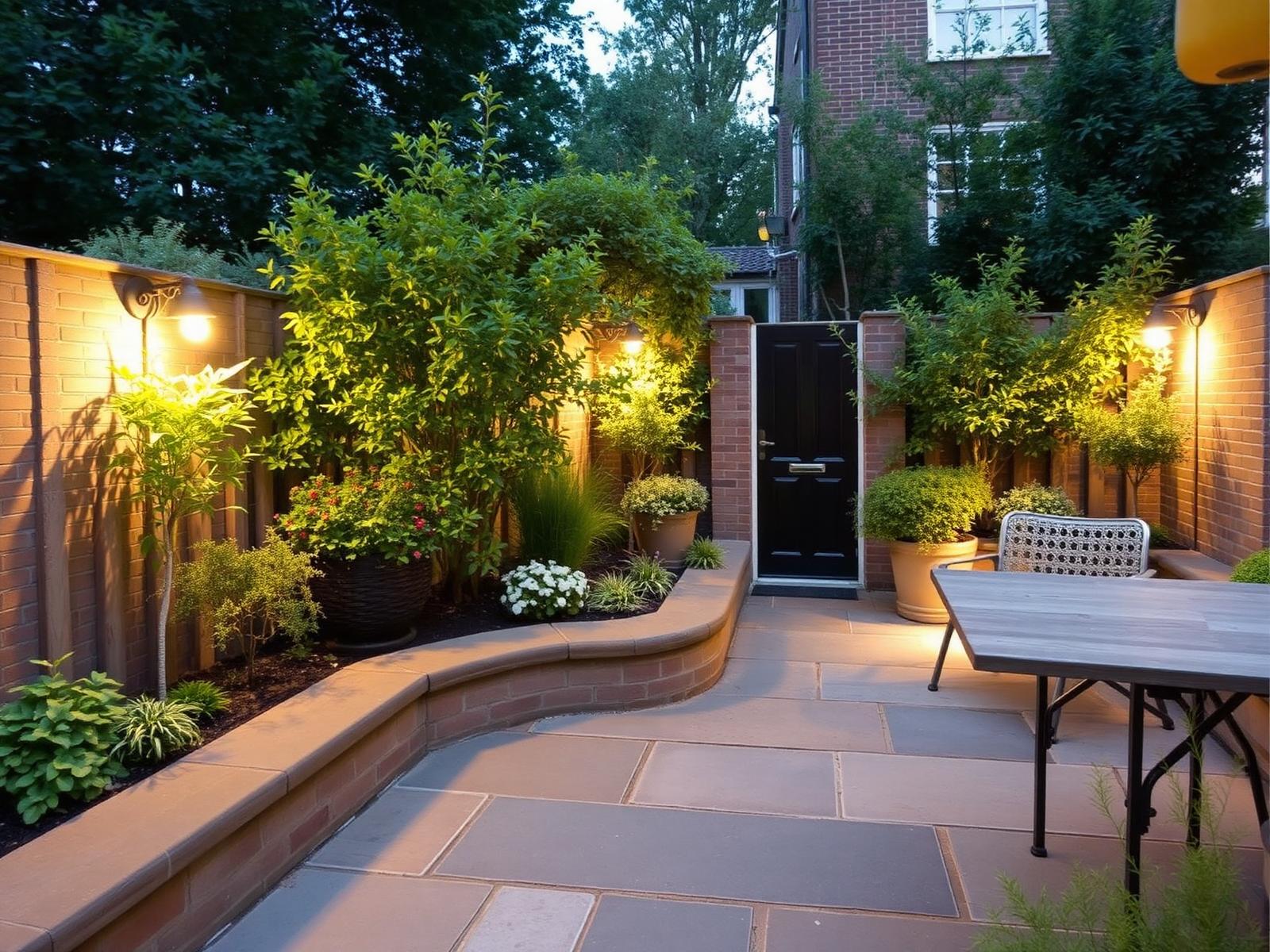
The smaller, often-overlooked Paddington Street Gardens provides a quieter alternative: a former burial ground transformed into a peaceful neighbourhood garden where locals lunch beneath mature plane trees. This intimate green space exemplifies the hidden pockets that reward long-term exploration of the area.
Marylebone's western edge meets Edgware Road's Middle Eastern restaurant quarter, creating unexpected culinary diversity. The eastern boundary along Portland Place and Harley Street introduces the medical district's grand Georgian terraces, many converted into consulting rooms but retaining their architectural grandeur. These edges prevent Marylebone from feeling insular, instead positioning it as a hub connected to broader London while maintaining distinct character.
For those considering what to do in Marylebone across a weekend, the interplay between these boundaries—from park picnics to cross-cultural dining—creates varied possibilities that prevent the neighbourhood from feeling repetitive despite its compact geography.
Talk to Seymont
What's your home worth?
A considered view on price, timing and how to bring your London home to market — a personal reply within 24 hours.
Your property
Step 1 of 2Marylebone Pubs and Bars: Traditional and Contemporary
The pub culture here balances heritage with contemporary tastes. The Golden Eagle on Marylebone Lane preserves an authentic Victorian atmosphere, complete with Tuesday evening sing-alongs around the piano—a genuine local tradition rather than manufactured nostalgia. The Barley Mow on Dorset Street and The Coach Makers Arms on Marylebone Lane similarly maintain traditional pub character while serving quality food that reflects modern expectations.
For those seeking bars in Marylebone with a more contemporary approach, Chiltern Firehouse's bar (despite the hype) genuinely delivers exceptional cocktails within a restored Victorian fire station, while The Grazing Goat combines boutique hotel sophistication with neighbourhood pub accessibility. Searches for pubs near Marylebone station reflect both commuter interest and the concentration of quality options within immediate walking distance of this transport hub.
The Duke of Wellington on Crawford Street demonstrates how Marylebone pubs serve as community anchors: a Young's pub that fills with local residents rather than tourists, creating the convivial atmosphere that contributes to the area's residential desirability. Our team has noted that buyers often enquire about neighbourhood pubs during viewings, recognising them as indicators of community vitality.
The pub density here—sufficient to offer variety without overwhelming residential character—strikes an ideal balance for those assessing <a href="/house-prices/marylebone">house prices in Marylebone</a> against lifestyle factors. With terraced houses commanding a median of £3,125,000 (HM Land Registry), buyers expect the neighbourhood amenities to justify the premium.
Shopping Beyond the High Street
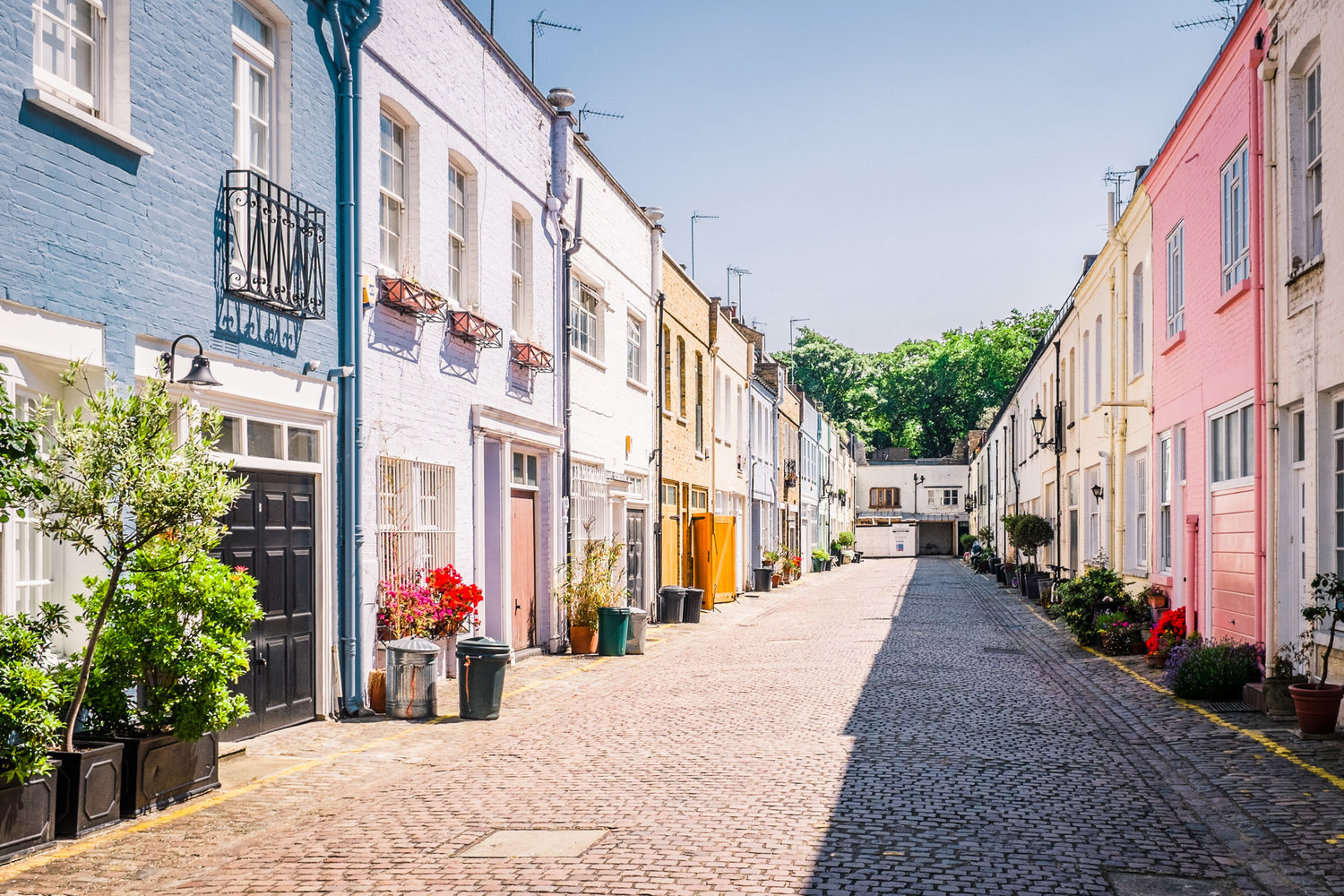
While Marylebone High Street captures most attention, the neighbourhood's side streets reward deeper exploration. Chiltern Street has evolved into a destination for design-conscious shoppers, with Trunk Clothiers, Caramel Baby & Child, and The Conran Shop's homeware outpost occupying beautifully restored shopfronts. This street exemplifies how Marylebone shops maintain high standards without resorting to luxury brand homogeneity.
Marylebone Lane's independent retailers include Button Queen (every conceivable button variety), VV Rouleaux (ribbons and trimmings), and specialist food shops that serve both residents and London's professional chefs. These highly specific businesses thrive here because the neighbourhood supports specialist retail—a function of the affluent, discerning resident base.
The Sunday farmers' market on Cramer Street brings regional producers into the neighbourhood, offering organic vegetables, artisan bread and rare-breed meats. This weekly event reinforces the area's reputation for food quality, complementing the permanent retailers and contributing to Marylebone's appeal among buyers who prioritise sustainable, high-quality food sourcing.
For those considering rental investments through <a href="/let-your-property/marylebone">letting their property in Marylebone</a>, these retail amenities significantly influence tenant demand. Studio flats here rent for £1,550 to £2,425 monthly (ONS data), with the premium over comparable Central London studios partly attributable to the neighbourhood's retail and dining quality.
Living in Marylebone: A Residential Perspective
The practical considerations of daily life in Marylebone reveal why the neighbourhood maintains such consistent demand. Marylebone station provides excellent rail connections to the Thames Valley and Chiltern Hills, while Baker Street's multiple Underground lines enable swift travel across London. This connectivity, combined with walkability to the West End and the City, creates genuine flexibility for professionals and families alike.
The neighbourhood's schools include several well-regarded independent options alongside state primaries that serve the resident community. Medical services on Harley Street provide unparalleled specialist access, while the concentration of dental practices, pharmacies and health services supports daily convenience. These practical factors influence property decisions as significantly as the cultural and retail attractions.
Recent sales data shows 66 transactions with a median price of £995,000 (HM Land Registry), with flats comprising the majority of sales at a median of £838,750. The diverse housing stock—from mansion flats to Georgian terraces—accommodates varying household needs while maintaining the neighbourhood's architectural coherence.
Marylebone's evolution continues thoughtfully, with new restaurants and shops arriving at a pace that maintains freshness without disrupting the established character. This careful balance between preservation and renewal explains the neighbourhood's enduring appeal across generations, from young professionals in one-bedroom flats (£2,050–£3,200 monthly rent, ONS) to established families in the area's substantial houses.
Talk to Seymont
What's your home worth?
A considered view on price, timing and how to bring your London home to market — a personal reply within 24 hours.
Your property
Step 1 of 2About the author
Julian ReyesLicensed Real Estate Agent
Julian has spent eleven years handling residential sales across west and central London, previously with the independent agencies Harlowe & Vance and Marchmont Row. He runs listings end to end, from pricing and presentation through to negotiating offers and holding chains together to completion. His writing focuses on the practical mechanics of buying and selling a home in a market where timing and preparation decide the outcome.
Licensed estate agent · 11 years in London residential sales
- Residential sales
- First-time buyers
- Offer negotiation
- Chain management
Frequently asked
- What makes Marylebone different from other Central London neighbourhoods?
- Marylebone combines Central London connectivity with village-scale character, distinguished by its concentration of independent retailers rather than chain stores, particularly along Marylebone High Street. The neighbourhood maintains residential tranquillity despite its Zone 1 location, with Georgian and Victorian architecture creating visual coherence. Cultural institutions like The Wallace Collection and Wigmore Hall provide depth typically found only in larger districts, while proximity to Regent's Park offers green space access rare in Central London. This combination of urban convenience and neighbourhood intimacy creates a distinct character that influences both property values and residential satisfaction.
- Is Marylebone well-connected for commuting?
- Marylebone offers exceptional transport connectivity through multiple stations. Marylebone station provides Chiltern Railways services to Oxford, Birmingham and the Thames Valley, while Baker Street Underground station serves five lines (Metropolitan, Circle, Jubilee, Hammersmith & City, and Bakerloo), enabling swift access across London. Bond Street station (Central and Elizabeth lines) sits on the southern boundary, adding further options. This layered connectivity makes commuting flexible and resilient to service disruptions, a practical consideration that enhances the neighbourhood's appeal to professionals working across various London locations and beyond.
- What are typical property prices and rents in Marylebone?
- According to HM Land Registry data, Marylebone's median property price stands at £995,000, with flats averaging £838,750 and terraced houses commanding £3,125,000. Rental costs vary by property size, with ONS data showing studio flats between £1,550–£2,425 monthly, one-bedroom properties at £2,050–£3,200, two-bedroom flats at £2,800–£4,350, and three-bedroom homes between £3,725–£5,800. These figures reflect Marylebone's status as a premium Central London neighbourhood where property costs correlate with the exceptional amenities, transport connections and architectural quality that define the area.
- Where are the best restaurants and cafés in Marylebone?
- Marylebone High Street concentrates much of the neighbourhood's dining quality, with Fischer's providing Viennese-inspired all-day dining, Daylesford Organic offering breakfast and lunch focused on organic ingredients, and Caffè Caldesi serving regional Italian cuisine. The Chiltern Firehouse restaurant maintains high standards beyond its celebrity associations, while La Fromagerie combines retail with an excellent café. For traditional pubs serving quality food, The Grazing Goat and The Coach Makers Arms represent the neighbourhood's elevated pub dining. The density of independent restaurants distinguishes Marylebone from areas dominated by chain establishments, creating a dining culture that appeals to discerning residents.
- What cultural attractions does Marylebone offer?
- The Wallace Collection houses world-class decorative arts and paintings within Hertford House, offering free admission to one of London's finest private collections. Wigmore Hall presents chamber music and recitals in an acoustically superb Edwardian concert hall, with performances ranging from lunchtime concerts to evening programmes. The Royal Academy of Music Museum preserves rare instruments and musical manuscripts. Beyond these institutions, Marylebone's proximity to Regent's Park's Open Air Theatre adds seasonal cultural programming. This concentration of high-calibre cultural venues within a compact neighbourhood creates intellectual depth that influences the area's character and residential appeal significantly.