Journal
Things to Do in Hampstead
Written by Nina Castellano · Investment Property Advisor
Published 14 June 2026 · Updated 14 August 2026 · 8 min read
The short answer
Nestled in North London's elevated hills, Hampstead offers an extraordinary blend of village charm, cultural heritage and natural beauty that sets it apart from anywhere else in the capital. Whether you're considering a move to this storied neighbourhood or simply planning a day's exploration, the things to do in Hampstead reveal why it has captivated writers, artists and discerning residents for centuries.
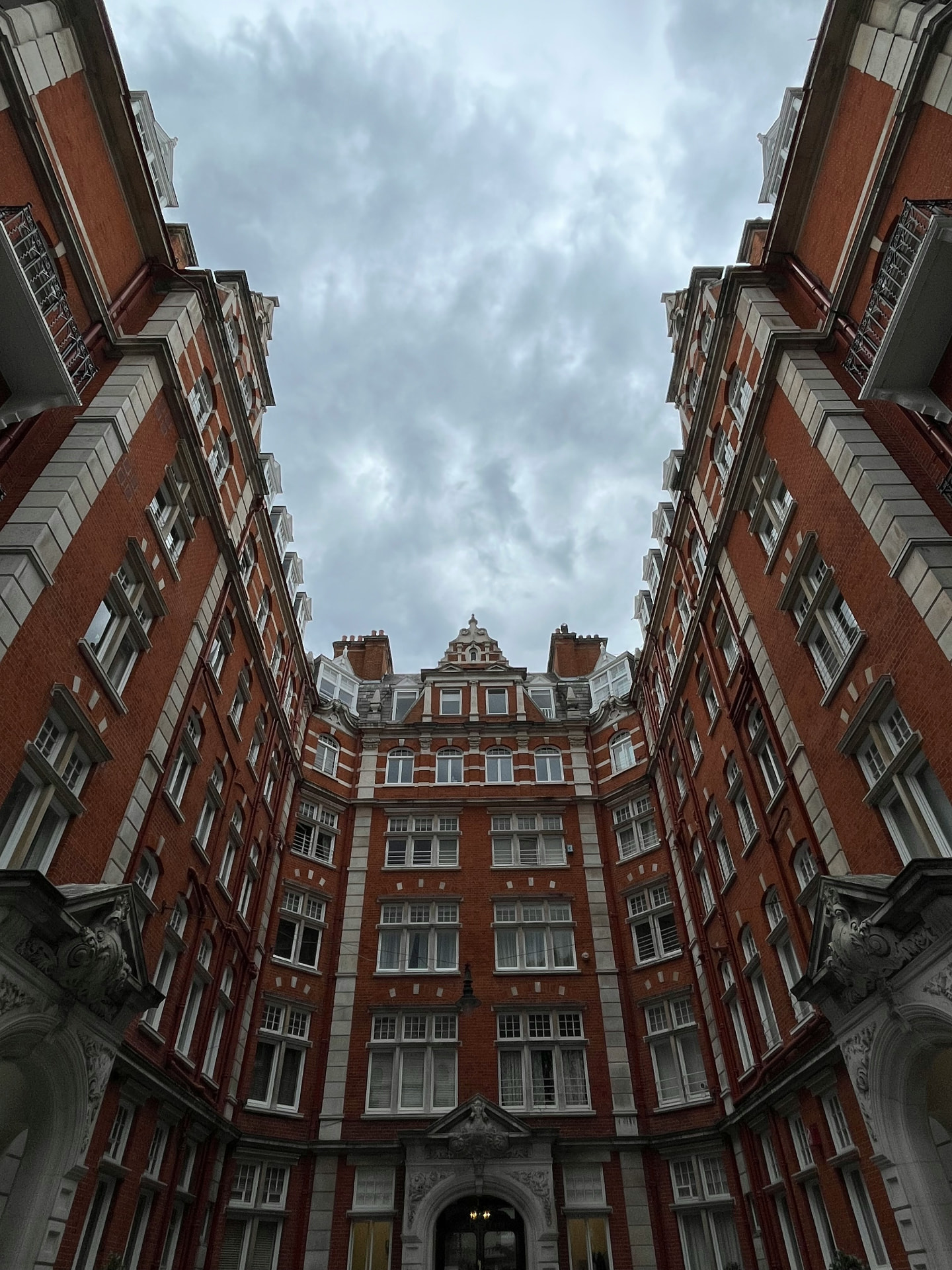
Nestled in North London's elevated hills, Hampstead offers an extraordinary blend of village charm, cultural heritage and natural beauty that sets it apart from anywhere else in the capital. Whether you're considering a move to this storied neighbourhood or simply planning a day's exploration, the things to do in Hampstead reveal why it has captivated writers, artists and discerning residents for centuries. From the sweeping vistas of the Heath to the intimate alleyways of the village, Hampstead rewards those who take the time to discover its layers. At Seymont London, we work across every corner of the capital, yet we recognise that Hampstead's character—refined yet unstuffy, historic yet vibrant—makes it one of London's most compelling places to call home.
Hampstead Heath: London's Green Sanctuary
No guide to Hampstead attractions would be complete without beginning at the Heath, that magnificent 790-acre expanse of ancient woodland, meadows and ponds that forms the neighbourhood's verdant heart. Unlike the manicured royal parks of central London, Hampstead Heath retains a wonderfully wild character, its rolling hills and hidden dells offering genuine escape within the M25.
The Heath's swimming ponds—separate facilities for men, women and mixed bathing—have drawn devotees for generations, their cold, clear waters providing year-round refreshment for those brave enough to take the plunge. Parliament Hill, at the Heath's southern edge, delivers one of London's most spectacular panoramas, its protected viewing corridor sweeping across the City's towers to the Surrey hills beyond. On summer weekends, the hill becomes a gathering place for kite-flyers, picnickers and those simply seeking perspective above the urban sprawl.
Kenwood House sits at the Heath's northern boundary, a neoclassical jewel housing one of Britain's finest small art collections. The Iveagh Bequest includes works by Rembrandt, Vermeer and Turner, displayed in rooms that retain their Georgian elegance. The house's landscaped grounds, designed by Humphry Repton, slope gently towards a lake where open-air concerts fill summer evenings with music. Entry to both house and grounds remains free, a remarkable cultural offering that reflects Hampstead's enduring commitment to accessible beauty.
For those considering the area's residential appeal, the Heath's proximity significantly influences local property values. According to HM Land Registry data, Hampstead recorded a median sale price of £846,750 across 168 transactions, with detached properties commanding a median of £4,200,000—figures that reflect not just architectural quality but the premium placed on access to London's finest green space.
Hampstead Village: Independent Shops and Historic Lanes
What to do in Hampstead inevitably leads you to the village itself, that tight concentration of Georgian and Victorian buildings clustered around Flask Walk, Heath Street and Hampstead High Street. This is emphatically not chain-store Britain; the village maintains a fiercely independent retail character, with bookshops, galleries, antique dealers and specialist food retailers occupying premises that have served the community for decades.
The labyrinth of narrow lanes and passages rewards aimless wandering. Flask Walk, named after the spa waters once bottled here, connects a parade of cafés and restaurants where tables spill onto pavements in warmer months. Church Row, often cited as one of London's most beautiful streets, presents an unbroken terrace of early Georgian houses leading to St John-at-Hampstead, the parish church where John Constable lies buried. The sense of architectural coherence, of a place that evolved organically rather than being imposed by masterplan, gives the village an authenticity that newer developments cannot replicate.
Hampstead's literary and artistic heritage remains palpable. Keats House, where the poet composed 'Ode to a Nightingale' in 1819, opens its rooms to visitors seeking connection with Romantic genius. Fenton House, a 1686 merchant's residence now owned by the National Trust, displays exceptional collections of keyboard instruments and porcelain. These aren't dusty museums but living spaces where concerts, readings and exhibitions continue Hampstead's long tradition as a gathering place for creative minds.
The village's café culture deserves particular mention. From the Art Deco elegance of the Everyman Cinema's bar to the continental informality of Ginger & White, Hampstead offers spaces where conversation and contemplation take precedence over hurried consumption. These are establishments that understand their role as community anchors, places where regulars are recognised and where the rhythm of neighbourhood life plays out over coffee and newspapers.
Pubs, Dining and Hampstead's Social Fabric
The search term 'pubs in Hampstead' reflects genuine curiosity about the area's drinking establishments, and with good reason—the neighbourhood's pubs combine historic setting with contemporary quality in ways that justify their enduring popularity. The Holly Bush, tucked away up a steep flight of steps from Heath Street, occupies a former stable block and retains the intimate, gas-lit atmosphere of an earlier era. The Spaniards Inn, perched on Hampstead Lane at the Heath's northern edge, dates to 1585 and numbers Dick Turpin, Keats and Byron among its (supposed) former patrons.
Hampstead's dining scene has evolved considerably beyond the traditional pub menu, though quality gastropubs certainly hold their place. The neighbourhood now supports an impressive diversity of restaurants, from the refined French cooking at The Wells to the relaxed Mediterranean sharing plates scattered across the village. What unites these establishments is a certain confidence, an absence of the try-hard performance that characterises some fashionable dining quarters. Hampstead restaurants know their clientele—discerning, well-travelled, appreciative of quality without needing it announced—and pitch their offerings accordingly.
For those exploring Hampstead as a Hampstead weekend guide, the timing of your visit matters. Saturday mornings bring a small but characterful farmers' market to the village, whilst Sunday afternoons see the Heath at its most populated, with families, dog-walkers and runners claiming their territory across the open spaces. The rhythm differs markedly from central London's relentless pace; Hampstead permits a more measured engagement with the weekend's possibilities.
Talk to Seymont
What's your home worth?
A considered view on price, timing and how to bring your London home to market — a personal reply within 24 hours.
Your property
Step 1 of 2Cultural Life: Cinemas, Theatres and Literary Connections
Hampstead's cultural infrastructure extends well beyond its house museums. The Everyman Hampstead, occupying a former drill hall, pioneered the now-ubiquitous model of cinema-as-living-room, with sofas, side tables and waiter service transforming the viewing experience. The programming balances art-house credentials with popular appeal, attracting audiences who regard cinema-going as an occasion rather than mere entertainment.
The nearby Hampstead Theatre has built a formidable reputation for new writing, premiering works by Harold Pinter, Mike Leigh and Enda Walsh among many others. Its intimate auditorium creates an immediacy between performer and audience that larger West End houses cannot match. For a neighbourhood of Hampstead's size, the concentration of cultural venues is remarkable, reflecting both historical patronage and contemporary demand from residents who expect such amenities on their doorstep.
Hampstead's literary associations run deep and wide. George Orwell lived at various Hampstead addresses; Daphne du Maurier was born here; Robert Louis Stevenson wrote part of 'Kidnapped' whilst resident in the village. These aren't merely historical footnotes but continuing influences on the area's identity. Daunt Books' Hampstead branch and the Heath Street Waterstones maintain exceptionally well-curated selections, their staff possessing the knowledge and enthusiasm that online algorithms cannot replicate. Book launches, author events and reading groups form part of the neighbourhood's social calendar in ways that speak to enduring literary values.
Living in Hampstead: Property and Community
Understanding what to do in Hampstead naturally leads to considering what it means to live here. The property market reflects the area's desirability across all segments. HM Land Registry data shows that flats—the most accessible entry point—recorded a median sale price of £750,000 across 129 transactions, whilst terraced houses achieved a median of £1,800,000 across 19 sales. Semi-detached properties commanded £4,800,000 (11 sales), demonstrating the premium attached to space and privacy in this established neighbourhood.
For those considering rental options, ONS data indicates monthly rates ranging from £1,325-£2,075 for studios, £1,750-£2,725 for one-bedroom properties, and £2,375-£3,725 for two-bedroom homes. Larger family accommodation spans £3,175-£4,950 for three bedrooms, rising to £4,225-£6,600 for four-bedroom properties and £5,550-£8,675 for five-plus bedrooms. These figures position Hampstead at the premium end of London's rental market, reflecting both the housing stock's quality and the neighbourhood's enduring appeal.
We at Seymont London observe that Hampstead attracts buyers and renters seeking something beyond mere property transactions. The area's schools—both state and independent—command fierce loyalty; the sense of village community within a world city offers rare balance; the combination of cultural amenities and natural space creates daily life of unusual richness. Those exploring [property for sale in Hampstead](/property-for-sale/hampstead) or seeking to understand [Hampstead house prices](/house-prices/hampstead) are often making decisions driven as much by lifestyle aspiration as investment calculation.
For property owners considering the rental market, our [letting services in Hampstead](/let-your-property/hampstead) reflect deep understanding of what tenants seek in this distinctive neighbourhood. The balance between maintaining property standards and achieving sustainable returns requires local knowledge that only comes from sustained engagement with the area's particular dynamics.
Practical Matters: Getting To and Around Hampstead
Hampstead and West Hampstead stations provide different characters of connectivity. Hampstead station, the Northern Line's deepest, places you three stops from King's Cross and four from Leicester Square, making central London entirely accessible whilst maintaining psychological separation. West Hampstead offers a more complex transport interchange, with Overground, Thameslink and Jubilee Line services creating connections across multiple vectors—an advantage for those whose work or social lives extend beyond Zone 1.
The area's topography—those steep hills that deliver such spectacular views—shapes daily movement in ways that merit consideration. Walking from Hampstead station to the village involves ascent that sorts casual visitors from committed residents. Cyclists face similar vertical challenges, though the rewards of quiet roads and Heath access compensate for the gradients. Bus services, particularly the 24-hour 24 route, provide alternatives for those disinclined to tackle the hills on foot.
Parking restrictions reflect Hampstead's residential density, with controlled zones operating across the village and surrounding streets. Those considering life here should factor this into their calculations; this isn't a neighbourhood that accommodates casual car ownership. Yet the trade-off—exceptional public transport links, supreme walkability, and that rare sense of village life within London—renders private transport less essential than in many suburban alternatives.
For visitors planning their exploration, our [Hampstead estate agents](/estate-agents/hampstead) team frequently receives questions about optimising a day's visit. The formula we suggest: arrive mid-morning, explore the village shops and lanes, lunch at a pub or café, devote the afternoon to the Heath and Kenwood, return to the village for early-evening drinks. This rhythm captures Hampstead's essential character—the interplay between built heritage and natural landscape, between cultural sophistication and outdoor informality, that defines the area's singular appeal.
Talk to Seymont
What's your home worth?
A considered view on price, timing and how to bring your London home to market — a personal reply within 24 hours.
Your property
Step 1 of 2About the author
Nina CastellanoInvestment Property Advisor
Nina advises landlords and investors on rental yields, tenant demand and portfolio structure across Greater London, after running lettings and management at Bellhouse Property Partners. She has overseen single units and multi-property portfolios, and works through compliance, void periods and running costs before a purchase is agreed. Her articles deal with the numbers behind a buy-to-let rather than the headline gross yield.
Lettings and portfolio management · 9 years in London rentals
- Buy-to-let
- Rental yields
- Portfolio strategy
- Landlord compliance
Frequently asked
- Is Hampstead a good area to live in London?
- Hampstead consistently ranks among London's most desirable neighbourhoods, combining village character with excellent transport links, outstanding schools, and unparalleled access to green space via the Heath. The area attracts professionals, families and creative individuals seeking community atmosphere within a world city. Property values reflect this enduring appeal, with HM Land Registry data showing a median sale price of £846,750, though the premium buys exceptional quality of life rather than mere square footage.
- What is Hampstead famous for?
- Hampstead is renowned for the Heath's 790 acres of ancient parkland, its exceptionally preserved Georgian village architecture, and centuries of literary and artistic associations. Keats, Constable, Orwell and countless other cultural figures made their homes here. The area's elevation delivers panoramic London views, whilst Kenwood House holds a world-class art collection. Hampstead represents a rare combination of natural beauty, architectural heritage and cultural vitality within the capital.
- How expensive is it to rent in Hampstead?
- According to ONS data, Hampstead rental rates position the area at London's premium tier. Studios range from £1,325-£2,075 monthly, one-bedroom properties from £1,750-£2,725, and two-bedroom homes from £2,375-£3,725. Family accommodation spans £3,175-£4,950 for three bedrooms and £4,225-£6,600 for four bedrooms. These figures reflect the area's desirability, housing quality and access to exceptional amenities including the Heath, outstanding schools and village facilities.
- Can you swim in Hampstead Heath ponds?
- Yes, Hampstead Heath maintains three designated swimming ponds—separate facilities for men, women and mixed bathing—that welcome swimmers year-round. The ponds have operated for generations and attract devoted communities of regular users who brave all weather conditions. Swimming is supervised by trained lifeguards during opening hours, and annual memberships are available alongside daily entry fees. The ponds represent one of London's most distinctive outdoor swimming experiences, combining natural setting with urban accessibility.
- What is the difference between Hampstead and West Hampstead?
- Hampstead centres on the historic village clustered around the Heath's southern edge, characterised by Georgian architecture, steep hills, premium property values and village atmosphere. West Hampstead lies further south and west, with a more urban character, superior transport connectivity (Overground, Thameslink and Jubilee Line), and generally more accessible property prices. Both areas share excellent amenities and strong community identity, but Hampstead commands premiums for its historic village setting and immediate Heath access, whilst West Hampstead offers better value and transport flexibility.