Journal
Average Rent in Hampstead: A Complete Guide for 2024
Written by Thomas Lindqvist · Mortgage & Financing Specialist
Published 9 November 2025 · Updated 14 January 2026 · 6 min read
The short answer
Understanding the average rent in Hampstead requires navigating one of London's most prestigious and historically significant residential markets. Nestled in the borough of Camden, this village-like enclave commands rental premiums that reflect its exceptional amenities, verdant spaces, and proximity to central London.
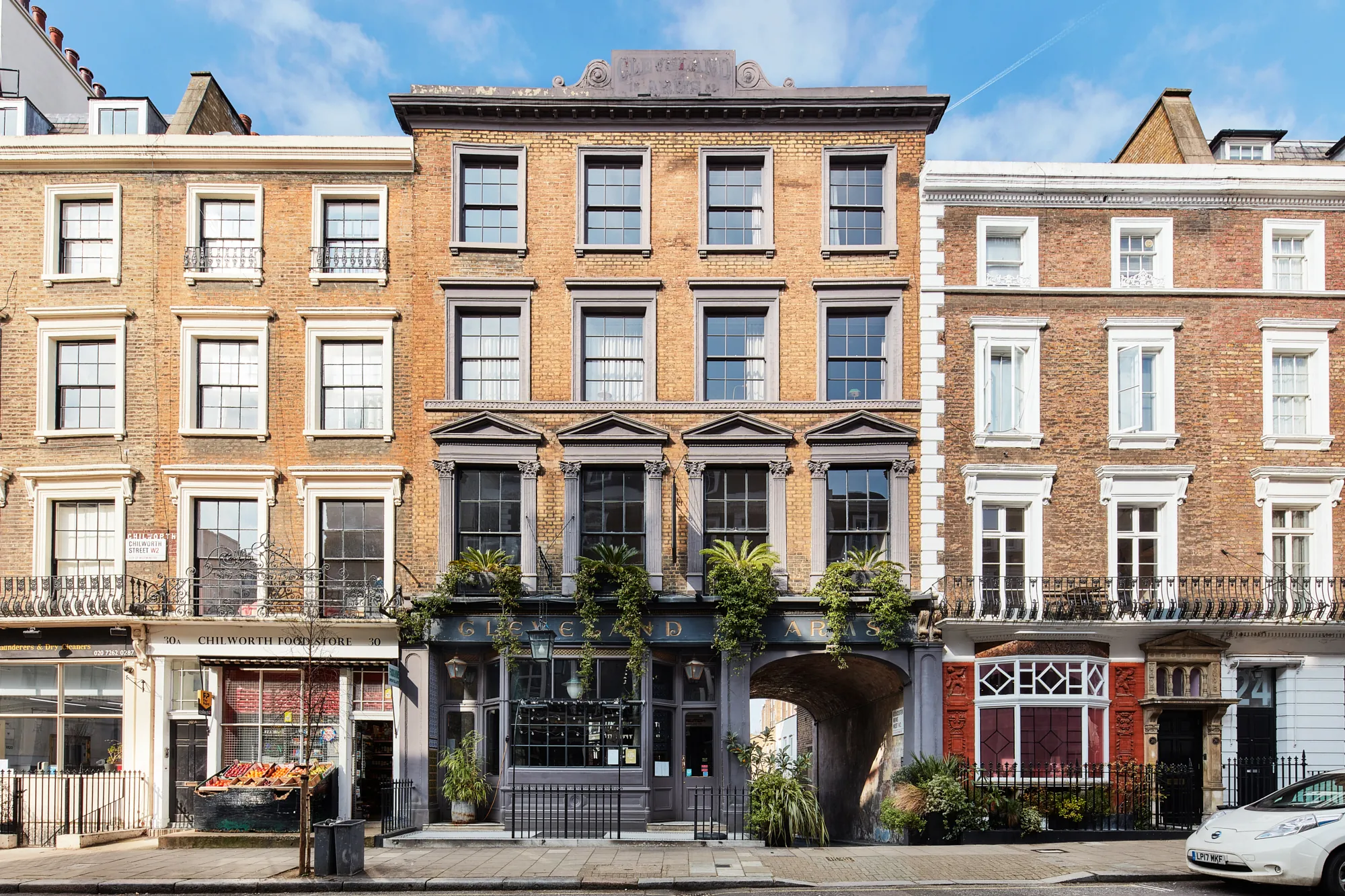
Understanding the average rent in Hampstead requires navigating one of London's most prestigious and historically significant residential markets. Nestled in the borough of Camden, this village-like enclave commands rental premiums that reflect its exceptional amenities, verdant spaces, and proximity to central London. Our team at Seymont London has analysed the latest data from the Office for National Statistics and HM Land Registry to provide a comprehensive overview of what tenants and landlords can expect when entering the Hampstead rental market in 2024.
Current Hampstead Rent Prices Across Property Types
The rental landscape in Hampstead demonstrates considerable variation depending on property size and configuration. According to ONS data, studio apartments command monthly rents between £1,325 and £2,075, offering an entry point into this distinguished postcode for young professionals and those seeking a pied-à-terre near the Heath.
One-bedroom properties range from £1,750 to £2,725 per calendar month, whilst two-bedroom flats and houses typically achieve between £2,375 and £3,725. The family market begins in earnest with three-bedroom homes, where Hampstead rent prices span £3,175 to £4,950 monthly, reflecting the premium placed on school catchment areas and garden space.
Four-bedroom properties occupy the £4,225 to £6,600 bracket, often representing substantial period conversions or purpose-built family houses within walking distance of Hampstead Village. At the upper end of the market, five-bedroom and larger homes command between £5,550 and £8,675 per month, frequently featuring the period architecture, private gardens, and architectural distinction that define the area's most sought-after addresses.
These figures position Hampstead firmly within London's premium rental tier, though our experience suggests that properties offering exceptional period features, Heath proximity, or recent high-specification refurbishment can exceed these ranges significantly. Those considering <a href="/estate-agents/hampstead">estate agents in Hampstead</a> should expect rental values to reflect not merely square footage but the intangible qualities that make this neighbourhood exceptional.
How Much Is Rent in Hampstead Compared to Neighbouring Areas
Hampstead's rental market operates within a distinctive ecosystem that includes West Hampstead, South Hampstead, and the wider NW3 and NW6 postcodes. West Hampstead, with its excellent transport links including Thameslink, Jubilee line, and Overground services, typically offers more competitive pricing whilst maintaining many of the area's advantages, making it an increasingly popular choice for renters seeking value without sacrificing connectivity.
South Hampstead occupies a middle ground, both geographically and in terms of rental pricing, benefiting from proximity to both Hampstead's village atmosphere and West Hampstead's transport infrastructure. The premium for prime Hampstead Village itself—particularly properties overlooking or adjacent to Hampstead Heath—can add 20-35% to rental values compared to these neighbouring postcodes.
What distinguishes Hampstead from adjacent areas extends beyond mere geography. The combination of the 790-acre Hampstead Heath, the concentration of independent shops and cafes along Hampstead High Street, the architectural heritage of Flask Walk and Church Row, and the area's celebrated cultural associations create a rental premium that persists across market cycles. Our team observes that tenants are increasingly willing to pay this premium for the lifestyle benefits, particularly those relocating from international markets where green space commands similar premiums.
For landlords assessing <a href="/let-your-property/hampstead">letting their property in Hampstead</a>, understanding these micro-market distinctions proves essential to achieving optimal rental returns whilst minimising void periods.
Hampstead Rental Yields and Investment Considerations
Calculating Hampstead rental yields requires contextualising rental income against the area's substantial property values. Recent HM Land Registry data indicates a median sale price of £846,750 across 168 transactions, with flats achieving a median of £750,000, terraced houses £1,800,000, and semi-detached properties commanding £4,800,000.
For a typical two-bedroom flat purchased at the median price of £750,000 and achieving £3,000 monthly rent (within the £2,375-£3,725 range), the gross rental yield calculates to approximately 4.8% annually. This figure sits below the London average of 5-6%, reflecting Hampstead's status as a capital preservation and lifestyle investment rather than a pure yield play.
However, these headline yields don't capture the full investment picture. Hampstead demonstrates exceptional tenant demand, with our experience indicating average void periods significantly below the London average. The area attracts high-quality tenants—often professionals, academics affiliated with nearby institutions, and international families—who typically maintain properties to exceptional standards and pursue longer tenancies.
Furthermore, Hampstead's historical price resilience during market downturns provides a counterbalance to modest yields. The combination of Green Belt protection limiting supply, enduring cultural cachet, and the irreplaceable amenity of the Heath creates fundamental demand dynamics that support long-term capital appreciation. For investors with longer time horizons, total returns (yield plus capital growth) have historically compared favourably with higher-yielding but more volatile London submarkets.
Those examining <a href="/house-prices/hampstead">house prices in Hampstead</a> alongside rental data will note that yield compression at the upper end of the market—particularly for properties exceeding £3 million—suggests these acquisitions are driven primarily by lifestyle considerations rather than investment metrics.
Talk to Seymont
What's your home worth?
A considered view on price, timing and how to bring your London home to market — a personal reply within 24 hours.
Your property
Step 1 of 2Factors Influencing Rental Demand in Hampstead
Several enduring factors sustain rental demand across Hampstead's diverse property stock. The Heath itself functions as the area's defining amenity—offering 790 acres of ancient woodland, meadows, and swimming ponds that create an almost rural atmosphere within Zone 2. For families, the proximity to outstanding state and independent schools creates fierce competition for properties within specific catchment areas, particularly around election times when school places are allocated.
Transport connectivity, whilst not Hampstead's primary selling point, remains entirely adequate for most requirements. Hampstead and Belsize Park stations on the Northern line provide direct access to the City, West End, and South London, whilst the Overground services from Hampstead Heath station connect to the wider London rail network. Our team notes that many Hampstead tenants—particularly those working in Canary Wharf or the City—prioritise quality of life over minimal commute times.
The concentration of cultural amenities reinforces Hampstead's appeal to a specific tenant demographic. From the Everyman Cinema to Keats House, from the Flask and Holly Bush pubs to the independent bookshops and galleries of Hampstead Village, the area offers a self-contained lifestyle that reduces dependence on central London's offerings. This village atmosphere, rare in inner London, commands particular premiums among tenants seeking community alongside convenience.
Recent market dynamics have amplified certain trends. The shift towards home-working has increased demand for properties with dedicated office space or garden access, whilst international students and academics seeking rentals near institutions in Bloomsbury and King's Cross view Hampstead as an attractive, quieter alternative to staying in central postcodes. Those searching for <a href="/property-for-sale/hampstead">property for sale in Hampstead</a> increasingly compete with investors recognising these structural demand drivers.

Seasonal Patterns and Market Outlook
Hampstead's rental market exhibits pronounced seasonality driven largely by the academic calendar and family moving patterns. We observe peak demand during July and August as families coordinate moves with the summer school break, creating upward pressure on rents and reducing negotiating leverage for tenants. A secondary peak occurs in September and early October as the new academic year commences and international students secure accommodation.
Conversely, the winter months from November through February typically see softening demand and increased landlord flexibility on rental terms. Tenants with timing flexibility can occasionally secure 5-10% discounts during this quieter period, though Hampstead's fundamental supply constraints mean that exceptional properties maintain pricing power year-round.
Looking forward, several factors suggest continued strength in Hampstead's rental market. London's chronic undersupply of quality housing, particularly family-sized homes with outside space, shows no signs of resolution. Planning restrictions and conservation area protections limit new development, whilst the Heath's Green Belt designation ensures Hampstead's essential character remains protected from densification.
The return of international tenants following pandemic-related disruptions has restored a key demand segment, whilst growing numbers of domestic tenants—particularly those who might historically have purchased but face affordability challenges—are extending their rental periods and demanding higher-quality stock. These structural factors underpin our expectation that average rent in Hampstead will continue tracking above inflation over the medium term, albeit with periodic fluctuations reflecting broader economic conditions.
For both landlords and tenants, understanding these cyclical patterns alongside Hampstead's unique market characteristics enables more informed decision-making in what remains one of London's most distinctive and enduringly desirable residential locations.
Talk to Seymont
What's your home worth?
A considered view on price, timing and how to bring your London home to market — a personal reply within 24 hours.
Your property
Step 1 of 2About the author
Thomas LindqvistMortgage & Financing Specialist
Thomas advised buyers for a decade at Ashgrove Financial, an independent brokerage, on borrowing capacity, product selection and the full cost of a purchase, including stamp duty, legal fees and lender charges. He follows rate decisions and lender criteria changes and translates them into what a household can realistically afford. His guides cover affordability, remortgaging and the closing costs that buyers routinely underestimate.
CeMAP qualified · Whole-of-market mortgage advice background
- Mortgages
- Affordability
- Closing costs
- Remortgaging
Frequently asked
- What is the average rent for a two-bedroom flat in Hampstead?
- According to ONS data, two-bedroom properties in Hampstead typically rent for between £2,375 and £3,725 per calendar month. The precise figure depends on factors including the property's condition, proximity to Hampstead Heath, period features, and whether it's a flat or house. Properties in prime Hampstead Village locations or those recently refurbished to high specifications tend towards the upper end of this range.
- Is Hampstead more expensive to rent than West Hampstead?
- Yes, prime Hampstead generally commands a 20-35% rental premium over West Hampstead, reflecting its village atmosphere, proximity to Hampstead Heath, architectural heritage, and cultural amenities. However, West Hampstead offers superior transport links with Thameslink, Jubilee line, and Overground services, making it an attractive alternative for renters prioritising connectivity and value whilst remaining close to Hampstead's lifestyle benefits.
- What rental yields can landlords expect in Hampstead?
- Hampstead typically delivers gross rental yields of 4-5%, below the London average due to high property values. A two-bedroom flat purchased at the median price of £750,000 and rented for £3,000 monthly would yield approximately 4.8% annually. However, Hampstead attracts high-quality tenants, experiences low void periods, and demonstrates strong capital appreciation, making total returns competitive despite modest yields.
- When is the best time to rent a property in Hampstead?
- For tenants seeking the widest choice, July and August offer peak inventory as families coordinate moves with school holidays, though competition is fierce. For better value, November through February represents the quieter period when landlords may offer more flexible terms. However, exceptional properties in prime locations maintain pricing power year-round due to Hampstead's fundamental supply constraints.
- Why are Hampstead rents higher than most London areas?
- Hampstead's premium reflects multiple factors: the 790-acre Hampstead Heath providing unmatched green space in Zone 2, outstanding schools creating fierce demand among families, exceptional period architecture in conservation areas, village-like atmosphere with independent shops and cultural amenities, and strict planning protections limiting supply. These characteristics create enduring demand from tenants prioritising quality of life alongside London connectivity.