Journal
The Best Areas to Live in Hampstead
Written by Thomas Lindqvist · Mortgage & Financing Specialist
Published 5 June 2026 · Updated 7 July 2026 · 6 min read
The short answer
Best areas to live in Hampstead Here is our local view. Hampstead has long captivated Londoners seeking a rare combination of urban sophistication and village tranquillity.
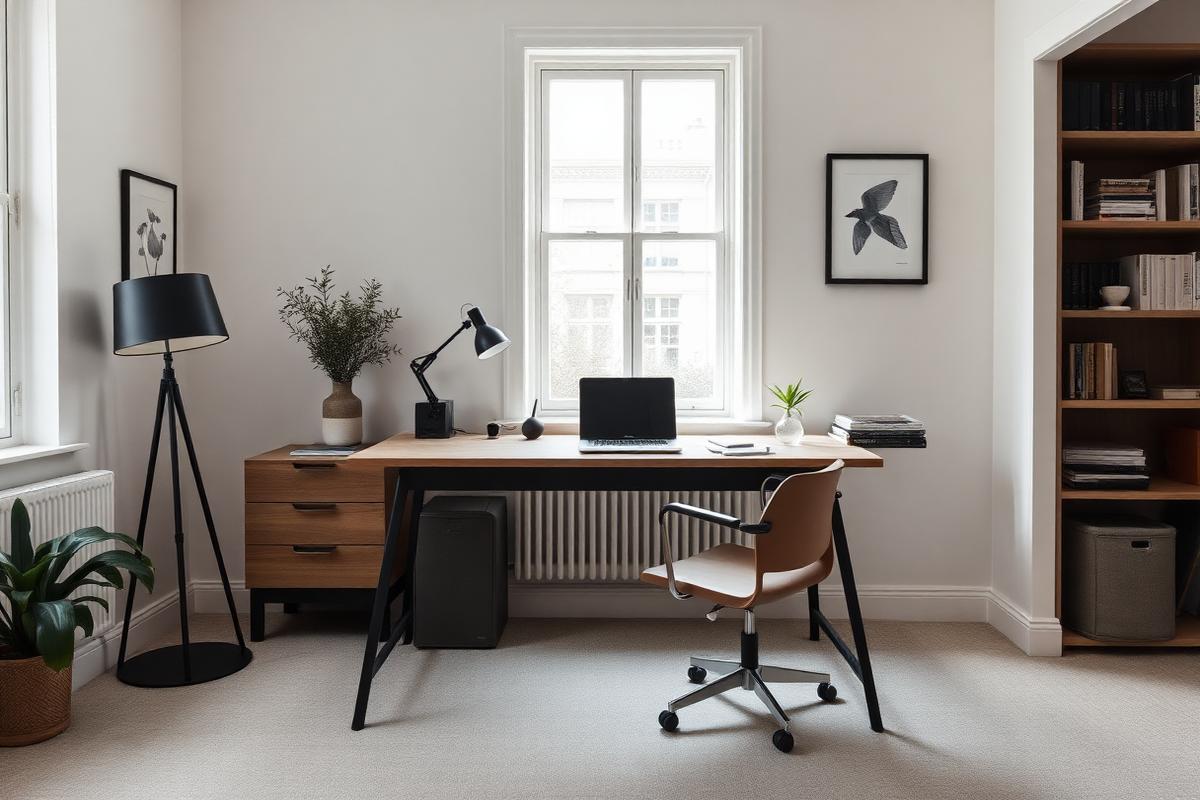
Best areas to live in Hampstead Here is our local view. Hampstead has long captivated Londoners seeking a rare combination of urban sophistication and village tranquillity. When deciding where to live in Hampstead, understanding the distinct character of each neighbourhood becomes essential—from the literary charm of the village centre to the architectural grandeur surrounding the Heath. Our team has witnessed firsthand how Hampstead's best streets command enduring appeal, drawing families, professionals and cultural enthusiasts to one of London's most coveted postcodes. With a median property price of £846,750 according to HM Land Registry data, choosing the right area within Hampstead requires careful consideration of atmosphere, amenities and architectural heritage.
Hampstead Village: The Historic Heart
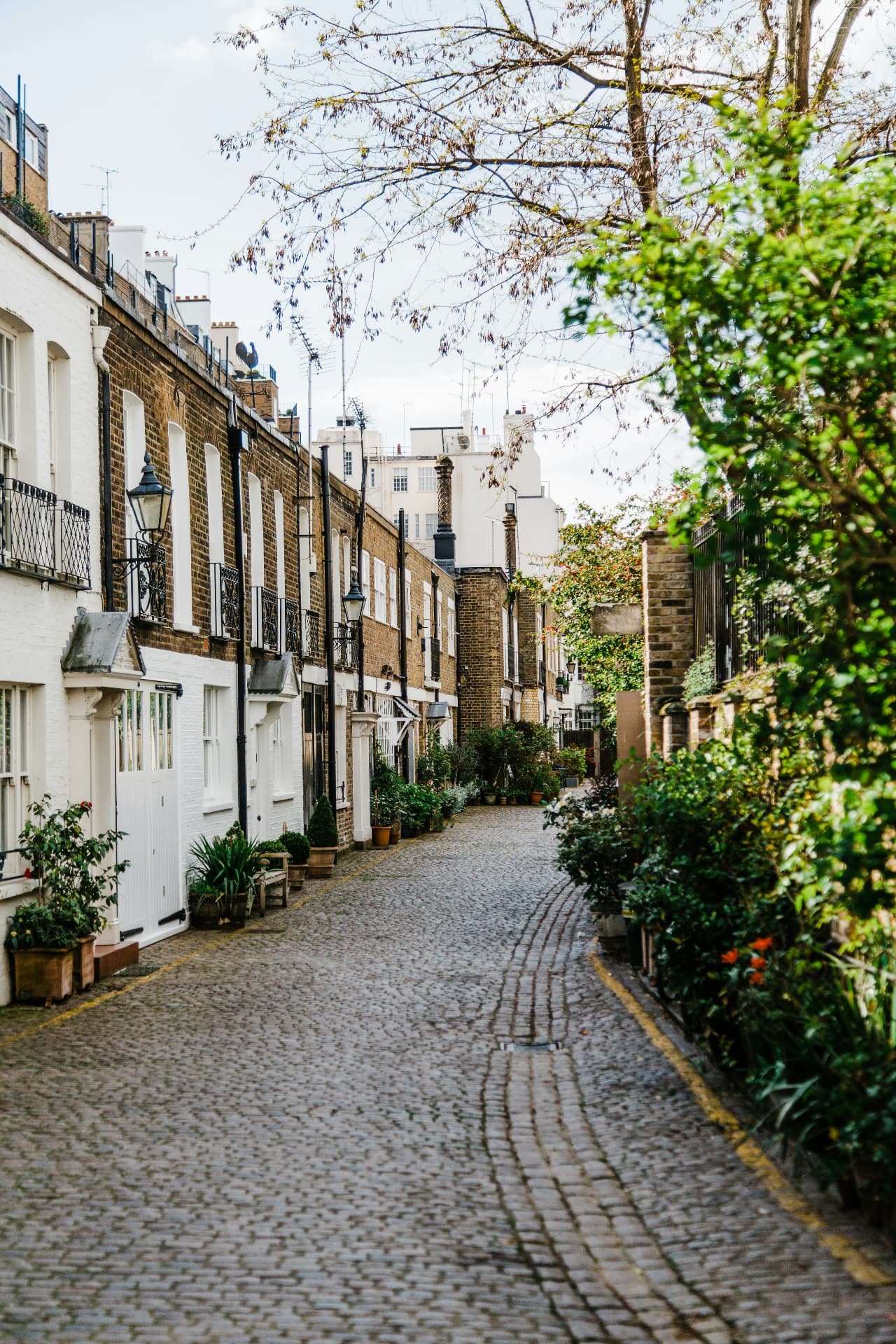
The village centre remains Hampstead's most recognisable quarter, where narrow lanes wind past Georgian townhouses, independent bookshops and historic pubs that have served the literary and artistic community for centuries. Flask Walk and Church Row exemplify the architectural distinction that defines this area, with their Grade II-listed facades and proximity to the bustling High Street creating an enviable balance of heritage and convenience.
Living in Hampstead Village means embracing a pedestrian-friendly lifestyle where farmers' markets, artisan bakeries and traditional pubs sit within moments of your doorstep. The area attracts those who value cultural heritage—many properties retain original features from the 18th and 19th centuries, from sash windows to ornate ironwork. According to HM Land Registry data, terraced houses in the Hampstead area achieve a median price of £1,800,000, reflecting the premium placed on period authenticity.
The village's community spirit remains palpable, with residents gathering at venues like the Everyman Cinema or browsing the independent retailers along Hampstead High Street. We've observed how buyers are drawn not merely to property but to a way of life—one where cobbled streets, literary history and neighbourhood familiarity create a sense of belonging rare in central London. For those seeking quintessential Hampstead character, the village represents the area's soul.
South Hampstead: Elegant Victorian Terraces
South Hampstead offers a distinct proposition for those seeking generous family homes with excellent transport connections. The area's wide, tree-lined avenues showcase some of London's finest Victorian and Edwardian terraces, with streets like Netherhall Gardens and Broadhurst Gardens renowned for their architectural consistency and substantial proportions.
This neighbourhood particularly appeals to families drawn by the catchment areas of outstanding schools and the blend of residential calm with Zone 2 accessibility. South Hampstead station provides Overground services, whilst Swiss Cottage and Finchley Road stations offer proximity to the Jubilee and Metropolitan lines. The area has cultivated a thriving community atmosphere, centred around the independent shops and cafés of England's Lane and the green spaces of Fortune Green.
Property in South Hampstead tends to offer more square footage than comparable Hampstead Village homes, making it especially attractive to growing families. ONS rental data indicates that three-bedroom properties command between £3,175 and £4,950 per month, whilst purchasers can explore [property for sale in Hampstead](/property-for-sale/hampstead) across various Victorian and Edwardian styles. We've noticed how the neighbourhood's residential character—quieter than the village yet equally well-connected—appeals to professionals seeking space without sacrificing London's cultural offerings.
West Hampstead: Cosmopolitan Connectivity
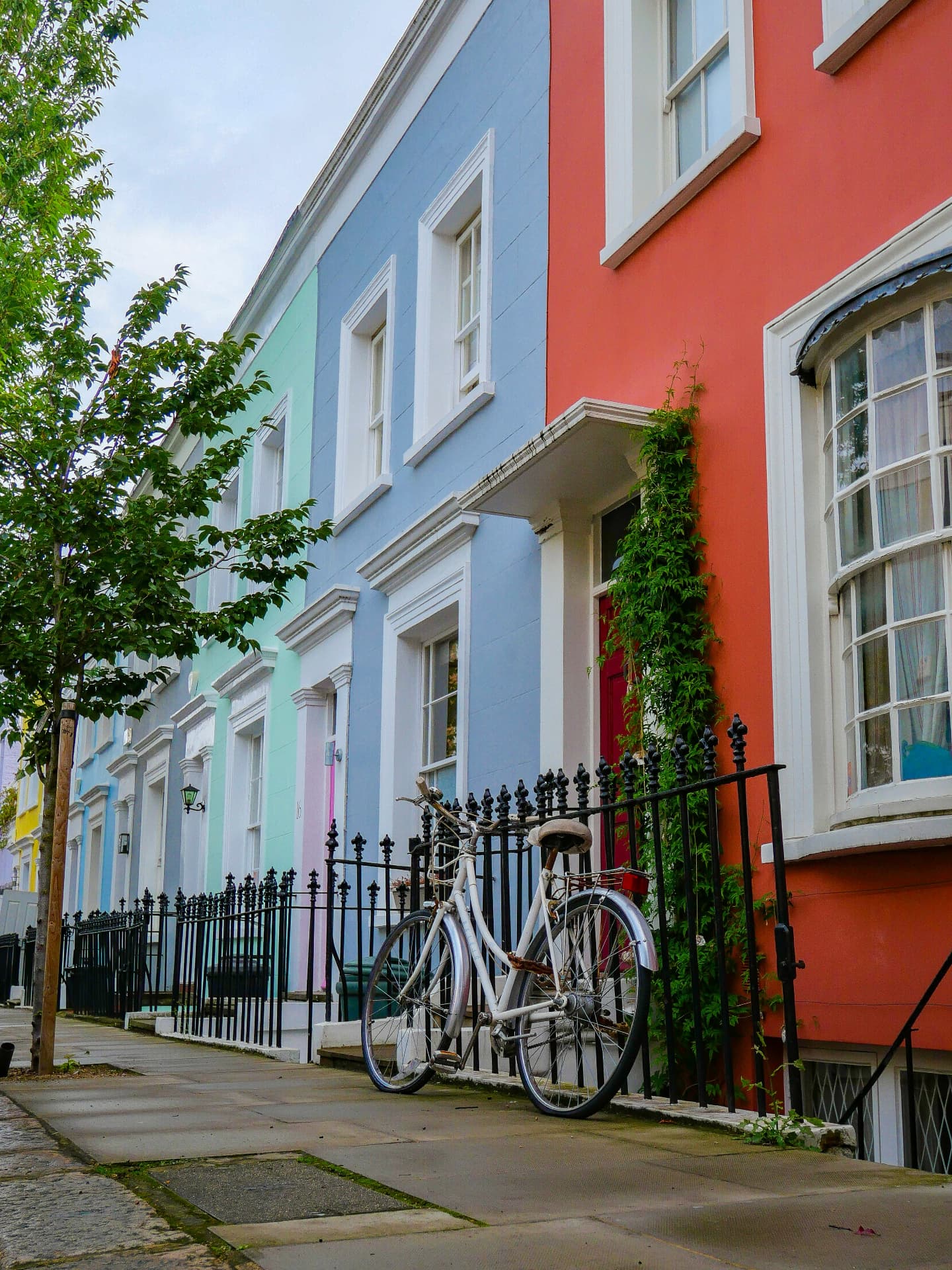
West Hampstead represents Hampstead's most cosmopolitan quarter, where three railway stations converge to create one of north London's best-connected residential hubs. The Thameslink, Overground and Jubilee line services make this area particularly attractive to professionals commuting across London, whilst the neighbourhood's independent restaurants, wine bars and delicatessens foster a vibrant street culture along West End Lane.
The housing stock here differs markedly from the village's period charm, with substantial Victorian conversions and purpose-built mansion blocks offering a range of flat configurations. According to HM Land Registry data, flats in the Hampstead area sold for a median of £750,000, with West Hampstead providing varied options from studio apartments to lateral conversions. The area has undergone significant regeneration in recent years, with new developments complementing the existing Victorian fabric.
We've observed how West Hampstead attracts a younger demographic than other Hampstead neighbourhoods, drawn by the area's energy, affordability relative to the village, and exceptional transport links. The neighbourhood maintains its own distinct identity—less village-like than Hampstead proper, more urban and diverse, yet sharing the same appreciation for independent businesses, green spaces and community spirit. For those prioritising connectivity and contemporary amenities, West Hampstead offers compelling value within the broader Hampstead area.
Talk to Seymont
What's your home worth?
A considered view on price, timing and how to bring your London home to market — a personal reply within 24 hours.
Your property
Step 1 of 2Frognal and Fitzjohns: Architectural Distinction
The residential enclaves of Frognal and Fitzjohns Avenue represent where Hampstead's architectural ambition reaches its zenith. These tree-lined roads climbing towards the Heath showcase an extraordinary collection of Arts and Crafts, Queen Anne Revival and modernist villas—many designed by architects of national significance. The area exudes quiet exclusivity, with substantial gardens, private drives and architectural variety creating a neighbourhood character unlike anywhere else in London.
Frognal particularly attracts those seeking detached or semi-detached family homes with generous grounds. HM Land Registry data reveals that semi-detached properties in Hampstead achieved a median price of £4,800,000, whilst detached homes reached £4,200,000, reflecting the premium commanded by these rare configurations. The proximity to University College School and other prestigious institutions adds educational appeal to the architectural distinction.
Walking these streets reveals how Hampstead became a haven for artists, intellectuals and architects throughout the 20th century—nearly every turn presents another architectural gem, from Lutyens-influenced mansions to modernist glass-and-steel statements. We guide clients through this area knowing that properties here represent not merely homes but pieces of architectural history. For those with sufficient budget and appreciation for design heritage, Frognal and Fitzjohns offer Hampstead at its most distinguished.
Around Hampstead Heath: Natural Splendour
The streets bordering Hampstead Heath—including those near South End Green and the Vale of Health—offer perhaps the area's most compelling lifestyle proposition. Living within moments of 790 acres of ancient parkland, woodland and swimming ponds creates a daily existence more reminiscent of countryside living than Zone 2 London. Properties with Heath views or direct access command significant premiums, recognised by buyers seeking that rare urban-rural balance.
The Vale of Health deserves particular mention as one of London's most unusual residential pockets—a cluster of houses gathered around a small green, accessible only by footpath, creating an almost secret village atmosphere. Similarly, the streets running between Hampstead Village and the Heath extension towards Kenwood House benefit from both village amenities and immediate access to nature.
Understanding [house prices in Hampstead](/house-prices/hampstead) reveals how Heath proximity influences value across all property types. We've observed how buyers increasingly prioritise outdoor space and natural access following recent years, making these Heath-adjacent neighbourhoods particularly sought-after. Whether you're drawn to morning swims in the ponds, weekend walks through ancient woodland, or simply the psychological benefit of green space, choosing where to live in Hampstead often centres on proximity to this magnificent natural asset. Our team can provide guidance on which streets offer the best Heath access for your lifestyle priorities.
Finding Your Perfect Hampstead Neighbourhood
Selecting among Hampstead's best streets requires matching neighbourhood character to personal priorities. Families often gravitate towards South Hampstead's spacious terraces and school catchments, whilst professionals may prefer West Hampstead's transport connections and vibrant high street. Those seeking architectural heritage and village charm typically focus on Hampstead Village itself, whilst buyers with larger budgets explore the distinguished properties of Frognal or Heath-adjacent streets.
Rental options span all neighbourhoods, with ONS data showing studio flats available from £1,325 to £2,075 monthly, whilst five-bedroom homes range from £5,550 to £8,675. Whether you're considering purchase or exploring options to [let your property in Hampstead](/let-your-property/hampstead), understanding each area's distinct appeal ensures alignment between location and lifestyle.
Our team at [Seymont London's Hampstead office](/estate-agents/hampstead) has guided countless clients through these neighbourhood decisions, recognising that the best areas to live in Hampstead vary according to individual circumstances. What remains constant across all Hampstead neighbourhoods is the combination of cultural richness, architectural quality, green space access and community spirit that makes this corner of London perpetually desirable. We invite you to explore these distinct quarters with us, discovering which Hampstead neighbourhood feels like home.
Talk to Seymont
What's your home worth?
A considered view on price, timing and how to bring your London home to market — a personal reply within 24 hours.
Your property
Step 1 of 2About the author
Thomas LindqvistMortgage & Financing Specialist
Thomas advised buyers for a decade at Ashgrove Financial, an independent brokerage, on borrowing capacity, product selection and the full cost of a purchase, including stamp duty, legal fees and lender charges. He follows rate decisions and lender criteria changes and translates them into what a household can realistically afford. His guides cover affordability, remortgaging and the closing costs that buyers routinely underestimate.
CeMAP qualified · Whole-of-market mortgage advice background
- Mortgages
- Affordability
- Closing costs
- Remortgaging
Frequently asked
- What is the average house price in Hampstead?
- According to HM Land Registry data, the median property price in Hampstead is £846,750. However, this varies significantly by property type: flats typically sell for a median of £750,000, terraced houses for £1,800,000, semi-detached properties for £4,800,000, and detached homes for £4,200,000. Prices also vary considerably depending on the specific neighbourhood, street, and proximity to Hampstead Heath.
- Which part of Hampstead is best for families?
- South Hampstead is particularly popular with families due to its generous Victorian and Edwardian terraced houses, excellent school catchment areas, and strong community atmosphere centred around England's Lane. The neighbourhood offers more space than Hampstead Village at relatively better value, whilst maintaining excellent transport links and access to green spaces. Areas near the Heath also appeal to families seeking outdoor space and natural surroundings.
- Is Hampstead Village expensive to live in?
- Yes, Hampstead Village commands premium prices due to its historic character, architectural heritage, and village amenities. Terraced houses achieve a median price of £1,800,000 according to HM Land Registry data, whilst properties on the most sought-after streets such as Church Row and Flask Walk often exceed this significantly. Rental costs are also elevated, with ONS data showing three-bedroom properties ranging from £3,175 to £4,950 monthly depending on specific location and property condition.
- What is the difference between Hampstead, South Hampstead and West Hampstead?
- Hampstead Village is the historic heart with Georgian architecture, independent shops, and village atmosphere. South Hampstead lies further south with grand Victorian terraces, family-oriented streets, and excellent schools. West Hampstead is the most cosmopolitan area with three railway stations, diverse dining options, and more affordable flats in converted Victorian buildings. Each neighbourhood offers distinct character whilst sharing Hampstead's overall appeal of culture, community and green space access.
- How much does it cost to rent in Hampstead?
- According to ONS data, rental costs in Hampstead vary by property size: studio flats range from £1,325 to £2,075 monthly, one-bedroom properties from £1,750 to £2,725, two-bedroom homes from £2,375 to £3,725, three-bedroom properties from £3,175 to £4,950, four-bedroom houses from £4,225 to £6,600, and five-bedroom homes from £5,550 to £8,675. Costs vary depending on specific neighbourhood, property condition, period features and proximity to the Heath or transport links.