Journal
Things to Do in Dulwich
Written by Thomas Lindqvist · Mortgage & Financing Specialist
Published 8 January 2026 · Updated 16 May 2026 · 6 min read
The short answer
Dulwich remains one of South London's most distinguished addresses, where Georgian elegance meets village tranquillity just five miles from central London. When exploring the many things to do in Dulwich, visitors and residents alike discover a rare combination of cultural heritage, verdant open spaces and independent character that sets this area apart from the capital's more frenetic neighbourhoods.
Dulwich remains one of South London's most distinguished addresses, where Georgian elegance meets village tranquillity just five miles from central London. When exploring the many things to do in Dulwich, visitors and residents alike discover a rare combination of cultural heritage, verdant open spaces and independent character that sets this area apart from the capital's more frenetic neighbourhoods. Spanning Dulwich Village, East Dulwich and West Dulwich, this corner of Southwark borough offers an exceptional quality of life that continues to attract discerning buyers and renters seeking both sophistication and substance.
World-Class Art and Cultural Attractions
The Dulwich Picture Gallery anchors the area's cultural offering as England's first purpose-built public art gallery, designed by Sir John Soane and opened in 1817. This architectural masterpiece houses one of the finest collections of Old Master paintings in the country, including works by Rembrandt, Canaletto, Poussin and Gainsborough. The gallery's innovative exhibitions programme ensures there's always something new to discover, whilst its elegant rooms and tranquil gardens provide a contemplative escape that feels worlds away from London's busier museums.
Beyond the Picture Gallery, Dulwich College itself—founded in 1619 by Elizabethan actor Edward Alleyn—contributes significantly to the area's architectural heritage. The Victorian Gothic campus, designed by Charles Barry Jr, creates a stunning backdrop for walks through the neighbourhood, particularly when viewed from the surrounding Dulwich Wood or Dulwich Park. The Dulwich Pavilion, an annual architectural commission in the gallery's grounds, has become a celebrated summer fixture that draws architecture enthusiasts from across London.
For theatre lovers, the nearby Upstairs at the Gatehouse and various pop-up cultural events in Dulwich Village provide intimate performance experiences. Local churches, including St Barnabas and St Stephen's, regularly host concerts featuring everything from baroque chamber music to contemporary compositions, enriching the area's cultural calendar throughout the year.
Green Spaces and Outdoor Pursuits
Dulwich Park's 72 acres form the green heart of what to do in Dulwich for families and outdoor enthusiasts. This beautifully maintained Victorian park features ornamental gardens, a boating lake, cycling facilities and an award-winning café. The American Garden showcases spectacular rhododendrons and azaleas each spring, whilst the park's tree collection—including several champion specimens—provides year-round interest. Pedalos on the lake offer gentle summer entertainment, and the dedicated cycling circuit makes it an ideal spot for children learning to ride.
Dulwich Wood and Sydenham Hill Wood together form one of the largest remaining tracts of ancient woodland in London. These atmospheric spaces harbour rare plants, mature oaks and even the ruins of the old Crystal Palace railway line, creating a genuine sense of wilderness within the capital. For those seeking Dulwich attractions that combine exercise with natural beauty, the Green Chain Walk passes through the area, connecting Dulwich to a broader network of South London green spaces stretching all the way to the Thames.
Belair Park, with its Grade II-listed Georgian mansion and functioning art gallery, offers another dimension to Dulwich's green credentials. The park's open meadows, woodland walks and peaceful atmosphere make it a favourite for contemplative afternoon strolls, whilst Dulwich Common provides additional space for dog walking and casual recreation that residents treasure as an everyday luxury.
Village Charm and Independent Shopping
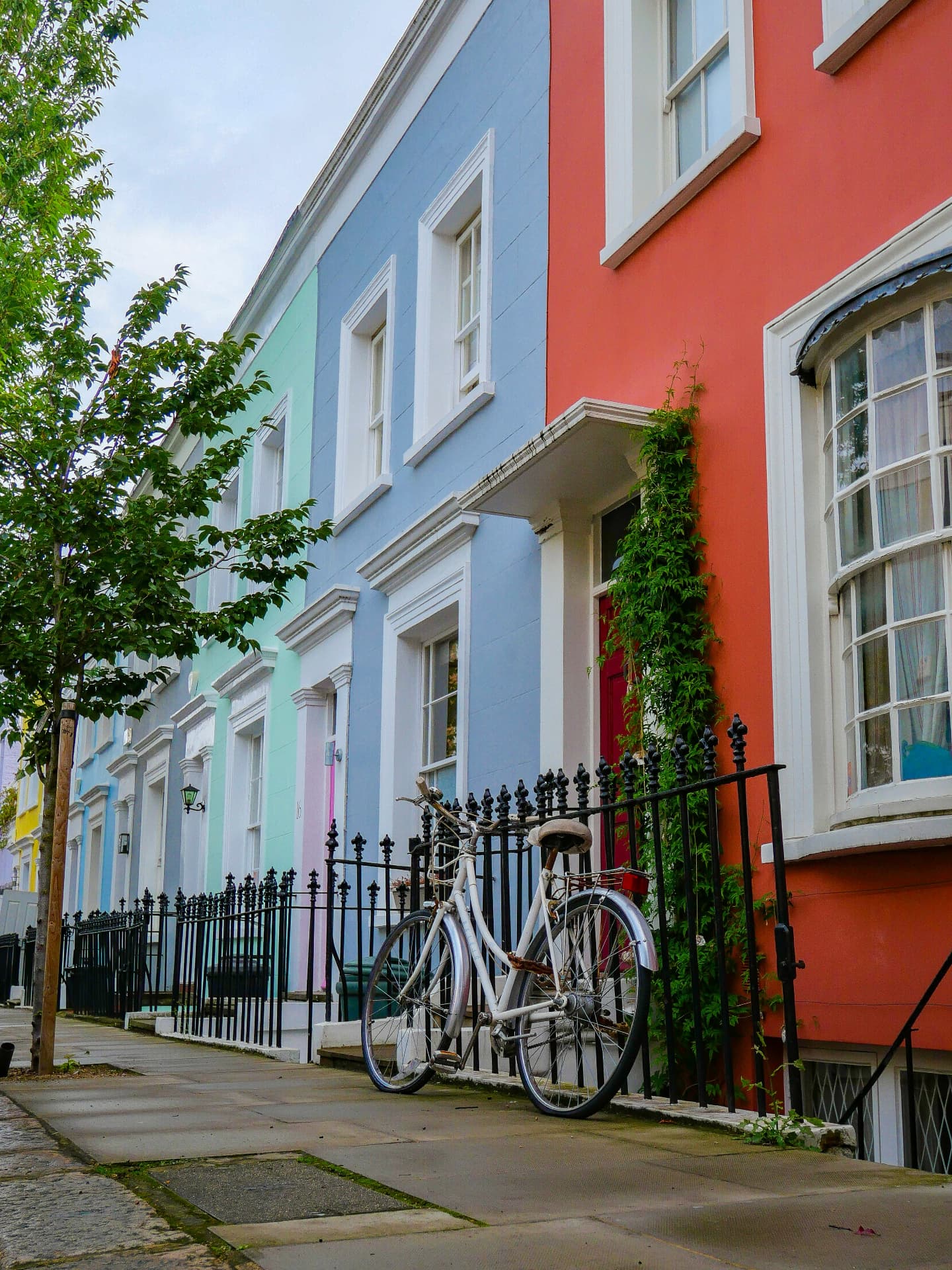
Dulwich Village retains an authentic village high street character increasingly rare in modern London. Independent shops, artisan food retailers and traditional pubs cluster around the historic core, creating a browsing experience that rewards leisurely exploration. The Sunday farmers' market brings together local producers offering everything from sourdough bread to seasonal vegetables, whilst specialist shops like Flock & Herd provide carefully curated homewares that reflect the area's discerning tastes.
East Dulwich offers a different but equally compelling retail landscape along Lordship Lane and Northcross Road. Here, an eclectic mix of boutiques, bookshops, delis and design-led homeware stores caters to creative professionals who have made this neighbourhood their own. The independent spirit extends to services as well—wine merchants, picture framers and specialist food shops create a shopping ecosystem that prioritises quality and personal service over corporate convenience.
West Dulwich, whilst quieter, contributes its own selection of neighbourhood essentials and hidden gems. The area's position between Dulwich Village and Herne Hill means residents enjoy access to multiple shopping destinations whilst maintaining a peaceful residential character. This variety across the Dulwich area ensures that whether you're seeking artisan coffee, contemporary fashion or simply excellent produce, you'll find options that reflect genuine local character rather than chain-store uniformity.
Talk to Seymont
What's your home worth?
A considered view on price, timing and how to bring your London home to market — a personal reply within 24 hours.
Your property
Step 1 of 2Culinary Scene and Social Spaces
Dulwich's restaurant and café culture balances quality with approachability, eschewing the self-conscious trendiness of some London neighbourhoods in favour of consistent excellence. From the seasonal British menu at Belair House to the neighbourhood Italian cooking that characterises several Lordship Lane establishments, dining options span informal brunches to special-occasion dinners. The Palmerston and The Actress pubs exemplify the area's approach—traditional spaces elevated by exceptional food and thoughtfully chosen wine lists.
Coffee culture thrives throughout all three Dulwich areas, with independent roasters and cafés creating welcoming spaces that function as genuine community hubs. These establishments serve not just excellent coffee but provide the informal gathering spaces where local networks form and flourish. Several venues have developed loyal followings based on their combination of quality products, comfortable environments and staff who remember regular customers' preferences.
The area's pubs deserve particular mention in any Dulwich weekend guide. Historic coaching inns like The Crown & Greyhound maintain their period charm whilst offering contemporary comfort, and The Herne Tavern's garden has become legendary among South London pub-goers. These venues strike an increasingly rare balance—they're sophisticated enough to satisfy demanding palates but relaxed enough to welcome families, dog walkers and everyone in between, creating the social fabric that makes Dulwich genuinely liveable.
Living in Dulwich: Property and Community
The area's enduring appeal translates into robust property demand across all sectors. According to HM Land Registry data, the median property price in Dulwich recently stood at £612,500, with significant variation by property type reflecting the area's diverse housing stock. Flats attracted a median price of £477,500, offering entry points for first-time buyers and young professionals, whilst terraced houses commanded £876,875, appealing to growing families seeking village atmosphere with excellent school access.
Semi-detached properties, at a median of £1,377,500, and the limited number of detached houses (median £1,675,000) represent the upper end of the market, typically offering substantial gardens and period features that justify premium pricing. The rental market similarly reflects Dulwich's desirability, with ONS data indicating studio apartments ranging from £975 to £1,500 monthly, one-bedroom properties from £1,275 to £1,975, and family-sized three-bedroom homes commanding £2,300 to £3,600 per month.
For those considering [property for sale in Dulwich](/property-for-sale/dulwich), the investment proposition extends beyond bricks and mortar to encompass lifestyle and community. Outstanding schools—both state and independent—consistently rank among parents' primary motivations for moving here, whilst the area's transport links (East Dulwich, West Dulwich and North Dulwich stations provide regular services into central London) maintain crucial connectivity for professionals. Our team at Seymont London observes that buyers increasingly value Dulwich's established community networks, from residents' associations to sports clubs, that create genuine neighbourhood cohesion.
Those exploring [estate agents in Dulwich](/estate-agents/dulwich) frequently comment on the area's stability—this is a neighbourhood where people choose to put down roots rather than viewing properties as stepping stones. Understanding [house prices in Dulwich](/house-prices/dulwich) requires appreciating the intangible premium that comes from joining a community with such deep-rooted cultural and social infrastructure, where generations of families have chosen to raise children amid the same tree-lined streets and village greens.
Practical Considerations and Getting Around
Transport connections prove more nuanced than in some London locations, which paradoxically contributes to Dulwich's village character. The area sits between Underground stations, relying instead on National Rail services from East Dulwich, West Dulwich and North Dulwich stations that provide regular journeys to London Bridge, Victoria and Blackfriars. This rail-focused transport creates a natural buffer against over-development whilst maintaining perfectly adequate connectivity for most residents' needs.
Bus services supplement rail connections comprehensively, with multiple routes linking Dulwich to surrounding areas including Brixton, Peckham, Clapham and beyond. For cyclists, Dulwich's position on Southwark's Quietway network and proximity to dedicated cycle routes makes pedal-powered commuting genuinely practical. Many residents find that the combination of rail, bus and bicycle provides sufficient mobility whilst avoiding the congestion charges and parking headaches associated with car dependency in inner London.
The area's facilities extend beyond transport to include excellent medical services, libraries, sports clubs and community centres that support daily life. Dulwich Sports Club offers tennis, squats and social facilities, whilst Dulwich Leisure Centre provides swimming and fitness options. These practical amenities, combined with the cultural and recreational attractions that define what to do in Dulwich, create a remarkably self-sufficient neighbourhood where residents genuinely can meet most needs locally—an increasingly precious commodity in contemporary London.
Talk to Seymont
What's your home worth?
A considered view on price, timing and how to bring your London home to market — a personal reply within 24 hours.
Your property
Step 1 of 2About the author
Thomas LindqvistMortgage & Financing Specialist
Thomas advised buyers for a decade at Ashgrove Financial, an independent brokerage, on borrowing capacity, product selection and the full cost of a purchase, including stamp duty, legal fees and lender charges. He follows rate decisions and lender criteria changes and translates them into what a household can realistically afford. His guides cover affordability, remortgaging and the closing costs that buyers routinely underestimate.
CeMAP qualified · Whole-of-market mortgage advice background
- Mortgages
- Affordability
- Closing costs
- Remortgaging
Frequently asked
- Is Dulwich well connected to central London?
- Dulwich is served by three National Rail stations—East Dulwich, West Dulwich and North Dulwich—offering regular services to London Bridge (approximately 12-15 minutes), Victoria and Blackfriars. Whilst the area doesn't have Underground access, the combination of rail and comprehensive bus networks provides effective connectivity. Many residents appreciate that this transport arrangement maintains the area's village character whilst still facilitating straightforward central London commutes.
- What makes Dulwich Village different from East and West Dulwich?
- Dulwich Village centres on the historic core around the Picture Gallery and Dulwich College, maintaining a traditional village high street with independent shops and period architecture. East Dulwich, particularly around Lordship Lane, offers a livelier neighbourhood feel with more cafés, restaurants and boutiques attracting younger professionals and families. West Dulwich sits between the two, providing quieter residential streets with excellent transport links and proximity to both village amenities and Herne Hill. Each area has distinct character whilst sharing Dulwich's overall quality of life.
- Are there good schools in Dulwich?
- Dulwich offers exceptional educational provision across both state and independent sectors. Outstanding state primaries include Dulwich Village Church of England Infants' School and Judith Kerr Primary School, whilst Alleyn's School, Dulwich College and James Allen's Girls' School represent the independent sector. The concentration of highly regarded schools consistently ranks among the primary reasons families choose to move to the area, though this demand naturally influences local property prices.
- What are property prices like in Dulwich compared to surrounding areas?
- According to HM Land Registry data, Dulwich's median property price of £612,500 reflects its premium position within South London. Flats start from a median of £477,500, whilst family houses range from £876,875 for terraced properties to over £1.3 million for semi-detached homes. These prices sit above neighbouring areas like Peckham or Honor Oak but represent value compared to similarly characterful North London villages. The premium reflects outstanding schools, cultural amenities, green spaces and village atmosphere that few London locations can match.
- Can you visit Dulwich Picture Gallery without living in the area?
- Absolutely—Dulwich Picture Gallery welcomes visitors from across London and beyond, offering one of the capital's finest art collections in a beautiful, uncrowded setting. The gallery hosts regular temporary exhibitions alongside its permanent Old Masters collection, and the grounds include a café and gardens perfect for leisurely visits. Entry fees apply, though the gallery offers free admission to under-18s and various concessions. Many visitors combine gallery trips with walks through Dulwich Park or lunch in Dulwich Village, making it an ideal destination for a cultured South London day out.