Journal
Things to Do in Belgravia: A Curated Guide to London's Most Distinguished Quarter
Written by Amara Bennett · Property Market Analyst
Published 1 April 2026 · Updated 25 July 2026 · 8 min read
The short answer
When exploring things to do in Belgravia, one quickly discovers why this distinguished corner of SW1 has captivated residents and visitors for nearly two centuries. Bordered by Hyde Park Corner, Sloane Street, and the leafy expanse of Pimlico Road, Belgravia remains one of London's most elegant neighbourhoods—a masterpiece of Regency town planning where cream-coloured stucco terraces frame some of the capital's finest garden squares.
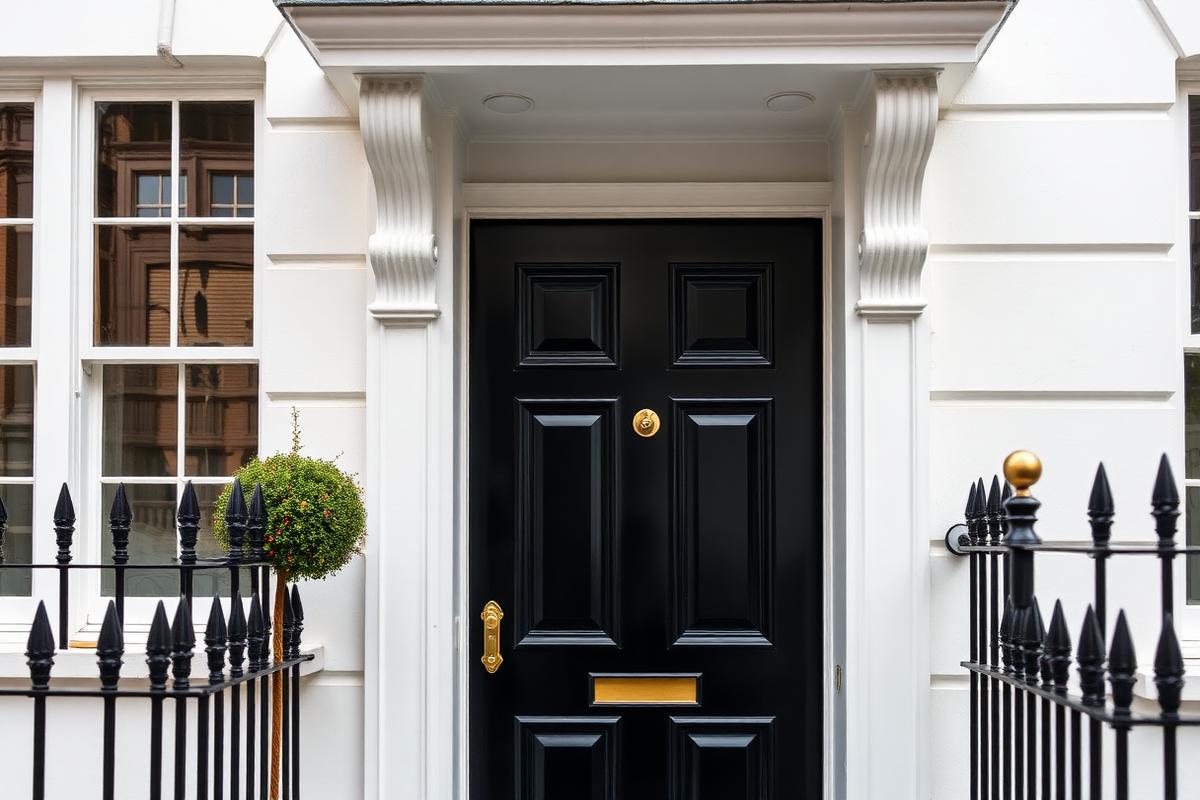
When exploring things to do in Belgravia, one quickly discovers why this distinguished corner of SW1 has captivated residents and visitors for nearly two centuries. Bordered by Hyde Park Corner, Sloane Street, and the leafy expanse of Pimlico Road, Belgravia remains one of London's most elegant neighbourhoods—a masterpiece of Regency town planning where cream-coloured stucco terraces frame some of the capital's finest garden squares. Our team at Seymont London has watched this area evolve whilst maintaining its essential character, and we've curated this guide to help you experience the very best Belgravia attractions. Whether you're considering the neighbourhood as a future address or simply planning a cultured weekend, this Belgravia weekend guide reveals the refined pleasures that define life in SW1.
Exploring Belgravia's Architectural Heritage and Garden Squares
The architecture of Belgravia forms the backdrop to virtually everything you'll do here, and a walking tour of the area's celebrated squares should top any list of what to do in Belgravia. Belgrave Square itself—the neighbourhood's centrepiece and one of London's grandest residential squares—showcases Thomas Cubitt's vision of classical elegance, with its imposing white stucco facades and private gardens creating an oasis of tranquillity mere minutes from Victoria Station.
Eaton Square, stretching languidly from Sloane Square towards Buckingham Palace Road, offers one of London's most photogenic promenades. The elongated garden that runs through its centre provides a verdant ribbon of carefully tended greenery, whilst the surrounding terraces exemplify Regency grandeur at its most confident. South Eaton Place, which branches off the main square, presents a particularly charming enclave where the scale becomes more intimate without sacrificing architectural distinction.
Chester Square and Eccleston Square complete the quartet of major garden squares, each with its own character. The former retains an almost village-like atmosphere despite its prime postcode, whilst the latter—one of London's largest private squares—boasts a remarkable collection of rare plants and trees within its gated gardens. These squares aren't merely historical curiosities; they remain vibrant residential addresses where according to HM Land Registry data, the median property price stands at £1,800,000, with terraced houses commanding a median of £2,812,500.
For those interested in Belgravia property for sale or exploring property for sale in Belgravia more broadly, understanding these architectural distinctions proves invaluable, and our [Belgravia property sales](/property-for-sale/belgravia) page offers current market insights alongside available homes.
Dining Excellence: Belgravia's Restaurant Scene
When discussing the best restaurants in Belgravia, one encounters an embarrassment of riches that reflects both the neighbourhood's international character and its exacting standards. The Goring, a stone's throw from Buckingham Palace, has been family-owned since 1910 and holds a Royal Warrant—its dining room serves quintessentially British cuisine in surroundings of understated luxury. For those seeking Michelin-starred refinement, Céleste at The Lanesborough brings French haute cuisine to Hyde Park Corner with theatrical presentation and an wine cellar of legendary depth.
Elizabeth Street, running from Eaton Square towards Sloane Square, functions as Belgravia's village high street and concentrates many of its most appealing independent establishments. Here you'll find The Thomas Cubitt—a gastropub named after the neighbourhood's visionary builder—which offers accomplished modern British cooking across two floors. Nearby, Olivomare specialises in Sardinian seafood, bringing Mediterranean sunshine to SW1, whilst The Orange combines neighbourhood pub conviviality with seriously good seasonal cooking.
For the best restaurants in Belgravia London has to offer, Motcombs stands as an institution, its subterranean dining room having welcomed everyone from local residents to international visitors since 1981. The restaurant epitomises Belgravia's gift for making the grand feel intimate and the exclusive feel welcoming. Afternoon tea remains a Belgravia speciality, with both The Berkeley's Prêt-à-Portée—a fashion-themed interpretation of the tradition—and The Lanesborough's Céleste offering experiences that justify advance booking.
Belgrave Place and the streets surrounding Belgrave Square host a rotating cast of international restaurants reflecting the area's diplomatic connections, from Japanese precision at Zuma to contemporary Italian at Olivocarne. The density of culinary excellence here isn't accidental—Belgravia's residents expect the best, and the restaurants deliver accordingly.
Shopping and Boutiques Along Belgravia's Streets
Belgravia's retail offering eschews high-street chains in favour of independent specialists, antique dealers, and luxury boutiques that reflect the neighbourhood's character. Elizabeth Street deserves particular attention for its concentration of independent shops—this is where London's 'village within a city' concept finds perhaps its most successful expression. From Moyses Stevens' exquisite floral arrangements to Philip Browne's contemporary menswear, the street showcases proprietor-led businesses that offer personal service increasingly rare in the capital.
Motcomb Street, running parallel, continues this theme with a particular strength in interiors and design. Showrooms here cater to those furnishing the substantial Belgravia homes whose prices reflect both their location and scale—recent HM Land Registry data shows transactions ranging from £330,000 for flats to £11,000,000 for terraced houses. Antique specialists and contemporary furniture designers sit comfortably alongside one another, united by uncompromising standards of quality.
Eaton Terrace and Pimlico Road extend Belgravia's retail reach towards Chelsea, with the latter becoming increasingly recognised for its concentration of interior designers, upholsterers, and decorative arts specialists. The street functions almost as an outdoor design showroom, where professionals and private clients alike source everything from bespoke curtains to museum-quality antiques.
For those interested in understanding the neighbourhood's property landscape whilst exploring its shops, our [Belgravia house prices](/house-prices/belgravia) resource provides detailed market analysis that contextualises the area's enduring appeal.
Talk to Seymont
What's your home worth?
A considered view on price, timing and how to bring your London home to market — a personal reply within 24 hours.
Your property
Step 1 of 2Cultural Attractions and Hidden Gems
Though Belgravia isn't museum-heavy in the manner of neighbouring Kensington, what to do in Belgravia from a cultural perspective offers surprising depth for those who look beyond the obvious. The Belgrave Chapel on Halkin Street, now operating as a community centre and events space, occupies a beautiful Gothic Revival building that speaks to the neighbourhood's Victorian expansion. Its occasional concerts and exhibitions offer glimpses inside a space often hidden from casual passers-by.
Wilton Row, accessible via a narrow passageway off Wilton Crescent, feels transported from a Georgian country village. The Grenadier pub here claims the title of London's most haunted pub, but the real attraction lies in the row's almost impossibly picturesque character—original cobblestones, mews cottages painted in heritage colours, and gas lamps that still illuminate the lane at dusk. This hidden corner exemplifies Belgravia's gift for surprise despite its ordered, planned layout.
The area's proximity to major cultural institutions shouldn't be overlooked when considering Belgravia attractions. The Royal Court Theatre on Sloane Square sits technically in Chelsea but forms part of any Belgravia resident's cultural circuit, whilst the exhibitions at the Saatchi Gallery—housed in the former Duke of York's HQ building—lie mere minutes away. Hyde Park Corner provides immediate access to Apsley House, the Duke of Wellington's former residence, which houses an extraordinary art collection within palatial state rooms.
For contemporary art enthusiasts, several commercial galleries have established presences in Belgravia's wider streets, taking advantage of the substantial ground-floor spaces that Georgian and Victorian townhouses provide. These galleries host rotating exhibitions that maintain Belgravia's connection to London's broader cultural conversation whilst serving the neighbourhood's aesthetically engaged residents.
Belgravia Hotels and Accommodation
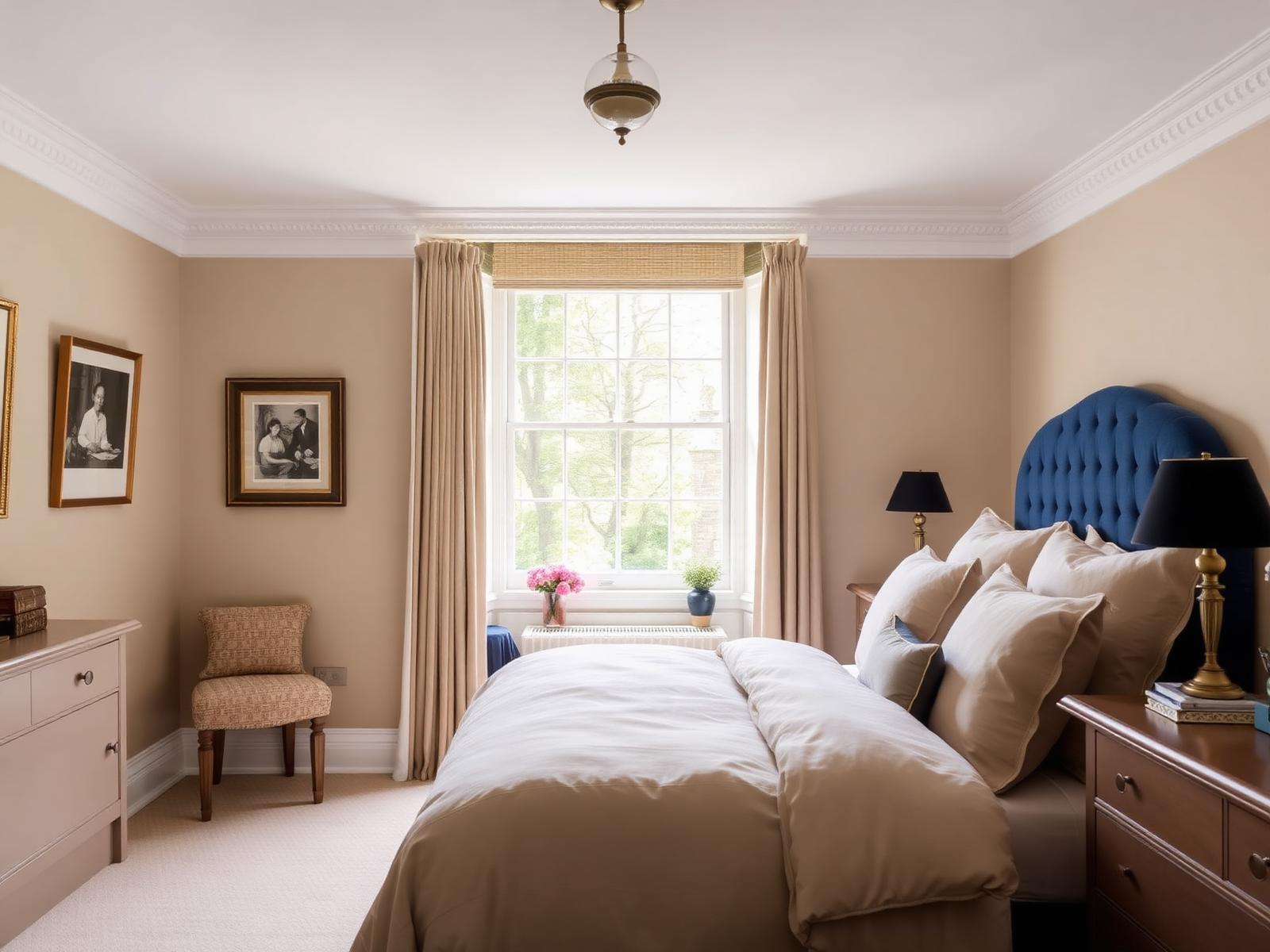
Hotels in Belgravia set benchmarks for luxury accommodation in London, offering visitors the chance to experience the neighbourhood's refinement firsthand. The Lanesborough, occupying a prime position at Hyde Park Corner, brings Regency grandeur into the 21st century with sumptuous interiors and butler service that recalls a more gracious age. Its recent refurbishment enhanced already exceptional standards, creating one of London's most distinguished hotel experiences.
Belgravia hotels range from the grand to the intimate, with several boutique properties offering more contemporary interpretations of luxury. The Hari on Chesham Place brings understated Asian-influenced design to a traditionally British setting, whilst The Franklin on Egerton Gardens (technically just across the border in Knightsbridge but serving Belgravia visitors) offers townhouse intimacy with country-house service levels.
The Berkeley, though positioned on the Knightsbridge boundary, functions as Belgravia's neighbourhood hotel, beloved by residents for its restaurants and bars as much as by guests for its rooms. Its rooftop pool and spa provide unexpected amenities in an area not known for such facilities, whilst the Blue Bar remains a civilised spot for evening drinks.
For those considering extended stays or investigating the neighbourhood as a potential address, the rental market offers revealing insights into local demand. According to ONS data, rental values in Belgravia range from £2,750–£4,300 monthly for studios to £11,550–£18,025 for five-bedroom properties, reflecting both the quality of accommodation and the desirability of the postcode. Our [Belgravia lettings](/let-your-property/belgravia) service assists both landlords and tenants navigating this premium market.
Living in Belgravia: Practical Considerations and Market Insights
Understanding what makes Belgravia special extends beyond tourism to appreciating why it functions so successfully as a residential neighbourhood. The area's appeal rests partly on practical advantages—exceptional transport links via Victoria (serving Gatwick Airport and the South Coast), Hyde Park Corner, and Sloane Square stations place the West End, City, and Canary Wharf within easy reach, whilst the Elizabeth Line's addition at Tottenham Court Road has further enhanced connectivity.
Belgravia balances grandeur with genuine liveability in ways that some prestigious postcodes struggle to achieve. The presence of Waitrose, Planet Organic, and numerous specialist food shops on Elizabeth Street means daily life doesn't require ventures beyond the neighbourhood, whilst the proximity to Hyde Park provides unparalleled green space for exercise, contemplation, or simply escaping urban intensity.
The property market here rewards understanding of subtle distinctions. Recent transaction data from HM Land Registry shows 28 sales with a median price of £1,800,000, but this figure masks considerable variation—flats commanded a median of £1,049,280 across 17 transactions, whilst the eight terraced house sales achieved a median of £2,812,500, with the upper end reaching £11,000,000. These numbers reflect not merely square footage but factors including ceiling heights, garden access, lateral versus vertical layouts, and proximity to the major squares.
For those exploring houses to rent or property to rent in Belgravia, the neighbourhood offers everything from bijou mews cottages to palatial terraces, with rental values reflecting both property characteristics and the broader prestige of the address. Our team at Seymont London maintains detailed knowledge of Belgravia's distinct micro-markets, and our [Belgravia estate agents](/estate-agents/belgravia) page explains our approach to this distinguished quarter.
Whether your interest in things to do in Belgravia stems from curiosity, weekend planning, or serious consideration of the area as a future home, this neighbourhood rewards deeper investigation. Its combination of architectural distinction, culinary excellence, cultural richness, and practical convenience creates a London living experience that remains unmatched—precisely why Belgravia has maintained its position at the pinnacle of the capital's residential hierarchy for nearly 200 years.
Talk to Seymont
What's your home worth?
A considered view on price, timing and how to bring your London home to market — a personal reply within 24 hours.
Your property
Step 1 of 2About the author
Amara BennettProperty Market Analyst
Amara spent seven years as a market analyst at Kestrel Lane Research, a small London property consultancy, before joining our editorial desk. She reads sold-price and rental data street by street to explain how individual London postcode districts actually behave, and reviews every price figure we publish. Her focus is separating headline national averages from what a specific address is worth today.
MSc Real Estate Economics · Seven years in property market research
- Valuations
- Local market data
- Sold prices
- Pricing strategy
Frequently asked
- What makes Belgravia one of London's most expensive neighbourhoods?
- Belgravia's exceptional property values—with HM Land Registry data showing a median price of £1,800,000 and terraced houses reaching £11,000,000—reflect its unparalleled combination of factors: Thomas Cubitt's masterful Regency architecture and grand garden squares, a prime SW1 location between Knightsbridge and Westminster, proximity to Buckingham Palace and Hyde Park, outstanding transport connections via Victoria and Hyde Park Corner stations, and a rare balance of residential tranquillity with urban convenience. The neighbourhood's consistency of architectural quality, its prestigious international reputation, and the enduring appeal of its village-like atmosphere within central London all contribute to sustained demand that supports premium valuations.
- Is Belgravia a good area for families, or is it primarily for professionals and international residents?
- Belgravia successfully accommodates families despite its image as a diplomatic and professional enclave. The neighbourhood offers several well-regarded schools within walking distance, substantial family-sized houses (particularly the terraced properties around the major squares), access to Hyde Park's playgrounds and open spaces, and a genuine community atmosphere centred on Elizabeth Street's shops and cafés. The area's safety, quiet streets, and garden squares provide child-friendly environments, whilst rental data from ONS showing consistent demand for three, four, and five-bedroom properties (£6,600–£18,025 monthly) indicates a healthy family demographic alongside the professional and international residents for which Belgravia is perhaps better known.
- How does Belgravia compare to neighbouring areas like Knightsbridge, Chelsea, and Pimlico?
- Belgravia occupies a distinctive position between its neighbours. Compared to Knightsbridge, it offers greater residential tranquillity and more cohesive architectural character, with less retail traffic and a stronger village atmosphere. Against Chelsea, Belgravia presents a more formal, classical aesthetic with grander proportions, though perhaps less bohemian character and fewer mainstream shopping options. Pimlico, immediately to the south, shares some architectural DNA from the same Cubitt development period but operates at a more accessible price point and with a less international demographic. Belgravia's defining characteristics—its exceptional preservation of Regency planning, concentration of garden squares, and position as London's most complete example of early Victorian estate development—distinguish it clearly from all its neighbours whilst maintaining excellent connectivity to each.
- What are the best streets to explore for first-time visitors to Belgravia?
- First-time visitors should begin at Belgrave Square to appreciate the neighbourhood's architectural grandeur, then walk along Eaton Square's full length to experience Belgravia's spatial generosity. Elizabeth Street provides the neighbourhood's retail and hospitality heart, offering independent shops, cafés, and restaurants that reveal Belgravia's village character. Wilton Row, accessible through a passageway off Wilton Crescent, delivers picturesque mews charm with the historic Grenadier pub. Chester Square offers a quieter, more intimate atmosphere, whilst South Eaton Place shows how the neighbourhood's elegant architecture extends beyond the major set-pieces. This route covers approximately two miles and captures the essential Belgravia experience within a leisurely afternoon.
- What is the rental market like in Belgravia, and who typically rents here?
- Belgravia's rental market operates at the premium end of London lettings, with ONS data showing monthly rents from £2,750 for studios to £18,025 for five-bedroom properties. Tenants typically include international executives on corporate relocations, diplomatic staff from nearby embassies, professionals seeking prime central London addresses, and families wanting access to prestigious schools and Hyde Park. The market divides between lateral apartments in purpose-built mansion blocks (generally £3,625–£10,300 monthly for one to three bedrooms) and entire houses or mews properties (£8,800–£18,025 monthly for four or more bedrooms). Rental terms often accommodate international tenants' needs for furnished properties, flexible lease lengths, and properties meeting corporate housing standards. The neighbourhood's stock includes everything from contemporary apartments to period houses, allowing the market to serve diverse requirements within the premium segment.