Journal
Belgravia Area Guide
Written by Julian Reyes · Licensed Real Estate Agent
Published 11 March 2026 · Updated 1 May 2026 · 6 min read
The short answer
Welcome to our Belgravia area guide, where we explore one of London's most distinguished and sought-after addresses. Nestled in the heart of prime central London, Belgravia represents the pinnacle of gracious living, with its cream-stuccoed terraces, garden squares and impeccable pedigree.
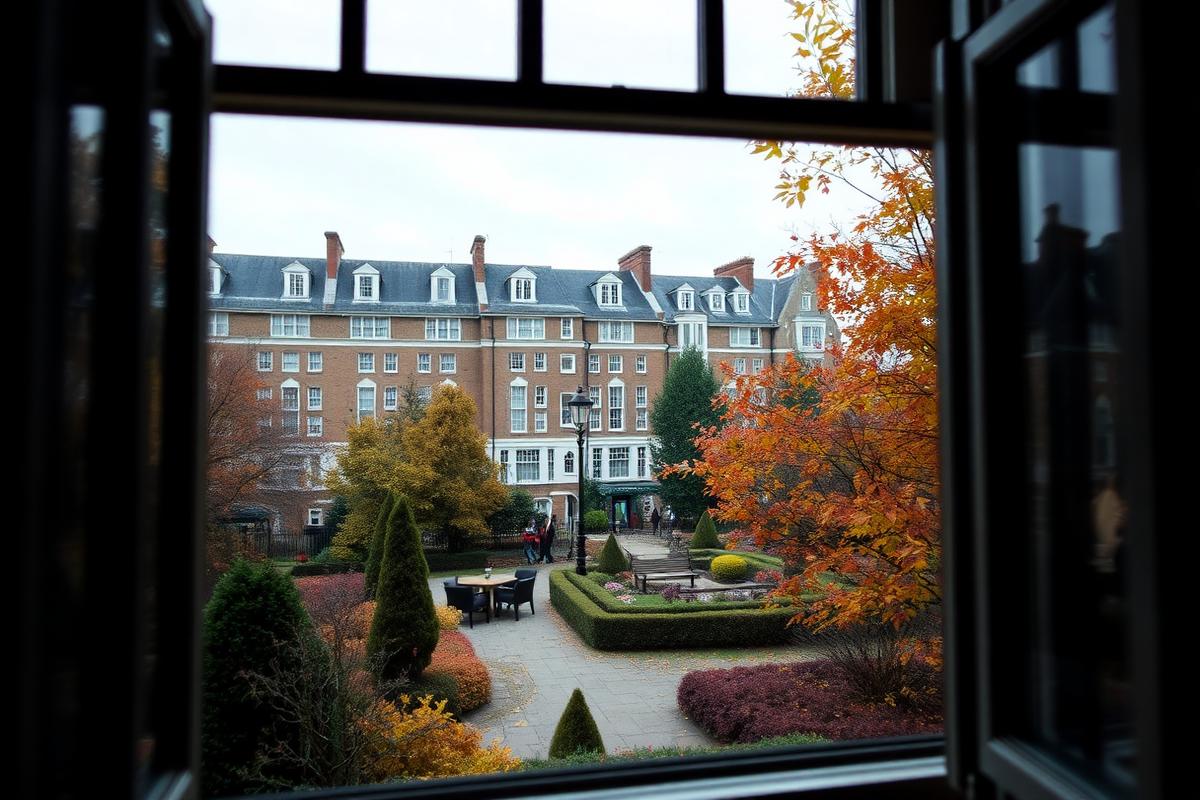
Welcome to our Belgravia area guide, where we explore one of London's most distinguished and sought-after addresses. Nestled in the heart of prime central London, Belgravia represents the pinnacle of gracious living, with its cream-stuccoed terraces, garden squares and impeccable pedigree. Since the 1820s, when Thomas Cubitt transformed these fields into an aristocratic enclave for the Grosvenor Estate, Belgravia has remained synonymous with elegance, discretion and enduring value. Our team at Seymont London has compiled this comprehensive guide to help you understand what makes this remarkable neighbourhood so special.
The Character and Architecture of Belgravia
Belgravia's architectural heritage is unparalleled in London. The neighbourhood's defining characteristics—those sweeping Regency and Victorian terraces, pristine white stucco facades and perfectly proportioned garden squares—create an atmosphere of timeless grandeur. Eaton Square, Belgrave Square and Chester Square form the triumvirate of Belgravia's most prestigious addresses, each offering a masterclass in early 19th-century urban planning.
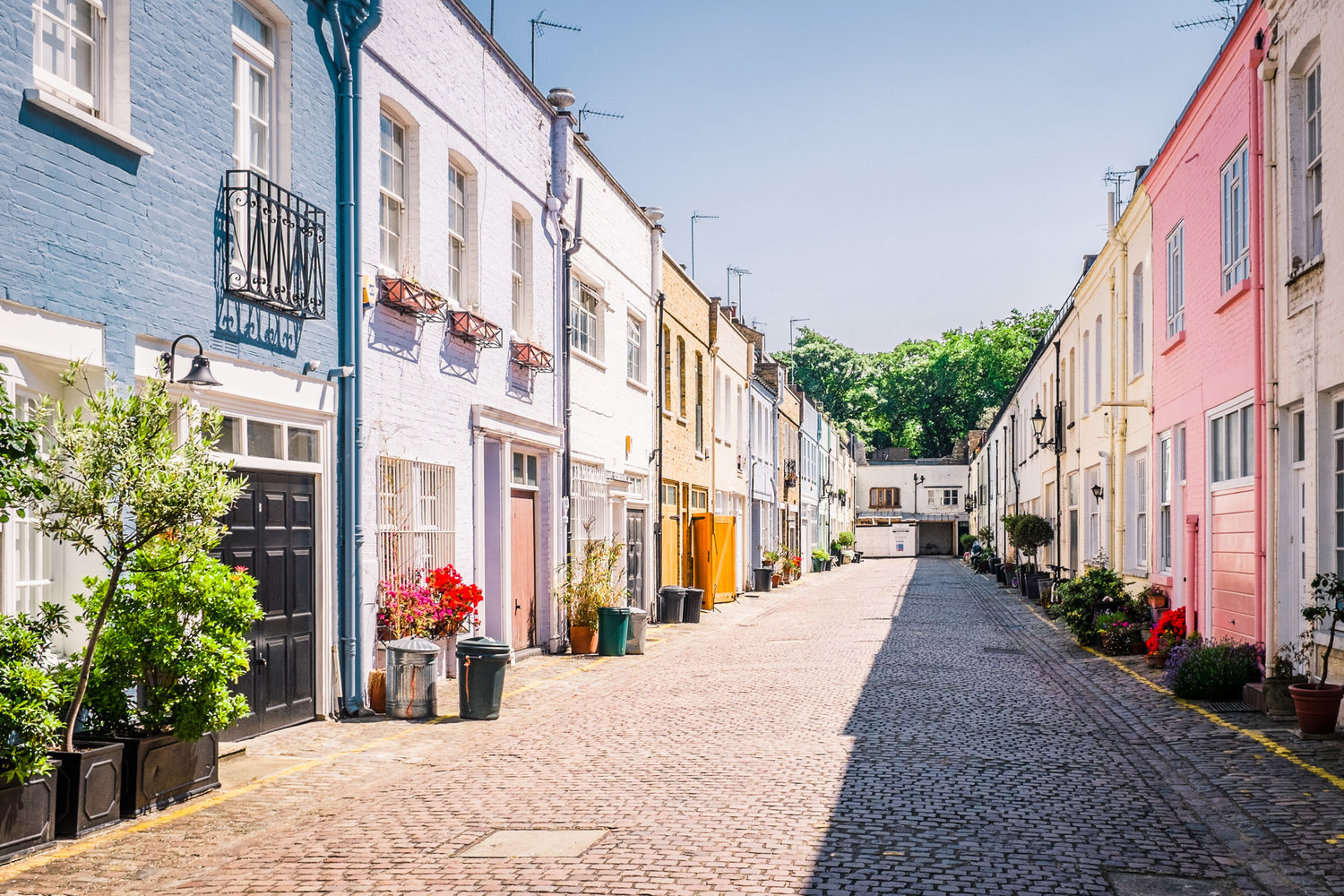
The streets of Belgravia reveal layer upon layer of architectural distinction. From the grand thoroughfares to the intimate mews that once housed carriages and staff, every corner reflects careful design and meticulous maintenance. South Eaton Place exemplifies this attention to detail, with its harmonious terrace houses and tree-lined pavements creating an oasis of calm just moments from the bustle of Victoria.
The neighbourhood's strict planning controls and the Grosvenor Estate's careful stewardship have preserved Belgravia's character through the centuries. Modern interventions are discreet, ensuring that contemporary comforts sit seamlessly within historic shells. This dedication to preservation has made Belgravia streets some of the most photographed and admired in the world, attracting discerning residents who value both heritage and quality.
Belgravia Property Market Insights
The Belgravia property market represents London's prime residential sector at its finest. According to HM Land Registry data, the median property price stands at £1,800,000 across 28 recorded sales, reflecting the neighbourhood's position at the apex of the capital's housing market. These figures encompass a diverse range of property types, each offering different entry points into this exclusive postcode.
Flats dominate the market, with 17 recorded sales at a median price of £1,049,280 (HM Land Registry). Price ranges extend from £330,000 for more modest apartments to £4,850,000 for lateral spaces within the neighbourhood's most prestigious mansion blocks. Terraced houses command a median of £2,812,500 across 8 sales, with transactions ranging from £1,250,000 to £11,000,000, reflecting the extraordinary variation in scale and grandeur within Belgravia's townhouse stock.
For those exploring property for sale in Belgravia, understanding these market dynamics is essential. The neighbourhood's limited supply and enduring international appeal create a market characterised by longevity of ownership and resilience through economic cycles. Our team at Seymont London observes that Belgravia property appeals to a sophisticated buyer base seeking not just a home, but a legacy address.
Those considering [property for sale in Belgravia](/property-for-sale/belgravia) will find opportunities ranging from pied-à-terre apartments to substantial family houses, each offering access to one of London's most coveted postcodes.
Renting in Belgravia: Market Overview
Renting a house or flat in Belgravia places residents at the heart of London's most elegant neighbourhood, though it commands rental values that reflect this exceptional location. According to ONS data, studio apartments typically range from £2,750 to £4,300 per month, whilst one-bedroom properties command between £3,625 and £5,675 monthly.
Family-sized accommodation requires a more substantial commitment. Two-bedroom properties range from £4,950 to £7,725 per month, whilst three-bedroom homes span £6,600 to £10,300 (ONS). Larger residences command premium rates: four-bedroom properties between £8,800 and £13,750 monthly, with five-bedroom and larger homes ranging from £11,550 to £18,025 per month.
These rental values reflect not merely square footage but access to Belgravia's unique lifestyle advantages: the neighbourhood's central location, architectural distinction, security, and the prestige of a Belgravia address. For professionals, diplomats and international families seeking a London base, these factors often justify the investment.
Our [letting services in Belgravia](/let-your-property/belgravia) support both landlords seeking to maximise their investment and tenants looking for their ideal Belgravia home, with our team providing market insight grounded in extensive local knowledge.
Talk to Seymont
What's your home worth?
A considered view on price, timing and how to bring your London home to market — a personal reply within 24 hours.
Your property
Step 1 of 2Dining and Social Life in Belgravia
The best restaurants in Belgravia reflect the neighbourhood's sophisticated character and international resident base. Ebury Street forms the spine of Belgravia's culinary scene, where elegant brasseries sit alongside intimate fine-dining establishments. From celebrated British restaurants to authentic Italian trattorias and refined Asian cuisine, the area caters to discerning palates.
The best restaurants in Belgravia London often occupy beautifully restored townhouses or discreet basement locations, offering exceptional food in surroundings that match the neighbourhood's architectural elegance. Michelin-recognised establishments nestle alongside neighbourhood favourites that have served generations of residents, creating a dining landscape that balances destination restaurants with genuine local haunts.
Beyond restaurants, Belgravia offers refined shopping along Motcomb Street and Elizabeth Street, where independent boutiques, antique dealers and specialist food shops create a village atmosphere within central London. The neighbourhood's pubs—historic establishments like The Grenadier and The Nag's Head—provide convivial settings that contrast delightfully with Belgravia's formal facade.
For visitors and those seeking accommodation, hotels in Belgravia range from intimate boutique properties to grand establishments, many occupying converted mansion houses. These hotels maintain the neighbourhood's standards of discretion and service, attracting guests who appreciate Belgravia's particular blend of accessibility and tranquillity.
Location and Connectivity
Belgravia's position within central London provides exceptional connectivity across the capital and beyond. Victoria Station, at the neighbourhood's eastern edge, offers National Rail services across the South East, Gatwick Express to Gatwick Airport, and three Underground lines (Circle, District and Victoria). Sloane Square station to the south provides additional Circle and District line access, whilst Knightsbridge and Hyde Park Corner stations lie within comfortable walking distance.
This transport infrastructure places the City, Canary Wharf, the West End and Heathrow Airport within easy reach, making Belgravia equally suitable for international professionals and London-focused households. The neighbourhood's central location means many of London's greatest institutions—the museums of South Kensington, the theatres of the West End, the parks and galleries—are accessible on foot or via a short journey.
Yet despite this connectivity, Belgravia maintains a remarkable sense of seclusion. The neighbourhood's garden squares remain private, accessible only to keyholders, whilst the careful layout of streets creates quiet residential enclaves just metres from major thoroughfares. This combination of accessibility and tranquillity remains one of Belgravia's defining attractions.
For those researching [house prices in Belgravia](/house-prices/belgravia) or seeking to understand the neighbourhood's enduring appeal, this locational advantage—central yet serene, connected yet exclusive—provides much of the answer.
Living in Belgravia: The Seymont Perspective
Our experience as [estate agents in Belgravia](/estate-agents/belgravia) has given us profound insight into what attracts residents to this exceptional neighbourhood. Belgravia appeals to those who value quality, discretion and timeless elegance over transient trends. The neighbourhood's residents typically seek a permanent London base rather than a speculative investment, resulting in a stable, established community.
Schooling options contribute significantly to Belgravia's appeal for families. The neighbourhood sits within reach of London's finest independent schools, whilst excellent state primaries serve local families. The nearby green spaces—Hyde Park to the north, the gardens along the Thames to the south—provide recreational opportunities that balance urban living with access to nature.
Security and privacy rank highly among Belgravia's attractions. The neighbourhood's well-maintained streets, active residents' associations and attentive estate management create an environment where families feel secure and privacy is respected. This culture of discretion, combined with the architectural beauty and central location, explains why Belgravia continues to attract discerning residents generation after generation.
Whether you're drawn to a Belgravia mansion on one of the grand squares or a beautifully appointed mews house, the neighbourhood offers a living experience that few London addresses can match. Our Belgravia guide merely scratches the surface of what makes this area so special—experiencing Belgravia firsthand reveals why it has remained London's most prestigious neighbourhood for nearly two centuries.
Talk to Seymont
What's your home worth?
A considered view on price, timing and how to bring your London home to market — a personal reply within 24 hours.
Your property
Step 1 of 2About the author
Julian ReyesLicensed Real Estate Agent
Julian has spent eleven years handling residential sales across west and central London, previously with the independent agencies Harlowe & Vance and Marchmont Row. He runs listings end to end, from pricing and presentation through to negotiating offers and holding chains together to completion. His writing focuses on the practical mechanics of buying and selling a home in a market where timing and preparation decide the outcome.
Licensed estate agent · 11 years in London residential sales
- Residential sales
- First-time buyers
- Offer negotiation
- Chain management
Frequently asked
- What makes Belgravia so expensive?
- Belgravia's exceptional prices reflect multiple factors: its prime central London location, architectural heritage of Regency and Victorian terraces, carefully preserved character through estate management, proximity to royal parks and prestigious institutions, and limited housing supply. The neighbourhood's enduring international reputation and the presence of embassies, luxury hotels and fine-dining establishments further reinforce its status as one of London's—and the world's—most desirable addresses.
- Is Belgravia a good area for families?
- Belgravia offers excellent family living for those who can access its property market. The neighbourhood provides a secure, quiet environment with private garden squares for keyholders, proximity to outstanding independent and state schools, easy access to Hyde Park and other green spaces, and a genuine community atmosphere despite its central location. The low traffic volumes on many residential streets and the neighbourhood's village-like shopping areas on Elizabeth Street and Motcomb Street add to its family appeal.
- What is the difference between Belgravia and neighbouring areas?
- Belgravia distinguishes itself from neighbouring Chelsea, Knightsbridge and Pimlico through its more formal architectural character, with grand squares and sweeping stucco terraces rather than Chelsea's bohemian charm or Knightsbridge's retail focus. Whilst Pimlico to the east shares some architectural DNA, Belgravia maintains stricter planning controls and estate management through the Grosvenor Estate. The neighbourhood feels more residential and discreet than the bustling retail districts nearby, creating a unique enclave of tranquillity within central London.
- Which are the most desirable streets in Belgravia?
- The most prestigious Belgravia addresses centre on the three principal garden squares: Belgrave Square, Eaton Square and Chester Square. Within these, properties directly overlooking the gardens command the highest values. Among the terraced streets, Eaton Place, South Eaton Place, Wilton Crescent and Belgrave Crescent rank as particularly desirable. The neighbourhood's mews streets—including Eaton Mews South, Belgrave Mews North and Kinnerton Street—offer characterful smaller-scale properties with substantial appeal. Ultimately, almost any Belgravia address carries considerable prestige.
- How accessible is Belgravia for commuting?
- Belgravia offers outstanding commuting connectivity. Victoria Station provides Underground services on the Circle, District and Victoria lines, plus National Rail to South London, Surrey, Sussex and Kent, and Gatwick Express to Gatwick Airport. Sloane Square station offers additional Circle and District line access. The neighbourhood's central position means the City, Canary Wharf, West End, Heathrow (via Piccadilly line from Hyde Park Corner) and major railway termini are all easily accessible. Many residents also walk or cycle to nearby business districts.