Journal
Student House London: Expert Letting & Investment Guide
Written by Julian Reyes · Licensed Real Estate Agent
Published 27 March 2026 · Updated 19 June 2026 · 3 min read
The short answer
A student house in London represents a unique proposition whether you're a landlord exploring the higher education lettings market or a parent helping secure accommodation for a university-bound child. Our team has worked across several key university neighbourhoods, and we've seen firsthand how the student lettings sector operates differently from standard residential rentals.
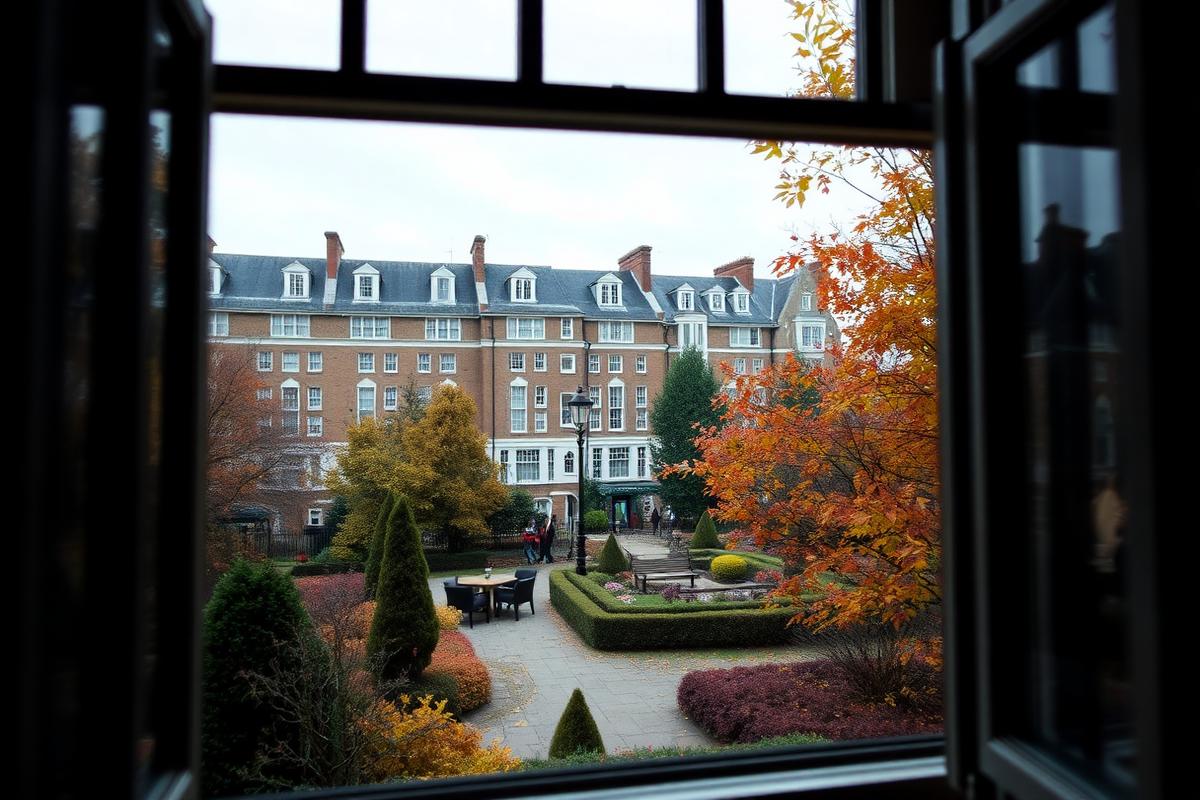
A student house in London represents a unique proposition whether you're a landlord exploring the higher education lettings market or a parent helping secure accommodation for a university-bound child. Our team has worked across several key university neighbourhoods, and we've seen firsthand how the student lettings sector operates differently from standard residential rentals. This guide distils what we've learned into practical advice on licensing, location, yields, and what makes a student property genuinely lettable in the capital's competitive market.
Understanding HMO Licensing for Student Houses
Most student houses fall under Houses in Multiple Occupation (HMO) regulations, which means additional licensing and safety requirements beyond standard buy-to-let properties. If you're letting to five or more students from two or more households, you'll need a mandatory HMO licence from your local council — and many London boroughs have introduced additional licensing schemes covering smaller HMOs too.
We've guided landlords through the process in areas like Islington, where Article 4 directions also restrict new HMOs without planning permission. Check your local authority's planning portal early; retrospective applications rarely go smoothly. Fire safety is non-negotiable: you'll need interlinked smoke and carbon monoxide alarms, fire doors with self-closers, and often a professional fire risk assessment. Budget around £3,000–5,000 annually for compliance, maintenance, and the licence itself — costs that should inform your rental pricing from day one.
Prime University Areas and Rental Demand
Location determines everything in the student lettings market. Properties within a 20–30 minute commute of major campuses — King's College, UCL, LSE, Imperial, and the University of London colleges — command the strongest demand and most reliable occupancy. We've seen consistently high enquiry levels for student houses near King's Cross, Bloomsbury, and parts of Islington where students balance reasonable travel times with more characterful Victorian and Edwardian terraces.
North London postcodes like N7, N1, and N19 offer better value per bedroom than Zone 1, while still sitting on excellent Tube and bus routes. Students increasingly prioritise transport links over walking distance; a property 15 minutes from campus by Victoria line will often out-perform one that's a 25-minute walk. If you're exploring rental opportunities, browsing our property to rent in Islington listings gives a sense of current student-friendly stock and pricing.
Rental yields on a well-managed student house typically sit between 4.5% and 6.5% gross in inner London, according to recent Rightmove investor data — slightly ahead of single-let equivalents, though with higher management intensity. Term-time voids and summer vacancies are the trade-off, so factor in at least one month's vacancy per year when modelling returns.

What Makes a Student House Actually Lettable
We've learned that students prioritise different features than young professionals. Fast broadband isn't a nice-to-have; it's essential. Adequate bedroom sizes matter — anything under 70 sq ft per single room will struggle to meet HMO standards and student expectations alike. Shared spaces need to work hard: a kitchen-diner that comfortably seats all tenants and a second WC (if you're letting to more than five) dramatically improve lettability.
Storage is chronically underestimated. Students arrive with books, sports equipment, and seasonal clothing; properties with loft access, sheds, or generous built-in wardrobes let significantly faster in our experience. Outdoor space — even a small patio or shared garden — adds appeal, particularly post-pandemic when students value external access. Furnished lettings are standard for student houses, but avoid the temptation to over-furnish with dated or fragile pieces; durable, neutral basics and individual bedroom locks are what actually matter.
Talk to Seymont
What's your home worth?
A considered view on price, timing and how to bring your London home to market — a personal reply within 24 hours.
Your property
Step 1 of 2Pricing, Marketing, and Tenancy Timing
The student lettings cycle runs ahead of the academic year. Serious marketing begins in January and February for September move-ins, with the strongest activity between February and April. List too late and you're competing for a shrinking pool of undecided students, often pushing rents downward or forcing you to accept summer voids.
Pricing per room rather than per property is standard practice. In 2024, purpose-built student accommodation (PBSA) in Zone 2 averages £250–350 per week according to sector reports, so private student house rooms need to undercut that while offering more space and character. Our tools like the rent estimate calculator help benchmark your pricing against comparable HMO and student lets in the same postcode.
Joint and several liability remains the norm — all tenants are collectively responsible for the full rent — but guarantor requirements are universal. Most student tenants are first-time renters with no credit history or income, so parental guarantors (or equivalent) are essential. We recommend guarantors earn at least 2.5–3 times the annual rent and hold them to the same referencing standards as tenants.

Talk to Seymont
What's your home worth?
A considered view on price, timing and how to bring your London home to market — a personal reply within 24 hours.
Your property
Step 1 of 2About the author
Julian ReyesLicensed Real Estate Agent
Julian has spent eleven years handling residential sales across west and central London, previously with the independent agencies Harlowe & Vance and Marchmont Row. He runs listings end to end, from pricing and presentation through to negotiating offers and holding chains together to completion. His writing focuses on the practical mechanics of buying and selling a home in a market where timing and preparation decide the outcome.
Licensed estate agent · 11 years in London residential sales
- Residential sales
- First-time buyers
- Offer negotiation
- Chain management
Frequently asked
- Do I need a licence to rent a student house in London?
- Yes, if you're letting to five or more people forming two or more households, you need a mandatory HMO licence. Many London boroughs also require additional or selective licensing for smaller HMOs, so check your local council's requirements early in your planning.
- What rental yield can I expect from a student house?
- Gross rental yields for student houses in inner London typically range from 4.5% to 6.5%, slightly above standard buy-to-let, according to Rightmove data. Factor in higher management costs, potential summer voids, and HMO compliance expenses when calculating net returns.
- When should I start marketing a student house for September?
- Begin active marketing in January or February for September tenancies. The peak letting window runs February to April when students secure accommodation for the next academic year; listing later reduces your negotiating position and increases void risk.
- Are student tenants required to have guarantors?
- Yes, virtually all student lettings require guarantors because students typically lack credit history and independent income. Guarantors should earn 2.5–3 times the annual rent and undergo the same referencing checks as tenants.
- Which London areas have the strongest student rental demand?
- Areas within 20–30 minutes of major university campuses see the most consistent demand. King's Cross, Bloomsbury, Islington (particularly N1 and N7), and well-connected North London postcodes balance transport links with better value than Zone 1, making them popular with students and investor landlords alike.