Journal
Average Rent in Islington: A Comprehensive Market Guide
Written by Thomas Lindqvist · Mortgage & Financing Specialist
Published 13 March 2026 · Updated 6 May 2026 · 6 min read
The short answer
Understanding the average rent in Islington is essential for both landlords considering investment opportunities and tenants planning their next move to this vibrant North London borough. As one of the capital's most sought-after residential areas, Islington combines Georgian elegance with contemporary urban living, from the bustling streets around Angel Islington to the quieter enclaves near Islington Green.
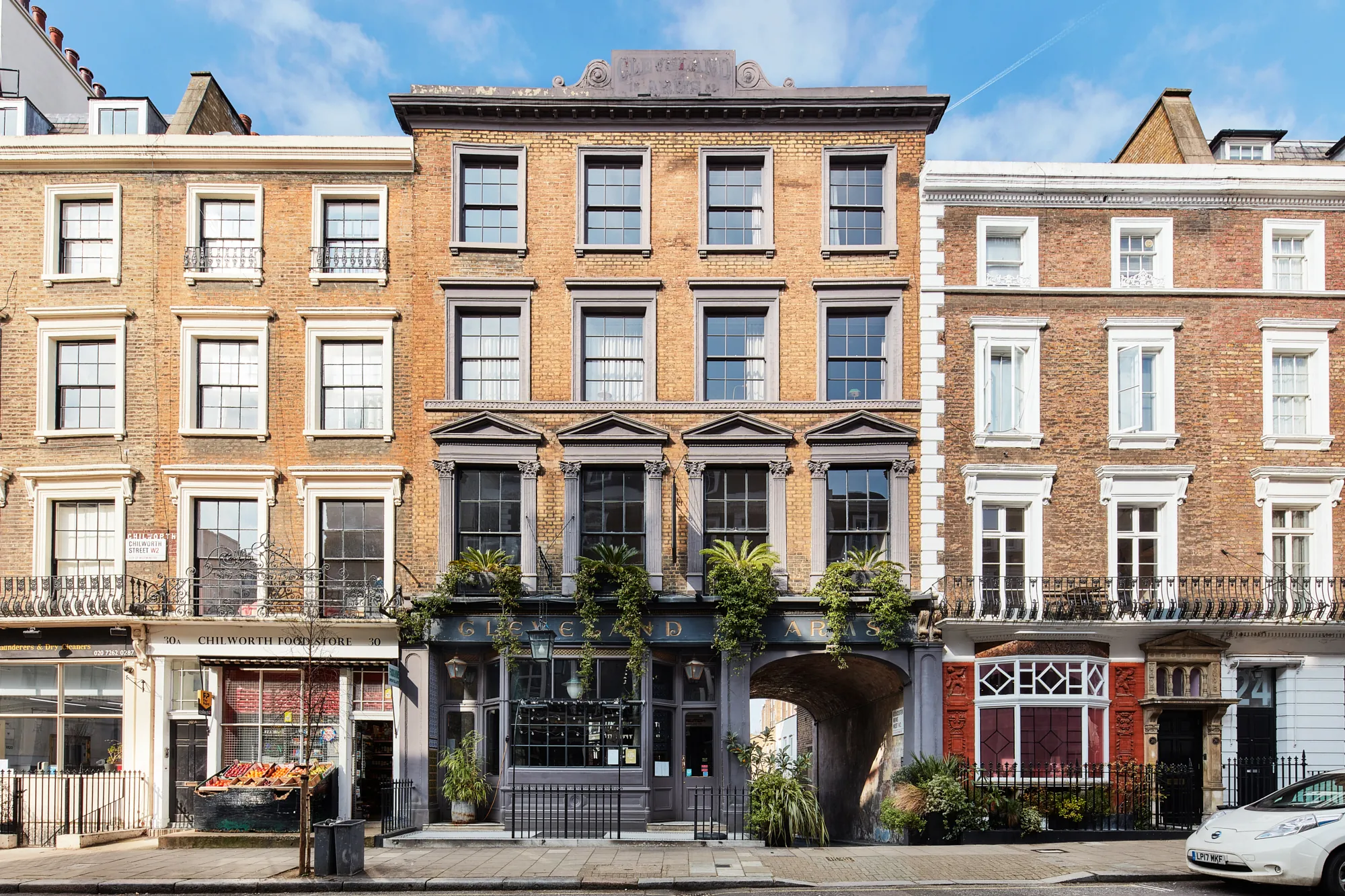
Understanding the average rent in Islington is essential for both landlords considering investment opportunities and tenants planning their next move to this vibrant North London borough. As one of the capital's most sought-after residential areas, Islington combines Georgian elegance with contemporary urban living, from the bustling streets around Angel Islington to the quieter enclaves near Islington Green. Our team has analysed the latest rental data to provide you with a detailed picture of what tenants are paying across different property types in this diverse and culturally rich borough.
Current Islington Rent Prices by Property Type
According to the latest ONS rental data, Islington rent prices vary significantly depending on property size and location within the borough. Studio flats command monthly rents between £1,000 and £1,550, making them an accessible entry point for young professionals seeking to live in this desirable area. One-bedroom properties range from £1,300 to £2,050 per calendar month, reflecting the premium placed on proximity to transport hubs and amenities.
Two-bedroom flats and houses—the most popular rental category in Islington—typically achieve between £1,800 and £2,800 per month. These properties are particularly sought-after by couples and small families who value the borough's excellent connectivity and cultural offerings. For those wondering how much is rent in Islington for larger family homes, three-bedroom properties range from £2,375 to £3,725 monthly, whilst four-bedroom homes command £3,175 to £4,975.
At the upper end of the market, five-bedroom and larger properties attract rents between £4,175 and £6,525 per calendar month. These substantial family homes are concentrated in Islington's most prestigious streets and garden squares, offering the space and period features that discerning tenants expect. The significant price differential between lower and upper quartiles reflects the borough's diverse housing stock, from modern conversions to grand Victorian townhouses.
When we compare these figures with recent HM Land Registry sales data—which shows a median property price of £635,000 across 302 transactions—landlords can begin to calculate potential returns on their investments. Flats, which account for 247 of these sales with a median price of £570,000, represent the bulk of rental opportunities in the borough.
Location Premium: From Angel to Islington Green
The question of how much is rent in Islington cannot be answered without considering location within this diverse borough. The area around Angel Islington commands some of the highest rental premiums, thanks to its exceptional transport links via the Northern Line and proximity to Upper Street's renowned restaurant scene. Tenants here pay top-quartile rents for the privilege of living within walking distance of some of London's finest independent restaurants in Islington and cultural venues.
Islington Green and the surrounding conservation areas offer a quieter residential atmosphere whilst maintaining excellent access to central London. Properties near Islington Green often feature more outdoor space and period character, attracting families who prioritise primary schools in Islington and green spaces. The rental premium here reflects the area's village-like ambience combined with Zone 1 convenience.
Further north and east, areas around Highbury and Canonbury provide relative value whilst still offering the quality of life associated with the borough. Our team observes that well-presented flats for sale in Islington in these neighbourhoods often attract buy-to-let investors seeking better Islington rental yields than the most central locations provide. The calculation is straightforward: slightly lower rents against significantly lower purchase prices can produce superior percentage returns.
Packington Square Islington and similar modern developments have created new micro-markets within the borough, appealing to tenants who prioritise contemporary specification, concierge services and amenities over period features. These purpose-built schemes typically achieve mid-to-upper quartile rents and benefit from lower void periods due to their turnkey appeal.
Understanding Islington Rental Yields
Islington rental yields require careful analysis given the borough's premium property prices. With median flat prices at £570,000 according to HM Land Registry data, and typical two-bedroom rents between £1,800 and £2,800 monthly, gross yields generally range from 3.8% to 5.9% before costs. These figures position Islington as a capital growth play rather than a high-yield income investment, though the stability of tenant demand provides reassurance for landlords.
The yield calculation varies considerably by property type. Smaller units—studios and one-bedroom flats—typically deliver stronger percentage returns because the rental premium per square foot is higher. A studio purchased for £350,000 achieving £1,400 monthly rent yields approximately 4.8% gross, whilst a family house bought for £2,450,000 (the median for semi-detached properties) renting at £4,000 monthly yields just 2.0% gross.
Our experience managing properties across the borough suggests that landlords should focus on net yields after accounting for maintenance, management fees, insurance and void periods. Islington's high-quality tenant base—many employed in professional services in the City, King's Cross and the West End—typically results in longer tenancies and better property care, which positively impacts net returns. Properties near Islington Park Street and other transport nodes experience particularly low void periods.
For investors exploring <a href="/property-for-sale/islington">property for sale in Islington</a>, the yield conversation must be balanced against capital appreciation potential. The borough's constrained supply, ongoing regeneration and enduring popularity suggest that total returns—combining rental income and value growth—remain compelling despite modest yields. Those considering whether to <a href="/let-your-property/islington">let your property in Islington</a> should weigh these factors carefully against their investment objectives.
Talk to Seymont
What's your home worth?
A considered view on price, timing and how to bring your London home to market — a personal reply within 24 hours.
Your property
Step 1 of 2Market Dynamics and Tenant Demand
Islington's rental market benefits from exceptionally diverse and resilient tenant demand. Young professionals dominate the studio and one-bedroom sector, drawn by the short commute to major employment centres and the borough's vibrant social scene. The concentration of restaurants in Islington—from neighbourhood bistros to destination dining—creates a lifestyle appeal that tenants are willing to pay premium rents to access.
Families represent the second major tenant category, particularly for three-bedroom properties and larger. The quality of Islington primary schools, including several rated Outstanding by Ofsted, drives sustained demand from households willing to pay significant premiums to access specific catchment areas. Our team regularly advises landlords that properties within walking distance of top-performing primary schools in Islington command both higher rents and greater tenant stability.
The corporate relocation market also contributes meaningfully to rental demand, with international professionals and domestic relocators choosing Islington for its combination of central location and residential character. These tenants often seek longer-term agreements and prioritise properties that are immediately available and comprehensively furnished. The post-pandemic shift toward hybrid working has reinforced rather than diminished this demand, as tenants place greater value on neighbourhood amenities and quality of life.
Seasonal patterns in Islington follow the broader London rhythm, with peak lettings activity between April and September. However, the borough's proximity to major universities and corporate headquarters means that demand remains relatively constant year-round compared to more peripheral areas. Landlords working with <a href="/estate-agents/islington">estate agents in Islington</a> who understand these micro-market dynamics are better positioned to minimise void periods and optimise rental income.
Future Outlook for Islington Rents
Several structural factors suggest continued upward pressure on Islington rent prices in the medium term. The borough's housing supply is severely constrained by its built-up nature and conservation policies, with only limited opportunities for new development. Meanwhile, employment growth in adjacent areas—particularly the Knowledge Quarter around King's Cross—continues to generate new tenant demand without corresponding increases in housing stock.
Transport improvements will likely reinforce Islington's rental appeal. Crossrail 2, should it proceed as planned with a station at Angel, would significantly enhance east-west connectivity and likely trigger rental growth in surrounding areas. Even without major infrastructure additions, the borough's existing transport links via the Northern, Piccadilly and Victoria lines ensure its position as one of the best-connected residential areas in London.
The relationship between sales prices and rents also merits attention. HM Land Registry data showing terraced houses achieving a median price of £1,700,000—up significantly from recent years—suggests that purchasing in Islington is moving further beyond the reach of many households. This affordability challenge naturally channels more residents toward the rental sector, supporting demand and providing a floor under rent levels.
Our team anticipates that Islington will continue to outperform outer London boroughs in rental growth, though the pace will likely moderate from the exceptional increases seen in recent years. For landlords, this environment favours quality: well-maintained properties in prime locations with strong transport access and amenity provision will command premium rents and attract the most reliable tenants. Understanding <a href="/house-prices/islington">house prices in Islington</a> alongside rental data provides the complete picture for making informed investment decisions in this competitive but rewarding market.
Talk to Seymont
What's your home worth?
A considered view on price, timing and how to bring your London home to market — a personal reply within 24 hours.
Your property
Step 1 of 2About the author
Thomas LindqvistMortgage & Financing Specialist
Thomas advised buyers for a decade at Ashgrove Financial, an independent brokerage, on borrowing capacity, product selection and the full cost of a purchase, including stamp duty, legal fees and lender charges. He follows rate decisions and lender criteria changes and translates them into what a household can realistically afford. His guides cover affordability, remortgaging and the closing costs that buyers routinely underestimate.
CeMAP qualified · Whole-of-market mortgage advice background
- Mortgages
- Affordability
- Closing costs
- Remortgaging
Frequently asked
- What is the average rent for a two-bedroom flat in Islington?
- According to ONS data, two-bedroom properties in Islington typically rent for between £1,800 and £2,800 per calendar month, depending on location, condition and proximity to transport links. Flats near Angel Islington and Upper Street command prices at the upper end of this range, whilst properties further north may achieve the lower quartile. The significant range reflects Islington's diverse housing stock and varied micro-markets within the borough.
- Are rental yields in Islington competitive compared to other London boroughs?
- Islington rental yields typically range from 3.8% to 5.9% gross for standard residential properties, which is moderate compared to outer London boroughs but reflects the area's capital growth potential and tenant demand stability. The borough attracts landlords seeking long-term capital appreciation combined with reliable rental income rather than maximum yield. Smaller units generally deliver stronger percentage returns than family houses due to higher per-square-foot rental values.
- Which areas of Islington offer the best value for tenants?
- Areas in the northern and eastern parts of the borough, including neighbourhoods around Highbury and Canonbury, typically offer better value than the premium locations around Angel and Upper Street. Tenants can often find well-specified properties here at lower-quartile rents whilst still benefiting from excellent transport links and access to Islington's amenities. Properties slightly further from the main transport hubs also tend to offer more space for the same monthly rent.
- How does proximity to good schools affect rent prices in Islington?
- Properties within the catchment areas of Islington's top-rated primary schools command significant rental premiums, often 15-25% above comparable properties elsewhere in the borough. Families prioritising education are willing to pay substantially more for proximity to Outstanding-rated schools, and these properties typically experience longer tenancy durations and lower void periods. The effect is most pronounced for three-bedroom and larger family homes.
- What rental budget should I expect for a studio flat in Islington?
- Studio flats in Islington rent for between £1,000 and £1,550 per calendar month according to ONS data. Studios near Angel and the best transport links achieve the higher end of this range, whilst those in quieter locations or with more basic specifications rent closer to £1,000 monthly. Most studio tenants are young professionals seeking affordable access to the borough's lifestyle amenities and short commutes to central London employment centres.