Journal
The Best Areas to Live in Islington
Written by Thomas Lindqvist · Mortgage & Financing Specialist
Published 25 March 2026 · Updated 13 June 2026 · 8 min read
The short answer
When considering the best areas to live in Islington, you're exploring one of London's most culturally rich and diverse boroughs. From the vibrant energy around Angel Islington to the garden-square tranquillity of Canonbury, Islington offers an exceptional blend of Georgian architecture, independent dining, and outstanding transport links.
When considering the best areas to live in Islington, you're exploring one of London's most culturally rich and diverse boroughs. From the vibrant energy around Angel Islington to the garden-square tranquillity of Canonbury, Islington offers an exceptional blend of Georgian architecture, independent dining, and outstanding transport links. Our team has guided countless clients through Islington's distinct neighbourhoods, and we've witnessed how each pocket of this N1 postcode offers something remarkably different. Whether you're drawn to the restaurant scene in Upper Street, the village feel of Islington Green, or the family-friendly streets around excellent primary schools in Islington, understanding where to live in Islington requires local insight into what makes each area unique.
Angel and Upper Street: Islington's Beating Heart
The Angel Islington area represents the borough's commercial and cultural epicentre, where the iconic Angel tube station provides direct Northern Line access to the City and West End within minutes. Upper Street stretches northward from the Angel, lined with an impressive concentration of restaurants in Islington—from established names like The Drapers Arms to innovative newcomers that have made this one of London's premier dining destinations. The density of theatres, including the Almeida and King's Head, adds a sophisticated cultural dimension that's rare outside Zone 1.
Property around Angel commands premium prices, reflecting both the location and the quality of Victorian and Edwardian conversions. According to HM Land Registry data, the median flat price in Islington stands at £570,000, with the area around Angel typically at the higher end of this spectrum. The mix of period warehouse conversions and purpose-built developments near Islington Park Street offers variety for buyers, though competition remains fierce for well-presented properties.
The neighbourhood works particularly well for professionals who value walkability and evening entertainment on their doorstep. While the main thoroughfare can feel bustling, the residential streets immediately east and west—such as those around Packington Square Islington—offer surprisingly peaceful enclaves. Rental demand remains consistently strong here, with one-bedroom flats typically commanding £1,300-£2,050 per month according to ONS data, making it attractive for buy-to-let investors as well.
For those exploring <a href="/property-for-sale/islington">property for sale in Islington</a>, the Angel area offers the borough's most comprehensive amenities, though families with young children often find the busier streets less appealing than quieter Islington neighbourhoods further north.
Barnsbury and Thornhill Square: Elegant Period Living
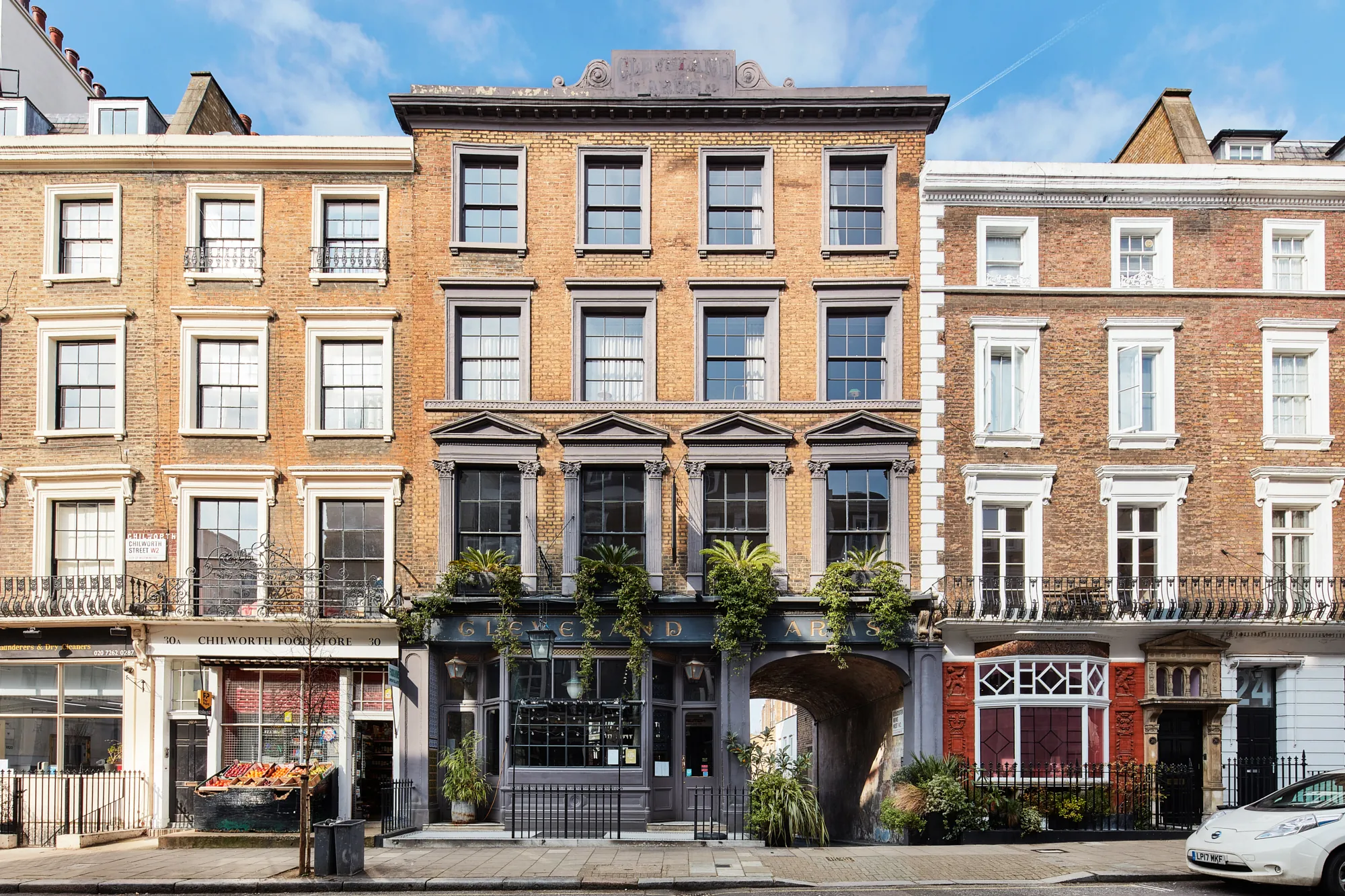
Barnsbury stands as one of Islington's most architecturally distinguished neighbourhoods, centred around Thornhill Square and its surrounding grid of early Victorian terraces. The area's development in the 1840s created some of the finest examples of Georgian and early Victorian townhouses in London, many retaining original features that command significant premiums. This is where the concept of 'garden square living' truly flourishes in Islington, with residents enjoying access to private communal gardens that feel worlds away from central London's density.
The streets radiating from Thornhill Square—including Thornhill Road, Cloudesley Square and Richmond Avenue—represent some of Islington's best streets for period property enthusiasts. According to HM Land Registry data, terraced houses in Islington achieve a median price of £1,700,000, with Barnsbury properties frequently exceeding this figure when they come to market. The area attracts families, creative professionals and those who appreciate architectural heritage, creating a stable and discerning community.
Barnsbury's appeal extends beyond aesthetics to practical considerations. The neighbourhood sits equidistant between Angel and Caledonian Road & Barnsbury stations, whilst Highbury & Islington is also within comfortable walking distance. This connectivity, combined with the catchment areas for several outstanding Islington primary schools, makes it particularly sought-after by families. The relatively quiet streets and abundance of green spaces create an environment that feels more village-like than many parts of Zone 2.
While Barnsbury lacks the restaurant density of Upper Street, Chapel Market—a traditional London street market operating since the 1800s—provides daily provisions and a genuine neighbourhood atmosphere. Our team consistently observes that buyers choosing Barnsbury prioritise residential character and architectural quality over immediate proximity to nightlife, making it distinct from the Angel proposition.
Canonbury: Village Charm with Transport Excellence
Canonbury represents perhaps the most sought-after synthesis of what makes Islington special: architectural distinction, village atmosphere, exceptional schools, and transport connectivity. The neighbourhood centres around Canonbury Square, one of London's grandest residential squares, where substantial Georgian townhouses overlook mature plane trees and private gardens. The surrounding streets—Alwyne Villas, Canonbury Park North and South, and the streets around Highbury Fields—offer everything from elegant conversions to well-proportioned family houses.
The defining feature of Canonbury is its proximity to Highbury & Islington station, offering London Overground, Victoria Line and Great Northern services that connect the City, West End and beyond with remarkable ease. This transport hub has transformed Canonbury's appeal over the past two decades, with professionals valuing the swift commute alongside the residential tranquillity. The area around Canonbury station itself, though quieter than Highbury & Islington, provides additional Overground access.
For families considering where to live in Islington, Canonbury's reputation for primary schools in Islington makes it especially compelling. Several 'outstanding' rated schools sit within the neighbourhood, and the presence of Highbury Fields—one of North London's finest open spaces—provides extensive play areas and sports facilities. The demographic skews towards established families and older professionals who've chosen to remain in the area long-term, creating neighbourhood stability.
According to HM Land Registry data, semi-detached properties in Islington achieve a median price of £2,450,000, with many of Canonbury's finest examples reaching considerably higher. Yet the area also offers mansion flat conversions and smaller terraced houses at more accessible price points, typically from £1,200,000 upwards. Our experience suggests that property in Canonbury tends to hold value exceptionally well through market cycles, reflecting the enduring appeal of its combination of attributes.
Talk to Seymont
What's your home worth?
A considered view on price, timing and how to bring your London home to market — a personal reply within 24 hours.
Your property
Step 1 of 2Islington Green and the De Beauvoir Borders
Islington Green, the small triangular park that gives this neighbourhood its name, sits at the junction of Upper Street and Essex Road, marking a transition zone between Angel's energy and the quieter residential streets extending east toward De Beauvoir Town. This area offers a middle ground in terms of both character and pricing, appealing to those who want proximity to Angel without quite being at the epicentre. The neighbourhood encompasses the streets around Cross Street, Greenman Street and the roads leading toward the Regent's Canal.
The stretch of Essex Road running north from Islington Green has developed its own distinct identity, with independent shops, cafes and restaurants in Islington creating a more neighbourhood-focused dining scene than Upper Street's destination venues. The Wednesday and Saturday farmers' market at Islington Green adds to the community feel, whilst the Screen on the Green cinema—one of London's most characterful independent cinemas—anchors the cultural offering. This combination of local amenities with excellent access creates genuine neighbourhood cohesion.
Property stock in this area tends toward Victorian and Edwardian conversions, with the median flat price across Islington at £570,000 according to HM Land Registry data. The eastern edges, where Islington meets Hackney, can offer marginally better value whilst maintaining excellent connectivity via Angel, Highbury & Islington and Essex Road stations. Our team often recommends this area to first-time buyers seeking an Islington postcode, and to young families not yet requiring larger houses.
The proximity to the Regent's Canal becomes increasingly valuable as you move east, with the towpath offering traffic-free walking and cycling routes extending to Victoria Park and beyond. For those exploring <a href="/house-prices/islington">house prices in Islington</a>, this neighbourhood demonstrates how location within the borough creates significant price variation—properties here typically achieve 15-20% less than equivalent spaces in Canonbury or prime Barnsbury, whilst offering many of the same lifestyle benefits.
Tufnell Park and Holloway: Islington's Northern Reaches
The northern parts of Islington, particularly around Tufnell Park and the more desirable parts of Holloway, offer the borough's most accessible entry points whilst maintaining excellent transport links and improving local amenities. Tufnell Park station on the Northern Line provides the same direct access to the City and West End as Angel, yet property prices here sit noticeably below the Islington average. The Victorian terraced streets around Huddleston Road, Anson Road and Lady Margaret Road have attracted young families and professionals priced out of central Islington.
Holloway Road itself remains somewhat functional as a major arterial route, yet the residential streets running perpendicular—particularly those west toward Highgate Hill—offer substantial Victorian properties with generous proportions. The area has benefited from ongoing regeneration, with new developments and improving retail offerings along Holloway Road itself. The proximity to both Holloway Road and Tufnell Park stations, plus easy bus access along the A1, provides comprehensive connectivity.
According to ONS rental data, a two-bedroom property in Islington typically rents for £1,800-£2,800 per month, with Tufnell Park and Holloway properties generally at the lower end of this range. This makes the area particularly attractive to renters and investors focused on yield rather than maximum capital appreciation. The demographic is younger and more transient than Canonbury or Barnsbury, though pockets of established residential streets maintain strong community ties.
For those considering <a href="/estate-agents/islington">estate agents in Islington</a> who truly understand the borough's diversity, these northern areas shouldn't be overlooked. They offer genuine village atmospheres around Tufnell Park, proximity to Hampstead Heath's eastern reaches, and a notably more relaxed pace than the Islington best streets further south. Several good primary schools in Islington serve the area, and the housing stock—predominantly substantial Victorian terraces—offers excellent space for growing families at more manageable price points.
Understanding Islington's Property Market
According to HM Land Registry data, Islington recorded 302 property transactions with a median price of £635,000, demonstrating the borough's position as a premium London location with surprising variety. The breakdown reveals the market's character: flats dominate at 247 transactions with a £570,000 median, whilst the 31 terraced houses sold achieved a median of £1,700,000. The seven semi-detached sales reached a remarkable £2,450,000 median, reflecting the premium attached to Islington's rarer property types.
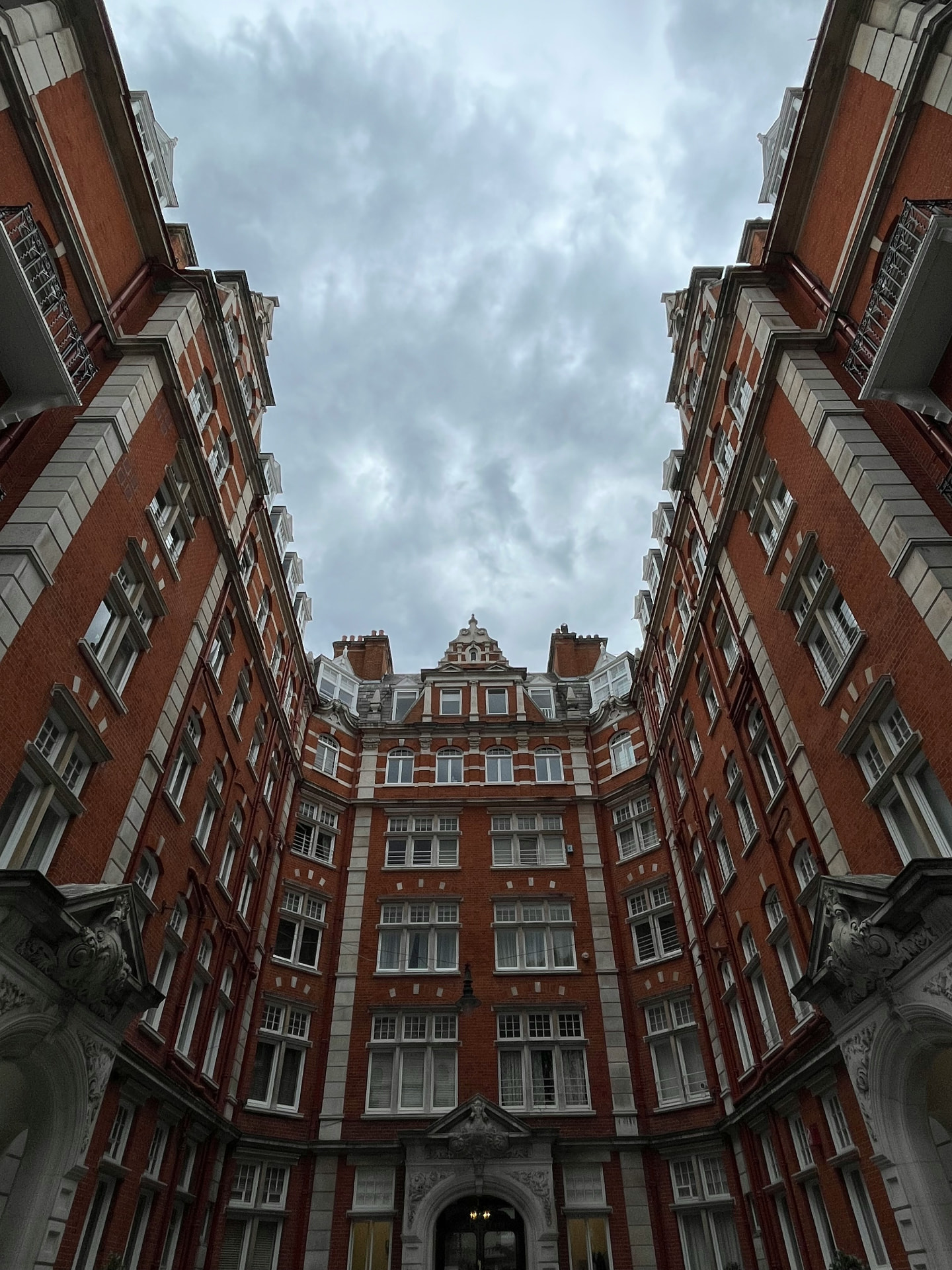
The data illustrates significant price variation—flats ranged from £140,000 to £2,300,000, whilst terraced houses spanned £449,022 to £4,375,000. This breadth reflects both property condition and, crucially, specific location within the borough. A Victorian conversion near Islington Green differs markedly in price from an equivalent property in Canonbury Square, despite similar specifications. Understanding these micro-market variations requires local expertise and market knowledge.
For landlords exploring <a href="/let-your-property/islington">letting your property in Islington</a>, ONS data shows rental ranges from £1,000-£1,550 for studios up to £4,175-£6,525 for five-bedroom properties. These figures reflect Islington's sustained rental demand from professionals working in the City, Shoreditch and West End, plus the growing cohort of remote workers who prioritise neighbourhood quality and cultural amenities over minimal commute times.
The Islington property market has matured beyond the dramatic appreciation of previous decades into steadier, more sustainable growth. Buyers increasingly prioritise specific neighbourhood characteristics—school catchments, particular architectural styles, proximity to green space—over simply securing an N1 postcode. This sophistication makes local knowledge invaluable, as the best areas to live in Islington genuinely depend on individual priorities, life stage and lifestyle preferences rather than any single 'best' neighbourhood.
Talk to Seymont
What's your home worth?
A considered view on price, timing and how to bring your London home to market — a personal reply within 24 hours.
Your property
Step 1 of 2About the author
Thomas LindqvistMortgage & Financing Specialist
Thomas advised buyers for a decade at Ashgrove Financial, an independent brokerage, on borrowing capacity, product selection and the full cost of a purchase, including stamp duty, legal fees and lender charges. He follows rate decisions and lender criteria changes and translates them into what a household can realistically afford. His guides cover affordability, remortgaging and the closing costs that buyers routinely underestimate.
CeMAP qualified · Whole-of-market mortgage advice background
- Mortgages
- Affordability
- Closing costs
- Remortgaging
Frequently asked
- Which is the most desirable area in Islington?
- Canonbury and Barnsbury consistently rank as Islington's most prestigious neighbourhoods, with Canonbury Square and Thornhill Square representing the pinnacle of garden-square living. These areas combine Georgian and Victorian architecture, excellent primary schools, private garden squares, and proximity to Highbury & Islington station. According to HM Land Registry data, terraced houses in Islington achieve a median of £1,700,000, with Canonbury and Barnsbury properties frequently exceeding this. However, 'most desirable' varies by individual priorities—Angel offers unmatched amenities and nightlife, whilst Tufnell Park provides better value for families needing space.
- Is Islington a good area for families?
- Islington is excellent for families, particularly in Canonbury, Barnsbury and the quieter streets around Highbury Fields. The borough offers numerous 'outstanding' rated primary schools in Islington, extensive green spaces including Highbury Fields and Clissold Park on the borders, and a strong sense of community in residential neighbourhoods. Transport connectivity means both parents can maintain City careers whilst enjoying village-like streets. Rental costs for family-sized properties range from £2,375-£3,725 for three bedrooms according to ONS data, though purchasing a terraced house typically requires budgets exceeding £1,500,000 in the most sought-after areas.
- How expensive is it to live in Islington?
- Islington sits at the premium end of London property, with HM Land Registry data showing a median property price of £635,000 across all types. Flats median at £570,000, whilst terraced houses reach £1,700,000. Rental costs according to ONS data range from £1,300-£2,050 monthly for one-bedroom properties up to £3,175-£4,975 for four-bedroom homes. However, Islington offers significant internal variation—Tufnell Park and Holloway provide more accessible entry points, whilst Canonbury and Barnsbury command substantial premiums. The borough's transport links, cultural amenities, and architectural quality justify the pricing for many buyers and renters.
- What is Angel Islington known for?
- Angel Islington is renowned as the borough's commercial and cultural heart, centred on the Angel tube station and Upper Street. The area offers one of London's highest concentrations of restaurants in Islington, from established gastropubs to innovative dining rooms, plus several theatres including the acclaimed Almeida. The junction serves as Islington's primary transport hub with Northern Line connections to the City and West End. Angel attracts young professionals, culture enthusiasts and those prioritising nightlife and amenities over residential tranquillity. Property around Angel typically commands premium prices, reflecting both location and the area's comprehensive facilities.
- Which part of Islington has the best transport links?
- Highbury & Islington station offers the borough's most comprehensive transport connectivity, with London Overground, Victoria Line and Great Northern services providing rapid access across London. This makes Canonbury and the surrounding streets particularly valuable for commuters. Angel station on the Northern Line provides excellent access but fewer route options. Tufnell Park offers Northern Line access at the borough's northern edge, whilst Caledonian Road & Barnsbury serves the western areas with Overground services. The concentration of stations means most Islington neighbourhoods sit within a 10-minute walk of at least one tube or Overground station, making the entire borough exceptionally well-connected.