Journal
St John's Wood Property Market Report
Written by Julian Reyes · Licensed Real Estate Agent
Published 17 December 2025 · Updated 7 January 2026 · 6 min read
The short answer
The St John's Wood property market continues to captivate buyers and investors seeking one of London's most distinguished residential enclaves. Nestled in the heart of NW8, this leafy neighbourhood combines the village charm of independent boutiques along the High Street with unrivalled transport links and proximity to Regent's Park.
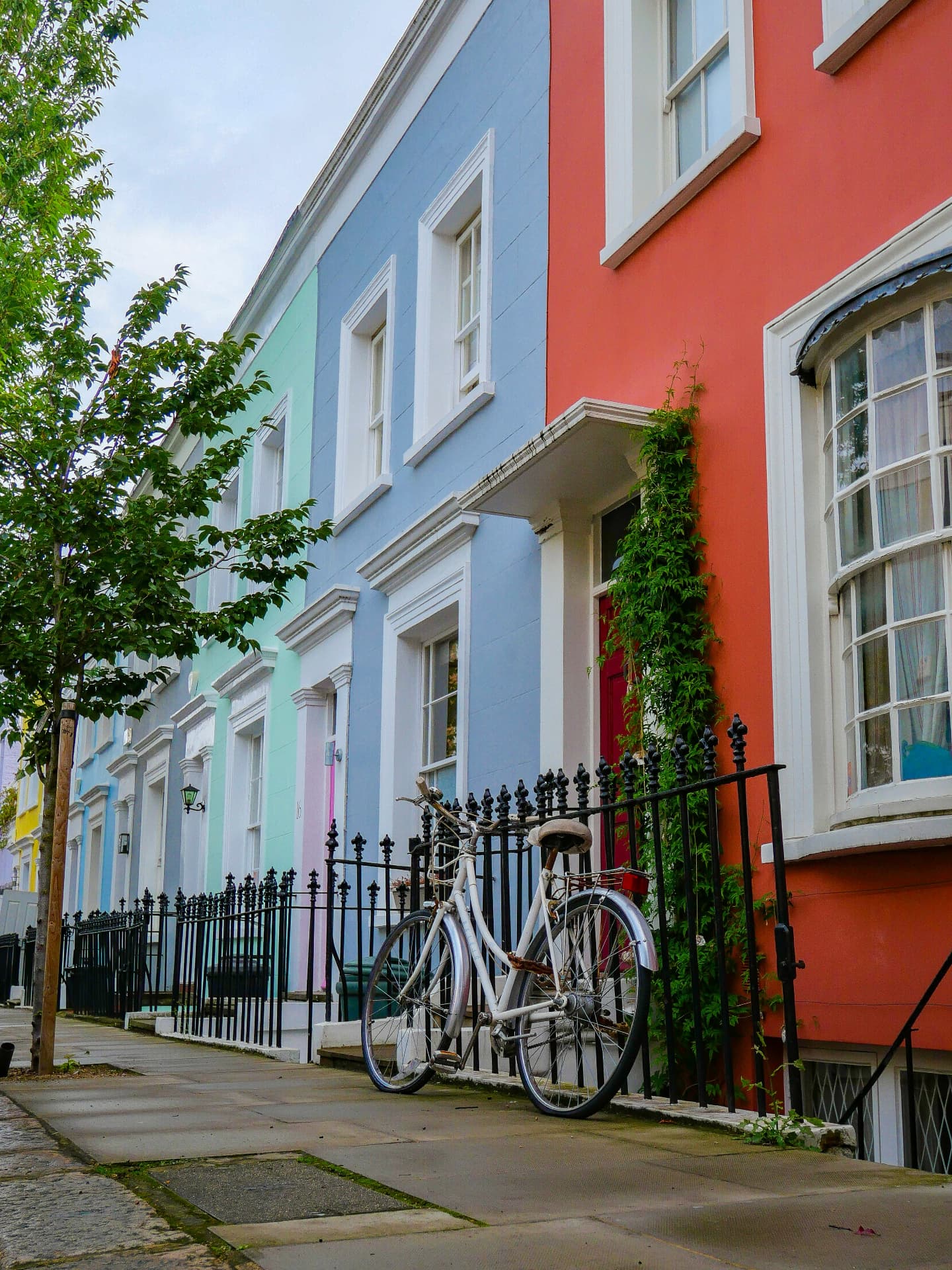
The St John's Wood property market continues to captivate buyers and investors seeking one of London's most distinguished residential enclaves. Nestled in the heart of NW8, this leafy neighbourhood combines the village charm of independent boutiques along the High Street with unrivalled transport links and proximity to Regent's Park. Our team at Seymont London has analysed the latest HM Land Registry data to provide you with a comprehensive overview of current pricing, transaction volumes and investment prospects in this sought-after corner of north-west London.
Current Market Overview and Transaction Activity
According to HM Land Registry Price Paid Data, St John's Wood recorded 104 property sales in the most recent period, with a median price of £700,000 reflecting the area's premium positioning within the London market. This figure represents the midpoint across all property types, from modern apartments to the grand Victorian and Edwardian houses that characterise the neighbourhood's most prestigious streets.
The market composition reveals the dominance of flats, which accounted for 82 of the 104 transactions. These apartments achieved a median price of £488,250, with values ranging from £91,000 to £2.6 million depending on size, specification and proximity to the iconic Lord's Cricket Ground. This diversity in the flat market reflects everything from compact studio conversions to luxurious penthouses overlooking the tree-lined avenues that define the area's character.
At the upper end of the St John's Wood housing market, detached properties commanded a median price of £12.675 million, with individual sales reaching £29 million. Semi-detached houses also performed exceptionally well, with a median of £10.725 million. These figures underscore the appeal of family homes in an area renowned for its excellent independent schools, green spaces and village atmosphere within Zone 2.
Terraced properties, with eight transactions at a median of £2.675 million, offer a middle ground for buyers seeking outdoor space and period character without the price tag of detached homes. The 'other' category, encompassing commercial conversions and mixed-use properties, showed considerable variation with a median of £574,985.
St John's Wood Price Trends Across Property Types
Understanding the St John's Wood price trend requires examining the distinct submarkets within this compact but diverse neighbourhood. The substantial spread between minimum and maximum values across each property type demonstrates the impact of factors such as square footage, period features, outdoor space and street prestige on final sale prices.
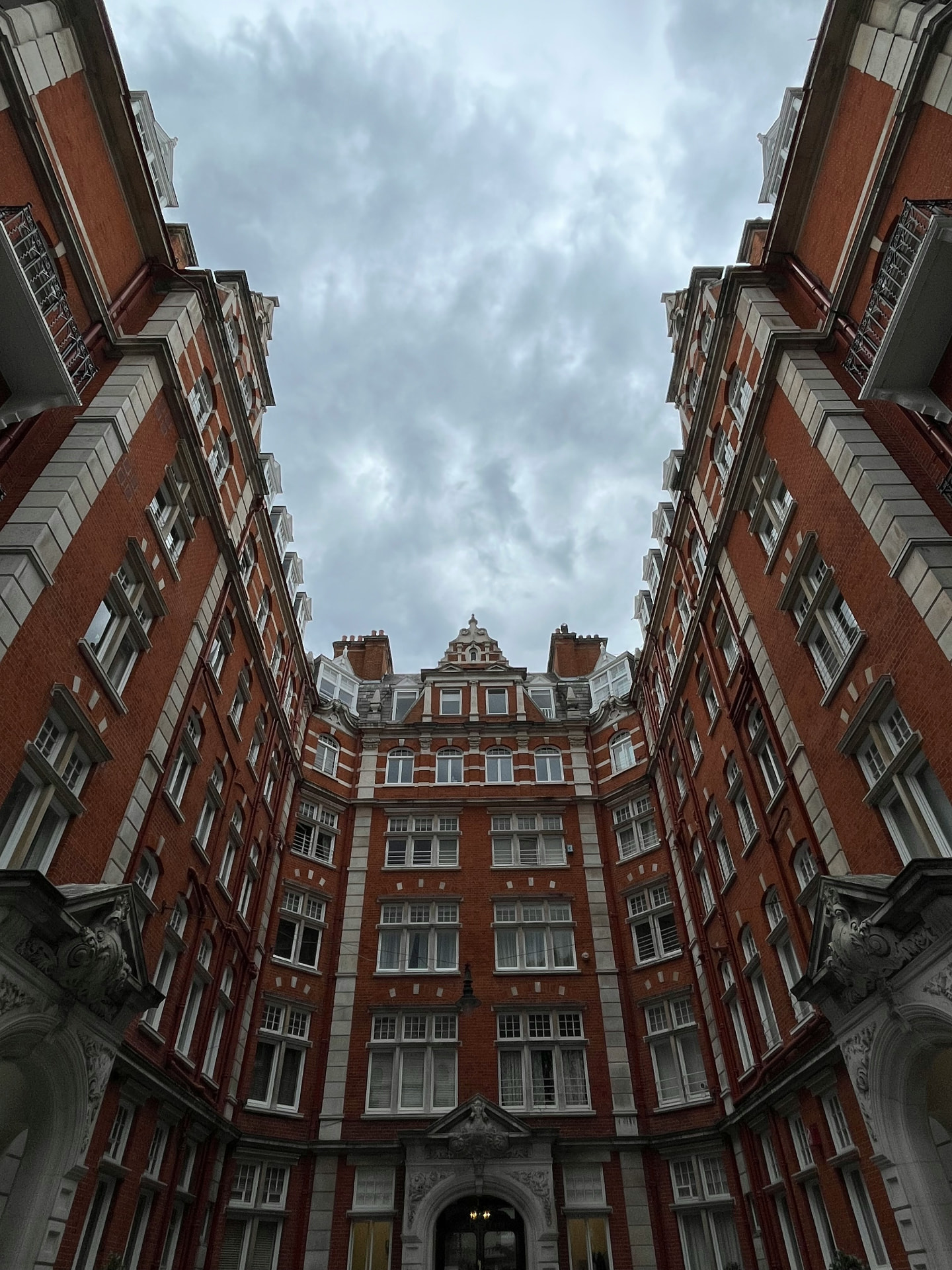
Flats represent the most accessible entry point for many buyers, yet even within this category the market segments considerably. Purpose-built mansion blocks along Wellington Road and Avenue Road typically command premium prices due to their porterage, communal gardens and architectural heritage. Conversions in the quieter residential streets offer characterful living spaces, often featuring high ceilings, original cornicing and generous room proportions that appeal to professional couples and downsizers alike.
The houses market demonstrates why St John's Wood remains a perennial favourite among high-net-worth families. Detached and semi-detached properties, though representing just eight of the 104 sales, achieved some of London's highest residential values. These homes typically occupy substantial plots on roads such as Circus Road, Hamilton Terrace and the tree-lined avenues radiating from Regent's Park, offering private gardens, off-street parking and the space that international buyers increasingly prioritise.
For those exploring [property for sale in St John's Wood](/property-for-sale/st-johns-wood), the current landscape presents opportunities across the price spectrum. The variation within each property type means that careful market analysis and local expertise become essential tools in identifying value and avoiding overpayment in a neighbourhood where street-by-street premiums can be substantial.
Rental Market Analysis: Yields and Tenant Demand
ONS rental data reveals a robust letting market in St John's Wood, with rental ranges that reflect the area's enduring appeal to both domestic and international tenants. Studio apartments command monthly rents between £1,075 and £1,650, while one-bedroom flats range from £1,400 to £2,200, attracting young professionals working in the City, West End and Canary Wharf who value the Jubilee Line connectivity.
Two-bedroom properties, the most liquid segment of the rental market, achieve £1,925 to £3,000 per calendar month. These apartments prove particularly popular with couples and small families who appreciate the neighbourhood's boutique cafés, gastropubs and proximity to Primrose Hill. Three-bedroom homes, renting for £2,550 to £4,000 monthly, attract established families drawn by the catchment areas for Arnold House, St Christina's and other respected independent schools.
Larger family homes demonstrate the premium commanded by St John's Wood's most substantial properties. Four-bedroom houses achieve £3,400 to £5,325 per month, while five-bedroom-plus properties can command £4,475 to £6,975. These upper-tier rentals typically attract corporate relocations, international families on assignment and high-earning professionals who require space for live-in staff or home offices.
Our team observes consistent tenant demand throughout the year, supported by the area's excellent transport infrastructure—St John's Wood station on the Jubilee Line provides direct access to Canary Wharf, Westminster and Southwark. For investors considering [letting your property in St John's Wood](/let-your-property/st-johns-wood), the combination of stable demand, quality tenant profiles and the area's enduring cachet creates favourable conditions for buy-to-let strategies.
Talk to Seymont
What's your home worth?
A considered view on price, timing and how to bring your London home to market — a personal reply within 24 hours.
Your property
Step 1 of 2Is St John's Wood a Good Investment? Market Fundamentals
The question of whether is St John's Wood a good investment depends on individual objectives, timescales and risk tolerance, yet several fundamental factors support the area's investment credentials. The neighbourhood's location within Zone 2, bounded by Regent's Park to the east and Primrose Hill to the north, creates a supply constraint that underpins long-term value retention.
St John's Wood benefits from what we term 'institutional memory'—generations of buyers recognise the postcode as synonymous with quality, safety and prestige. This reputational capital, built over decades, provides resilience during market corrections and supports price recovery during upswings. The presence of international embassies, the world-famous Lord's Cricket Ground and the historic Abbey Road Studios contributes to global brand recognition that few London neighbourhoods can match.
Infrastructure advantages further strengthen the investment case. Beyond the Jubilee Line, residents enjoy bus routes serving Oxford Circus, Baker Street and Hampstead, while road links via the A41 and proximity to the A40 Western Avenue facilitate access to Heathrow and the M25. The neighbourhood's self-contained village character, with Clifton Nurseries, independent butchers and the boutiques of St John's Wood High Street, reduces dependency on other areas for daily needs.
For detailed pricing analysis, our [house prices in St John's Wood](/house-prices/st-johns-wood) resource provides street-level granularity that helps identify micro-market opportunities. Capital growth potential varies considerably depending on property type, condition and specific location within the neighbourhood's distinct micro-zones, making local expertise invaluable when assessing individual opportunities.
Neighbourhood Character and Future Prospects
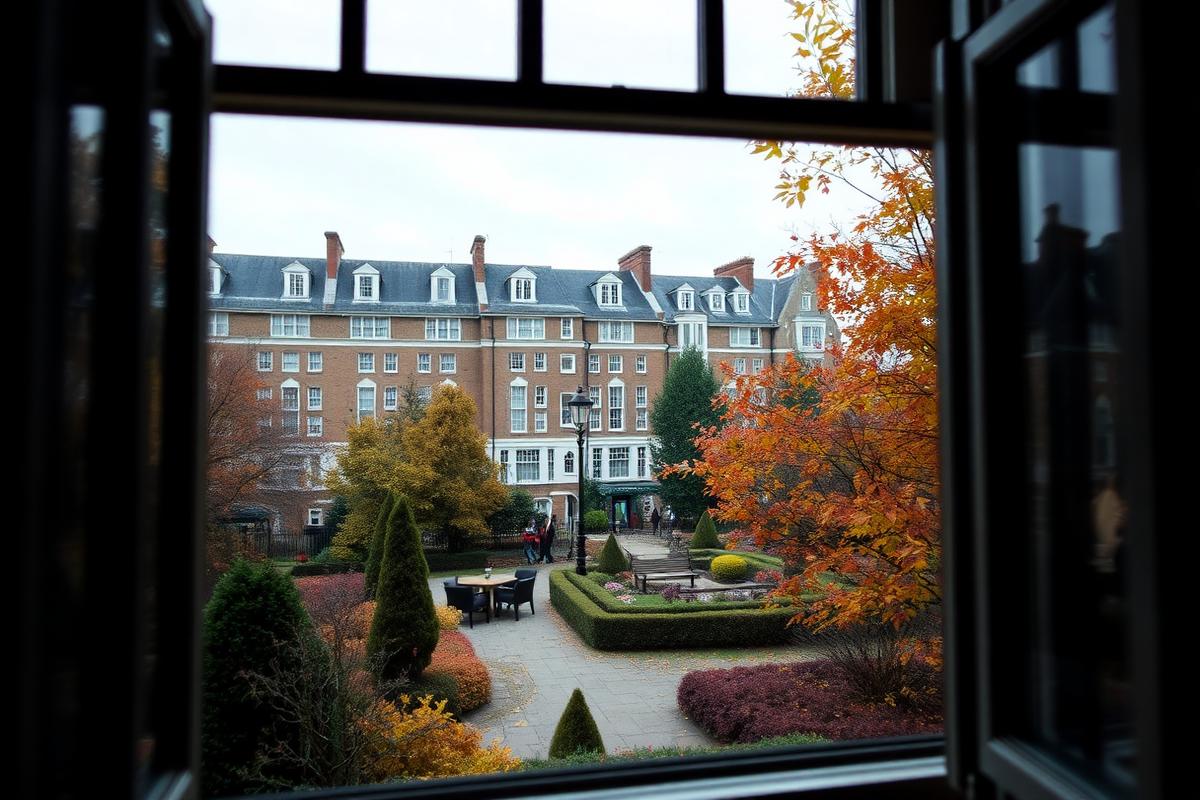
St John's Wood's appeal rests on intangible qualities that resist quantification yet profoundly influence buyer decisions. The neighbourhood's garden squares, wide tree-lined streets and predominance of low-rise architecture create an almost suburban tranquillity that belies its Zone 2 location. This environmental quality attracts buyers seeking respite from central London's intensity without sacrificing connectivity or cultural amenities.
The area's social infrastructure—from the Seymont Road shops to the sports facilities at Paddington Recreation Ground—supports a genuine community atmosphere. Long-term residents frequently cite the neighbourhood's village feel, where familiar faces in local establishments and the Farmer's Market create social cohesion increasingly rare in inner London. This quality particularly appeals to families and empty-nesters seeking neighbourly connections alongside property investment.
Looking forward, St John's Wood appears well-positioned to weather broader market uncertainties. The planned Elizabeth Line services at nearby Paddington enhance regional connectivity, while ongoing upgrades to the Regent's Park estate and surrounding conservation areas protect environmental quality. Planning policies favouring mansion block refurbishment over demolition preserve architectural character while allowing modernisation that meets contemporary expectations.
Our [estate agents in St John's Wood](/estate-agents/st-johns-wood) maintain close observation of planning applications, infrastructure developments and market sentiment shifts that may influence future values. The neighbourhood's established character, protected status and supply constraints suggest that while short-term price movements inevitably fluctuate, the fundamentals supporting long-term value retention remain robust.
Talk to Seymont
What's your home worth?
A considered view on price, timing and how to bring your London home to market — a personal reply within 24 hours.
Your property
Step 1 of 2About the author
Julian ReyesLicensed Real Estate Agent
Julian has spent eleven years handling residential sales across west and central London, previously with the independent agencies Harlowe & Vance and Marchmont Row. He runs listings end to end, from pricing and presentation through to negotiating offers and holding chains together to completion. His writing focuses on the practical mechanics of buying and selling a home in a market where timing and preparation decide the outcome.
Licensed estate agent · 11 years in London residential sales
- Residential sales
- First-time buyers
- Offer negotiation
- Chain management
Frequently asked
- What is the average property price in St John's Wood?
- According to HM Land Registry data, the median property price in St John's Wood is £700,000 across all property types. However, this figure varies significantly by property type: flats have a median of £488,250, terraced houses £2.675 million, and detached properties £12.675 million. The considerable range reflects the diversity of housing stock, from compact apartments to substantial family homes on the area's most prestigious roads.
- Is St John's Wood a good area to invest in property?
- St John's Wood offers strong investment fundamentals including Zone 2 location, excellent transport links via the Jubilee Line, supply constraints due to conservation area status, and enduring reputational appeal among domestic and international buyers. The area benefits from robust rental demand across all property sizes, quality tenant profiles, and architectural character protected by planning policies. Individual investment suitability depends on your objectives, budget and timeframe.
- What are typical rental yields in St John's Wood?
- Rental yields in St John's Wood vary by property type and value. ONS data shows studio flats renting for £1,075–£1,650 monthly, one-bedroom flats £1,400–£2,200, two-bedroom properties £1,925–£3,000, and three-bedroom homes £2,550–£4,000. Larger family houses with four bedrooms achieve £3,400–£5,325, while five-bedroom-plus properties command £4,475–£6,975. Yields are typically lower than emerging areas but offer stability and capital preservation.
- How does St John's Wood compare to neighbouring areas like Primrose Hill or Maida Vale?
- St John's Wood typically commands a premium over Maida Vale due to its village atmosphere, proximity to Regent's Park and established prestige, though Maida Vale offers better value for similar connectivity. Primrose Hill achieves comparable or higher prices for houses due to its bohemian cachet and hilltop location, though St John's Wood generally offers superior transport links and a wider range of property types including mansion blocks and period conversions.
- What types of properties are most common in St John's Wood?
- Flats dominate the market, accounting for 82 of 104 recent transactions according to HM Land Registry data. These include purpose-built mansion blocks, particularly along Avenue Road and Wellington Road, and period conversions in Victorian and Edwardian houses. The area also features substantial detached and semi-detached family homes on prestigious streets, terraced houses offering a balance of space and value, and select new-build developments, though these remain limited due to conservation area protections.