Journal
St John's Wood House Prices in 2026
Written by Amara Bennett · Property Market Analyst
Published 28 November 2025 · Updated 25 July 2026 · 6 min read
The short answer
St John's Wood house prices continue to reflect the area's status as one of London's most distinguished residential enclaves. Nestled in the heart of NW8, this leafy neighbourhood between Regent's Park and Primrose Hill has long attracted discerning buyers seeking the rare combination of village charm and prime central London connectivity.
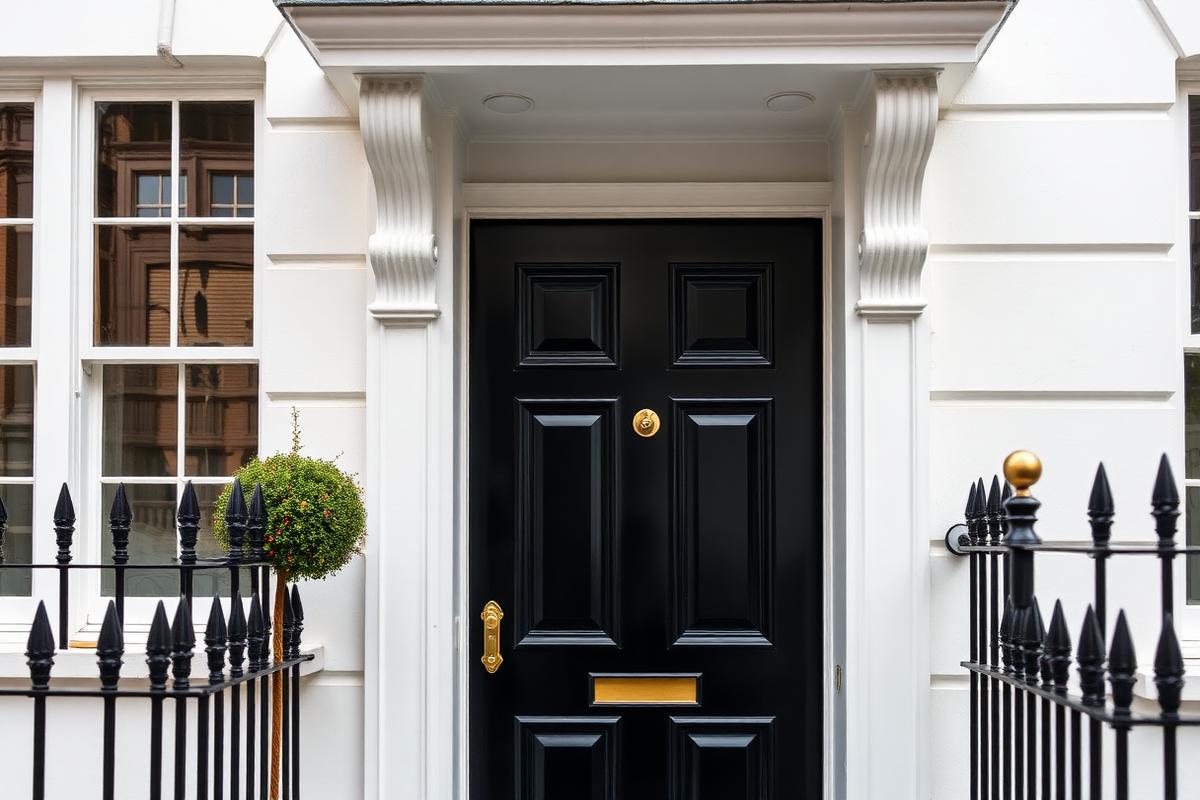
St John's Wood house prices continue to reflect the area's status as one of London's most distinguished residential enclaves. Nestled in the heart of NW8, this leafy neighbourhood between Regent's Park and Primrose Hill has long attracted discerning buyers seeking the rare combination of village charm and prime central London connectivity. As we analyse the market in 2026, the latest HM Land Registry data reveals a nuanced picture of values across different property types, from elegant mansion blocks to grand family homes. Our team has examined recent transactions to provide you with an authoritative overview of what buyers can expect when considering properties for sale in St John's Wood.
Average House Price St John's Wood: Current Market Snapshot
According to HM Land Registry Price Paid Data, the median sale price across all property types in St John's Wood stands at £700,000, based on 104 recorded transactions in the most recent period. This figure, however, masks considerable variation depending on property type and location within this prestigious postcode.
Flats dominate the transaction volume, accounting for 82 of the 104 sales, with a median price of £488,250. The flat market demonstrates remarkable breadth, with entry-level apartments starting from £91,000 and extending to £2.6 million for prime lateral apartments in the area's most coveted mansion blocks. This diversity makes St John's Wood accessible to first-time buyers and investors whilst maintaining its appeal to established professionals seeking period conversions near Lord's Cricket Ground.
The upper end of the market tells a different story entirely. Detached houses commanded a median price of £12.675 million, with transactions ranging from £1.9 million to an exceptional £29 million. Semi-detached properties achieved a median of £10.725 million, whilst terraced houses—many of them the handsome Victorian and Edwardian villas lining the area's tree-lined avenues—recorded a median of £2.675 million. These figures underscore St John's Wood's enduring reputation as a haven for substantial family homes within walking distance of central London.
St John's Wood Property Prices by Property Type
Understanding St John's Wood property prices requires appreciating the architectural character that defines each segment of the market. The area's flats, predominantly found in purpose-built mansion blocks constructed during the Edwardian and inter-war periods, offer an attractive proposition for buyers seeking lateral living space with period features. These conversions and purpose-built apartments represent the most accessible entry point to this desirable postcode.
Terraced houses form the backbone of the family home market, with eight transactions recording prices between £1.4 million and an extraordinary £16 million. These properties typically feature the stucco-fronted elegance and generous proportions characteristic of Victorian development in this part of north-west London. Many occupy prime positions on the neighbourhood's quieter residential roads, offering secluded gardens—a genuine rarity at this proximity to the West End.
The detached and semi-detached segments represent the pinnacle of St John's Wood living. With only six detached sales and two semi-detached transactions, these properties are exceptionally scarce. Their values reflect not merely square footage but the exclusivity of substantial private grounds, off-street parking, and the privacy that attracts international families and established professionals. Our <a href="/property-for-sale/st-johns-wood">properties for sale in St John's Wood</a> portfolio regularly features these exceptional homes.
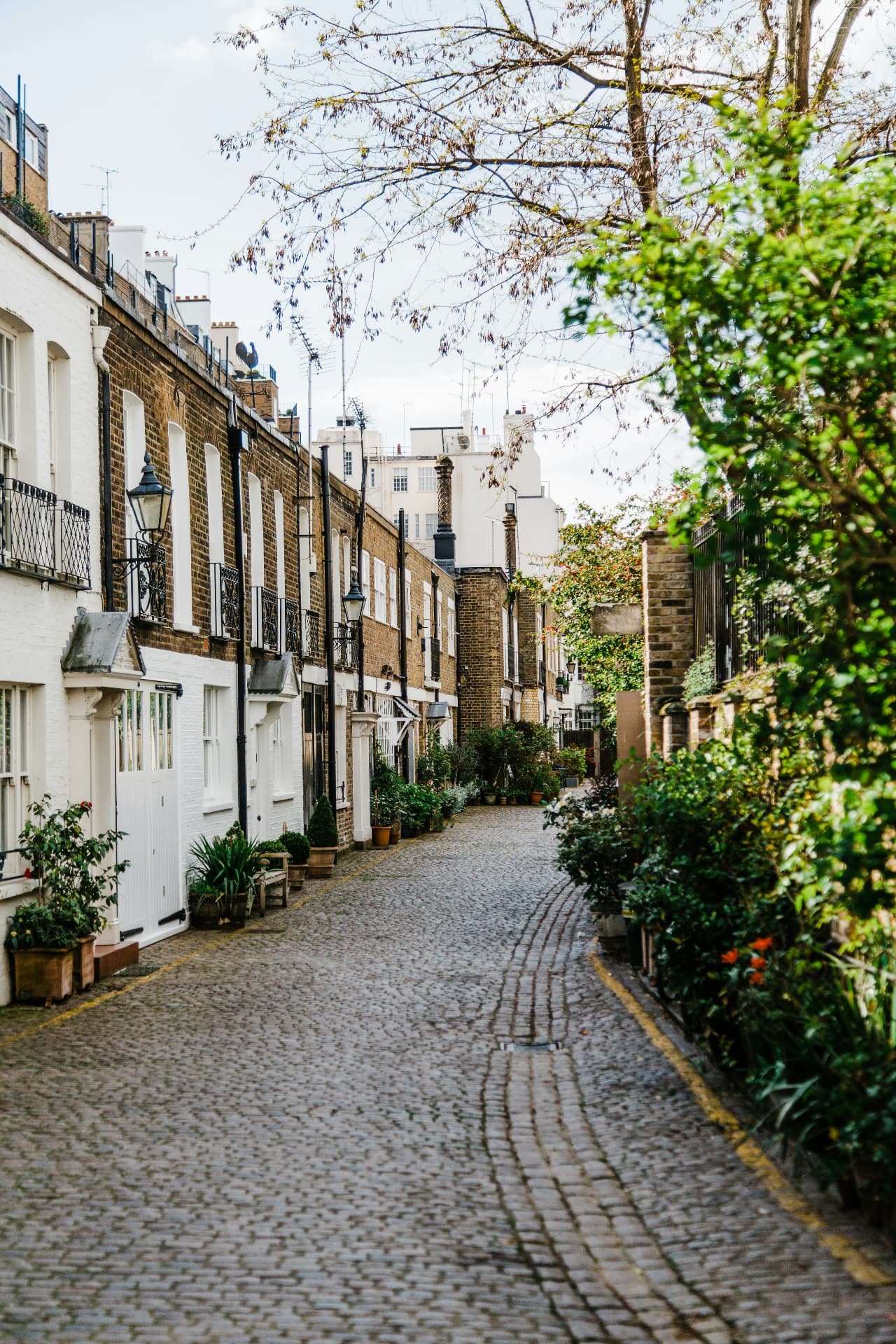
The 'other' category—comprising commercial conversions, mixed-use properties, and new-build developments—showed six transactions with a median of £574,985. This segment often presents interesting opportunities for buyers seeking something distinctive, from former artists' studios to contemporary mews houses tucked away on the area's quieter lanes.
St John's Wood Sold Prices: Market Dynamics and Trends
Analysing St John's Wood sold prices reveals patterns that distinguish this market from broader London trends. The concentration of transactions in the flat sector reflects both the area's housing stock composition and sustained demand from professionals, downsizers, and international buyers drawn to the neighbourhood's cultural amenities and transport connections.
The premium commanded by houses—particularly detached and semi-detached properties—demonstrates the scarcity value attached to family accommodation with outside space. St John's Wood's unique character, with its low-rise, villa-style development and mature tree coverage, creates an almost suburban tranquillity despite the NW8 postcode's proximity to Oxford Street and the City. This combination proves irresistible to families who might otherwise consider outer London or the Home Counties.
Transaction volumes of 104 sales suggest a selective market where buyers exercise considerable diligence. Unlike high-turnover areas, St John's Wood attracts purchasers intending to establish long-term roots, whether as primary residences or substantial London bases. This stability contributes to the area's enduring appeal and supports property values even during broader market fluctuations.
For those exploring the market, our <a href="/house-prices/st-johns-wood">St John's Wood house prices</a> analysis provides detailed insights into specific streets and property characteristics that influence values across this distinguished postcode.
Talk to Seymont
What's your home worth?
A considered view on price, timing and how to bring your London home to market — a personal reply within 24 hours.
Your property
Step 1 of 2Rental Market: Investment Perspective
The rental market provides crucial context for investors and buy-to-let purchasers considering St John's Wood. ONS data reveals monthly rental ranges across property sizes, from studios commanding £1,075–£1,650 to five-bedroom homes achieving £4,475–£6,975.
One-bedroom flats, the most liquid segment of the rental market, range from £1,400 to £2,200 per calendar month. This bracket attracts young professionals working in the City, Canary Wharf, or West End, drawn by the Jubilee Line's swift connectivity and the neighbourhood's village atmosphere. Two-bedroom properties, ranging from £1,925 to £3,000, appeal to sharers and couples, whilst three-bedroom homes (£2,550–£4,000) suit growing families seeking catchment access to the area's respected state and independent schools.
The upper rental brackets—four-bedroom properties at £3,400–£5,325 and five-bedroom homes at £4,475–£6,975—cater to international corporate relocations and established families. These figures suggest gross yields that, whilst modest compared to higher-yielding London postcodes, reflect the capital security and tenant quality associated with prime central locations.
For landlords considering the area, our <a href="/let-your-property/st-johns-wood">letting services in St John's Wood</a> team provides comprehensive property management tailored to the expectations of discerning tenants who gravitate towards NW8.
Location and Lifestyle: What Shapes St John's Wood Values
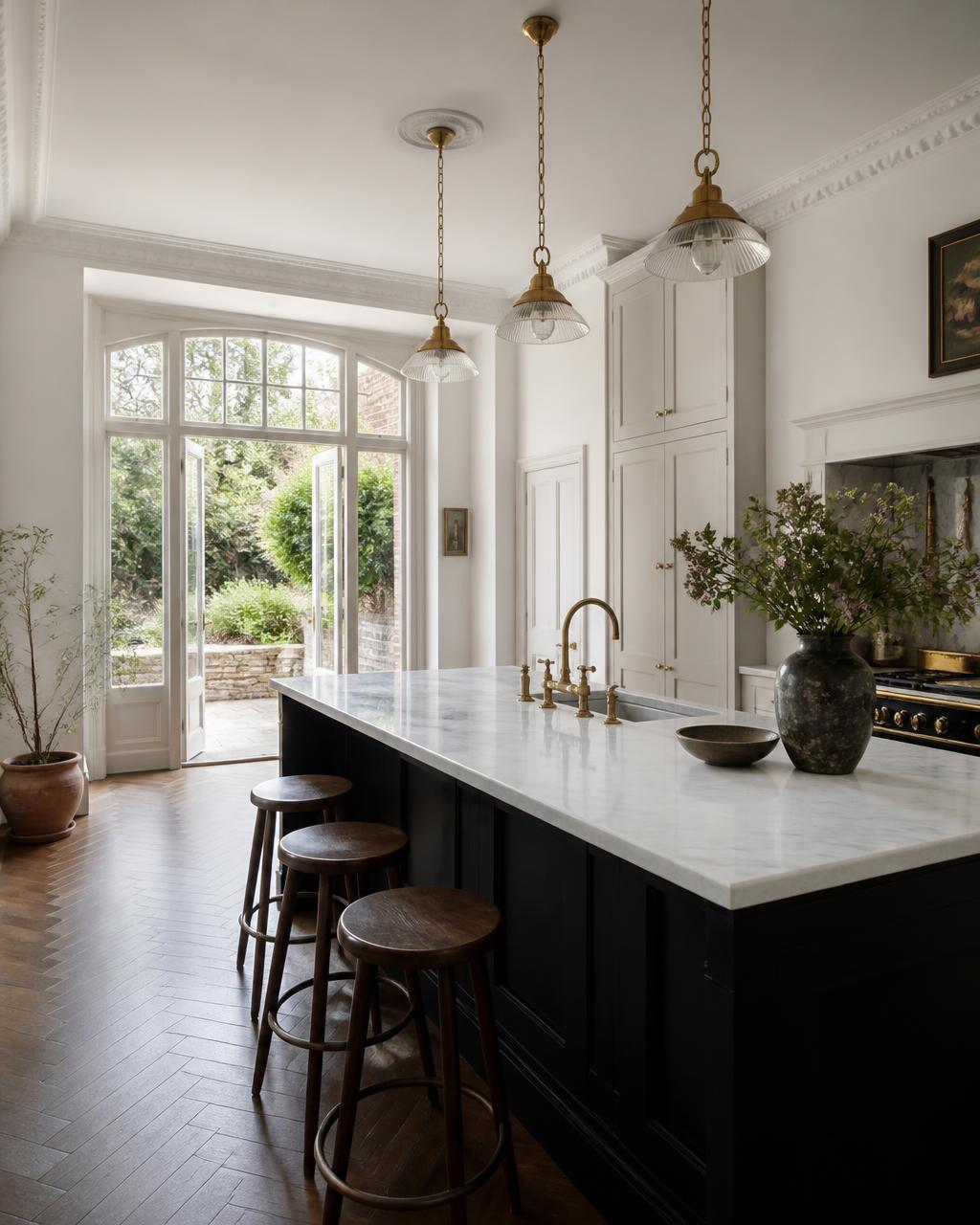
St John's Wood house prices cannot be understood without appreciating the lifestyle proposition that underpins them. The area's defining characteristic—its garden square layout and villa-style housing—was revolutionary when developed in the early 19th century and remains exceptional today. Tree-lined streets such as Hamilton Terrace, Marlborough Place, and the roads surrounding Lord's Cricket Ground offer a verdant setting that feels removed from urban intensity.
Transport connectivity significantly influences property values. St John's Wood Underground station on the Jubilee Line provides a seven-minute journey to Bond Street and fifteen minutes to Canary Wharf, whilst multiple bus routes connect to the West End, the City, and beyond. For motorists, proximity to the A41 and A40 facilitates access to the M1 and M40, making weekend retreats and airport runs straightforward.
Cultural amenities add substantial intangible value. Lord's Cricket Ground anchors the neighbourhood's identity, whilst Abbey Road Studios draws music enthusiasts to the world's most famous zebra crossing. The American School in London and several respected independent schools contribute to demand from international and British families alike. Primrose Hill, Regent's Park, and the Grand Union Canal provide green space and recreational opportunities rare in Zone 2.
Retail and dining options along St John's Wood High Street balance neighbourhood convenience with quality, from independent butchers and delicatessens to cafés and restaurants. This village-within-the-city character—where residents recognise familiar faces yet remain minutes from Marylebone and Mayfair—explains why buyers accept premium valuations. Our <a href="/estate-agents/st-johns-wood">St John's Wood estate agents</a> team understands these nuances intimately, having guided countless clients through transactions shaped by these location-specific factors.
Outlook: St John's Wood in the Broader Prime London Context
Looking at St John's Wood within the wider prime London market, several factors suggest continued resilience. The area's housing stock—predominantly pre-1940s construction with generous proportions and period features—cannot be replicated, creating inherent scarcity that supports values. Unlike new-build developments that add supply to emerging areas, St John's Wood's established character limits inventory growth.
Demographic trends favour the neighbourhood. As hybrid working persists, buyers increasingly prioritise space, greenery, and local amenities over minimal commuting times. St John's Wood delivers these attributes whilst maintaining excellent transport links for necessary office attendance. The area attracts a genuinely international buyer base—from American families seeking proximity to their school to European investors valuing London's institutional stability—providing demand diversity that buffers against single-market fluctuations.
The average house price in St John's Wood positions the area at the accessible end of prime central London, particularly for flats and smaller houses. Compared to Mayfair, Knightsbridge, or Belgravia, NW8 offers relative value whilst delivering comparable lifestyle benefits and superior green space. This positioning attracts buyers priced out of ultra-prime postcodes yet unwilling to compromise on location quality.
We anticipate continued demand across all property types, with particular interest in houses offering outdoor space and flats in the best mansion blocks. For buyers navigating this selective market, understanding the specific characteristics that command premiums—lateral layouts, private gardens, original features, and proximity to the park and Underground—proves essential to making informed decisions.

Talk to Seymont
What's your home worth?
A considered view on price, timing and how to bring your London home to market — a personal reply within 24 hours.
Your property
Step 1 of 2About the author
Amara BennettProperty Market Analyst
Amara spent seven years as a market analyst at Kestrel Lane Research, a small London property consultancy, before joining our editorial desk. She reads sold-price and rental data street by street to explain how individual London postcode districts actually behave, and reviews every price figure we publish. Her focus is separating headline national averages from what a specific address is worth today.
MSc Real Estate Economics · Seven years in property market research
- Valuations
- Local market data
- Sold prices
- Pricing strategy
Frequently asked
- What is the average house price in St John's Wood in 2026?
- According to HM Land Registry data, the median sale price across all property types in St John's Wood is £700,000. However, this varies significantly by property type: flats have a median of £488,250, terraced houses £2.675 million, and detached houses £12.675 million. The overall average reflects the predominance of flat sales (82 of 104 transactions) in the market.
- How much do flats cost in St John's Wood?
- Flats in St John's Wood range from £91,000 to £2.6 million, with a median price of £488,250 based on HM Land Registry data. Purpose-built mansion blocks and period conversions dominate this segment, offering everything from compact studios to substantial lateral apartments. Prices vary considerably depending on size, condition, building quality, and proximity to the Underground station and Regent's Park.
- What are rental prices like in St John's Wood?
- According to ONS data, rental prices in St John's Wood range from £1,075–£1,650 per month for studios to £4,475–£6,975 for five-bedroom properties. One-bedroom flats typically rent for £1,400–£2,200, two-bedroom properties £1,925–£3,000, and three-bedroom homes £2,550–£4,000 monthly. These figures reflect the area's prime central London location and appeal to professionals and families.
- Why are St John's Wood house prices so high?
- St John's Wood commands premium prices due to its unique combination of village character, prime Zone 2 location, exceptional transport links via the Jubilee Line, proximity to Regent's Park and Primrose Hill, respected schools including the American School in London, and predominantly period housing stock with generous proportions. The area's low-rise, garden-square layout cannot be replicated, creating scarcity that supports values.
- Is St John's Wood a good area to invest in property?
- St John's Wood offers strong fundamentals for property investment: limited housing stock that cannot be expanded, consistent demand from international and British buyers, excellent transport connectivity, prestigious location, and a diverse tenant base ranging from young professionals to corporate relocations. Whilst rental yields are modest compared to higher-yielding areas, the combination of capital security, tenant quality, and long-term value appreciation makes it attractive to investors seeking prime central London exposure.