Journal
St John's Wood Area Guide
Written by Nina Castellano · Investment Property Advisor
Published 20 July 2026 · Updated 25 July 2026 · 6 min read
The short answer
St John's Wood has long been synonymous with elegant living, leafy avenues and an unmistakable village atmosphere that sets it apart from the rest of central London. This St John's Wood area guide explores why this distinguished corner of NW8 continues to attract discerning buyers and renters seeking the perfect balance between urban convenience and suburban tranquillity.
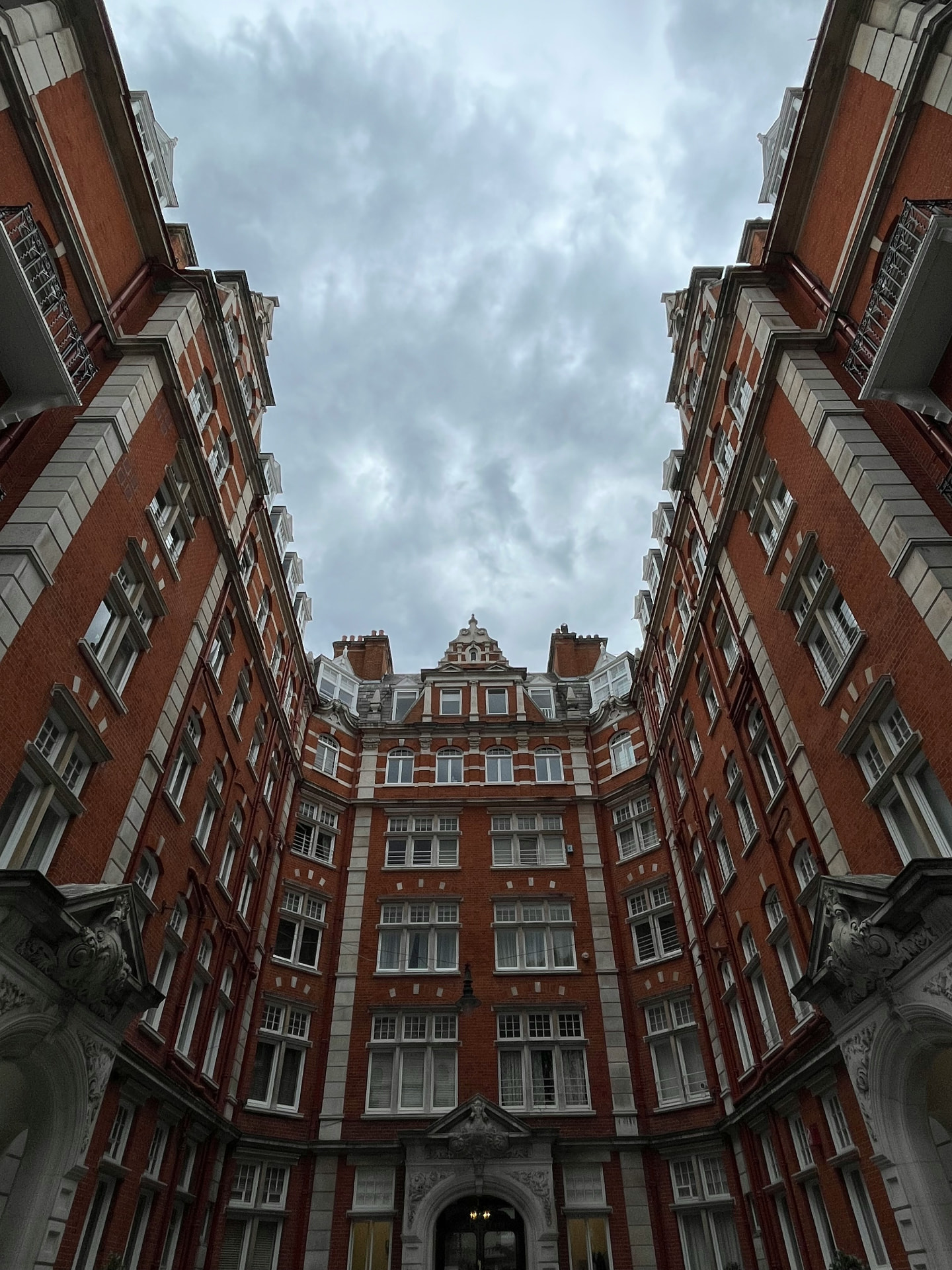
St John's Wood has long been synonymous with elegant living, leafy avenues and an unmistakable village atmosphere that sets it apart from the rest of central London. This St John's Wood area guide explores why this distinguished corner of NW8 continues to attract discerning buyers and renters seeking the perfect balance between urban convenience and suburban tranquillity. Our team at Seymont London has witnessed firsthand the enduring appeal of this neighbourhood, where Regency villas stand alongside modern mansion blocks, and where Lord's Cricket Ground serves as both a sporting institution and a cherished community landmark. From the tree-lined streets to the boutique shopping on the High Street, St John's Wood offers a lifestyle that feels both quintessentially English and refreshingly cosmopolitan.
The Character and History of St John's Wood
St John's Wood emerged in the early 19th century as London's first planned garden suburb, developed by the Eyre family on land that once belonged to the Knights of St John of Jerusalem. The area's defining characteristic—its spacious, villa-lined streets—was revolutionary for its time, establishing a template for suburban development that would be replicated across Britain. The neighbourhood attracted artists, musicians and intellectuals throughout the Victorian era, a creative legacy that persists today.
The architectural identity of St John's Wood revolves around its distinctive cream-coloured stucco villas, many designed by renowned architects including John Raffield and George Gutch. These substantial family homes, typically set back from the road behind mature gardens, create an atmosphere of privacy and prestige rare in central London. The streets around Hamilton Terrace, Cavendish Avenue and Abbey Road exemplify this elegant aesthetic, while the mansion blocks that arrived in the early 20th century—particularly along St John's Wood Road and Wellington Road—introduced a more cosmopolitan dimension to the area's residential landscape.
Lord's Cricket Ground, the home of cricket since 1814, anchors the neighbourhood's identity and brings an international dimension to this otherwise residential enclave. The presence of the MCC and the regular influx of cricket enthusiasts during the season creates a unique rhythm to local life. Beyond the cricket ground, the proximity to Regent's Park and Primrose Hill ensures residents enjoy access to some of London's finest green spaces, reinforcing St John's Wood's reputation as one of the capital's most desirable garden suburbs.
St John's Wood Property Market Insights
The St John's Wood property market reflects the area's premium positioning within London's residential landscape. According to HM Land Registry data, the median sale price across 104 transactions stood at £700,000, though this figure masks considerable variation across different property types. Flats, which constituted the majority of sales with 82 transactions, recorded a median price of £488,250, ranging from £91,000 to £2,600,000—demonstrating the breadth of apartment stock available from modest studios to expansive lateral conversions.
At the upper end of the market, St John's Wood continues to attract substantial investment. Detached properties commanded a median price of £12,675,000 across six sales, with individual transactions reaching £29,000,000. Terraced houses achieved a median of £2,675,000, whilst the two semi-detached properties sold during the period both exceeded £10,700,000. These figures position St John's Wood firmly within London's super-prime category, particularly for family houses with gardens—a rarity in Zone 2.
For those exploring [property for sale in St John's Wood](/property-for-sale/st-johns-wood), understanding the rental market provides valuable context for investment decisions. ONS data reveals monthly rental values spanning from £1,075–£1,650 for studios to £4,475–£6,975 for five-bedroom properties. Two-bedroom apartments, the most liquid rental category, typically command £1,925–£3,000 per month, reflecting sustained demand from professional couples and small families. Our team observes that St John's Wood streets closest to transport links and Regent's Park achieve premium rents, whilst properties near the Finchley Road tend to offer slightly better value.
Living in St John's Wood: Lifestyle and Amenities
St John's Wood High Street forms the commercial heart of the neighbourhood, offering an appealing blend of independent boutiques, artisan food shops and pavement cafés that foster a genuine village atmosphere. The street manages to feel both exclusive and welcoming, with long-established businesses sitting alongside newer arrivals. Residents appreciate the walkability of the area—most daily needs can be met within a few streets, yet the West End lies just minutes away by Jubilee line.
The cultural amenities extend well beyond Lord's Cricket Ground. Abbey Road Studios, immortalised by The Beatles, continues to operate as a working recording facility and draws music enthusiasts to the famous zebra crossing outside. The neighbourhood also benefits from proximity to Regent's Park's Open Air Theatre, the boating lake and Queen Mary's Gardens, whilst the canal towpath offers joggers and cyclists a traffic-free route into central London or out towards Little Venice.
Education represents a significant draw for families considering St John's Wood. The area falls within the catchment of several outstanding state primary schools, whilst independent options including Arnold House, St Christina's and The Hall School provide alternatives. Secondary provision includes the nearby St Marylebone Church of England School, consistently among London's highest-performing state secondaries. This educational infrastructure substantially influences the St John's Wood guide for families, with properties near the best schools commanding particular premiums.
Talk to Seymont
What's your home worth?
A considered view on price, timing and how to bring your London home to market — a personal reply within 24 hours.
Your property
Step 1 of 2Transport Connections and Accessibility
St John's Wood station on the Jubilee line provides the area's primary Underground connection, delivering passengers to Bond Street in four minutes, Waterloo in twelve, and Canary Wharf in under twenty-five minutes. This single direct line into the heart of the capital represents both a strength—fast access to key destinations—and a consideration for those who prefer network redundancy, as alternative tube stations require a walk to Swiss Cottage, Marylebone or Baker Street.
Marylebone station, accessible within fifteen minutes on foot or a short bus journey, offers National Rail services to Birmingham, Oxford and the Chilterns, alongside the Bakerloo line. The comprehensive bus network along Finchley Road and Wellington Road connects St John's Wood to wider London, with routes serving Camden, Oxford Circus, Victoria and beyond. For motorists, the A41 provides relatively swift access to the M1 and wider motorway network, whilst parking—either residents' permits or private spaces—is generally more available than in denser central neighbourhoods.
The walkability of St John's Wood deserves emphasis in any comprehensive St John's Wood guide. Regent's Park, Primrose Hill, Marylebone Village and Little Venice all lie within comfortable walking distance, enabling a car-free lifestyle for those who prefer it. Cycling infrastructure has improved along several routes, though the area's residential streets were designed for a pre-motor age and retain a pedestrian-friendly scale that distinguishes them from busier London thoroughfares.
Why Choose Seymont London in St John's Wood
Our approach to [estate agency in St John's Wood](/estate-agents/st-johns-wood) reflects the distinctive character of this neighbourhood. We recognise that properties here represent not merely bricks and mortar but a particular lifestyle choice—one that values space, greenery, community and cultural richness. Our team's intimate knowledge of St John's Wood streets, from the grand villas of Hamilton Terrace to the converted mansion blocks near Lord's, enables us to match clients with properties that align with their specific requirements.
Whether you're considering purchasing a flat in one of the area's elegant mansion blocks, searching for a family house with a garden, or exploring [letting your property](/let-your-property/st-johns-wood) to the consistent demand of professionals and international relocations, we provide guidance rooted in genuine market understanding. Our collective experience across London gives us perspective on how St John's Wood compares to neighbouring areas like Maida Vale, Primrose Hill and Marylebone, helping clients make informed decisions about where their investment will best serve their long-term objectives.
We remain committed to transparent communication, realistic valuations based on current market data, and a service standard that reflects the quality of the properties and neighbourhood we represent. For those serious about understanding [house prices in St John's Wood](/house-prices/st-johns-wood) and the factors that influence value—from proximity to the park to ceiling heights and outside space—our team offers consultations that go beyond the superficial, examining the nuances that define this exceptional London neighbourhood.
Talk to Seymont
What's your home worth?
A considered view on price, timing and how to bring your London home to market — a personal reply within 24 hours.
Your property
Step 1 of 2About the author
Nina CastellanoInvestment Property Advisor
Nina advises landlords and investors on rental yields, tenant demand and portfolio structure across Greater London, after running lettings and management at Bellhouse Property Partners. She has overseen single units and multi-property portfolios, and works through compliance, void periods and running costs before a purchase is agreed. Her articles deal with the numbers behind a buy-to-let rather than the headline gross yield.
Lettings and portfolio management · 9 years in London rentals
- Buy-to-let
- Rental yields
- Portfolio strategy
- Landlord compliance
Frequently asked
- What is the average property price in St John's Wood?
- According to HM Land Registry data, the median property price in St John's Wood is £700,000, though this varies significantly by property type. Flats have a median price of £488,250, whilst detached houses command a median of £12,675,000. Terraced properties typically sell for around £2,675,000. These figures reflect St John's Wood's position as one of London's most prestigious residential areas, particularly for family homes with gardens.
- Is St John's Wood a good area to live in London?
- St John's Wood is widely regarded as one of London's finest residential neighbourhoods, offering an exceptional combination of central location, village atmosphere, green spaces and cultural amenities. The area features tree-lined streets, elegant architecture, excellent schools, and direct Jubilee line access to central London. Its proximity to Regent's Park, Lord's Cricket Ground and the vibrant High Street creates a lifestyle that balances urban convenience with suburban tranquillity, making it particularly popular with families and professionals.
- How much does it cost to rent in St John's Wood?
- Rental costs in St John's Wood vary according to property size. Based on ONS data, studios range from £1,075 to £1,650 per month, one-bedroom flats from £1,400 to £2,200, and two-bedroom apartments from £1,925 to £3,000. Larger family homes command higher rents, with three-bedroom properties at £2,550–£4,000, four-bedroom homes at £3,400–£5,325, and five-bedroom houses reaching £4,475–£6,975 monthly. These figures reflect the area's premium positioning and strong rental demand.
- What is St John's Wood famous for?
- St John's Wood is famous primarily for Lord's Cricket Ground, the historic home of cricket and headquarters of the MCC since 1814. The neighbourhood also gained international recognition through Abbey Road Studios and The Beatles' iconic zebra crossing photograph. Architecturally, St John's Wood is celebrated as London's first planned garden suburb, featuring elegant Regency villas and tree-lined avenues. The area has historically attracted artists, musicians and intellectuals, contributing to its cultural prestige and creative legacy.
- Which tube station serves St John's Wood?
- St John's Wood is served by St John's Wood station on the Jubilee line, providing direct access to Bond Street (4 minutes), Baker Street (2 minutes), Waterloo and Canary Wharf. For additional connectivity, residents can walk to Swiss Cottage (Jubilee line), Marylebone (Bakerloo line and National Rail services) or Baker Street (Jubilee, Bakerloo, Metropolitan, Circle and Hammersmith & City lines). The comprehensive bus network along Finchley Road and Wellington Road offers further transport options across London.