Journal
Sell my flat london: Leasehold, Service Charge and What Buyers Check
Written by Thomas Lindqvist · Mortgage & Financing Specialist
Published 12 May 2026 · Updated 27 July 2026 · 8 min read
The short answer
Sell my flat london Here is our local view. Selling a flat in London requires navigating leasehold tenure, service charge documentation and buyer scrutiny that rarely applies to freehold houses.
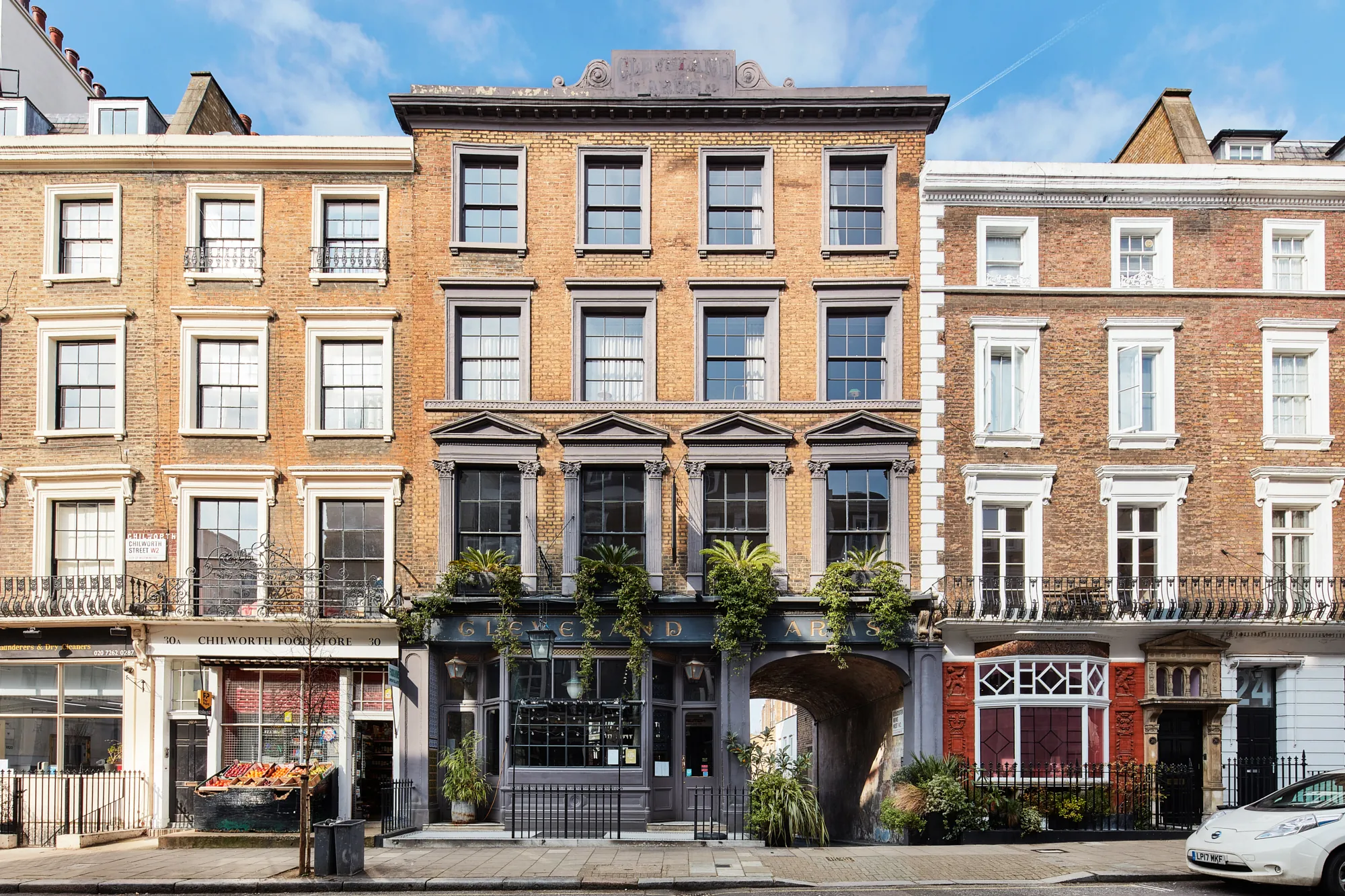
Sell my flat london Here is our local view. Selling a flat in London requires navigating leasehold tenure, service charge documentation and buyer scrutiny that rarely applies to freehold houses. In 2026, the average London estate agent fee sits between 1.5–2.5% plus VAT—higher than the UK average of approximately 1.42% including VAT reported by Rightmove and TheAdvisory—and the typical timeline from listing to completion spans 16 to 24 weeks. This guide explains the mechanics of selling a leasehold flat, the red flags that derail sales and the documents you must prepare before marketing begins.
Understanding Leasehold Tenure and Why It Matters to Buyers
A leasehold flat grants you ownership of the property for a fixed term, while the freeholder (or their management company) retains ownership of the building's structure and common parts. Buyers and mortgage lenders treat lease length as the single most critical variable: lenders typically refuse mortgages on leases below 80 years, and premiums for lease extensions rise steeply once the term drops beneath that threshold.
According to the HomeOwners Alliance, extending a lease below 80 years triggers "marriage value"—a legal claim that entitles the freeholder to half the increase in the flat's value once extended. For a central London one-bedroom flat, marriage value alone can add £20,000 to £40,000 to the cost of an extension. If your lease has fewer than 85 years remaining, expect buyers either to request a price reduction equivalent to the extension cost or to walk away entirely. Before marketing, obtain a formal lease-extension quote from a surveyor who is a member of the Royal Institution of Chartered Surveyors (RICS) and share it with prospective buyers; transparency at this stage prevents collapsed sales three months into the conveyancing process.
Ground rent is the second leasehold variable buyers scrutinise. Historic leases with fixed ground rents of £50 or £100 per annum pose little concern, but leases written between 2000 and 2020 sometimes include doubling clauses—ground rent that doubles every ten or fifteen years. The Competition and Markets Authority investigated several developers and management companies over these clauses, and many lenders now refuse to lend on flats where ground rent exceeds 0.1 per cent of the property value or doubles faster than RPI inflation. Check your lease: if ground rent will exceed £250 per annum (or £1,000 in Greater London) at any point during the term, the tenure may be classified as an assured tenancy rather than a long lease, further complicating saleability.
Service Charges, Reserve Funds and the Documents You Must Provide
Service charges cover the cost of maintaining common parts—lifts, hallways, roof, façade and, in newer developments, concierge and gym facilities. The HomeOwners Alliance reports that the average service charge for a London flat is approximately £1,800 per annum, but charges in developments with extensive amenities can exceed £5,000. Buyers will request at least three years' service-charge statements, the current year's budget and evidence of the sinking (reserve) fund balance.
A healthy reserve fund—typically one to two years' service charge held on account—signals prudent building management; a depleted fund often precedes a major-works bill. If the building requires significant work (roof replacement, cladding remediation, lift refurbishment), the freeholder or management company may issue a Section 20 notice demanding lump-sum contributions from leaseholders. HM Land Registry data shows that flats burdened with Section 20 liabilities take materially longer to sell and achieve prices 5–15 per cent below comparable units without such charges. If you have received a Section 20 notice or are aware of planned works, disclose it immediately; concealing the information constitutes misrepresentation and exposes you to legal action after completion.
Post-Grenfell, cladding and fire-safety certification have become non-negotiable for buyers and lenders. The Royal Institution of Chartered Surveyors introduced the EWS1 form (External Wall Fire Review) to certify whether a building's cladding is safe or requires remediation. Buildings over 11 metres that lack an EWS1 or possess an unsatisfactory rating are often unmortgageable, rendering them effectively unsaleable except to cash buyers at steep discounts. The government's Building Safety Act 2022 caps leaseholder contributions to remediation works at £10,000 for properties between 11 and 18 metres, and £15,000 above 18 metres, but only for qualifying leaseholders who owned the flat on 14 February 2022. Before marketing, obtain confirmation from your freeholder or managing agent about the building's cladding status, EWS1 position and any remediation plans, and upload the documentation to your conveyancer early to avoid sale collapse at the mortgage-offer stage.
Flat Valuation: How Location, Lease and Condition Drive Price
A robust flat valuation combines comparable sales data, lease attributes and the physical condition of both your unit and the wider building. Online portals provide headline figures, but they rarely account for lease length, service-charge liabilities or building-specific issues such as cladding or planned works. Instructing a RICS-accredited surveyor or a reputable estate agent for a formal appraisal is the only reliable way to establish an accurate asking price.
Our team regularly compares asking prices with achieved prices using HM Land Registry sold-price data, accessible via tools such as our own [sold-prices](/sold-prices) page, to identify whether vendors are pricing optimistically or realistically. In the first quarter of 2026, Which? reported that properties marketed within 5 per cent of recent comparables achieved sale-agreed status within a median of eight weeks, while flats priced 10 per cent or more above market norms languished for twenty weeks or longer and ultimately sold for less than if they had launched at a realistic figure.
Lease length exerts a logarithmic effect on value: a lease of 999 years and one of 125 years trade at near parity, but the difference between 90 years and 70 years can represent 15–20 per cent of freehold-equivalent value. Use our [lease-extension-calculator](/tools/lease-extension-calculator) to model the financial impact before listing. Internal condition matters, but in London's leasehold market, building presentation often trumps unit finish: a newly refurbished flat in a block with peeling communal paintwork, broken entry systems or unresolved fire-safety issues will struggle to achieve a premium, while a tired flat in an impeccably managed, low-service-charge building with a long lease attracts competitive offers.
Finally, remember that buyers typically reserve a contingency for [stamp duty](/tools/stamp-duty-calculator); if your asking price pushes a purchaser across a threshold—particularly the £250,000 and £925,000 bands, or the 3 per cent additional-homes surcharge for landlords—you may find demand drops sharply. Price precision matters.
Talk to Seymont
What's your home worth?
A considered view on price, timing and how to bring your London home to market — a personal reply within 24 hours.
Your property
Step 1 of 2Choosing an Estate Agent and Understanding Fee Structures
London estate agents typically charge between 1.5 and 2.5 per cent of the sale price plus VAT, though fees at the lower end often come with caveats: shorter marketing periods, limited portal exposure or junior negotiators. According to TheAdvisory's 2026 survey, the UK average sits at approximately 1.42 per cent including VAT, but the capital's competitive, high-value market commands higher rates in return for dedicated accompanied viewings, professional photography and active chain management.
Sole agency—appointing one agent exclusively—usually attracts a lower fee than multi-agency, where you instruct two or more firms simultaneously and pay the one that secures the buyer. Multi-agency fees can reach 3 per cent plus VAT per agent, and the competitive dynamic sometimes encourages aggressive pricing rather than considered strategy. For most sellers, sole agency with a well-regarded local firm offers the best balance of cost, accountability and service.
Some founder-led agencies such as Seymont London work on transparent fixed or percentage fees without lock-in clauses, prioritising long-term reputation over short-term volume. When comparing agents, scrutinise the contract: note the tie-in period (typically eight to sixteen weeks), the notice required to terminate and whether fees are payable if you find your own buyer. Ask which portals the agent will use—Rightmove, Zoopla and OnTheMarket remain the highest-traffic platforms—and request a written marketing plan detailing photography, floorplans, accompanied viewing policy and email-campaign reach.
Finally, interview at least three agents and observe how they handle your questions about lease length, service charges and building issues. An agent who glosses over negatives or promises an unrealistic price to win the instruction will cost you time and credibility once the property stagnates on the market.

The Seven Checks Every Buyer (and Their Surveyor) Will Make
Experienced buyers and mortgage surveyors follow a checklist that has hardened in the wake of post-pandemic lending caution and Grenfell-related fire safety. First, they verify lease length and ground-rent terms, often instructing a solicitor to review the lease before making an offer. Second, they request three years' service-charge accounts and the reserve-fund balance; a pattern of above-inflation increases or a depleted sinking fund raises red flags.
Third, they ask for evidence of building insurance and confirmation that the block policy includes adequate public-liability and employer's-liability cover. Fourth, they inspect communal areas during viewings—broken intercoms, stained carpets and unrepaired façade damage suggest poor management and future cost exposure. Fifth, they check for outstanding Section 20 notices or planned major works; solicitors will ask your conveyancer to confirm in writing whether any such liabilities exist.
Sixth, they obtain an EWS1 form or equivalent fire-safety certification if the building is above 11 metres or has cladding. Lenders will not issue a mortgage offer without satisfactory certification or a clear remediation plan funded by the freeholder or government scheme. Seventh, they review planning records for the building and surrounding area, looking for large-scale construction projects that might affect outlook, noise or future value.
Pre-empt these checks by assembling a due-diligence pack before marketing: lease, service-charge accounts for the past three years, latest reserve-fund statement, buildings-insurance schedule, EWS1 or cladding certificate, managing agent's contact details and any Section 20 correspondence. Upload the pack to a shared folder and give your estate agent permission to share it with serious buyers. Transparency accelerates offers and reduces fall-through rates; in our experience, flats marketed with comprehensive documentation achieve sale-agreed status 30 per cent faster than those requiring buyers to chase information.
Timeline and Common Pitfalls from Instruction to Completion
The average London flat sale takes sixteen to twenty-four weeks from listing to completion, according to data published by the HomeOwners Alliance and Which?, though cash buyers or chain-free transactions can complete in as little as eight weeks. The timeline breaks down roughly as follows: two to four weeks to instruct an agent, commission photography and launch marketing; four to eight weeks to secure an acceptable offer; and ten to twelve weeks for conveyancing, mortgage underwriting and exchange of contracts.
The most common pitfall is lease-length surprise: a buyer's solicitor discovers the lease has fewer than 80 years remaining, triggering a renegotiation or withdrawal. The second is service-charge shock, particularly when a Section 20 notice for major works surfaces during conveyancing. The third is mortgage-valuation downgrade, often caused by cladding issues or poor building condition; if the surveyor values the property below the agreed price, the lender reduces the loan, forcing the buyer to find additional cash or withdraw.
Chain complications add weeks or months. If you are purchasing onward, appoint your conveyancer and instruct searches early, and maintain weekly contact with your agent to monitor chain health. If a link in the chain is selling a leasehold flat with its own lease or cladding issues, expect delays.
Finally, avoid cosmetic over-improvement. Buyers of leasehold flats prioritise tenure, charges and building quality over kitchen worktops; spending £15,000 on a new bathroom will rarely return that investment if the lease has 75 years remaining and the service charge is rising. Focus instead on decluttering, deep cleaning and repairing any visible defects—scuffed walls, broken handles, grouting stains—that photograph poorly or suggest neglect.
Thinking about selling or letting in London? Book a free, no-obligation [valuation](/valuation) with our team.

Talk to Seymont
What's your home worth?
A considered view on price, timing and how to bring your London home to market — a personal reply within 24 hours.
Your property
Step 1 of 2About the author
Thomas LindqvistMortgage & Financing Specialist
Thomas advised buyers for a decade at Ashgrove Financial, an independent brokerage, on borrowing capacity, product selection and the full cost of a purchase, including stamp duty, legal fees and lender charges. He follows rate decisions and lender criteria changes and translates them into what a household can realistically afford. His guides cover affordability, remortgaging and the closing costs that buyers routinely underestimate.
CeMAP qualified · Whole-of-market mortgage advice background
- Mortgages
- Affordability
- Closing costs
- Remortgaging
Frequently asked
- What is the minimum lease length to sell a flat in London?
- Most mortgage lenders require at least 80 years remaining at the point of completion, adding the loan term (typically 25–30 years). In practice, flats with fewer than 85 years are difficult to sell without a formal lease-extension quote or a price reduction. Below 80 years, marriage value applies, significantly increasing extension costs.
- How much does it cost to sell a flat in London in 2026?
- Estate agent fees range from 1.5 to 2.5 per cent of the sale price plus VAT. Additional costs include Energy Performance Certificate (circa £60–£120), conveyancing (£1,000–£2,000 plus disbursements) and, if applicable, early-repayment charges on your mortgage. Budget approximately 2–3 per cent of the sale price for total transaction costs.
- Do I need an EWS1 form to sell my flat?
- If your building is above 11 metres (approximately four storeys) or has cladding, most lenders require an EWS1 or equivalent fire-safety certification. Buildings without satisfactory certification are often unmortgageable, limiting buyers to cash purchasers. Contact your freeholder or managing agent to establish whether an EWS1 has been completed.
- What happens if my building has a Section 20 major-works notice?
- You must disclose any Section 20 notice to prospective buyers. Buyers will typically request a detailed breakdown of the works, costs and payment schedule, and their solicitor will ensure funds are retained at completion or an indemnity policy is arranged. Undisclosed Section 20 liabilities constitute misrepresentation and can result in legal action post-completion.
- How long does it take to sell a leasehold flat in London?
- The average timeline is sixteen to twenty-four weeks from listing to completion, though chain-free or cash sales can complete in eight to ten weeks. Delays are common when lease extensions, cladding issues or Section 20 notices emerge during conveyancing. Preparing full documentation before marketing reduces fall-through risk and accelerates the process.