Journal
Sell House Fast: London Expert Guide for 2024
Written by Julian Reyes · Licensed Real Estate Agent
Published 2 October 2025 · Updated 21 October 2025 · 5 min read
The short answer
If you're looking to sell house in London, you're likely wondering how long it will take, what it will cost, and how to achieve the strongest price. We've guided hundreds of sellers through the process across the capital, and in this article we'll share exactly what works—from preparing your property to choosing the right route to market and navigating the sale through to completion.
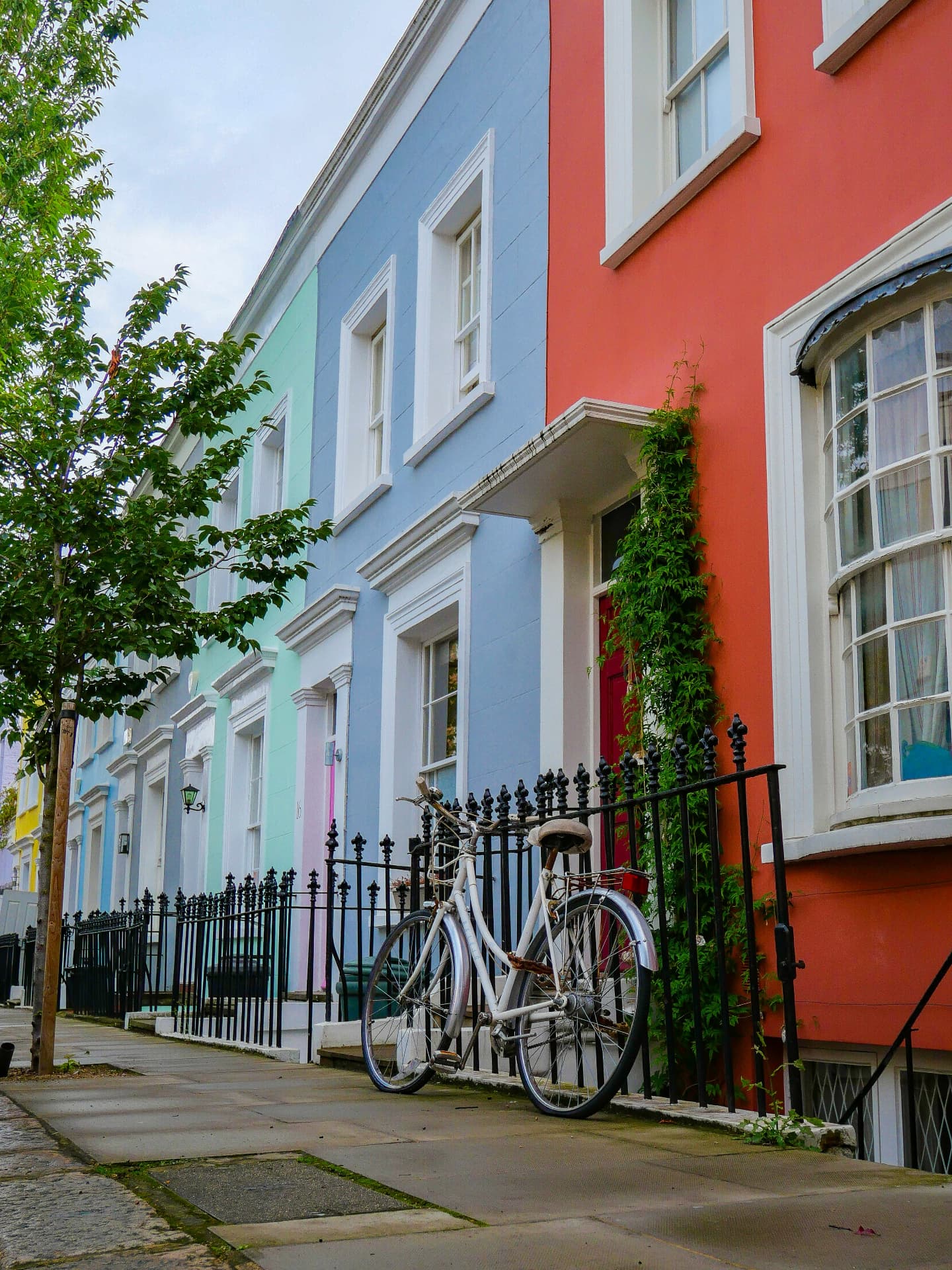
If you're looking to sell house in London, you're likely wondering how long it will take, what it will cost, and how to achieve the strongest price. We've guided hundreds of sellers through the process across the capital, and in this article we'll share exactly what works—from preparing your property to choosing the right route to market and navigating the sale through to completion.
Understanding the London market before you sell
Timing matters enormously when you sell house in London. According to HM Land Registry data, the average London property took around 145 days from listing to completion in 2023, though this varies dramatically by area and price point. Spring typically brings the busiest market, with Rightmove reporting that properties listed in March and April receive up to 30% more enquiries than those listed in December.
Pricing accurately from day one is critical. Our team reviews comparable sales within a quarter-mile radius, adjusting for condition, aspect, and recent improvements. Overpricing by even 5-10% can mean your property sits on the market for months, eventually selling for less than if you'd priced realistically at launch. We've seen this pattern repeatedly across prime and secondary markets alike.
Local knowledge makes a measurable difference. In areas like Kensington, where we work extensively through our /estate-agents/kensington service, understanding conservation area restrictions, parking permit zones, and school catchments can add thousands to your final sale price when presented correctly to buyers.
Preparing your property to maximise value
First impressions form within seconds of a viewing, and we've learned that three areas consistently deliver the strongest return on effort: decluttering ruthlessly, ensuring flawless cleanliness, and addressing any minor maintenance issues that signal neglect. A dripping tap or scuffed skirting board costs little to fix but can knock thousands off an offer.
Neutral decoration appeals to the widest buyer pool. You don't need to repaint every room, but removing bold wallpaper or repainting bright feature walls in soft grey or warm white helps buyers visualise their own lives in the space. Professional photography is non-negotiable—listings with high-quality images receive significantly more clicks on portals, according to Rightmove's annual research.
Energy Performance Certificates matter more than ever. Since April 2020, properties with an EPC rating below E face rental restrictions, and buyers increasingly factor running costs into their budgets. If your rating sits at D or below and you're able to invest in loft insulation or boiler upgrades before listing, you'll often recoup the cost through a faster sale or stronger offers.

Choosing your sales route and agent
You have three main options when you sell house: a traditional high-street agent (typically 1-3% including VAT), an online-only agent (often £1,000-£2,000 flat fee), or selling privately. Each suits different circumstances. Traditional agents provide accompanied viewings, proactive buyer matching, and negotiation expertise that often justifies the percentage fee, particularly for properties above £500,000 or in competitive postcodes.
Online agents work well if you're confident conducting viewings yourself and have a property that photographs beautifully. The savings can be substantial, but you'll handle enquiries, chase solicitors, and negotiate offers without professional support. We've seen sellers save on commission but lose more in final price through weaker negotiation.
Before committing, visit agents' current listings in your area. Browse /property-for-sale/kensington to see how properties are presented—photography quality, description detail, and floor plan accuracy all indicate how seriously an agency takes marketing. Ask about their average time-on-market for your property type and request evidence, not anecdotes.
Talk to Seymont
What's your home worth?
A considered view on price, timing and how to bring your London home to market — a personal reply within 24 hours.
Your property
Step 1 of 2From offer to completion: managing the sale
Once you accept an offer, expect 8-16 weeks to completion, depending on chain complexity. The buyer's mortgage valuation comes first—this occasionally throws up issues if the surveyor identifies concerns about the property's condition or if the valuation comes in below the agreed price. Being prepared to provide building control certificates for any extensions or conversions prevents delays.
Conveyancing fees typically range from £850 to £2,000 depending on property value and complexity. Choose a solicitor with strong communication habits—our team finds that poor legal representation causes more sale collapses than any other single factor. Ask your agent for recommendations with proven track records on similar properties.
Chain management requires patience and proactive communication. Weekly updates from all parties help identify issues early. If you're buying simultaneously, using our /tools/instant-valuation can help you understand your budget before making offers, reducing the risk of your own purchase falling through and breaking the chain below you.

Costs to factor into your sale
Beyond agent fees, budget for Energy Performance Certificate (£60-120), solicitor fees (£850-£2,000), and potentially early repayment charges on your mortgage—some lenders charge 1-5% of the outstanding balance if you're within a fixed term. If you're selling a leasehold property, expect to pay for management pack fees (£200-£400) that your buyer's solicitor will request.
Capital Gains Tax applies if you're selling a property that isn't your main residence. According to GOV.UK guidance, you'll pay 18% or 28% on gains depending on your income tax band, though your annual allowance (£6,000 for 2023-24) may cover smaller gains. Always consult an accountant if you're uncertain about your liability.
Some sellers question whether investing in staging or minor renovations pays off. Our experience suggests that spending beyond essential repairs rarely returns pound-for-pound unless you're in the premium market. A £5,000 kitchen refresh might add £3,000 to your sale price—you're usually better off reducing the asking price slightly and selling faster.
Getting started with your sale
The first practical step is understanding your property's current market value. This isn't what you paid, what you've spent on improvements, or what you need to buy your next home—it's what a ready, willing, and able buyer will pay today. Multiple valuations from different agents help you identify outliers and build confidence in your pricing strategy.
If you're curious about ballpark figures before inviting agents to visit, digital tools provide useful orientation. Our /tools/instant-valuation gives an algorithm-based estimate in seconds, though nothing replaces an in-person assessment that accounts for condition, presentation, and micro-location factors that algorithms can't capture.
Once you're ready to proceed, book a formal valuation with agents you're considering. Prepare a list of questions about their marketing strategy, portal coverage, accompanied viewing policy, and how they'll communicate with you throughout the process. The right agent-seller relationship combines local expertise with communication style that suits how you prefer to work. To arrange a detailed discussion about your property and the current market, book a phone appointment with Seymont London through our /valuation page.
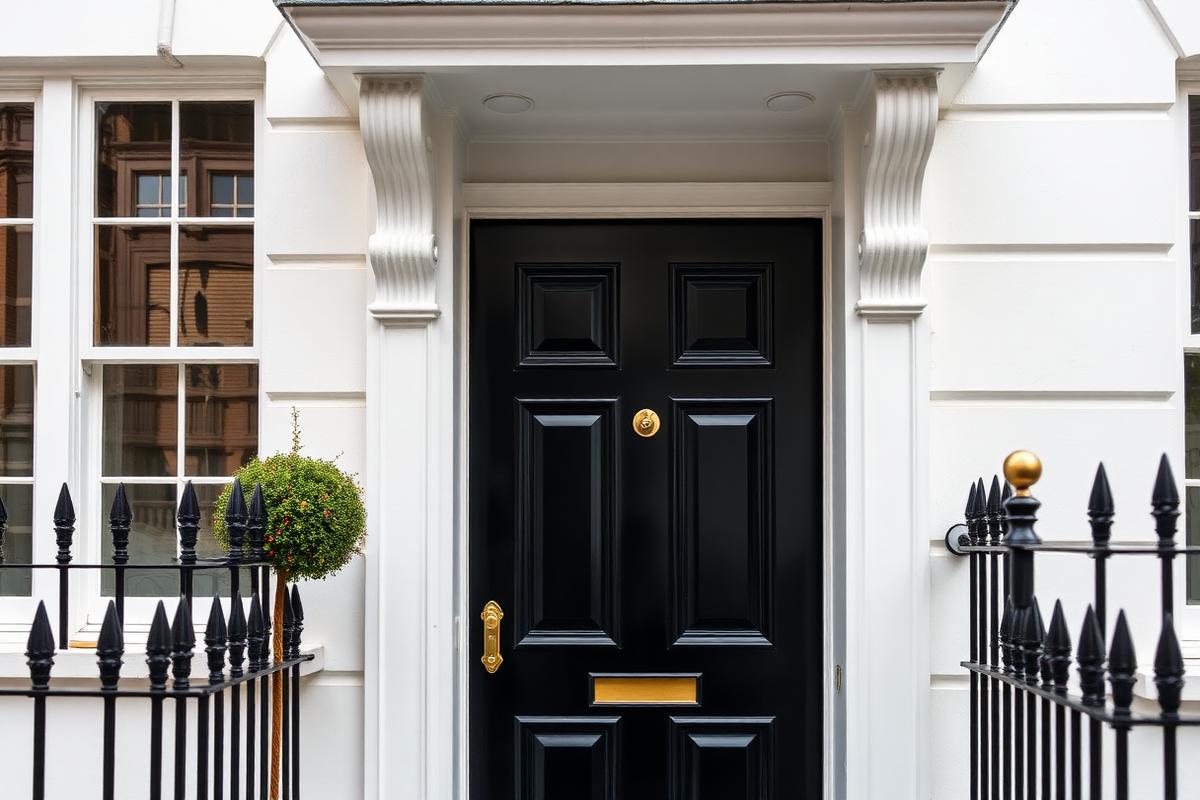
Talk to Seymont
What's your home worth?
A considered view on price, timing and how to bring your London home to market — a personal reply within 24 hours.
Your property
Step 1 of 2About the author
Julian ReyesLicensed Real Estate Agent
Julian has spent eleven years handling residential sales across west and central London, previously with the independent agencies Harlowe & Vance and Marchmont Row. He runs listings end to end, from pricing and presentation through to negotiating offers and holding chains together to completion. His writing focuses on the practical mechanics of buying and selling a home in a market where timing and preparation decide the outcome.
Licensed estate agent · 11 years in London residential sales
- Residential sales
- First-time buyers
- Offer negotiation
- Chain management
Frequently asked
- How long does it take to sell a house in London?
- According to HM Land Registry, the average London property took approximately 145 days from listing to completion in 2023. However, this varies significantly by area, price point, and market conditions. Properties priced accurately and presented well typically sell faster, while those in chains or requiring complex legal work may take longer.
- What are the main costs when selling a house?
- Expect to pay estate agent fees (1-3% including VAT for traditional agents, or £1,000-£2,000 for online agents), solicitor fees (£850-£2,000), Energy Performance Certificate (£60-120), and potentially early repayment charges on your mortgage. Leasehold properties incur additional management pack fees of £200-£400.
- Do I need to make improvements before selling?
- Focus on decluttering, deep cleaning, and fixing minor maintenance issues rather than major renovations. These deliver the strongest return on effort. Neutral decoration helps buyers visualise themselves in the space. Significant improvements like kitchen replacements rarely return their full cost unless you're in the premium market.
- Should I use a traditional or online estate agent?
- Traditional agents (1-3% fee) suit sellers who want accompanied viewings, proactive marketing, and expert negotiation, particularly for properties above £500,000. Online agents (flat fee around £1,000-£2,000) work well if you're confident conducting viewings yourself and have a property that photographs beautifully. Consider your property type, price point, and available time.
- When is the best time to sell a house in London?
- Spring typically brings the busiest market. Rightmove data shows properties listed in March and April receive up to 30% more enquiries than December listings. However, serious buyers search year-round, and reduced competition in quieter months can work in your favour if your property is priced and presented well.