Journal
The Safest Parts of London to Live in 2026
Written by Thomas Lindqvist · Mortgage & Financing Specialist
Published 13 March 2026 · Updated 24 June 2026 · 4 min read
The short answer
When searching for the safest parts of London, families and professionals alike want clear, data-backed guidance on where crime rates are genuinely low and communities feel secure. Our team has analysed the latest Metropolitan Police crime statistics and Office for National Statistics data to identify the boroughs and neighbourhoods where you can settle with confidence.
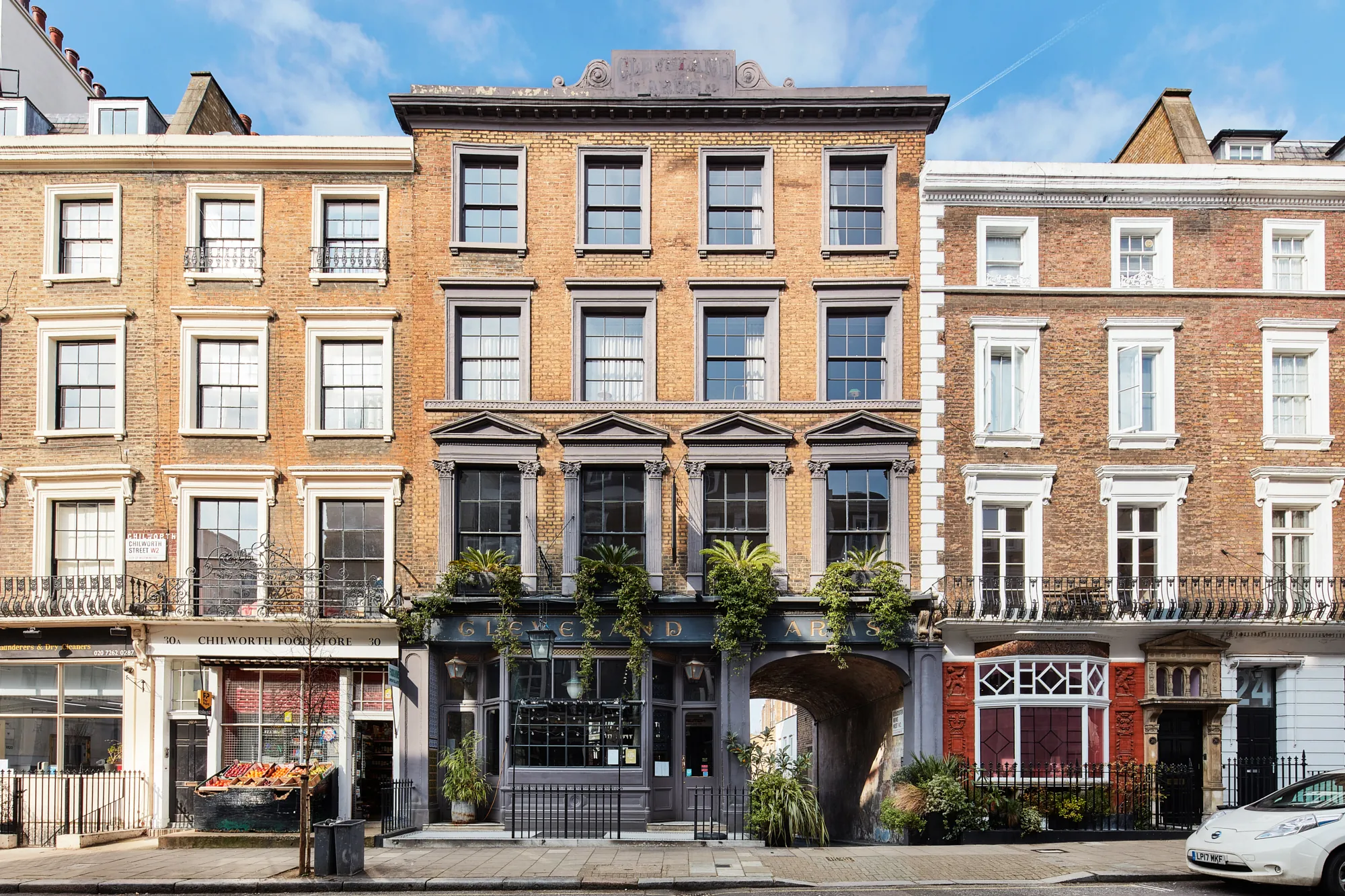
When searching for the safest parts of London, families and professionals alike want clear, data-backed guidance on where crime rates are genuinely low and communities feel secure. Our team has analysed the latest Metropolitan Police crime statistics and Office for National Statistics data to identify the boroughs and neighbourhoods where you can settle with confidence. In this guide, we break down which areas consistently report the lowest crime figures, what makes them safe, and how to balance security with lifestyle and budget when choosing your next London home.
Richmond upon Thames: London's Consistently Low-Crime Borough
Richmond upon Thames regularly appears at the top of safe areas London rankings, with Met Police data showing it has one of the lowest crime rates per 1,000 residents across all London boroughs. The area benefits from strong community policing, affluent residential streets, and large green spaces including Richmond Park and Kew Gardens that foster a village feel despite proximity to central London.
The borough's riverside towns—Richmond, Twickenham, and Kew—offer excellent schools, independent shops, and family-friendly amenities. Property here commands a premium, but many buyers consider the investment worthwhile for the security and quality of life. Our /estate-agents/richmond team works with families relocating specifically for the area's reputation for safety, and we've seen sustained demand even as other markets fluctuate. You can explore current listings on our /property-for-sale/richmond page.
Transport links via the District line and South Western Railway make commuting practical, while the suburban character means lower footfall and the close-knit communities that often correlate with reduced opportunistic crime.
Outer London Boroughs with Strong Safety Records
Beyond Richmond, several outer boroughs consistently rank among low crime London areas. Sutton, Kingston upon Thames, and Bromley all report crime rates significantly below the London average according to Metropolitan Police borough profiles. These areas share common traits: lower population density, higher owner-occupation rates, and strong local engagement.
Sutton in particular has been recognised in ONS crime surveys for its low levels of robbery, burglary, and violent crime. The borough's town centres are well-maintained, and residential streets benefit from active neighbourhood watch schemes. Kingston upon Thames combines a vibrant town centre with quiet residential roads, while Bromley's mix of suburban villages offers safety without sacrificing access to central London.
When considering these areas, we recommend looking at both borough-wide statistics and neighbourhood-level data. Crime can vary significantly even within safe boroughs, so examining specific postcode crime maps on the Metropolitan Police website or using our /areas tool to compare districts can provide granular insight before committing to a purchase.
What Makes These the Safest Parts of London?
The safest parts of London share several measurable characteristics beyond raw crime numbers. Higher average household income correlates with lower property crime, while areas with established communities—where residents have lived for years rather than high-turnover rental zones—tend to report fewer incidents. Good street lighting, well-maintained public spaces, and visible community infrastructure all contribute to both actual safety and residents' sense of security.
Proximity to green space also plays a role. Boroughs with large parks and commons, such as Richmond's riverside paths or Bromley's numerous recreation grounds, create natural surveillance and encourage daytime activity that deters criminal behaviour. Transport connectivity matters too: areas with reliable but not overly busy transport links strike a balance between accessibility and the anonymity that can enable crime in major transport hubs.
It's worth noting that London's safest areas have evolved. Some previously high-crime boroughs have seen dramatic improvements through targeted policing and regeneration, while a few historically safe pockets have experienced upticks. Always check the most recent 12-month crime data rather than relying on outdated reputations, and consider visiting neighbourhoods at different times of day to assess how safe they feel in practice.
Talk to Seymont
What's your home worth?
A considered view on price, timing and how to bring your London home to market — a personal reply within 24 hours.
Your property
Step 1 of 2Balancing Safety with Affordability and Lifestyle
While safety is paramount, it shouldn't be your only consideration. The very safest areas often come with higher property prices, longer commutes, and sometimes fewer cultural amenities than more central zones. Our experience suggests that many buyers find excellent compromises by looking at specific neighbourhoods within moderately safe boroughs rather than focusing exclusively on the top-ranked areas.
For example, certain postcodes in Harrow, Bexley, or Merton offer strong safety records at more accessible price points than Richmond or Kingston. Checking our /sold-prices data can help you understand what safety costs in different areas and whether recent transactions align with your budget. First-time buyers particularly benefit from widening their search to include lesser-known safe pockets where competition is less intense.
We also recommend thinking about what "safe" means for your household. Families with young children may prioritise low traffic and pedestrian-friendly streets, while professionals might focus on well-lit routes from stations and secure apartment buildings. Speaking with local estate agents who know neighbourhoods intimately—not just statistics—can reveal nuances that data alone misses. Book a free, no-obligation valuation with Seymont London at /valuation and our team can discuss which safe areas best match your specific needs and circumstances.

Talk to Seymont
What's your home worth?
A considered view on price, timing and how to bring your London home to market — a personal reply within 24 hours.
Your property
Step 1 of 2About the author
Thomas LindqvistMortgage & Financing Specialist
Thomas advised buyers for a decade at Ashgrove Financial, an independent brokerage, on borrowing capacity, product selection and the full cost of a purchase, including stamp duty, legal fees and lender charges. He follows rate decisions and lender criteria changes and translates them into what a household can realistically afford. His guides cover affordability, remortgaging and the closing costs that buyers routinely underestimate.
CeMAP qualified · Whole-of-market mortgage advice background
- Mortgages
- Affordability
- Closing costs
- Remortgaging
Frequently asked
- Which London borough has the lowest crime rate?
- According to recent Metropolitan Police data, Richmond upon Thames consistently records the lowest crime rate per 1,000 residents among London boroughs, followed closely by Sutton, Kingston upon Thames, and Bexley. Crime rates are published quarterly on the Met Police website and vary by crime type.
- Are outer London areas safer than central London?
- Generally yes. Outer London boroughs typically report lower crime rates than central zones, primarily due to lower population density, fewer commercial premises attracting opportunistic crime, and more residential stability. However, specific neighbourhoods matter more than broad geography—some outer areas have higher crime than certain well-policed central postcodes.
- How can I check crime rates for a specific London postcode?
- The Metropolitan Police website offers a postcode-level crime map showing reported incidents by category for any London address over the past 12 months. The Office for National Statistics also publishes borough-level crime surveys, while some property websites integrate crime data into their listing pages for quick comparison.
- Do safe areas in London cost more?
- Typically yes. According to HM Land Registry data, boroughs with the lowest crime rates—such as Richmond upon Thames and Kingston—have average property prices 20-40% above the London median. However, smaller safe pockets exist in more affordable boroughs, and focusing your search on specific neighbourhoods rather than entire boroughs can reveal better value.
- Has London become safer over time?
- Overall London crime trends vary by category. Metropolitan Police data shows that burglary has decreased significantly over the past decade due to improved home security, while knife crime and certain violent offences saw increases in the late 2010s before declining slightly in recent years. The safest boroughs have remained relatively stable, with Richmond, Sutton, and Kingston consistently ranking lowest for total recorded crime.