Journal
Renting in St John's Wood: A Comprehensive Guide
Written by Thomas Lindqvist · Mortgage & Financing Specialist
Published 5 November 2025 · Updated 27 May 2026 · 7 min read
The short answer
Renting in St John's Wood offers access to one of London's most distinguished neighbourhoods, where elegant Victorian villas line tree-canopied avenues and the village atmosphere remains refreshingly intact. Located in northwest London, this enclave has long attracted tenants seeking a refined residential setting within easy reach of the capital's cultural and commercial centres.

Renting in St John's Wood offers access to one of London's most distinguished neighbourhoods, where elegant Victorian villas line tree-canopied avenues and the village atmosphere remains refreshingly intact. Located in northwest London, this enclave has long attracted tenants seeking a refined residential setting within easy reach of the capital's cultural and commercial centres. Our team has observed the St John's Wood rental market closely, and we've prepared this guide to help prospective tenants navigate the opportunities and practicalities of securing a home in this exceptional corner of London.
The Character and Appeal of St John's Wood
St John's Wood occupies a unique position in London's residential landscape, blending heritage architecture with contemporary amenities in a setting that feels distinctly removed from the urban intensity of central London. The neighbourhood developed during the early nineteenth century as a garden suburb, and that original vision of spacious, villa-style living amid generous greenery remains evident today. Abbey Road—immortalised by The Beatles—runs through the heart of the area, whilst Lord's Cricket Ground anchors the eastern edge, reinforcing the district's sporting and cultural credentials.
The local high street along St John's Wood High Street provides an intimate selection of independent shops, cafés, and restaurants that cater to the discerning tastes of the resident community. Proximity to Regent's Park and Primrose Hill offers abundant green space for recreation, whilst transport links via the Jubilee line ensure swift connections to Canary Wharf, the West End, and beyond. This combination of village tranquillity and metropolitan convenience explains why flats to rent in St John's Wood remain consistently sought after by professionals, families, and international tenants alike.
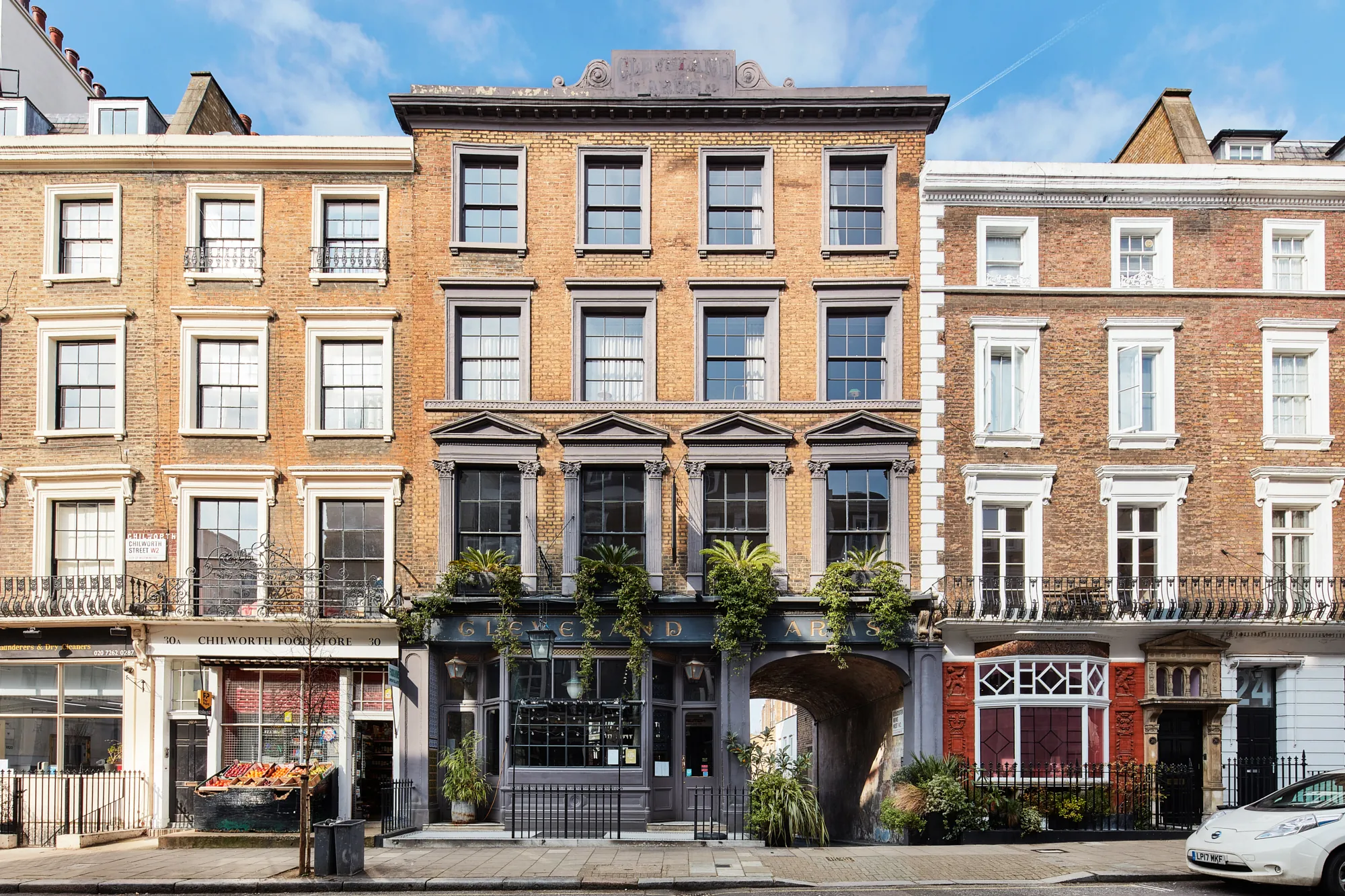
The architectural character varies from grand stuccoed villas and red-brick mansion blocks to purpose-built modern developments, though the prevailing aesthetic leans towards classical elegance. Wide, tree-lined streets create a sense of spaciousness rarely found so close to Zone 1, and the area's Conservation Areas ensure that development respects the neighbourhood's established character. For tenants prioritising quality of life alongside professional accessibility, St John's Wood presents a compelling proposition.
We've noticed that the tenant demographic tends towards established professionals, families with children attending nearby schools, and international executives on assignment in London. The area's reputation for security, excellent transport, and cultural amenities makes it particularly attractive to those seeking a stable, long-term tenancy base rather than a transient rental arrangement.
Understanding the St John's Wood Rental Market
The St John's Wood rental market operates at the premium end of London's lettings spectrum, reflecting both the quality of available properties and the neighbourhood's enduring desirability. According to ONS data, studio apartments command monthly rents between £1,075 and £1,650, whilst one-bedroom flats typically range from £1,400 to £2,200. Two-bedroom properties sit between £1,925 and £3,000 per month, with three-bedroom homes reaching £2,550 to £4,000. Larger family residences with four bedrooms attract rents from £3,400 to £5,325, whilst five-bedroom properties can command between £4,475 and £6,975 monthly.
These figures reflect the diverse property stock available across the neighbourhood. Period conversions in Victorian and Edwardian buildings tend to offer high ceilings, original features, and generous proportions, whilst purpose-built blocks from the 1930s onwards provide well-maintained, efficient layouts with porter services and communal gardens. More recent developments have introduced contemporary specifications including underground parking, concierge services, and modern amenities that appeal to tenants accustomed to hotel-style living standards.
Our team observes that rental values in St John's Wood have demonstrated resilience even during broader market fluctuations, underpinned by limited supply and sustained demand from quality-conscious tenants. Properties in prime locations—particularly those near the Underground station or overlooking communal gardens—tend to secure tenancies swiftly, often receiving multiple applications within days of being marketed. This competitive dynamic means prospective tenants benefit from preparation: having references, employment documentation, and deposit funds readily available can prove decisive when securing a St John's Wood tenancy.
Seasonal patterns influence availability, with increased activity typically observed in late spring and early autumn when corporate relocations and academic calendars drive tenant movement. However, quality properties find occupants year-round, and we've noted that landlords in the area generally seek tenants who will maintain properties to high standards and commit to longer tenancy terms, reflecting the premium nature of the asset.
Property Types and What Tenants Can Expect
The property mix available when searching for flats to rent in St John's Wood encompasses a broad spectrum, from compact studios ideal for single professionals to substantial family houses with private gardens. Recent HM Land Registry data for property sales in the area shows that flats represent the dominant property type, accounting for 82 of 104 transactions recorded in the latest period, with a median sale price of £488,250. Terraced houses, though fewer in number (8 transactions), achieved a median of £2,675,000, whilst the six detached properties sold reached a remarkable median of £12,675,000, illustrating the premium attached to freehold houses in this coveted location.
These sales figures inform the rental landscape, as investment landlords and private owners maintain properties to standards commensurate with substantial capital values. Tenants can typically expect well-maintained interiors, professional property management, and responsive maintenance arrangements. Period buildings often feature high ceilings, sash windows, decorative cornicing, and wooden floors, whilst modern developments prioritise open-plan living, integrated appliances, and contemporary bathroom and kitchen fittings.
Location within St John's Wood significantly influences both rental pricing and property characteristics. Streets closer to St John's Wood station command premiums for the convenience of direct Jubilee line access, whilst properties bordering Regent's Park attract tenants valuing immediate access to green space. The avenues west of Wellington Road tend to feature larger, more spacious residences, often with off-street parking—a valuable commodity in this part of London. Conversely, the mansion blocks along Avenue Road and surrounding streets offer efficient apartment living with communal facilities and porter services.
We regularly encounter properties that include access to communal gardens—a distinctive feature of many St John's Wood developments—providing private outdoor space that enhances quality of life considerably. For families, proximity to well-regarded schools including Arnold House, The Hall, and St John's Wood Pre-Preparatory influences property selection, whilst professionals often prioritise modern specifications, secure parking, and buildings with lift access. Understanding these nuances helps prospective tenants refine their search to properties that genuinely match their requirements.
Talk to Seymont
What's your home worth?
A considered view on price, timing and how to bring your London home to market — a personal reply within 24 hours.
Your property
Step 1 of 2Navigating the Rental Process in St John's Wood
Securing a tenancy in St John's Wood requires preparedness and an understanding of landlord expectations in this premium market segment. Landlords and their agents typically conduct thorough referencing, including employment verification, previous landlord references, and credit checks. International tenants may be asked to provide additional documentation or offer rent in advance if UK credit history is limited. We recommend gathering these materials before beginning property viewings to expedite the application process once a suitable home is identified.
Deposit requirements usually equate to five weeks' rent for annual rents below £50,000, protected in a government-approved tenancy deposit scheme as required by law. First month's rent is typically payable in advance, meaning tenants should budget for approximately six weeks' rent upfront, plus any moving costs. Given the rental values in the area, this represents a significant initial outlay, and prospective tenants benefit from clarifying these requirements early in their property search.
The standard St John's Wood tenancy runs for twelve months initially, with options to renew or transition to a periodic tenancy thereafter. Landlords in the area generally prefer stable, long-term occupants, and tenants demonstrating commitment to maintaining the property and respecting its character often find landlords willing to negotiate terms. Understanding your responsibilities—from council tax and utilities to buildings insurance (typically the landlord's responsibility) and contents insurance (the tenant's)—ensures a smooth tenancy experience.
Our team at Seymont London works closely with both landlords and tenants to ensure transparent, professional lettings processes. We encourage prospective tenants to visit our <a href="/estate-agents/st-johns-wood">St John's Wood estate agents page</a> to explore current rental opportunities, and those considering the area for purchase can review our <a href="/property-for-sale/st-johns-wood">properties for sale in St John's Wood</a>. Understanding <a href="/house-prices/st-johns-wood">house prices in St John's Wood</a> provides valuable context for rental values, whilst landlords may wish to explore our <a href="/let-your-property/st-johns-wood">property letting services</a> to maximise returns on their investments.
Living in St John's Wood: Lifestyle and Practicalities
Beyond the property itself, renting in St John's Wood means embracing a distinctive London lifestyle characterised by cosmopolitan sophistication within a village-like setting. The neighbourhood's dining scene ranges from neighbourhood bistros to fine dining establishments, with St John's Wood High Street offering everyday conveniences alongside specialist retailers. Waitrose anchors the local shopping provision, supplemented by independent grocers, bakeries, and delicatessens that cater to diverse culinary preferences.
Cultural amenities abound, from the historic Abbey Road Studios—where visitors still recreate the iconic Beatles album cover crossing—to Lord's Cricket Ground, which hosts international matches and offers venue tours. The nearby Regent's Park provides 410 acres of landscaped gardens, sports facilities, and open-air theatre during summer months, whilst Primrose Hill's summit offers panoramic London views. For families, the area's schools enjoy strong reputations, and numerous nurseries, playgroups, and after-school activities serve the resident community.
Transport connectivity remains one of St John's Wood's principal advantages. The Jubilee line delivers passengers to Bond Street in six minutes, Canary Wharf in twenty-five, and connects to the wider London Underground network with exceptional ease. Bus routes serve Oxford Street, Camden, and surrounding areas, whilst road links via the A41 and proximity to the A40/M40 corridor facilitate travel beyond London. For international travellers, Heathrow lies approximately forty-five minutes away by road, depending on traffic conditions.
The neighbourhood maintains a tranquil, residential character even whilst sitting firmly within inner London. Tree-lined streets, limited through-traffic, and established community networks contribute to an environment where residents recognise neighbours and local shopkeepers know regular customers. This sense of permanence and community cohesion represents an increasingly rare quality in central London, and for many tenants, it constitutes the defining appeal of choosing St John's Wood as their rental home.
Talk to Seymont
What's your home worth?
A considered view on price, timing and how to bring your London home to market — a personal reply within 24 hours.
Your property
Step 1 of 2About the author
Thomas LindqvistMortgage & Financing Specialist
Thomas advised buyers for a decade at Ashgrove Financial, an independent brokerage, on borrowing capacity, product selection and the full cost of a purchase, including stamp duty, legal fees and lender charges. He follows rate decisions and lender criteria changes and translates them into what a household can realistically afford. His guides cover affordability, remortgaging and the closing costs that buyers routinely underestimate.
CeMAP qualified · Whole-of-market mortgage advice background
- Mortgages
- Affordability
- Closing costs
- Remortgaging
Frequently asked
- What is the average rent for a two-bedroom flat in St John's Wood?
- According to ONS data, two-bedroom properties in St John's Wood typically command monthly rents between £1,925 and £3,000, depending on the specific property type, condition, and precise location within the neighbourhood. Period conversions and modern developments with amenities tend towards the higher end of this range.
- How competitive is the St John's Wood rental market?
- The St John's Wood rental market operates at the premium end of London lettings and can be highly competitive, particularly for well-presented properties near the Underground station or with desirable features such as parking or garden access. Quality homes often receive multiple applications within days of marketing, so preparedness with references and documentation proves advantageous.
- What transport links does St John's Wood offer?
- St John's Wood station on the Jubilee line provides direct Underground access to Bond Street, Baker Street, Waterloo, Canary Wharf, and other key destinations. Multiple bus routes serve the area, and road connections via the A41 facilitate travel across London and beyond. The combination delivers excellent connectivity for both professional commuting and leisure travel.
- Are bills typically included in St John's Wood rental properties?
- Most St John's Wood tenancies operate on an exclusive basis, meaning tenants pay council tax, utilities, and communications services separately from rent. Some serviced or corporate lettings may include bills, but standard residential tenancies require tenants to establish their own utility accounts and handle these costs independently.
- What makes St John's Wood particularly attractive to tenants?
- St John's Wood combines elegant architecture, tree-lined streets, excellent transport links, proximity to Regent's Park, quality schools, and a village atmosphere within inner London. The neighbourhood attracts professionals and families seeking a refined residential setting that balances tranquillity with accessibility to central London's commercial and cultural amenities, creating enduring appeal across diverse tenant demographics.