Journal
Renting in Marylebone: A Complete Guide to W1's Premier Village
Written by Julian Reyes · Licensed Real Estate Agent
Published 25 December 2025 · Updated 18 July 2026 · 6 min read
The short answer
Renting in Marylebone offers a rare combination of central London convenience and village charm that few postcodes can match. This elegant neighbourhood, bounded by Regent's Park to the north and Oxford Street to the south, has long attracted discerning tenants who appreciate its tree-lined streets, independent boutiques, and quietly sophisticated atmosphere.
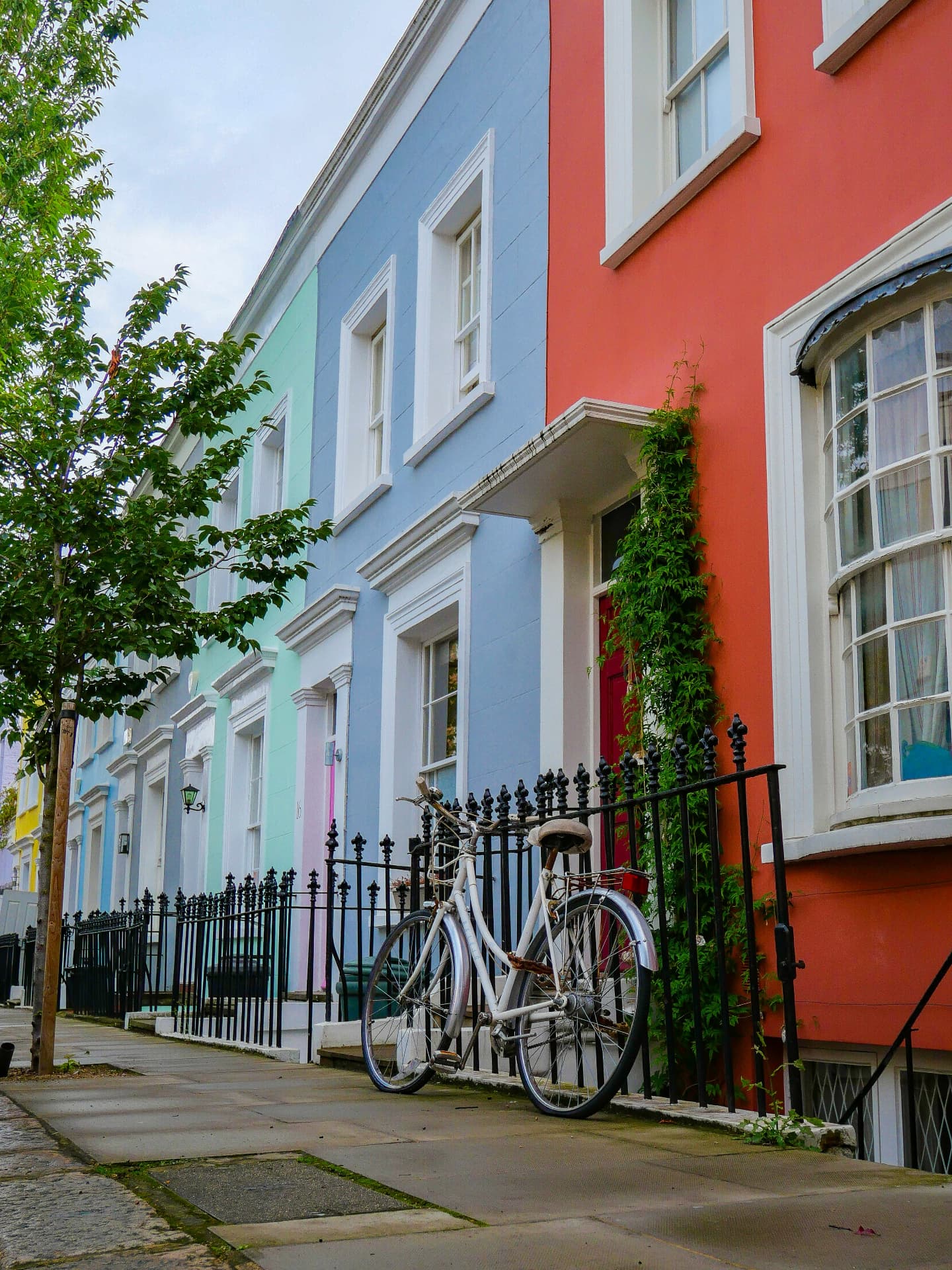
Renting in Marylebone offers a rare combination of central London convenience and village charm that few postcodes can match. This elegant neighbourhood, bounded by Regent's Park to the north and Oxford Street to the south, has long attracted discerning tenants who appreciate its tree-lined streets, independent boutiques, and quietly sophisticated atmosphere. Our team at Seymont London has witnessed sustained demand for flats to rent in Marylebone, driven by professionals, families, and international relocators drawn to its distinctive character. The Marylebone rental market remains one of London's most competitive, yet those who secure a tenancy here discover a community that rewards exploration and delivers exceptional quality of life.
Understanding the Marylebone Rental Market
The Marylebone tenancy landscape reflects the area's premium positioning within central London. According to ONS data, studio apartments typically command monthly rents between £1,550 and £2,425, whilst one-bedroom properties range from £2,050 to £3,200. Two-bedroom flats to rent in Marylebone fall between £2,800 and £4,350 monthly, with three-bedroom homes stretching from £3,725 to £5,800. Larger properties, including four-bedroom residences at £4,950 to £7,750 and five-bedroom addresses from £6,500 to £10,150, cater to families and those requiring substantial space.
Recent HM Land Registry data reveals that 66 properties sold in the area achieved a median price of £995,000, with flats representing the majority at 46 sales with a median of £838,750. This sales activity underscores the investment appeal of Marylebone property, which in turn maintains rental values. The dominance of purpose-built mansion blocks and period conversions means that most rental stock comprises well-maintained apartments rather than houses, though terraced properties do occasionally become available, typically commanding premium rents given their scarcity.
Our experience suggests that the best flats to rent in Marylebone are secured quickly, often within days of listing. Prospective tenants benefit from preparing comprehensive references, proof of income, and deposit funds in advance. The market attracts a mix of creative professionals drawn to the area's media connections, medical specialists working at nearby hospitals, and finance professionals seeking a more characterful alternative to Mayfair or Knightsbridge. Understanding this competitive environment helps tenants position themselves effectively when the ideal property emerges.
The Marylebone High Street Advantage
Marylebone High Street forms the pulsing heart of the neighbourhood and serves as the primary draw for many seeking rentals in the area. This pedestrian-friendly thoroughfare hosts an exceptional blend of independent retailers, premium grocers, and carefully curated chains that maintain the street's village atmosphere. The Sunday farmers' market brings artisan producers from across Britain, whilst establishments like Daunt Books—with its Edwardian galleried interior—provide cultural anchors that distinguish Marylebone from more corporate central London districts.
The street's dining scene merits particular attention for those considering a Marylebone tenancy. Marylebone restaurants span everything from neighbourhood bistros to destination dining rooms, with options including The Chiltern Firehouse for special occasions, Fischer's for Viennese classics, and Trishna for Michelin-starred Indian cuisine. For everyday meals, cafés in Marylebone such as Monocle Café, Ginger & White, and The Marylebone offer quality coffee and relaxed environments that function as extensions of residents' living rooms.
Pubs near Marylebone Station and throughout the conservation area provide another layer of local amenity. The Barley Mow on Dorset Street retains its Victorian charm, whilst The Gunmakers on Aybrook Street offers a refined take on the traditional pub. Bars in Marylebone like Opium and The Wigmore extend the evening options, though the neighbourhood's appeal lies more in its civilised, early-evening culture than late-night revelry. Shops in Marylebone, from La Fromagerie to Trunk Clothiers, encourage the kind of purposeful browsing that builds a genuine connection to place—a significant consideration when evaluating where to establish your London home.
Location, Transport and Connectivity
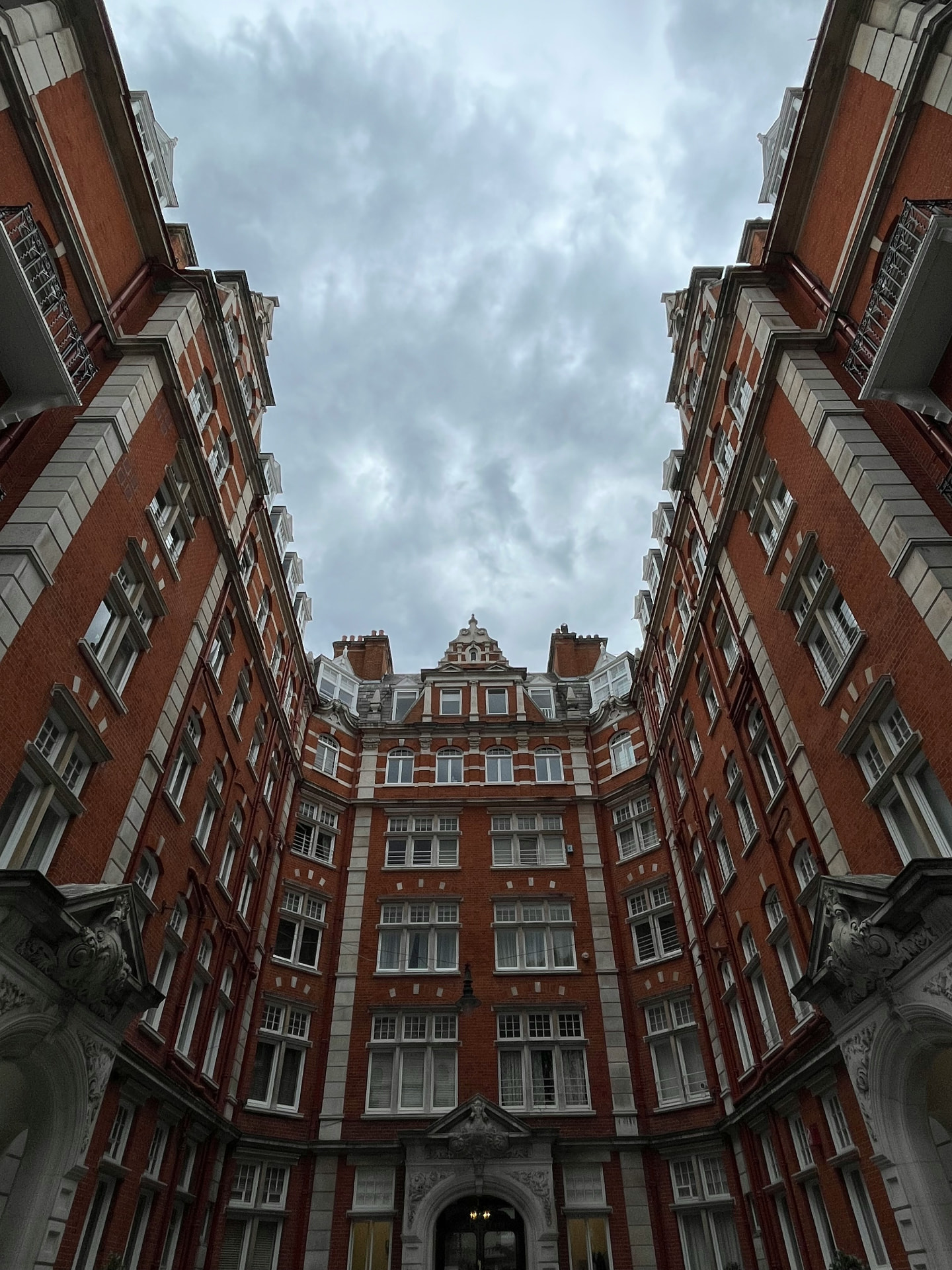
Marylebone London occupies an enviable position that balances centrality with tranquillity. The area's geography—stretching roughly from Great Portland Street in the east to Edgware Road in the west, and from Marylebone Road south to Oxford Street—places residents within walking distance of the West End, Fitzrovia, and Mayfair whilst maintaining distinct neighbourhood boundaries reinforced by Regent's Park's green expanse.
Transport connections rank among central London's finest. Marylebone Station provides National Rail services to the Chilterns and beyond, whilst the London Underground offers the Bakerloo line from the same station. Baker Street Station, positioned at the neighbourhood's eastern edge, serves five tube lines (Metropolitan, Hammersmith & City, Circle, Jubilee, and Bakerloo), creating exceptional connectivity across the capital. Bond Street, Edgware Road, and Great Portland Street stations further expand options, meaning that most Marylebone addresses sit within a five-minute walk of multiple underground services.
This transport infrastructure proves particularly valuable for professionals commuting to Canary Wharf, the City, or West End offices. The area's walkability also reduces reliance on public transport for daily errands—groceries, gyms, healthcare, and entertainment all lie within comfortable walking distance for most Marylebone residents. For those comparing estate agents in Marylebone or researching [property for sale in Marylebone](/property-for-sale/marylebone), this connectivity represents a tangible asset that supports both rental values and long-term capital appreciation.
Talk to Seymont
What's your home worth?
A considered view on price, timing and how to bring your London home to market — a personal reply within 24 hours.
Your property
Step 1 of 2Neighbourhood Character and Daily Living
What distinguishes Marylebone from neighbouring postcodes is its coherent village identity within Zone 1. The conservation area protections have preserved Georgian and Victorian terraces, mansion blocks with generous ceiling heights, and a street pattern that encourages exploration rather than through-traffic. Tree-lined residential streets like Devonshire Place, Wimpole Street, and Harley Street (famous for its medical specialists) create quiet corridors just moments from urban bustle.
Regent's Park provides Marylebone residents with 395 acres of Royal Park, encompassing gardens, sports facilities, open-air theatre, and the ZSL London Zoo. The park's proximity transforms daily life, offering morning running routes, weekend picnics, and a genuine connection to green space that enhances wellbeing. The Marylebone Low Emission Neighbourhood initiative has further improved air quality and pedestrian safety, making the area increasingly family-friendly despite its central location.
Cultural amenities extend beyond retail and dining. The Wallace Collection on Manchester Square houses world-class paintings, furniture, and armour in an intimate setting with free admission. Wigmore Hall presents chamber music and recitals that draw connoisseurs internationally. The Marylebone Theatre and smaller gallery spaces contribute to a cultural calendar that rewards local engagement. For families, excellent state and independent schools within the catchment area, combined with the neighbourhood's safety and walkability, make Marylebone tenancies particularly competitive during the spring letting season.
Our team at Seymont London frequently notes that successful Marylebone tenants tend to prioritise quality of life over square footage, valuing the neighbourhood's character and convenience sufficiently to accept the premium positioning. Those seeking the best breakfast in Marylebone might discover The Providores on Marylebone High Street or plot a rotation through the area's brunch spots—small details that collectively define the Marylebone experience and justify the rental investment for those who appreciate the lifestyle on offer.
Working with Estate Agents in Marylebone
Navigating the Marylebone rental market benefits significantly from local expertise. Estate agents in Marylebone understand the nuances between different mansion blocks, recognise which conversions offer superior specifications, and can advise on everything from parking availability to porter services. Our approach at [Seymont London's Marylebone office](/estate-agents/marylebone) emphasises matching tenants with properties that suit their specific requirements rather than simply filling vacancies.
The best estate agents in Marylebone maintain comprehensive knowledge of rental yields, service charge implications, and lease terms—factors that affect the total cost and experience of a tenancy beyond the headline rent. We regularly advise clients on negotiation strategies, optimal tenancy lengths, and break clauses that provide flexibility in an uncertain world. Understanding [Marylebone house prices](/house-prices/marylebone) also informs rental discussions, as areas experiencing capital growth often see corresponding rental appreciation.
For landlords considering [letting your property in Marylebone](/let-your-property/marylebone), we provide tailored advice on presentation, pricing, and tenant selection that maximises returns whilst minimising void periods. Our collective experience suggests that well-maintained properties in prime Marylebone locations consistently outperform market averages, benefiting from the area's enduring appeal and limited supply of quality rental stock. Whether you're seeking a studio near Marylebone Station or a family house near Regent's Park, working with agents who specialise in the W1 market streamlines the process and improves outcomes.
Talk to Seymont
What's your home worth?
A considered view on price, timing and how to bring your London home to market — a personal reply within 24 hours.
Your property
Step 1 of 2About the author
Julian ReyesLicensed Real Estate Agent
Julian has spent eleven years handling residential sales across west and central London, previously with the independent agencies Harlowe & Vance and Marchmont Row. He runs listings end to end, from pricing and presentation through to negotiating offers and holding chains together to completion. His writing focuses on the practical mechanics of buying and selling a home in a market where timing and preparation decide the outcome.
Licensed estate agent · 11 years in London residential sales
- Residential sales
- First-time buyers
- Offer negotiation
- Chain management
Frequently asked
- What is the average rent for a one-bedroom flat in Marylebone?
- According to ONS data, one-bedroom flats in Marylebone typically rent for between £2,050 and £3,200 per month, depending on the specific location, property condition, and amenities. Properties closer to Marylebone High Street or with porter services generally command prices at the upper end of this range, whilst those on quieter streets or in older conversions without modern refurbishment may fall towards the lower end.
- Is Marylebone a good area for families?
- Marylebone offers excellent family amenities despite its central location. Regent's Park provides extensive green space, the area features both state and independent schools, and the Low Emission Neighbourhood improves air quality and pedestrian safety. The village atmosphere, independent shops, and strong community feel make it particularly appealing for families seeking a central London base without compromising on neighbourhood character.
- How competitive is the Marylebone rental market?
- The Marylebone rental market remains highly competitive, with well-presented properties often receiving multiple applications within days of listing. Prospective tenants should prepare comprehensive references, proof of income (typically 2.5-3 times annual rent), and be ready to pay a deposit (usually five weeks' rent) and first month's rent upfront. Working with specialist estate agents and acting decisively when suitable properties emerge significantly improves success rates.
- What transport options are available in Marylebone?
- Marylebone benefits from exceptional transport connectivity. Marylebone Station provides Bakerloo line underground services and National Rail services, whilst nearby Baker Street offers five tube lines (Metropolitan, Hammersmith & City, Circle, Jubilee, and Bakerloo). Bond Street, Edgware Road, and Great Portland Street stations provide additional options, meaning most addresses sit within five minutes' walk of multiple transport services.
- What makes Marylebone different from other central London neighbourhoods?
- Marylebone distinguishes itself through its village character within Zone 1, combining central location with residential tranquillity. The area features independent shops rather than chain-dominated high streets, conservation area protections that preserve architectural coherence, immediate access to Regent's Park, and a strong community identity. This balance of convenience, culture, and character creates a lifestyle that justifies the premium positioning for many residents.