Journal
Renting in Dulwich: A Comprehensive Guide to the Dulwich Rental Market
Written by Thomas Lindqvist · Mortgage & Financing Specialist
Published 1 June 2026 · Updated 24 June 2026 · 6 min read
The short answer
With its village charm, independent shops and acres of green space, Dulwich has become one of south London's most desirable addresses for renters seeking a slower pace without sacrificing connectivity to the capital. Whether you're considering renting in Dulwich for the first time or returning to this leafy enclave, understanding the nuances of the local rental market is essential.
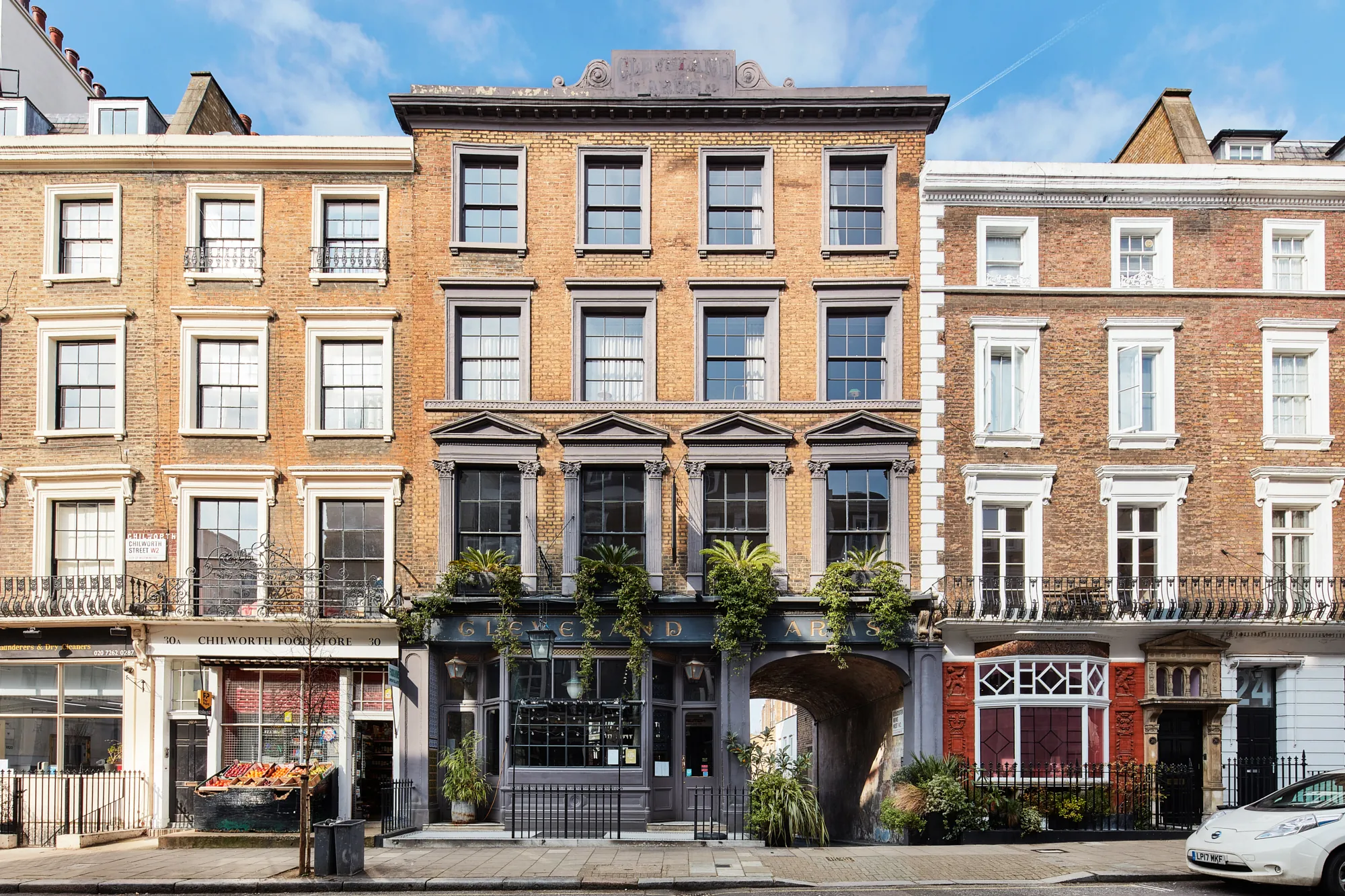
With its village charm, independent shops and acres of green space, Dulwich has become one of south London's most desirable addresses for renters seeking a slower pace without sacrificing connectivity to the capital. Whether you're considering renting in Dulwich for the first time or returning to this leafy enclave, understanding the nuances of the local rental market is essential. Our team at Seymont London has observed growing demand across all three distinct areas—East Dulwich, West Dulwich and Dulwich Village—each offering its own character and appeal. In this guide, we explore what makes the Dulwich rental market unique, outline current pricing across different property types, and help you navigate your search for flats to rent in Dulwich with confidence.
Understanding the Dulwich Rental Landscape
The Dulwich tenancy market reflects the area's exceptional balance of period charm and modern convenience. According to ONS rental data, studio flats currently command between £975 and £1,500 per calendar month, whilst one-bedroom properties range from £1,275 to £1,975. For those requiring more space, two-bedroom flats to rent in Dulwich typically sit between £1,725 and £2,700, with three-bedroom properties reaching £2,300 to £3,600 monthly.
Larger family homes command premium rents, with four-bedroom properties ranging from £3,075 to £4,800, and five-bedroom homes between £4,050 and £6,300. These figures reflect Dulwich's enduring appeal to families drawn by the outstanding schools, green spaces and village atmosphere that define the area.
What sets the Dulwich rental market apart is the predominance of period conversions and Victorian terraces, particularly in East Dulwich and Dulwich Village, alongside a selection of purpose-built developments concentrated near transport hubs. This variety means renters can choose between characterful flats in converted houses or modern apartments with contemporary amenities, depending on lifestyle preferences and budget.
The Three Faces of Dulwich: Choosing Your Neighbourhood
East Dulwich has emerged as the most vibrant of Dulwich's three districts, centred on Lordship Lane's thriving independent restaurant and retail scene. With 27,100 monthly searches for the area, it's clear that East Dulwich commands significant attention from prospective renters and buyers alike. The neighbourhood attracts young professionals and growing families who value walkability, community atmosphere and excellent transport links via East Dulwich and North Dulwich stations. Rental stock here includes both converted Victorian flats and some newer developments, with prices reflecting the area's popularity and convenience.
Dulwich Village, searched 12,100 times monthly, offers an altogether quieter proposition. Protected by strict conservation policies and home to the historic Dulwich Picture Gallery, this neighbourhood feels remarkably removed from urban London despite its Zone 2-3 location. The rental offering here skews towards larger period properties and houses, appealing to families prioritising green space, excellent schools including Dulwich College and James Allen's Girls' School, and a genuine village atmosphere. The Dulwich rental market in the Village area tends towards longer tenancies and lower turnover.
West Dulwich, also attracting 12,100 monthly searches, sits between its two siblings in character. Well-served by West Dulwich station with direct services to Victoria and London Bridge, it offers a more residential feel than East Dulwich whilst being more accessible than the Village. The rental stock here includes a good mix of converted flats, terraced houses and some semi-detached properties, with the area particularly popular among established professionals and families seeking value without compromising on Dulwich's signature green credentials.
Property Types and Market Dynamics
HM Land Registry data reveals that flats dominate Dulwich's property transactions, accounting for 96 of 171 sales in the most recent period, with a median price of £477,500. This prevalence translates to the rental market, where converted flats in Victorian and Edwardian houses form the backbone of available Dulwich tenancy options. These conversions typically offer high ceilings, period features and generous room sizes that modern developments struggle to match.
Terraced houses represented 50 sales with a median price of £876,875, whilst semi-detached properties—14 sales at a median of £1,377,500—offer rare opportunities for those seeking detached living space and gardens. The premium for houses reflects Dulwich's family appeal and the scarcity of family-sized rental properties relative to demand. When terraced or semi-detached houses do come available to rent, they're often secured quickly, sometimes before reaching wider advertising.
Our team frequently works with landlords who've held Dulwich properties for decades, attracted by stable rental demand and the area's enduring desirability. This long-term ownership pattern contributes to a rental market characterised by well-maintained properties and landlords who value reliable tenants over constant churn. Understanding this dynamic helps renters appreciate that presenting a strong tenancy application—complete references, clear financial standing and professional engagement—significantly increases chances of securing your preferred property.
Talk to Seymont
What's your home worth?
A considered view on price, timing and how to bring your London home to market — a personal reply within 24 hours.
Your property
Step 1 of 2Transport, Schools and Lifestyle Considerations
Connectivity plays a crucial role in the Dulwich rental market's sustained popularity. East Dulwich and North Dulwich stations provide direct services to London Bridge in approximately 12-15 minutes, whilst West Dulwich offers routes to both Victoria and London Bridge. These transport links make renting in Dulwich viable for those commuting to the City, Canary Wharf or the West End, whilst the area itself offers sufficient amenities to minimise the need for constant travel.
Education remains a primary driver for family renters, with Dulwich hosting some of London's most sought-after schools. The independent sector includes Dulwich College, Alleyn's School and James Allen's Girls' School, whilst excellent state options such as Dulwich Hamlet Junior School and Charter School attract families into specific catchment areas. We regularly work with families timing their Dulwich tenancy to coincide with school application cycles, and rental properties within prime catchments command particular attention.
The lifestyle offering distinguishes Dulwich from other affluent London suburbs. Dulwich Park's 72 acres, Dulwich Picture Gallery, the historic Dulwich College estate, and Lordship Lane's independent businesses create a genuine sense of place. The area's 20,100 monthly searches for "Dulwich London" suggest strong awareness of the neighbourhood as a destination in its own right, not merely a residential overflow from more central locations. For renters, this translates to an environment where community connections develop naturally, whether through the farmers' market, local tennis clubs or simply the rhythm of village life.
Navigating Your Dulwich Tenancy Search
Searching for flats to rent in Dulwich requires understanding seasonal patterns and acting decisively when suitable properties emerge. The rental market experiences peaks in spring and autumn, aligning with school terms and corporate relocation cycles. Properties in prime locations or offering exceptional value rarely remain available beyond a week or two, particularly in the sought-after streets of East Dulwich and Dulwich Village.
We recommend prospective tenants establish clear priorities before beginning viewings. Consider whether period character or modern convenience matters more, how transport proximity affects your daily routine, and whether school catchments influence your geographical focus. Budget considerations should account not just for rent but for council tax, utilities and the higher living costs associated with Dulwich's premium independent retail offering. Understanding the full financial picture prevents disappointment later in the process.
Working with agents who specialise in the Dulwich area provides significant advantages. Our team maintains detailed knowledge of upcoming availabilities, landlord preferences and micro-market variations between streets that online portals cannot capture. We can advise on realistic rent expectations for your requirements, guide you towards properties matching your lifestyle needs, and present your application in the strongest possible light. For those new to renting in Dulwich, this local expertise proves invaluable in navigating what can initially feel like an opaque market. Visit our [Dulwich estate agents page](/estate-agents/dulwich) to discuss your specific requirements.
Investment Perspective and Market Outlook
Whilst this guide focuses on tenant experiences, understanding landlord perspectives illuminates the Dulwich rental market's stability. The area's enduring desirability, outstanding schools, green space and transport connectivity create sustained rental demand across economic cycles. HM Land Registry data showing a median sales price of £612,500 across all property types indicates a mature, established market rather than one prone to speculative volatility.
Landlords investing in Dulwich typically adopt long-term horizons, valuing capital appreciation alongside rental yields. This mindset benefits tenants through well-maintained properties and landlords open to longer tenancy terms. The prevalence of professional landlords and institutional investors in Dulwich, compared to more transient buy-to-let operators elsewhere, contributes to a more professional, stable rental experience.
For those currently renting but considering eventually purchasing, Dulwich offers diverse entry points. The HM Land Registry data shows flats selling from £133,600 to £1,000,000, terraced houses from £400,000 to £2,825,000, and semi-detached properties from £600,000 to £3,390,000. Renting in Dulwich first allows you to understand the neighbourhood nuances before committing to purchase, with our team supporting clients through both rental and sales journeys. Explore current [property for sale in Dulwich](/property-for-sale/dulwich) or review detailed [Dulwich house prices](/house-prices/dulwich) to understand potential purchase pathways. For landlords considering the market, our [letting service](/let-your-property/dulwich) provides comprehensive support.
Talk to Seymont
What's your home worth?
A considered view on price, timing and how to bring your London home to market — a personal reply within 24 hours.
Your property
Step 1 of 2About the author
Thomas LindqvistMortgage & Financing Specialist
Thomas advised buyers for a decade at Ashgrove Financial, an independent brokerage, on borrowing capacity, product selection and the full cost of a purchase, including stamp duty, legal fees and lender charges. He follows rate decisions and lender criteria changes and translates them into what a household can realistically afford. His guides cover affordability, remortgaging and the closing costs that buyers routinely underestimate.
CeMAP qualified · Whole-of-market mortgage advice background
- Mortgages
- Affordability
- Closing costs
- Remortgaging
Frequently asked
- What is the average rent for a two-bedroom flat in Dulwich?
- According to ONS data, two-bedroom properties in Dulwich typically rent for between £1,725 and £2,700 per calendar month. The variation reflects differences in property condition, exact location within Dulwich's three distinct areas, proximity to transport, and whether the flat is a period conversion or modern development. Properties in East Dulwich near Lordship Lane and those in prime Dulwich Village locations tend towards the higher end of this range.
- Which area of Dulwich is best for renters: East Dulwich, West Dulwich or Dulwich Village?
- The ideal area depends entirely on your priorities. East Dulwich offers the most vibrant lifestyle with restaurants, bars and independent shops along Lordship Lane, attracting younger professionals and families who value walkability and community. Dulwich Village provides the quietest, most residential atmosphere with exceptional green space and schools, appealing to families seeking a genuine village feel. West Dulwich sits between these extremes, offering excellent transport links to Victoria and a more affordable entry point whilst maintaining Dulwich's signature character. We recommend visiting each area at different times to determine which atmosphere suits your lifestyle.
- How competitive is the Dulwich rental market?
- The Dulwich rental market is consistently competitive, particularly for well-presented properties in prime locations or within sought-after school catchments. Desirable flats to rent in Dulwich typically receive multiple enquiries within days of listing, with viewings often arranged in quick succession. Properties offering good value or exceptional character rarely remain available beyond a week or two. We advise prospective tenants to have references prepared, proof of income ready, and clarity on their requirements to act decisively when suitable properties emerge. The market experiences seasonal peaks in spring and autumn aligned with school terms.
- What transport links serve Dulwich for commuters?
- Dulwich benefits from three railway stations offering excellent connectivity to central London. East Dulwich and North Dulwich stations provide direct services to London Bridge in approximately 12-15 minutes, ideal for City and Canary Wharf commuters. West Dulwich station offers routes to both Victoria (around 15 minutes) and London Bridge, serving West End and central destinations. Whilst Dulwich lacks Underground access, these frequent overground services provide reliable commuting options. Multiple bus routes also connect to Brixton, Peckham and other transport hubs, with cycling to central London viable for those preferring active commuting.
- Are utilities and council tax included in Dulwich rental prices?
- Rental prices in Dulwich almost universally exclude utilities and council tax, which remain the tenant's responsibility unless explicitly stated otherwise. Council tax bands in Dulwich range from Band A to Band H depending on property value, with most flats falling into Bands C-E and houses often in Bands E-G. Prospective tenants should budget approximately £150-250 monthly for council tax, plus utilities including gas, electricity, water and internet. Some modern developments include service charges covering building maintenance and communal areas, which may or may not be included in the advertised rent. Always clarify these details during viewings to understand your total monthly outgoings.