Journal
Renting in Chelsea: A Complete Guide to the SW3 Rental Market
Written by Nina Castellano · Investment Property Advisor
Published 21 January 2026 · Updated 29 July 2026 · 7 min read
The short answer
Renting in Chelsea places you at the heart of one of London's most distinguished addresses, where Georgian elegance meets contemporary luxury. This leafy enclave in SW3 and SW10 has long attracted discerning tenants seeking a refined lifestyle, world-class dining, and the verdant expanses of the Thames-side gardens.
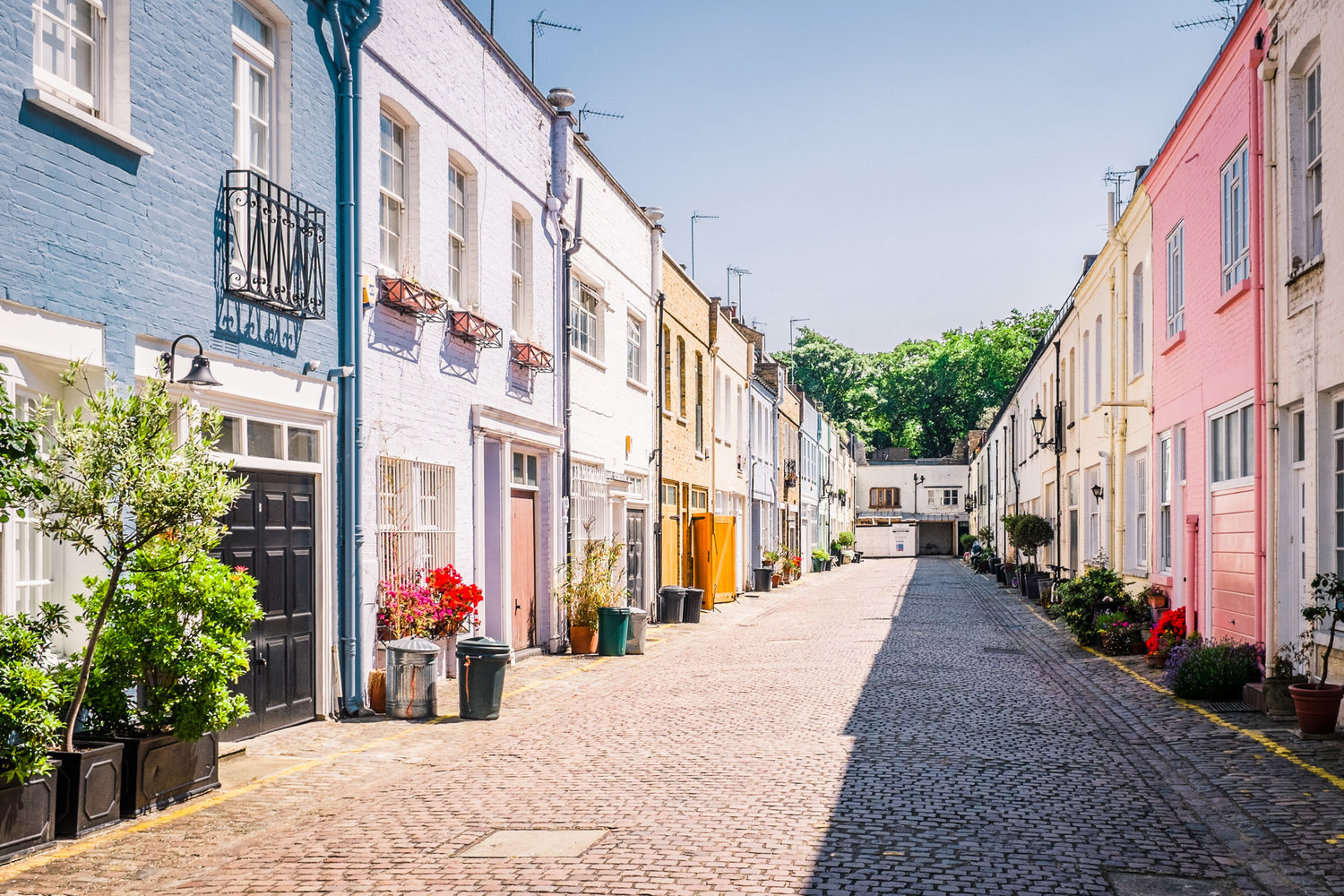
Renting in Chelsea places you at the heart of one of London's most distinguished addresses, where Georgian elegance meets contemporary luxury. This leafy enclave in SW3 and SW10 has long attracted discerning tenants seeking a refined lifestyle, world-class dining, and the verdant expanses of the Thames-side gardens. Our team at Seymont London has guided countless clients through the Chelsea rental market, and we understand the unique character that makes this Royal Borough postcode so sought-after. From museum-quarter mansion blocks to newly refurbished mews houses, the variety of flats to rent in Chelsea reflects the area's architectural heritage and its evolution as a magnet for international professionals, families, and creatives alike.
Understanding the Chelsea Rental Market in 2026
The Chelsea rental market remains one of London's most resilient, underpinned by perennial demand from diplomats, finance professionals, and established families who value the area's village atmosphere within Zone 1. According to ONS data, studio apartments command monthly rents between £1,475 and £2,300, while one-bedroom properties range from £1,950 to £3,050. For those seeking more space, two-bedroom flats to rent in Chelsea typically fall between £2,650 and £4,150 per calendar month, reflecting the premium attached to this SW postcode.
Larger family homes command correspondingly higher rents: three-bedroom properties range from £3,550 to £5,525, four-bedroom residences from £4,725 to £7,375, and five-bedroom or larger homes from £6,200 to £9,675 monthly, according to official ONS figures. These ranges reflect significant variation in property condition, proximity to the King's Road, and access to private outdoor space—always at a premium in central London.
Recent HM Land Registry data recording 162 sales transactions shows a median property price of £940,000, with flats accounting for the majority at 122 transactions and a median of £750,000. This sales context influences the rental market; landlords with substantial capital invested naturally seek tenants who appreciate the quality and location these properties offer. We've observed that well-presented properties in prime Chelsea pockets rarely remain available for long, often securing tenancies within days of listing.
The Chelsea tenancy landscape has matured considerably, with most landlords now offering professionally managed properties that meet the highest regulatory standards. Our experience suggests that successful applicants typically demonstrate strong financial credentials, stable employment, and an understanding of the area's particular character—this isn't simply a postcode but a lifestyle choice that values discretion, culture, and community.
Chelsea's Most Desirable Rental Locations
The geography of Chelsea UK creates distinct micro-markets, each with its own appeal. The area bounded by Sloane Square and the King's Road attracts younger professionals and couples who value proximity to boutique shopping, the Duke of York Square, and the culinary scene that has made restaurants in Chelsea a draw for the entire capital. Period conversions and purpose-built blocks here offer elegant proportions and, increasingly, porter services and residents' amenities.
Further south towards the Thames, the streets surrounding the Royal Hospital Chelsea and Chelsea Barracks offer a more tranquil, residential atmosphere. The recent redevelopment of Chelsea Barracks has introduced contemporary luxury apartments with exceptional specifications, appealing to international tenants seeking modern comfort within a historic setting. The proximity to the Chelsea Physic Garden and Ranelagh Gardens provides a rare combination of central location and green space that families particularly value.
The western reaches of Chelsea, including areas around the Chelsea Creek development and World's End, present a slightly more accessible entry point to the Chelsea rental market while retaining excellent transport links and the area's characteristic village feel. These neighbourhoods have witnessed considerable regeneration, with former industrial sites transformed into waterside residential schemes that attract a younger demographic. Our team has noticed growing interest in these pockets from tenants priced out of the traditional Chelsea heartland but unwilling to compromise on the SW10 postcode.
Mews houses scattered throughout Chelsea remain perennially popular, offering characterful living spaces often with private garages—a genuine rarity in central London. Streets near the Saatchi Gallery, Chelsea Arts Club, and the boutiques of Pavilion Road command particular premiums, combining residential calm with cultural cachet. When advising clients, we emphasise the importance of viewing properties in person; the variation in natural light, ceiling height, and aspect can dramatically affect the living experience, even on the same street.

What Tenants Need to Know About Chelsea Tenancies
Securing a Chelsea tenancy requires thorough preparation. Landlords and their agents typically request comprehensive referencing, including employment verification, previous landlord references, and evidence of income at least 30 times the monthly rent—sometimes higher for international applicants without UK credit history. We advise prospective tenants to prepare these documents in advance; in a competitive market, the ability to move quickly often determines success.
Most properties are let on Assured Shorthold Tenancies (ASTs) with initial terms of 12 or 24 months, though some landlords prefer longer commitments for family homes, offering modest rent reductions in exchange for stability. Break clauses are negotiable but less common in prime Chelsea than in other London markets, reflecting landlords' preference for secure, long-term arrangements. Deposit amounts are capped at five weeks' rent under current legislation, though the overall moving costs—including advance rent, deposit, and potential agency fees for tenant services—require significant capital.
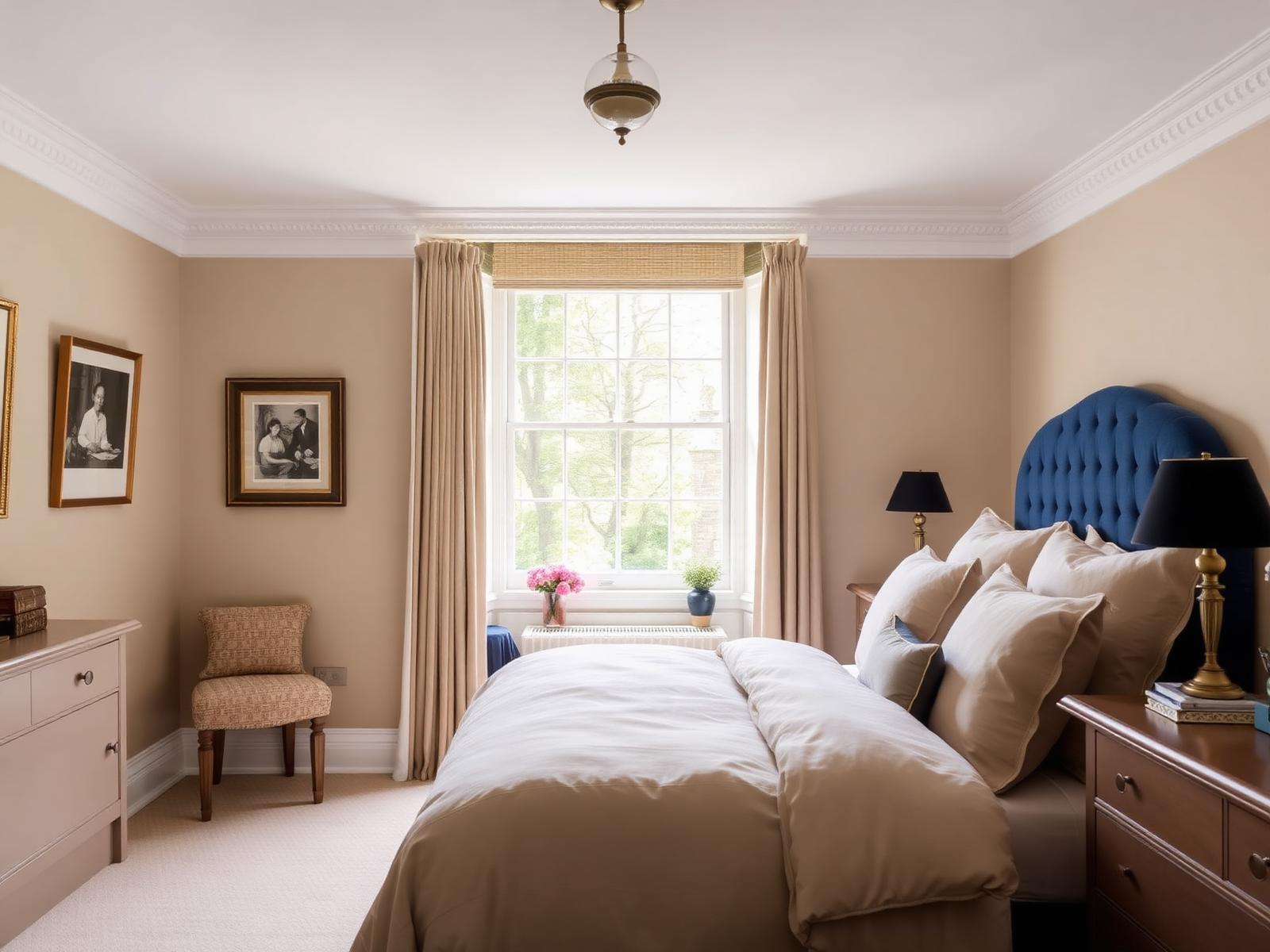
Furnishing varies considerably across the Chelsea rental market. Many apartments come fully furnished to a high standard, particularly those in modern developments or targeted at corporate tenants. Period properties may be offered unfurnished or part-furnished, allowing tenants to impose their own aesthetic—an appealing option for those planning extended stays. Our experience suggests that well-furnished properties command a premium of approximately 10-15% over unfurnished equivalents, though this varies by property type and target demographic.
Council tax in the Royal Borough of Kensington and Chelsea sits at the higher end of London rates, reflecting the premium services and civic amenities the borough provides. Utility costs vary by property size and efficiency, but tenants should budget for these alongside service charges (common in mansion blocks and developments), which can range from modest sums to several thousand pounds annually for properties with extensive facilities. We always recommend clarifying which costs sit with the tenant and which with the landlord before signing agreements, as this transparency prevents misunderstandings and ensures a positive landlord-tenant relationship throughout the tenancy term.
Talk to Seymont
What's your home worth?
A considered view on price, timing and how to bring your London home to market — a personal reply within 24 hours.
Your property
Step 1 of 2Living in Chelsea: Lifestyle and Amenities
Chelsea London offers a lifestyle that balances metropolitan sophistication with village-scale community. The King's Road remains the area's commercial spine, transformed from its 1960s heyday into a mature shopping and dining destination where independent boutiques sit alongside established brands. The food scene deserves particular mention; restaurants in Chelsea range from Michelin-starred establishments to neighbourhood bistros, many with pavement seating that comes alive during warmer months.
Cultural amenities abound. The Saatchi Gallery provides world-class contemporary art without admission charges, while the Chelsea Arts Club continues its centuries-old tradition of nurturing creative talent. The Royal Court Theatre in neighbouring Sloane Square has premiered some of British theatre's most important works, and the Cadogan Hall offers classical music in an intimate setting. For families, the area's independent schools and the green expanses of Battersea Park (easily reached via the Albert or Chelsea bridges) create an environment where children can thrive.
Transport connections justify Chelsea's Zone 1 status. Sloane Square (District and Circle lines) provides direct access to Victoria, the City, and West End, while South Kensington station (District, Circle, and Piccadilly lines) serves the western edge of the area. Numerous bus routes traverse the King's Road and Fulham Road, connecting to Knightsbridge, Kensington, and beyond. The Thames Clipper river bus service from nearby Cadogan Pier offers a scenic commute to Canary Wharf and Greenwich, though most residents rely on the Underground or, increasingly, cycling via the area's expanded cycle infrastructure.
The sense of community distinguishes Chelsea from many central London postcodes. Long-established residents shop at the Saturday farmers' market on Duke of York Square, walk dogs in Burton's Court, and support local institutions like the Chelsea Potter pub or the Chelsea Bun Diner. This village atmosphere, preserved despite intense property values and international interest, creates a genuine sense of place that our team believes justifies the premium attached to renting in Chelsea. It's not merely an address but an ecosystem of cafés, independent shops, and familiar faces that transforms a house into a home.
Working with Seymont London for Your Chelsea Rental
Our approach to the Chelsea rental market combines comprehensive local knowledge with a commitment to matching tenants with properties that suit their specific requirements. We maintain close relationships with landlords across the area, often gaining early notice of properties before they reach public portals—a significant advantage in a market where the finest homes move quickly. Whether you're seeking a studio near Sloane Square or a five-bedroom family house with garden access, our team provides curated selections that respect your time and priorities.
We recognise that renting in an unfamiliar area, particularly for international arrivals or those relocating from other UK regions, requires more than property listings. Our team offers orientation visits that introduce Chelsea's neighbourhoods, explain local amenities, and provide practical insights into commuting, schools, and lifestyle considerations. This contextual knowledge helps clients make informed decisions about which pocket of Chelsea best serves their needs, whether that's the cultural energy around the King's Road or the residential calm near the Royal Hospital Chelsea.
For landlords seeking tenants, our [letting service](/let-your-property/chelsea) emphasises thorough vetting, transparent communication, and property presentation that highlights each home's unique appeal. We understand that successful tenancies rest on finding tenants who appreciate the property and location, not simply those who can afford the rent. This alignment of expectations creates stable, long-term arrangements that benefit all parties.
Those exploring the Chelsea market may also wish to review our guides to [properties for sale in Chelsea](/property-for-sale/chelsea), [Chelsea house prices](/house-prices/chelsea), and our broader [estate agency services in the area](/estate-agents/chelsea). Whether your timeline involves an immediate rental or a longer-term ambition to purchase in SW3, we provide consistent guidance grounded in market expertise and a genuine commitment to this remarkable corner of London. The Chelsea rental market rewards those who approach it with preparation, flexibility, and an appreciation for what makes this area exceptional—qualities our team works to embody in every client relationship.
Talk to Seymont
What's your home worth?
A considered view on price, timing and how to bring your London home to market — a personal reply within 24 hours.
Your property
Step 1 of 2About the author
Nina CastellanoInvestment Property Advisor
Nina advises landlords and investors on rental yields, tenant demand and portfolio structure across Greater London, after running lettings and management at Bellhouse Property Partners. She has overseen single units and multi-property portfolios, and works through compliance, void periods and running costs before a purchase is agreed. Her articles deal with the numbers behind a buy-to-let rather than the headline gross yield.
Lettings and portfolio management · 9 years in London rentals
- Buy-to-let
- Rental yields
- Portfolio strategy
- Landlord compliance
Frequently asked
- What is the average rent for a two-bedroom flat in Chelsea?
- According to ONS data, two-bedroom flats to rent in Chelsea typically range from £2,650 to £4,150 per calendar month. The variation reflects differences in property condition, exact location within Chelsea, outdoor space, and building amenities. Properties near Sloane Square or with views over garden squares command the upper end of this range, while those in the western reaches of SW10 or requiring refurbishment sit at the lower end.
- Is Chelsea a good area for families renting in London?
- Chelsea offers excellent family amenities, including highly regarded independent and state schools, safe residential streets, proximity to Battersea Park and the Thames Path, and a genuine community atmosphere. The area's cultural institutions, from museums to theatres, provide enriching activities, while the village-scale high street allows children appropriate independence as they mature. Rental properties with gardens or access to communal squares are particularly sought-after by families, though they command corresponding premiums.
- How competitive is the Chelsea rental market?
- The Chelsea rental market remains highly competitive, particularly for well-presented properties in prime locations. Desirable homes often receive multiple applications within days of listing, especially during peak moving seasons (spring and early autumn). Prospective tenants benefit from having references, financial documentation, and deposits readily available. Working with an established agent like Seymont London can provide early access to properties and streamline the application process.
- What are the transport links like in Chelsea?
- Chelsea benefits from Sloane Square station (District and Circle lines) and South Kensington station (District, Circle, and Piccadilly lines) at its boundaries, plus comprehensive bus coverage along the King's Road and Fulham Road. Journey times to central destinations are brief: approximately 10 minutes to Victoria, 15 minutes to Oxford Circus, and 20 minutes to King's Cross. The area's cycling infrastructure has improved considerably, and the Thames Clipper riverboat service offers an alternative route to Canary Wharf and eastern destinations.
- What additional costs should I budget for when renting in Chelsea?
- Beyond monthly rent, tenants should budget for a deposit (capped at five weeks' rent), council tax (Royal Borough of Kensington and Chelsea rates apply), utilities (gas, electricity, water), and potentially service charges if renting in a mansion block or development with shared amenities. Internet and television licensing are additional. Some properties include certain utilities or services in the rent, so clarifying these arrangements before signing a tenancy agreement is essential. Overall living costs in Chelsea tend toward the higher end of London averages, reflecting the area's premium status.