Journal
Average Rent in Chelsea: A Complete Guide to Rental Prices
Written by Thomas Lindqvist · Mortgage & Financing Specialist
Published 28 January 2026 · Updated 29 March 2026 · 6 min read
The short answer
Understanding the average rent in Chelsea is essential for both prospective tenants and landlords navigating one of London's most prestigious residential districts. Our team at Seymont London has analysed the latest data from the Office for National Statistics and HM Land Registry to provide a comprehensive overview of what tenants can expect to pay across this iconic SW3 and SW10 postcode area.
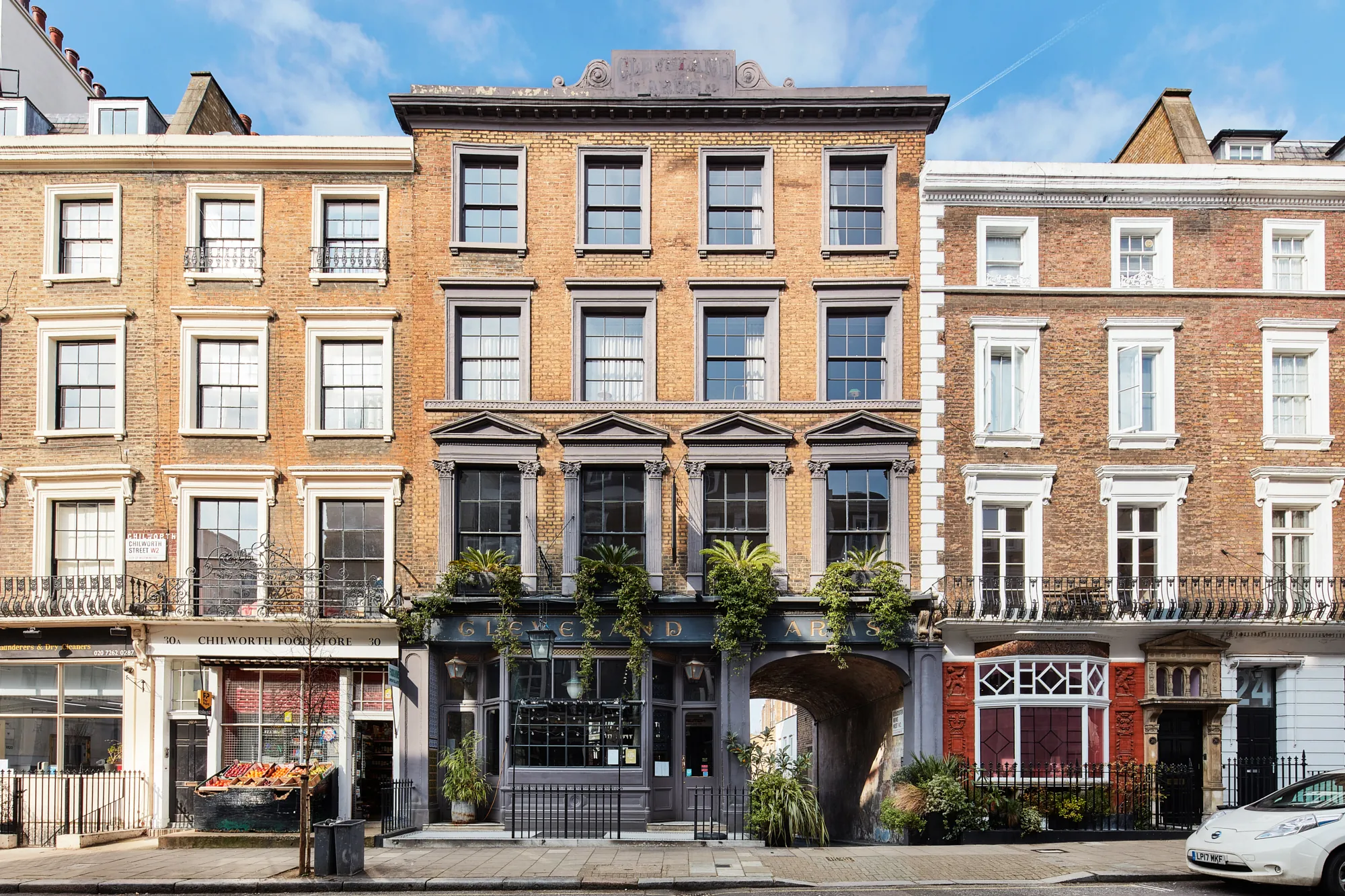
Understanding the average rent in Chelsea is essential for both prospective tenants and landlords navigating one of London's most prestigious residential districts. Our team at Seymont London has analysed the latest data from the Office for National Statistics and HM Land Registry to provide a comprehensive overview of what tenants can expect to pay across this iconic SW3 and SW10 postcode area. From elegant garden squares to modern riverside developments, Chelsea's rental market reflects its enduring appeal as a premier address combining Georgian heritage, world-class shopping along King's Road, and proximity to the Royal Hospital Chelsea. Whether you're searching for a studio near Sloane Square or a family home close to the Chelsea Barracks redevelopment, rental prices vary significantly by property type, location, and specification.
Chelsea Rent Prices Across Property Types
The rental landscape in Chelsea demonstrates considerable variation depending on property size and style. According to ONS data, studio apartments command monthly rents between £1,475 and £2,300, positioning them as entry points into this prestigious neighbourhood for young professionals and those seeking a pied-à-terre near central London.
One-bedroom properties range from £1,950 to £3,050 per calendar month, whilst two-bedroom flats and houses typically fall between £2,650 and £4,150. These mid-range properties attract considerable demand from couples and small families who value Chelsea's village atmosphere, excellent transport links, and proximity to Hyde Park and the River Thames.
For those requiring more substantial accommodation, three-bedroom homes command between £3,550 and £5,525 monthly, whilst four-bedroom properties range from £4,725 to £7,375. At the upper end of the market, five-bedroom and larger residences achieve rents between £6,200 and £9,675 per month, often featuring period details, private gardens, and locations on Chelsea's most coveted streets. Our team at Seymont London observes that properties near the Chelsea Arts Club and the newer Chelsea Creek development often command premium pricing within these bands.
These figures reflect Chelsea's position as one of London's most desirable postcodes, where architectural heritage meets contemporary luxury. The median sales price of £940,000 across 162 recent transactions (HM Land Registry) underscores the capital values that underpin these rental levels, with flats achieving a median of £750,000 and terraced houses reaching £3,050,000.
How Much Is Rent in Chelsea Compared to Capital Investment?
When evaluating how much rent costs in Chelsea relative to property values, the relationship between purchase prices and rental income becomes particularly relevant for investors and landlords. The HM Land Registry data reveals that flats, which account for the majority of rental stock with 122 sales recorded, have a median price of £750,000, with individual properties ranging from £22,750 to £5,170,000.
Terraced houses, quintessential to Chelsea's character particularly around the streets radiating from King's Road, show a median sales price of £3,050,000 across 27 transactions, with the upper range extending to £23,000,000. Semi-detached properties, though rare with only four sales, command exceptional values with a median of £16,475,000, reflecting the scarcity and prestige of such homes in this densely developed area.
For landlords and property investors working with our <a href="/let-your-property/chelsea">Chelsea lettings team</a>, understanding this price-to-rent dynamic is crucial for assessing potential returns. A typical two-bedroom flat purchased at the median price might achieve annual rental income of approximately £31,800 to £49,800 based on current monthly ranges, whilst larger family homes at higher price points require careful analysis to ensure sustainable yields.
The presence of notable developments such as the Chelsea Barracks, which has transformed a former military site into luxury residences, and the continued appeal of riverside addresses along Chelsea Creek, contribute to both sales and rental premium in specific micro-locations within the broader Chelsea market.
Chelsea Rental Yields and Investment Performance
Chelsea rental yields reflect the area's status as a prime central London location where capital appreciation has historically been as significant a consideration as income return. Based on current rental data and median sales prices from HM Land Registry, gross yields typically range between 2.5% and 4.5% depending on property type and specific location.
Flats, representing the most accessible entry point for investors, can deliver more favourable yield profiles than larger houses. A one-bedroom apartment purchased at £750,000 and let at £2,500 per month would generate a gross annual yield of approximately 4%, before accounting for management fees, maintenance, and other holding costs. By contrast, a terraced house at the £3,050,000 median with rental income of £4,500 monthly would achieve a gross yield closer to 1.8%.
Our experience at Seymont London demonstrates that Chelsea landlords often prioritise capital preservation and long-term growth over maximising rental yield. The area's enduring international reputation, limited housing stock due to conservation constraints, and proximity to Knightsbridge, Belgravia, and South Kensington ensure consistent demand from high-net-worth tenants, many of whom are relocating executives, diplomats, or families seeking access to prestigious schools.
For investors examining <a href="/property-for-sale/chelsea">Chelsea properties for sale</a>, the rental market provides reassurance of liquidity and ongoing income potential. Properties near cultural amenities such as the Saatchi Gallery, dining destinations among the restaurants in Chelsea, and garden squares consistently attract quality tenants willing to pay premium rents for the complete Chelsea lifestyle.
Talk to Seymont
What's your home worth?
A considered view on price, timing and how to bring your London home to market — a personal reply within 24 hours.
Your property
Step 1 of 2Factors Influencing Rental Prices in Chelsea
Multiple elements contribute to the positioning of individual properties within the rental ranges observed across Chelsea. Location remains paramount: addresses immediately surrounding Sloane Square, properties overlooking communal gardens, and homes on the most prestigious historic streets command significant premiums over the baseline figures.
Property condition and specification play equally important roles. Period conversions retaining original features such as high ceilings, ornate cornicing, and sash windows attract tenants seeking authentic Chelsea character, whilst newly developed or comprehensively refurbished apartments with modern kitchens, en-suite bathrooms, and integrated technology appeal to a different segment willing to pay top-tier rents for contemporary comfort.
Outdoor space carries exceptional value in this densely built neighbourhood. Properties offering private gardens, terraces, or balconies typically achieve rents 15-25% above comparable homes without such amenities. Parking, increasingly scarce in Chelsea, represents another premium feature that can add several hundred pounds to monthly rental values.
The broader Chelsea UK property market benefits from excellent transport connectivity via Sloane Square and South Kensington stations, exceptional retail along King's Road and Pavilion Road, and the cultural draw of institutions including the Royal Hospital Chelsea with its annual Chelsea Flower Show. Our team observes that proximity to these amenities, combined with the neighbourhood's distinctive village character despite its Zone 1 location, sustains rental demand across economic cycles. For those exploring the market, our <a href="/estate-agents/chelsea">Chelsea estate agents</a> provide detailed guidance on how specific locations and property features influence achievable rents within the ranges outlined.
Market Outlook and Tenant Demand in Chelsea
The Chelsea rental market continues to demonstrate resilience underpinned by structural supply constraints and enduring desirability. With only 162 sales transactions recorded in recent HM Land Registry data across an area housing tens of thousands of residents, the limited turnover of property ownership reinforces scarcity and supports both sales values and rental levels.
Tenant profiles in Chelsea span international relocations, British professionals working in nearby Mayfair and the City, and families prioritising access to outstanding state and independent schools. This diversity of demand creates year-round activity in the lettings market, with particularly strong movements in June-September as families time relocations around academic calendars, and January-March when corporate relocations peak.
Our team has observed evolving tenant priorities following broader shifts in working patterns, with increased emphasis on properties offering dedicated home office space, high-quality broadband infrastructure, and layouts conducive to flexible living. Period houses in Chelsea, with their generous proportions and multiple reception rooms, have proven particularly adaptable to these requirements.
Looking at <a href="/house-prices/chelsea">Chelsea house prices</a> in conjunction with rental data provides investors and landlords with crucial context for portfolio decisions. The substantial capital values, whilst creating barriers to entry, also reflect the embedded prestige and long-term stability that make Chelsea lettings an attractive proposition for those already holding assets in the area or able to make significant initial investments. The ongoing evolution of sites such as Chelsea Barracks and the maintained appeal of historic addresses ensure that Chelsea remains a dynamic rental market where well-presented properties at appropriate price points consistently find quality tenants.
Talk to Seymont
What's your home worth?
A considered view on price, timing and how to bring your London home to market — a personal reply within 24 hours.
Your property
Step 1 of 2About the author
Thomas LindqvistMortgage & Financing Specialist
Thomas advised buyers for a decade at Ashgrove Financial, an independent brokerage, on borrowing capacity, product selection and the full cost of a purchase, including stamp duty, legal fees and lender charges. He follows rate decisions and lender criteria changes and translates them into what a household can realistically afford. His guides cover affordability, remortgaging and the closing costs that buyers routinely underestimate.
CeMAP qualified · Whole-of-market mortgage advice background
- Mortgages
- Affordability
- Closing costs
- Remortgaging
Frequently asked
- What is the average rent for a two-bedroom flat in Chelsea?
- According to ONS data, two-bedroom properties in Chelsea typically rent for between £2,650 and £4,150 per calendar month. The exact figure depends on factors including location within Chelsea, property condition, outdoor space, and proximity to transport links and amenities. Flats near Sloane Square or with access to communal gardens generally command rents at the higher end of this range.
- Are rental yields in Chelsea competitive compared to other London areas?
- Chelsea rental yields typically range between 2.5% and 4.5%, which is lower than outer London boroughs but reflects the area's prime central location and strong capital appreciation potential. Investors in Chelsea often prioritise long-term capital growth and tenant quality over maximising immediate rental returns, with the prestige postcode offering stability and international appeal that supports both sales values and rental demand.
- How do Chelsea rent prices compare to neighbouring areas like Kensington or Belgravia?
- Chelsea rent prices are broadly comparable to neighbouring prime central London areas such as South Kensington and Belgravia, with all three commanding premium rents reflecting their Zone 1 locations, period architecture, and exceptional amenities. Specific properties can vary significantly based on exact location, condition, and features, but Chelsea's combination of village atmosphere, Royal Hospital heritage, and King's Road shopping ensures it maintains strong rental values alongside its prestigious neighbours.
- What impacts rental prices most significantly in Chelsea?
- Location within Chelsea, property condition, and outdoor space are the three most significant factors affecting rental prices. Addresses on garden squares, properties with private terraces or gardens, and homes on prestigious historic streets command substantial premiums. Additionally, parking availability, period features in good condition, and proximity to Sloane Square or South Kensington stations all influence achievable rents within the broader ranges observed across the area.
- Is demand for rental properties in Chelsea strong throughout the year?
- Chelsea experiences consistent rental demand year-round due to its diverse tenant base of international relocations, British professionals, and families. Peak activity occurs in June-September when families relocate around school terms, and January-March during corporate relocation season. The area's limited housing supply, protected conservation status, and enduring prestige ensure that well-presented properties at appropriate rental levels attract quality tenants regardless of season.