Journal
Renting in Brixton: Your Complete Guide to the Market
Written by Julian Reyes · Licensed Real Estate Agent
Published 10 January 2026 · Updated 28 April 2026 · 5 min read
The short answer
Renting in Brixton places you at the heart of one of south London's most vibrant and culturally rich neighbourhoods. From the iconic Electric Avenue to the bustling markets and world-renowned food scene, Brixton has evolved into a dynamic residential hub that attracts professionals, creatives and families alike.
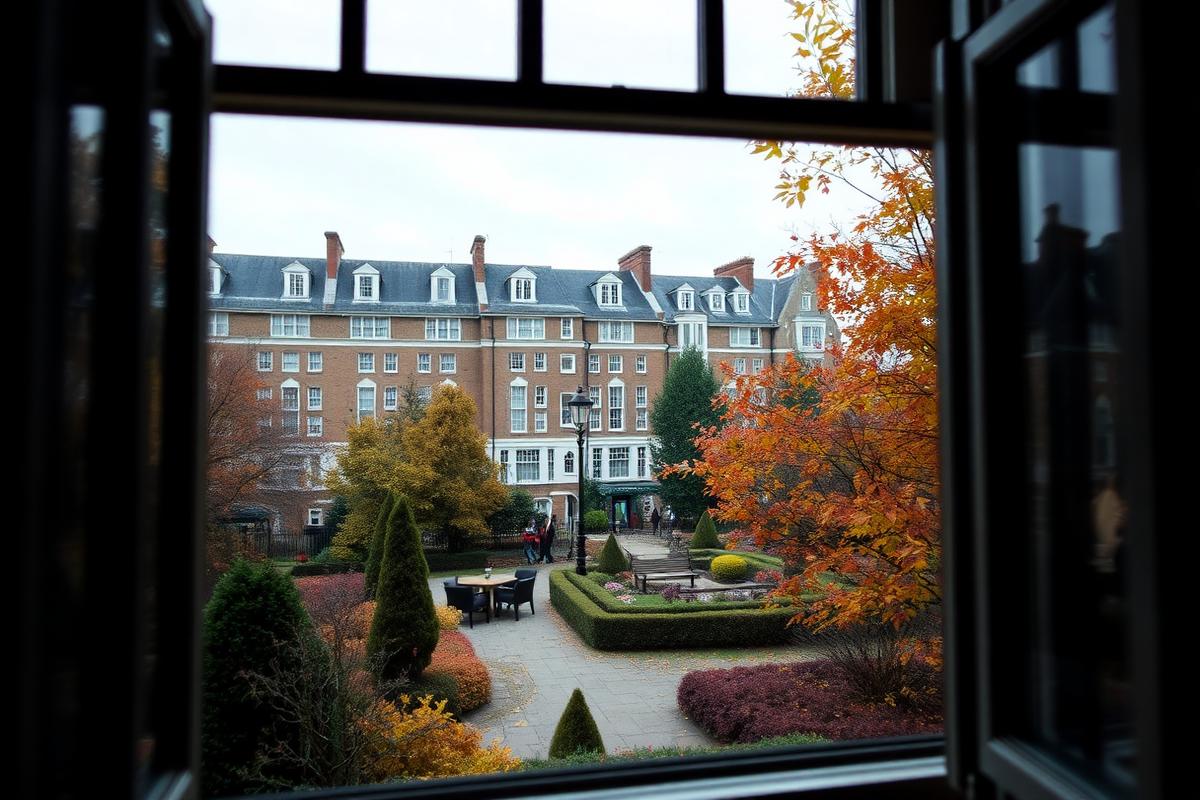
Renting in Brixton places you at the heart of one of south London's most vibrant and culturally rich neighbourhoods. From the iconic Electric Avenue to the bustling markets and world-renowned food scene, Brixton has evolved into a dynamic residential hub that attracts professionals, creatives and families alike. Our team has witnessed the area's rental market flourish over recent years, with demand consistently strong for quality flats to rent in Brixton. Whether you're drawn by the excellent transport connections, the eclectic nightlife or the genuine community spirit, understanding the local rental landscape is essential to securing your ideal home in this distinctive corner of the capital.
Understanding the Brixton Rental Market
The Brixton rental market reflects the area's unique position as both a cultural destination and a sought-after residential location. According to ONS data, current monthly rents span from £775–£1,225 for studio flats, rising to £1,025–£1,625 for one-bedroom properties. Two-bedroom flats to rent in Brixton typically command £1,425–£2,200 per month, whilst three-bedroom homes range from £1,875–£2,950. Larger properties show the premium attached to space in this popular neighbourhood, with four-bedroom homes at £2,525–£3,925 and five-bedroom properties reaching £3,300–£5,150 monthly.
These figures demonstrate the breadth of options available across Brixton, from compact studio conversions perfect for young professionals to substantial family homes in the tree-lined streets around Brixton Hill. The rental market here moves swiftly, particularly for well-presented properties with modern amenities. We've observed that flats within a ten-minute walk of Brixton Underground consistently attract multiple enquiries within days of listing.
A Brixton tenancy offers exceptional value when weighed against the area's Zone 2 location and outstanding connectivity. The Victoria line delivers Bank in just 15 minutes, whilst the extensive Overground network from Brixton station provides direct routes across south and east London. This accessibility explains why rental demand remains robust even as new developments increase supply across neighbouring postcodes.
Brixton's Distinct Neighbourhoods
Brixton encompasses several distinct micro-markets, each with its own character and rental profile. Central Brixton, radiating from the tube station and market area, offers the fullest immersion in the neighbourhood's legendary food scene and nightlife. Purpose-built blocks and Victorian conversions here suit tenants who prioritise being steps from Brixton Village's restaurants and the area's celebrated music venues. Rental yields reflect this prime positioning, though the energy and weekend buzz won't appeal to everyone.
Brixton Hill extends southward towards Streatham Hill, presenting a noticeably calmer atmosphere whilst maintaining excellent bus links into central Brixton and beyond. The substantial Victorian and Edwardian houses lining these slopes frequently convert into generous two and three-bedroom maisonettes, attracting professionals and families seeking more space and quieter streets. Our team regularly handles enquiries for properties along the tree-canopied roads that branch off the main thoroughfare, where period features and private gardens command premium rents.
West Brixton, bleeding into Clapham and Stockwell, tends to feature more modern developments alongside traditional housing stock. The proximity to Clapham Common appeals to tenants wanting green space, whilst transport options multiply with both Clapham North and Stockwell stations accessible. HM Land Registry data shows 353 sales in the past year with a median price of £500,000, with flats dominating at 274 transactions and a £460,000 median—context that helps explain rental pricing across different property types.
What Makes a Brixton Tenancy Appealing
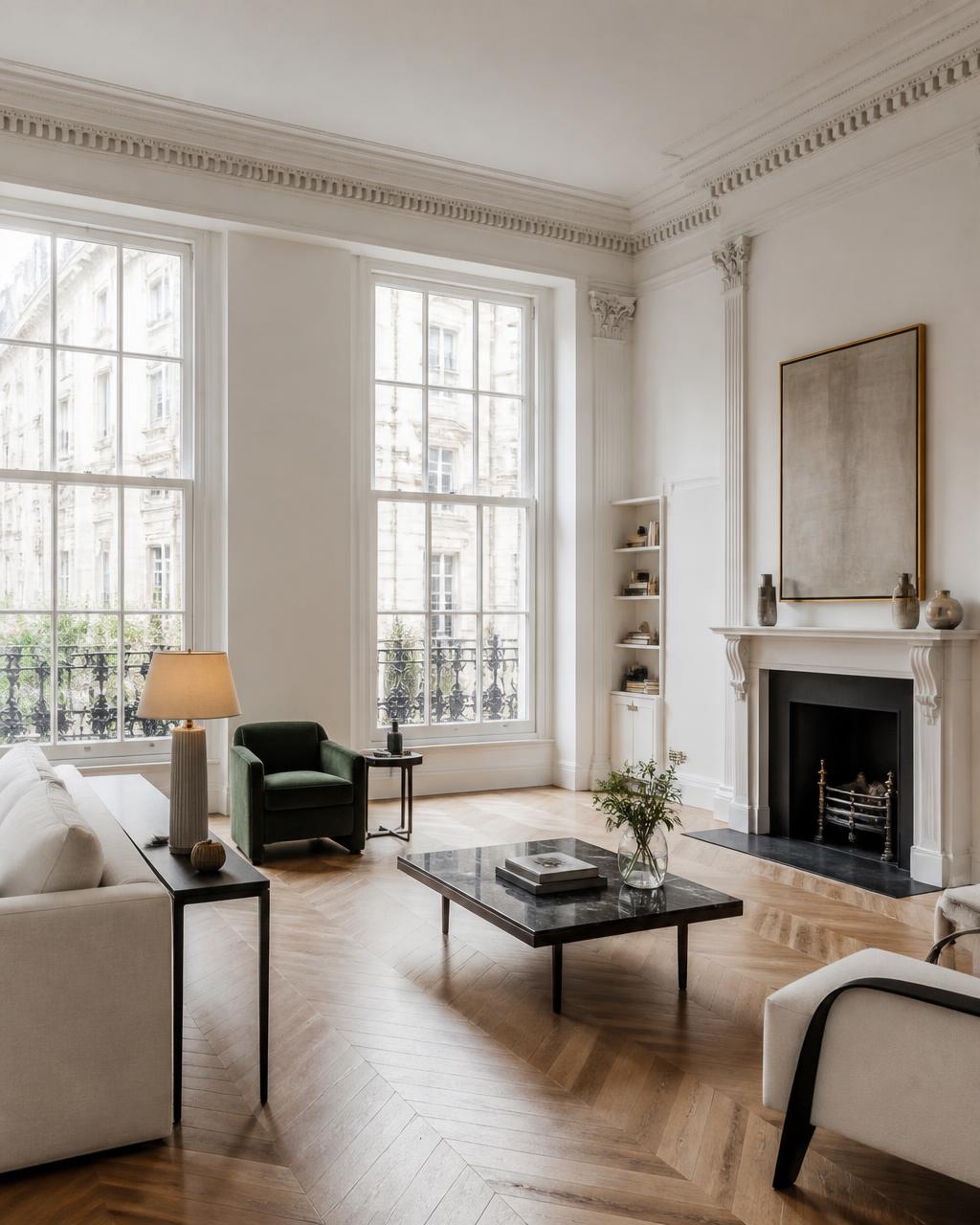
Beyond the numbers, renting in Brixton means joining a community with genuine cultural cachet. The area's music heritage runs deep, from David Bowie's Ziggy Stardust era connections to the sound system culture that shaped British music. Today's Brixton balances this storied past with contemporary appeal—independent cinemas, yoga studios, craft breweries and some of London's most exciting restaurants and bars create a lifestyle that feels both authentic and forward-looking.
The food offering deserves particular mention, as it genuinely distinguishes Brixton from neighbouring areas. Brixton Village and Market Row house dozens of independent eateries spanning Caribbean, West African, Chinese, Italian and modern British cuisines. This concentration of quality, affordable dining means our tenants rarely exhaust the local options. Weekend brunch spots, late-night street food and Michelin-quality cooking all exist within a five-minute radius—a genuine draw for food-focused renters researching restaurant Brixton online before committing to the area.
Community infrastructure strengthens Brixton's residential credentials considerably. Excellent primary schools serve young families, whilst the Ritzy cinema, Brixton Recreation Centre and numerous parks provide amenities that encourage long-term tenancies. We've noticed that once people experience living here, they often seek to remain in the area, either renewing their Brixton tenancy or eventually exploring our [property for sale in Brixton](/property-for-sale/brixton) when circumstances allow.
Talk to Seymont
What's your home worth?
A considered view on price, timing and how to bring your London home to market — a personal reply within 24 hours.
Your property
Step 1 of 2Navigating Your Brixton Rental Search
Securing the right flat to rent in Brixton requires preparation and decisiveness in equal measure. Properties meeting the sweet spot of condition, location and price typically receive numerous applications, so having references, proof of income and deposit funds readily available accelerates the process significantly. Our [estate agents in Brixton](/estate-agents/brixton) maintain detailed knowledge of upcoming availabilities and can often provide advance notice to registered applicants before properties reach public portals.
Timing plays a role in the Brixton rental market, though less dramatically than in some London neighbourhoods. The traditional September peak coincides with corporate relocations and academic calendars, whilst January sees professionals seeking fresh starts. However, quality stock attracts interest year-round here. We'd suggest focusing less on seasonal timing and more on clarity about your requirements—prioritising factors like proximity to the tube, outdoor space, period features or modern fittings helps narrow searches efficiently.
Understanding landlord expectations proves equally valuable. Brixton's popularity means landlords can be selective, favouring tenants who demonstrate stability and care for properties. Previous rental references carry substantial weight, as does flexibility on move-in dates. For those new to London or relocating from abroad, demonstrating financial security through employer letters or offering rent in advance can strengthen applications considerably. Our team guides applicants through these practicalities, ensuring both tenant and landlord interests align from the outset.
Investment Perspective and Market Dynamics
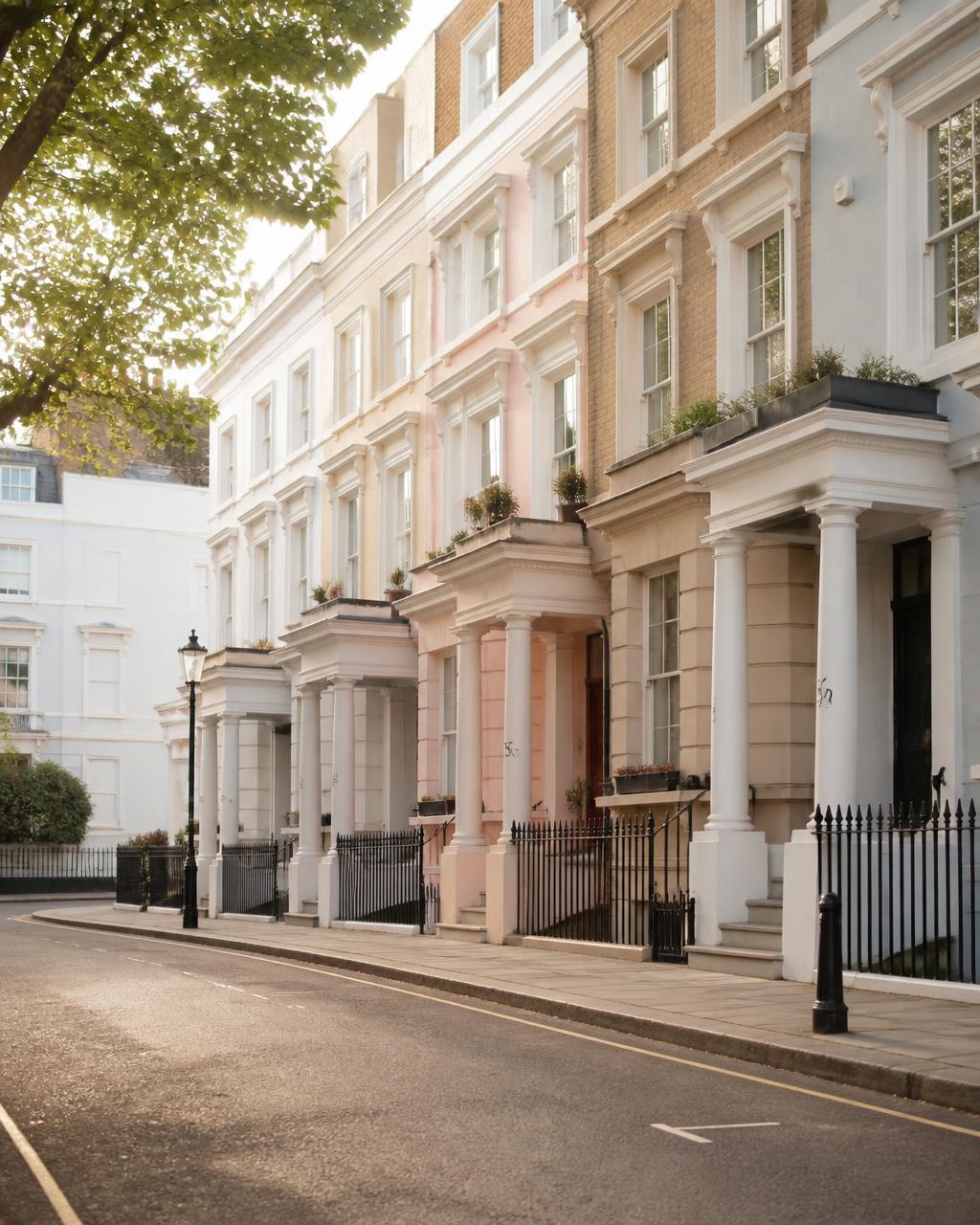
For context, examining recent sales data illuminates why the Brixton rental market functions as it does. HM Land Registry figures reveal that terraced houses sold for a median £880,000 across 53 transactions, whilst the 13 semi-detached properties changed hands at a median £1,152,000. These capital values, combined with rental yields, explain landlord expectations around tenant quality and property maintenance.
The dominance of flats in both sales and rental stock—274 of 353 sales were apartments—reflects Brixton's urban character and the conversion of larger Victorian properties over recent decades. This abundance of flat stock actually benefits tenants, creating competition amongst landlords and maintaining relative affordability compared to nearby Clapham or Dulwich. Understanding these dynamics helps frame realistic expectations when viewing properties and negotiating tenancy terms.
We've observed that landlords investing in Brixton typically take a longer-term view, recognising the area's enduring appeal and Zone 2 scarcity value. This often translates to better property maintenance and greater willingness to consider longer tenancy agreements, benefiting renters seeking stability. For those contemplating their own property journey, our [house prices in Brixton](/house-prices/brixton) resource provides detailed market analysis, whilst landlords can explore our [let your property](/let-your-property/brixton) services to understand the investment case comprehensively.
Talk to Seymont
What's your home worth?
A considered view on price, timing and how to bring your London home to market — a personal reply within 24 hours.
Your property
Step 1 of 2About the author
Julian ReyesLicensed Real Estate Agent
Julian has spent eleven years handling residential sales across west and central London, previously with the independent agencies Harlowe & Vance and Marchmont Row. He runs listings end to end, from pricing and presentation through to negotiating offers and holding chains together to completion. His writing focuses on the practical mechanics of buying and selling a home in a market where timing and preparation decide the outcome.
Licensed estate agent · 11 years in London residential sales
- Residential sales
- First-time buyers
- Offer negotiation
- Chain management
Frequently asked
- What is the average rent for a two-bedroom flat in Brixton?
- According to ONS data, two-bedroom flats in Brixton currently rent for between £1,425 and £2,200 per month, with the variation reflecting factors such as proximity to Brixton tube station, property condition, outdoor space and specific neighbourhood. Properties closer to central Brixton and the markets typically command higher rents, whilst those towards Brixton Hill or the borders with Streatham may fall at the lower end of this range.
- How competitive is the rental market in Brixton?
- The Brixton rental market remains highly competitive, particularly for well-presented properties near transport links. Quality flats often receive multiple applications within 48 hours of listing, especially during peak periods. We recommend having all documentation prepared—references, proof of income, and deposit funds—before viewing properties to ensure you can move quickly when you find the right home.
- Is Brixton well-connected for commuting?
- Brixton offers exceptional transport connectivity with the Victoria line Underground providing direct access to Oxford Circus in 12 minutes and King's Cross in 18 minutes. Brixton National Rail station serves extensive Overground routes across south and east London. Numerous bus routes connect to surrounding areas, making Brixton one of south London's best-connected neighbourhoods for both central London and cross-city commuting.
- What areas of Brixton are best for families?
- Brixton Hill and the residential streets extending towards Herne Hill tend to attract families seeking quieter roads, larger properties and garden access. These areas maintain excellent connectivity to central Brixton's amenities whilst offering a calmer atmosphere. Several well-regarded primary schools serve these neighbourhoods, and proximity to Brockwell Park provides substantial green space for children.
- Are rental properties in Brixton furnished or unfurnished?
- Brixton's rental stock includes both furnished and unfurnished options, with furnished properties slightly more common for one and two-bedroom flats catering to young professionals. Larger family homes more frequently let unfurnished, allowing tenants to bring their own furniture for longer-term stays. Our team can filter searches according to your furnishing preference to streamline your property search.