Journal
Moving to Hampstead: The Complete Guide
Written by Nina Castellano · Investment Property Advisor
Published 29 October 2025 · Updated 4 January 2026 · 6 min read
The short answer
Moving to Hampstead represents a decision to embrace one of London's most culturally rich and architecturally distinguished neighbourhoods. Perched on one of the capital's highest points, this historic village combines verdant open spaces with Georgian elegance, literary heritage and an unshakeable sense of community.
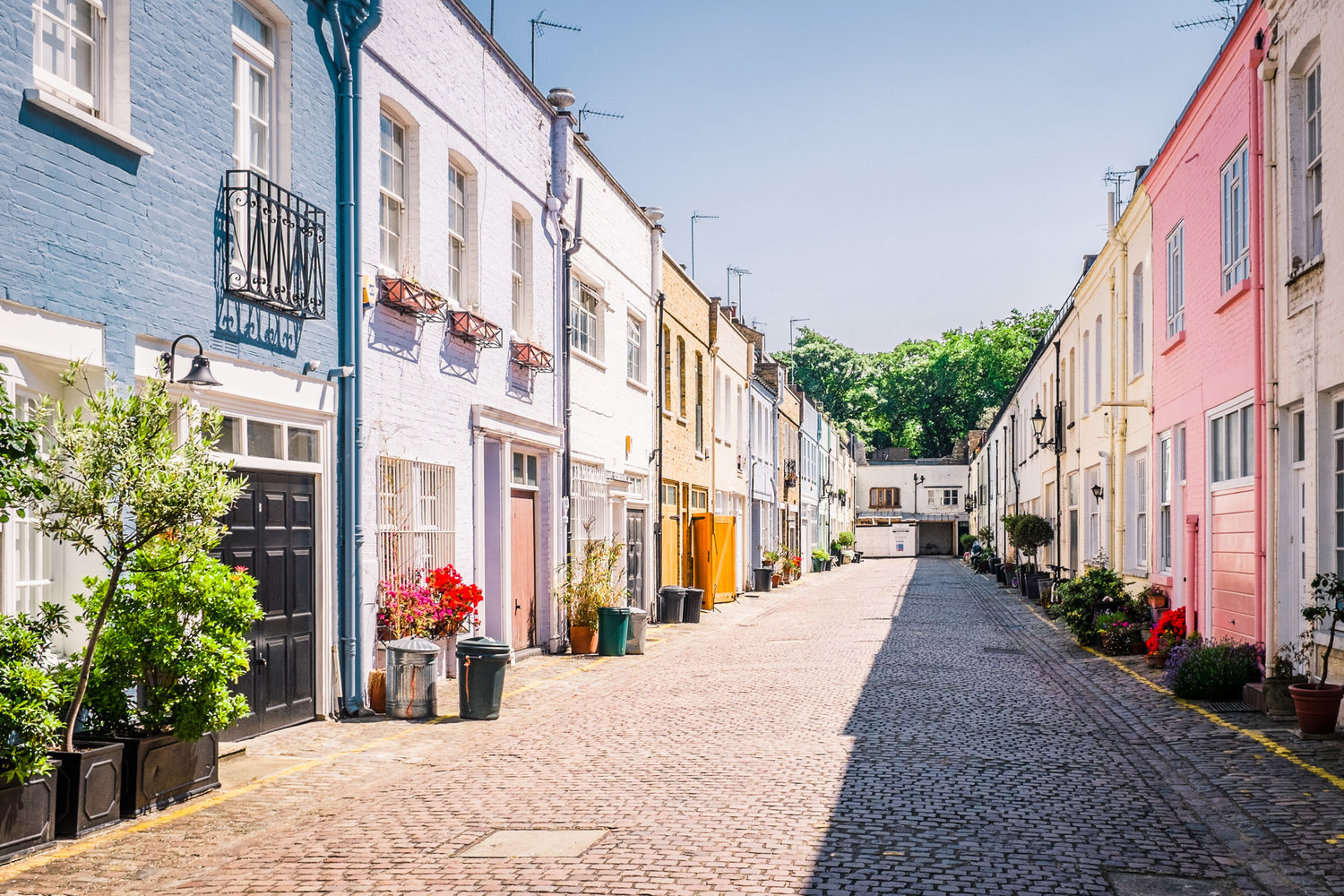
Moving to Hampstead represents a decision to embrace one of London's most culturally rich and architecturally distinguished neighbourhoods. Perched on one of the capital's highest points, this historic village combines verdant open spaces with Georgian elegance, literary heritage and an unshakeable sense of community. Whether you're relocating to Hampstead from abroad or across London, our team has prepared this comprehensive guide to help you understand what makes this NW3 enclave so exceptional—and whether it's the right choice for your next chapter.
The Hampstead Property Market: Prices and Availability
The Hampstead property landscape reflects its status as one of London's premier residential addresses. According to HM Land Registry data, the median property price stands at £846,750 based on 168 recent sales transactions, though this figure masks considerable variation across property types.
Flats dominate the market with 129 sales at a median of £750,000, offering accessible entry points into the area ranging from £198,000 to £2,850,000. Terraced homes command a median of £1,800,000 (19 sales), whilst semi-detached properties reach £4,800,000 across 11 transactions. The five detached home sales recorded a median of £4,200,000, with the upper end stretching to £12,925,000—testament to Hampstead's enduring appeal amongst discerning buyers.
For those considering rental options, ONS data reveals studio apartments ranging from £1,325 to £2,075 per month, one-bedroom properties between £1,750 and £2,725, and two-bedroom homes from £2,375 to £3,725. Family-sized accommodation commands higher premiums: three-bedroom properties range from £3,175 to £4,950 monthly, four-bedroom homes from £4,225 to £6,600, and five-bedroom residences from £5,550 to £8,675. Our team at Seymont London maintains an up-to-date portfolio of [properties for sale in Hampstead](/property-for-sale/hampstead) and can provide detailed market insights tailored to your requirements.
Hampstead council tax falls under the London Borough of Camden, with rates varying by property band. It's worth noting that many period properties fall into higher bands, so we recommend checking individual valuations early in your property search.
Transport Links and the Hampstead Commute
The Hampstead commute benefits from excellent connectivity despite the area's village-like atmosphere. Hampstead Underground station on the Northern Line (Edgware branch) sits famously as one of the deepest on the network, offering direct access to central London destinations including Leicester Square (14 minutes), King's Cross St Pancras (11 minutes) and the City via Bank and Moorgate.
Nearby stations expand your options considerably. West Hampstead—serving just under a mile away—functions as a crucial transport hub where the Jubilee Line, London Overground and Thameslink services converge. This tri-station interchange provides swift connections to Canary Wharf, St Pancras International for European services, and direct Thameslink routes to Gatwick Airport and Brighton. South Hampstead station on the London Overground offers an alternative route towards Stratford and East London.
Bus services blanket the area comprehensively, with routes 24, 46, 168, 268 and C11 among those serving Hampstead village itself, whilst West Hampstead benefits from additional services including the 139, 189 and 328. For drivers, the A41 Finchley Road provides a major arterial route, though we'd note that many residents actively embrace car-free living given the transport wealth available.
Cycling to central London proves surprisingly practical given Hampstead's elevation, with the descent into Camden and King's Cross offering a bracing morning commute and an admittedly challenging return journey. The area's position on London's northern heights does, however, reward with some of the capital's finest panoramic views.
Schools, Culture and Community Life
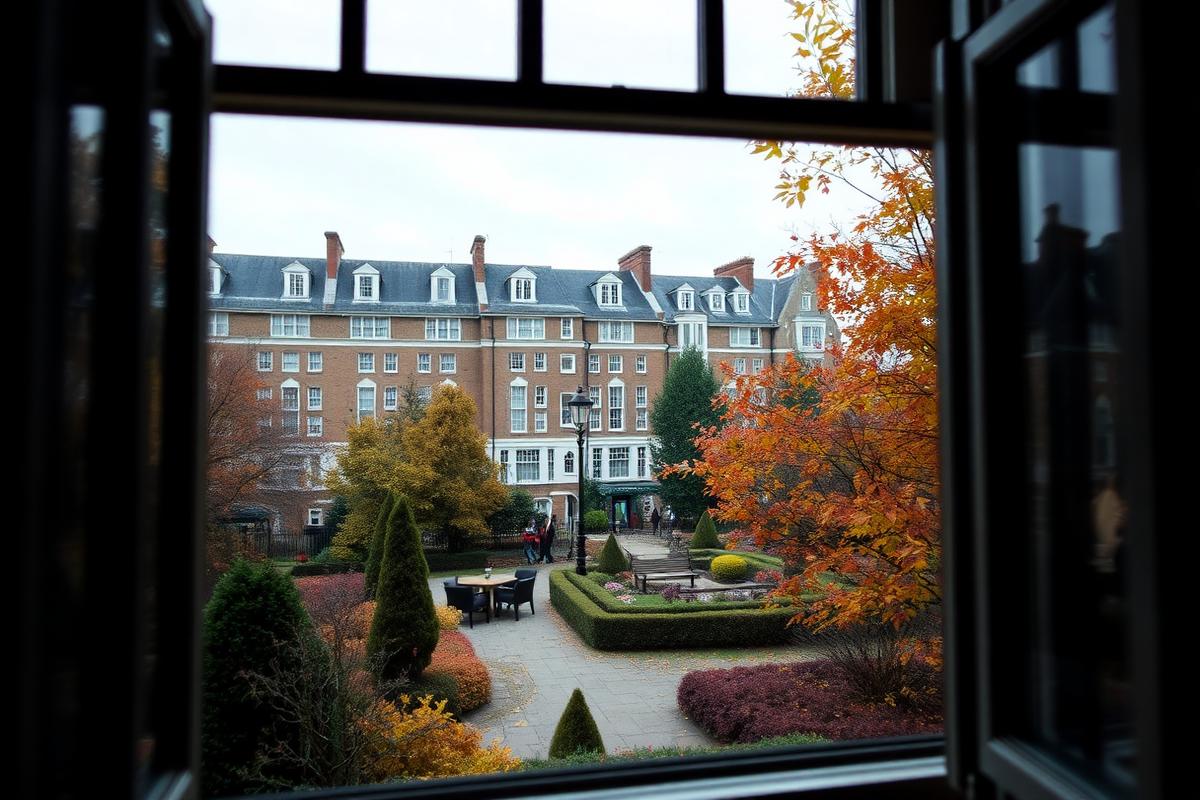
Education forms a cornerstone of Hampstead's family appeal. Outstanding state primaries including St Mary's Hampstead, Christ Church Primary and Hampstead Parochial Church of England School draw families across North London, whilst the renowned Hampstead School provides comprehensive secondary education with consistently strong results. The area also hosts an array of independent options, from preparatory schools through to University College School in nearby Frognal.
Cultural institutions pepper the neighbourhood with rare density. The Everyman Hampstead brings art-house cinema to the village centre, whilst Hampstead Theatre has launched numerous productions that transferred to the West End. Keats House—where the Romantic poet wrote 'Ode to a Nightingale'—offers a glimpse into literary history, and Fenton House (National Trust) preserves a merchant's residence complete with remarkable keyboard instrument collection.
Hampstead's independent retailers and food establishments create a distinctly village-oriented high street. La Crêperie de Hampstead has served since 1980, whilst Ginger & White coffee house anchors Perrin's Court with its legendary queues. The neighbourhood boasts several distinguished pubs including The Holly Bush—an 18th-century gem with open fires and literary associations—and The Spaniards Inn, a 16th-century coaching house on the Heath's edge where Keats, Byron and Shelley reportedly gathered.
The area's farmer's market (Saturdays at Hampstead Community Centre) and independent bookshops reinforce the intellectual, community-focused character that defines daily life here. Our [estate agents in Hampstead](/estate-agents/hampstead) maintain deep local knowledge and can introduce you to the neighbourhood's rhythms before you commit.
Talk to Seymont
What's your home worth?
A considered view on price, timing and how to bring your London home to market — a personal reply within 24 hours.
Your property
Step 1 of 2Hampstead Heath and Outdoor Living
No discussion of relocating to Hampstead would be complete without addressing the Heath—791 acres of ancient parkland that fundamentally shapes the area's identity. This isn't manicured green space; the Heath retains a wild, undulating character with woodlands, meadows and swimming ponds that create an almost countryside atmosphere within Zone 2.
The three bathing ponds (men's, women's and mixed) attract year-round devotees, including Christmas Day swimmers who brave the icy waters in a beloved local tradition. Parliament Hill, at the Heath's southern edge, delivers one of London's most spectacular viewpoints, stretching from the City's towers to the Surrey Hills beyond. It's also a favourite launch point for kite-flyers and a gathering spot for summer evenings.
Walking and running routes crisscross the Heath endlessly, from gentle strolls around the Vale of Health pond to more vigorous climbs through the western woodlands. The Heath's ecology supports remarkable biodiversity for central London—more than 180 bird species have been recorded—and the conservation work ensures its character endures for future generations.
Hampstead Village itself climbs steep, winding streets lined with Georgian and Victorian townhouses, their front gardens contributing to the verdant atmosphere. Flask Walk, once home to a spa, now hosts boutiques and cafés in premises that retain period charm. The village's hilly topography discourages through-traffic and creates a genuine sense of separation from urban London, despite sitting barely four miles from Trafalgar Square.
Practical Considerations When Moving to Hampstead
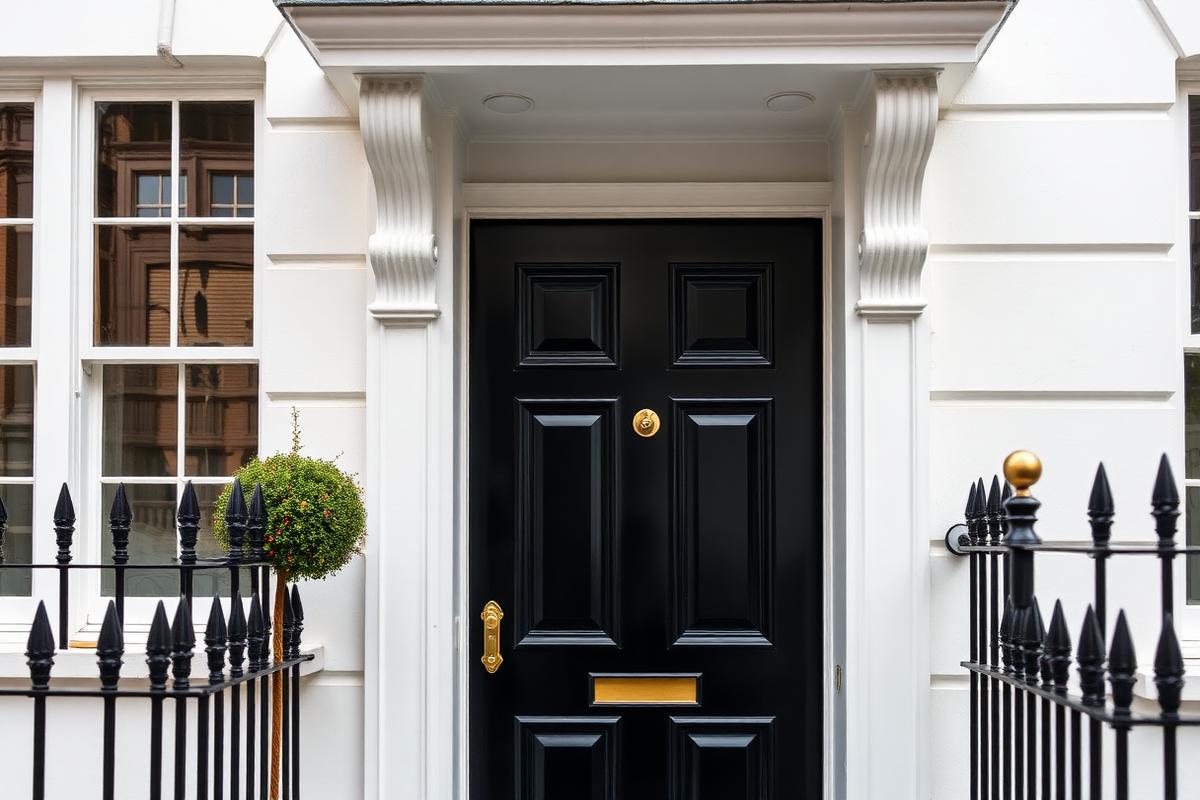
Several practical factors deserve consideration before committing to Hampstead. Property prices naturally reflect the area's desirability, and competition for the finest homes—particularly those with Heath views or garden access—remains consistently fierce. The [house prices in Hampstead](/house-prices/hampstead) vary dramatically by street and outlook, making expert local valuation essential.
Parking presents challenges in the village centre, where residents' permits face high demand and many period properties lack off-street provision. The narrow, often cobbled streets that add to Hampstead's character can complicate deliveries and removals—something to factor into your moving logistics.
For landlords considering the area, Hampstead's rental market shows consistent demand from professionals, academics and families prioritising schools and quality of life over maximum space. Our [property letting services](/let-your-property/hampstead) can guide you through Camden's licensing requirements and help position your property effectively.
Local amenities are abundant but decidedly upmarket—you'll find artisan bakeries rather than budget supermarkets, though larger stores operate in West Hampstead and Swiss Cottage. This shapes the cost of living beyond just housing, creating an overall premium lifestyle proposition.
The neighbourhood attracts a particular demographic: professionals in creative and intellectual fields, established families, and those who prioritise culture, green space and village community over maximum square footage or cutting-edge modernity. Understanding whether you align with this ethos proves crucial to long-term satisfaction here.
Talk to Seymont
What's your home worth?
A considered view on price, timing and how to bring your London home to market — a personal reply within 24 hours.
Your property
Step 1 of 2About the author
Nina CastellanoInvestment Property Advisor
Nina advises landlords and investors on rental yields, tenant demand and portfolio structure across Greater London, after running lettings and management at Bellhouse Property Partners. She has overseen single units and multi-property portfolios, and works through compliance, void periods and running costs before a purchase is agreed. Her articles deal with the numbers behind a buy-to-let rather than the headline gross yield.
Lettings and portfolio management · 9 years in London rentals
- Buy-to-let
- Rental yields
- Portfolio strategy
- Landlord compliance
Frequently asked
- Is Hampstead a good area to live in London?
- Hampstead consistently ranks among London's most desirable neighbourhoods, offering exceptional green space via the Heath, outstanding schools, rich cultural heritage, excellent transport links and a genuine village atmosphere. The combination of Georgian architecture, intellectual community and proximity to central London creates a distinctive living environment. However, property prices reflect this desirability, with median values of £846,750 (HM Land Registry) positioning it as a premium choice requiring careful financial planning.
- What is the difference between Hampstead, West Hampstead and South Hampstead?
- Hampstead refers to the historic village around NW3, characterised by the Heath, period architecture and elevated position. West Hampstead sits approximately one mile southwest, functioning as a more urban, transport-focused neighbourhood where the Jubilee Line, Overground and Thameslink meet—generally offering more accessible property prices. South Hampstead occupies the area between the two, blending residential streets with proximity to both the village character and West Hampstead's transport connectivity. Each has distinct personalities whilst sharing the broader Hampstead postcode area.
- How long does it take to commute from Hampstead to central London?
- From Hampstead Underground station (Northern Line), you can reach Leicester Square in approximately 14 minutes and King's Cross St Pancras in 11 minutes. The City is accessible via Bank or Moorgate within 20-25 minutes. West Hampstead's transport hub offers alternative routes: the Jubilee Line reaches Bond Street in 12 minutes, whilst Thameslink provides direct services to Farringdon, City Thameslink and London Bridge. Bus services also connect comprehensively to Camden, Swiss Cottage and beyond.
- What are rental prices like in Hampstead?
- According to ONS data, Hampstead rental prices range from £1,325-£2,075 monthly for studios, £1,750-£2,725 for one-bedroom properties, and £2,375-£3,725 for two-bedroom homes. Family accommodation commands £3,175-£4,950 for three bedrooms, £4,225-£6,600 for four bedrooms, and £5,550-£8,675 for five-plus bedrooms. Prices vary significantly based on proximity to the Heath, property condition, outdoor space and specific street location.
- Are there good schools in Hampstead?
- Hampstead offers exceptional educational provision at all levels. Outstanding state primaries include St Mary's Hampstead, Christ Church Primary and Hampstead Parochial CE School, whilst Hampstead School provides highly-regarded comprehensive secondary education. The area also hosts numerous independent schools, including preparatory schools and University College School in Frognal. This concentration of quality education represents a primary driver for families relocating to the area, though admissions to the most sought-after state schools require careful attention to catchment zones.