Journal
Moving to Greenwich: The Complete Guide
Written by Thomas Lindqvist · Mortgage & Financing Specialist
Published 21 June 2026 · Updated 11 July 2026 · 7 min read
The short answer
Moving to Greenwich offers the rare combination of maritime heritage, royal parkland and excellent London connections. This UNESCO World Heritage Site on the Thames has evolved into one of the capital's most sought-after residential areas, attracting professionals, families and retirees who value both greenery and accessibility.
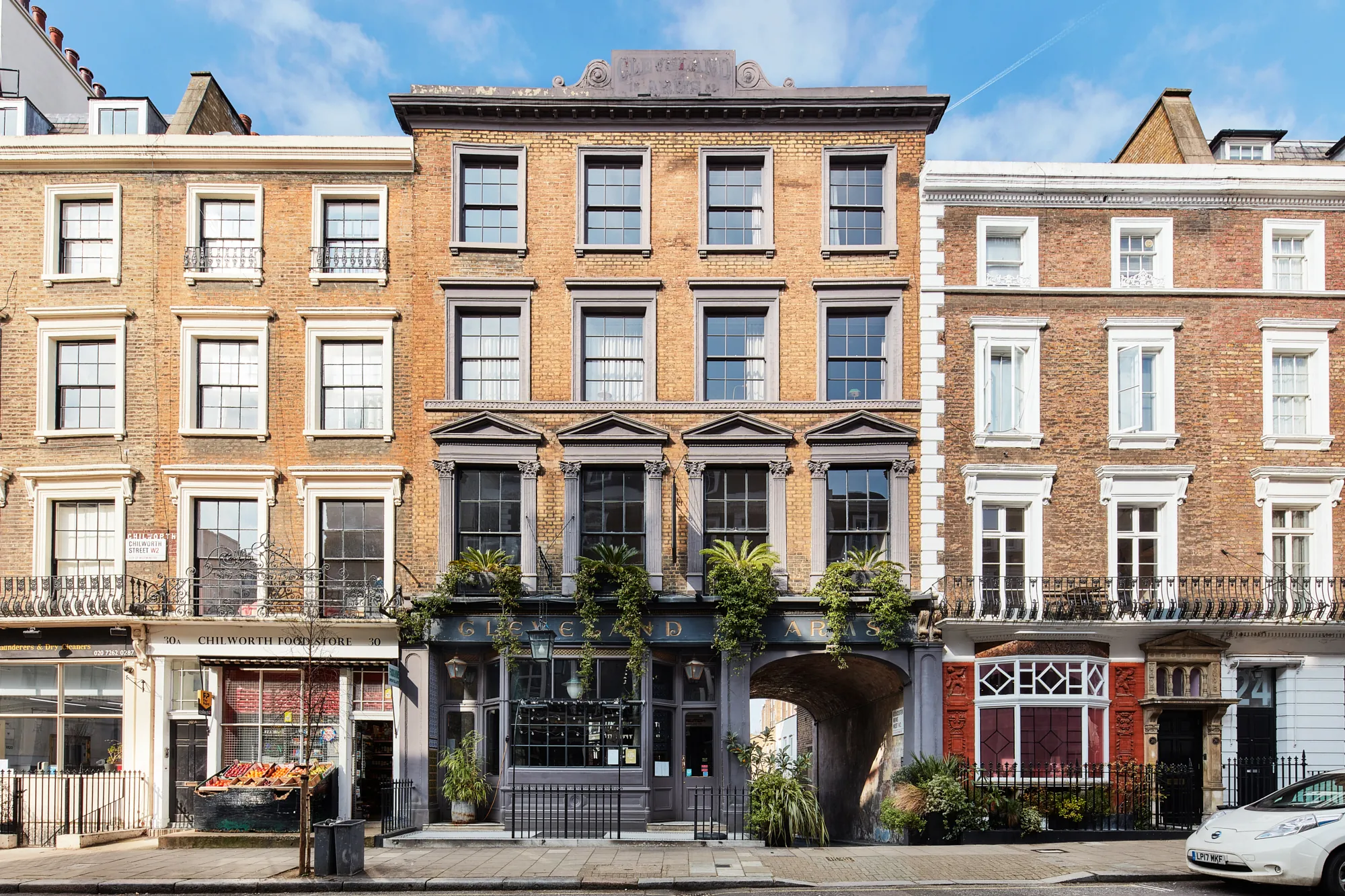
Moving to Greenwich offers the rare combination of maritime heritage, royal parkland and excellent London connections. This UNESCO World Heritage Site on the Thames has evolved into one of the capital's most sought-after residential areas, attracting professionals, families and retirees who value both greenery and accessibility. Whether you're relocating to Greenwich from elsewhere in London or moving to the capital for the first time, this riverside borough presents compelling advantages. Our team at Seymont London has guided countless buyers and tenants through the Greenwich property market, and we've compiled this comprehensive guide to help you understand what makes this historic area such an attractive place to call home.
Understanding the Greenwich Property Market
According to HM Land Registry data, the median property price in Greenwich stands at £500,000, reflecting the area's appeal to a diverse range of buyers. With 187 recorded sales, flats dominate the market at 116 transactions with a median price of £423,750, making them the most accessible entry point for first-time buyers and investors alike. The flat market ranges from £119,000 at the lower end to £1,000,000 for premium waterfront apartments, offering considerable choice across different budgets.
Terraced houses command a median price of £806,500 across 58 sales, with prices spanning from £250,000 to £2,310,000 depending on location, period features and proximity to Greenwich Park. Semi-detached properties, though rarer with just three sales recorded, achieved a median of £748,000, whilst the two detached houses sold reached a median of £1,312,500. This diversity in property types reflects Greenwich's architectural variety, from Georgian townhouses near the Royal Observatory to contemporary riverside developments.
For those considering renting rather than purchasing, ONS rental data shows studios ranging from £775 to £1,225 per calendar month, whilst one-bedroom properties command between £1,025 and £1,625. Two-bedroom flats and houses range from £1,425 to £2,200, three-bedroom properties from £1,875 to £2,950, and larger family homes with four bedrooms fall between £2,525 and £3,925 monthly. Five-bedroom properties and above reach £3,300 to £5,150, catering to families seeking substantial space within Zone 2.
Our [property listings in Greenwich](/property-for-sale/greenwich) showcase the full spectrum of available homes, whilst our detailed [Greenwich house prices analysis](/house-prices/greenwich) provides current market trends and historical performance data to inform your decision-making.
The Greenwich Commute: Transport Connections
The Greenwich commute ranks amongst the most straightforward in southeast London, with multiple transport options serving the area. Greenwich Station provides National Rail services to London Bridge in just 12 minutes, Cannon Street in 15 minutes, and Charing Cross in 18 minutes, making it ideal for those working in the City or West End. North Greenwich station on the Jubilee line offers even faster connections, reaching Canary Wharf in six minutes and Bond Street in 20 minutes, positioning the area perfectly for financial services professionals.
The Docklands Light Railway (DLR) serves Cutty Sark and Greenwich stations with frequent services to Bank, Canary Wharf and Stratford, whilst Lewisham's DLR and National Rail interchange sits just one stop away. The Thames Clipper river bus service from Greenwich Pier provides a scenic alternative route to central London, stopping at Embankment, Blackfriars and London Bridge, transforming the daily commute into a genuinely enjoyable experience.
Road connections include the A2 and Blackwall Tunnel for those driving, though we observe that many residents relocating to Greenwich specifically choose the area for its public transport provision, allowing them to reduce car dependency. The forthcoming Silvertown Tunnel will further enhance cross-river connectivity when completed, whilst Cycle Superhighway 4 and the Thames Path offer traffic-free routes for cycling commuters.
Greenwich Lifestyle: Parks, Culture and Community
Greenwich Park's 180 acres of Royal Parkland define the area's character, offering residents unparalleled green space within Zone 2. The park's elevated position provides panoramic views across the Thames to the City skyline, whilst the Prime Meridian Line, Royal Observatory and Peter Harrison Planetarium sit within its boundaries. For families moving to Greenwich, the park's playgrounds, deer enclosures and weekend picnic spots become integral to daily life, whilst the adjacent National Maritime Museum and Queen's House provide world-class culture on the doorstep.
Greenwich Market, operating since 1737, remains the social heart of the area, with independent food vendors, antique dealers and craft makers trading Thursday through Sunday. The surrounding conservation area along Greenwich Church Street and College Approach features independent restaurants, gastro-pubs and boutiques that distinguish Greenwich from more commercialised London neighbourhoods. The Old Royal Naval College's classical architecture provides a stunning backdrop to riverside walks, whilst hosting regular concerts, festivals and the popular Greenwich Market events.
The area's cultural calendar includes the Greenwich+Docklands International Festival each June, open-air theatre in the park during summer, and the Christmas lights along Greenwich High Road. The Picturehouse Cinema, Greenwich Theatre and Up the Creek comedy club provide year-round entertainment, whilst the O2 Arena at North Greenwich hosts major concerts and sporting events. This combination of heritage, greenery and contemporary culture creates a lifestyle that feels distinctly removed from central London's intensity whilst remaining comprehensively connected.
Talk to Seymont
What's your home worth?
A considered view on price, timing and how to bring your London home to market — a personal reply within 24 hours.
Your property
Step 1 of 2Practical Considerations: Schools, Healthcare and Greenwich Council Tax
Families relocating to Greenwich benefit from strong educational provision across both primary and secondary levels. Outstanding-rated primaries include Halstow Primary, South Rise Primary and James Wolfe Primary, whilst St Ursula's Convent School and John Roan School serve secondary pupils with excellent reputations. The presence of Greenwich Steiner School and numerous private nurseries provides additional choice for parents prioritising specific educational philosophies.
Healthcare services centre on Queen Elizabeth Hospital in Woolwich, with several GP practices throughout Greenwich itself including the Village Practice and Vanbrugh Group Practice. The area benefits from good NHS dental provision alongside private alternatives, whilst pharmacies and opticians cluster along Greenwich High Road and in the covered market area.
Greenwich council tax falls within the Royal Borough of Greenwich's jurisdiction, with Band D properties currently paying £1,707.72 for 2024/25 (rates subject to annual review). This positions Greenwich competitively against neighbouring boroughs, particularly given the area's Zone 2 location and comprehensive local services. The Royal Borough provides weekly refuse collection, fortnightly recycling, and maintains the area's numerous parks and public spaces to high standards.
Local amenities include several supermarkets along Greenwich High Road from Waitrose to Sainsbury's, plus the twice-weekly Greenwich Market food section offering organic produce and artisan goods. The riverside Cutty Sark Gardens and Greenwich Peninsula's emerging restaurant scene provide diverse dining options, whilst traditional pubs like The Old Brewery and The Gipsy Moth retain their historic character. For property investors, our [letting service in Greenwich](/let-your-property/greenwich) can help maximise returns in this consistently popular rental market.
Different Greenwich Neighbourhoods
Greenwich encompasses several distinct micro-neighbourhoods, each with particular characteristics. The area immediately surrounding Greenwich Park and the World Heritage Site commands premium prices for its Georgian and Victorian architecture, proximity to the park gates, and conservation area protections. Properties along Croom's Hill and Gloucester Circus represent the pinnacle of period Greenwich living, with substantial townhouses overlooking parkland.
North Greenwich has transformed dramatically through Peninsula regeneration, with modern apartment blocks offering river views, balconies and new-build specifications appealing to young professionals. The area's proximity to the O2 and Jubilee line creates a more urban, high-rise character distinct from historic Greenwich, typically offering better value per square foot with contemporary amenities including gyms, concierges and residents' lounges.
The streets between Greenwich High Road and the Thames – including Norman Road, Straightsmouth and Gloucester Street – provide attractive Victorian terraces with good transport access and local shops, representing Greenwich's residential heartland. These tree-lined roads balance heritage character with practical family living, often featuring small front gardens and original period details alongside modern extensions.
Westcombe Park and Maze Hill, technically within Greenwich borough, offer quieter residential streets with their own station stops, larger gardens and a more village-like atmosphere. These areas attract families seeking space and tranquillity whilst maintaining Greenwich's broader advantages, with properties often achieving slightly lower prices than the prime conservation areas whilst retaining strong transport links and park access.
Making Your Move to Greenwich
The process of moving to Greenwich begins with understanding your priorities: period charm or modern specifications, proximity to the park or river, rental flexibility or property ownership. Our team at Seymont London works across the entire borough, providing local expertise that helps match buyers and tenants with appropriate properties based on genuine requirements rather than simple price points.
We recommend visiting Greenwich multiple times across different days and times before committing – experience the weekend market buzz, test your prospective commute during rush hour, and explore the park on a weekday afternoon. Each neighbourhood reveals different characteristics throughout the week, and understanding these rhythms helps ensure your chosen location matches your lifestyle expectations.
For buyers, engaging a solicitor familiar with Greenwich's conservation areas and listed buildings proves essential, particularly when purchasing period properties that may carry specific restrictions or require specialist surveys. The leasehold structure of many flats demands careful examination of service charges, ground rent and remaining lease terms, whilst riverside developments may include additional estate management fees that affect long-term costs.
Our [Greenwich estate agency team](/estate-agents/greenwich) provides comprehensive support throughout the moving process, from initial viewings through to completion and beyond. Whether you're purchasing a studio flat in North Greenwich or renting a family house near the park, we ensure you understand the market context, realistic pricing and local nuances that make Greenwich such a rewarding place to live. The combination of heritage, greenery, culture and connectivity creates a genuinely distinctive London neighbourhood, and we're committed to helping you find your place within it.
Talk to Seymont
What's your home worth?
A considered view on price, timing and how to bring your London home to market — a personal reply within 24 hours.
Your property
Step 1 of 2About the author
Thomas LindqvistMortgage & Financing Specialist
Thomas advised buyers for a decade at Ashgrove Financial, an independent brokerage, on borrowing capacity, product selection and the full cost of a purchase, including stamp duty, legal fees and lender charges. He follows rate decisions and lender criteria changes and translates them into what a household can realistically afford. His guides cover affordability, remortgaging and the closing costs that buyers routinely underestimate.
CeMAP qualified · Whole-of-market mortgage advice background
- Mortgages
- Affordability
- Closing costs
- Remortgaging
Frequently asked
- Is Greenwich a good area to live in London?
- Greenwich ranks amongst London's most desirable residential areas, combining UNESCO World Heritage status, 180 acres of Royal Parkland, excellent Zone 2 transport links and strong community feel. The area offers diverse property types from modern riverside apartments to Georgian townhouses, outstanding schools, rich cultural amenities including the National Maritime Museum and O2 Arena, plus the practical advantage of multiple commute options to central London and Canary Wharf. The balance of greenery, heritage and connectivity makes it particularly appealing to families and professionals seeking quality of life alongside accessibility.
- How much does it cost to rent in Greenwich?
- According to ONS data, rental costs in Greenwich range from £775-£1,225 monthly for studios, £1,025-£1,625 for one-bedroom properties, £1,425-£2,200 for two bedrooms, and £1,875-£2,950 for three-bedroom homes. Four-bedroom properties command £2,525-£3,925, whilst five-bedroom houses reach £3,300-£5,150 per calendar month. Prices vary significantly based on property condition, proximity to Greenwich Park or the river, and whether the home is period or new-build, with North Greenwich apartments typically offering better value than conservation area houses.
- What is the commute like from Greenwich to central London?
- Greenwich offers multiple commuting options with National Rail services reaching London Bridge in 12 minutes, the Jubilee line from North Greenwich connecting to Bond Street in 20 minutes, and DLR services to Bank and Canary Wharf. Thames Clipper river buses provide scenic routes to Embankment and London Bridge, whilst the proximity of Lewisham interchange adds further connectivity. This transport diversity means most central London destinations sit within 25 minutes' journey time, positioning Greenwich as one of southeast London's best-connected residential areas for City and West End workers.
- What are property prices like in Greenwich?
- HM Land Registry data shows Greenwich's median property price at £500,000, with flats achieving a median of £423,750 (ranging from £119,000 to £1,000,000) and terraced houses at £806,500 (£250,000 to £2,310,000). Semi-detached properties median at £748,000, whilst the limited detached house market reaches around £1,312,500. These figures reflect Greenwich's Zone 2 location, heritage appeal and strong transport links, with prices varying considerably between North Greenwich's modern developments and the conservation areas surrounding Greenwich Park where period properties command premiums.
- What council tax band is typical for Greenwich properties?
- Greenwich falls under the Royal Borough of Greenwich, with Band D council tax currently set at £1,707.72 for 2024/25. Most one and two-bedroom flats fall into Bands A-C (£1,138.48-£1,517.96), whilst larger flats and terraced houses typically sit in Bands D-E (£1,707.72-£2,087.48). Substantial period houses near the park or detached properties may reach Bands F-H (£2,467.24-£3,415.44). The borough provides weekly refuse collection, maintains extensive parkland and delivers comprehensive local services, making Greenwich's council tax rates competitive for a Zone 2 London location with such strong amenities.