Journal
Average Rent in Greenwich: A Comprehensive Guide for Tenants and Landlords
Written by Amara Bennett · Property Market Analyst
Published 14 July 2026 · Updated 29 July 2026 · 6 min read
The short answer
Greenwich stands as one of London's most distinctive rental markets, where maritime heritage meets modern riverside living. Understanding the average rent in Greenwich has become essential for both prospective tenants seeking their next home and landlords evaluating investment opportunities in this Royal Borough.
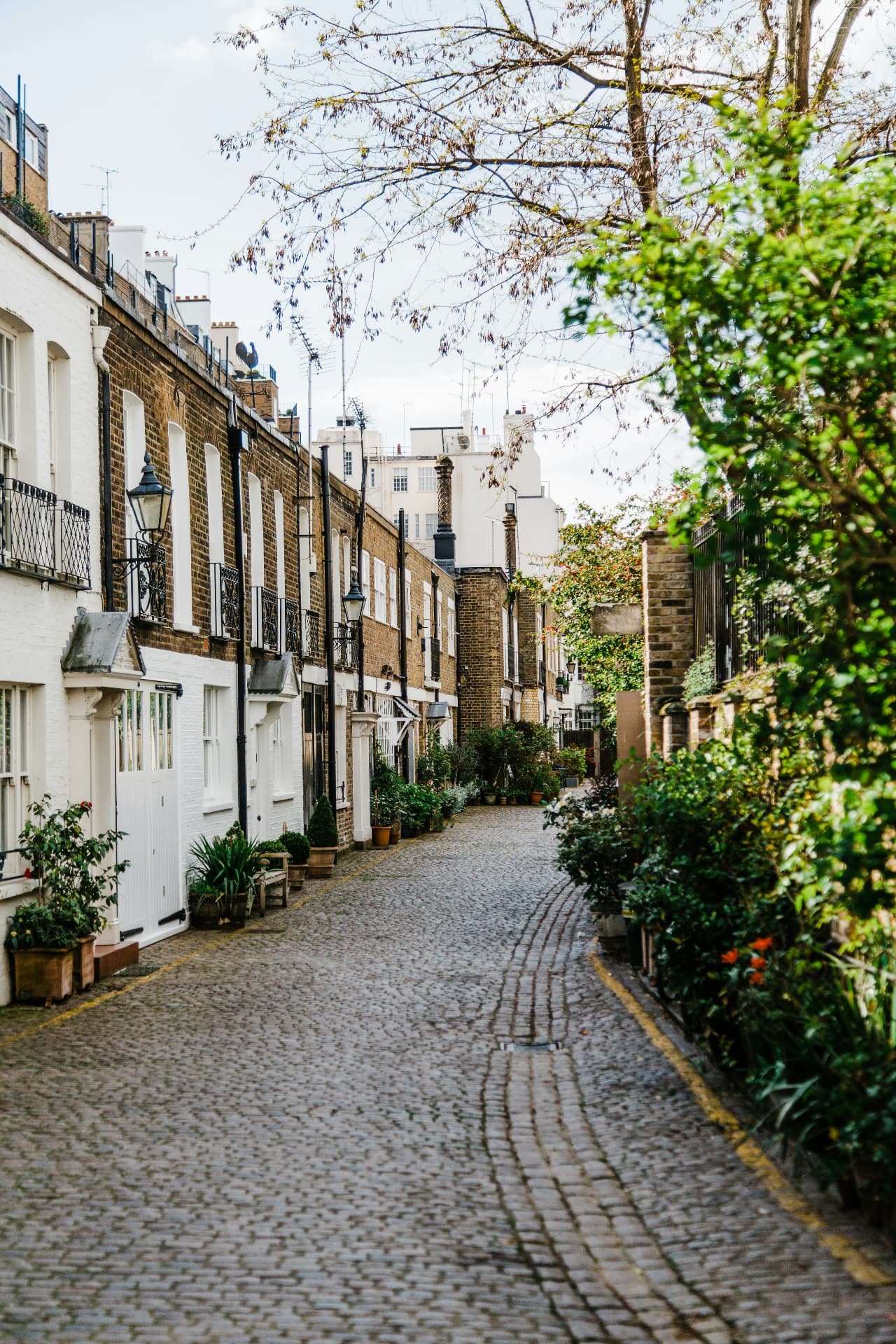
Greenwich stands as one of London's most distinctive rental markets, where maritime heritage meets modern riverside living. Understanding the average rent in Greenwich has become essential for both prospective tenants seeking their next home and landlords evaluating investment opportunities in this Royal Borough. Our team has analysed the latest data from HM Land Registry and the Office for National Statistics to provide you with a definitive picture of Greenwich rent prices across different property types and postcodes. Whether you're drawn to the cultural landmarks around Greenwich High Road, the regenerated waterfront of North Greenwich, or the residential enclaves tucked between parkland and the Thames, this guide will help you navigate the rental landscape with confidence.
Current Rental Price Ranges Across Greenwich
The rental market in Greenwich offers options spanning every budget and lifestyle requirement. According to the latest ONS data, studio apartments command monthly rents between £775 and £1,225, providing an accessible entry point for young professionals and students drawn to the area's excellent transport links and vibrant cultural scene.
One-bedroom properties typically range from £1,025 to £1,625 per month, reflecting the diversity of accommodation available—from period conversions near the Royal Observatory to contemporary apartments overlooking the O2 Arena. Two-bedroom homes, increasingly popular with sharers and young families, sit between £1,425 and £2,200 monthly, whilst three-bedroom properties command £1,875 to £2,950.
For those seeking more substantial family accommodation, four-bedroom homes range from £2,525 to £3,925 per month, with five-bedroom and larger properties starting at £3,300 and reaching £5,150. These premium rentals often feature period characteristics, private gardens, and proximity to Greenwich's outstanding schools and green spaces.
The variation within each category reflects Greenwich's distinct micro-markets, from the bustling regeneration zones near North Greenwich station to the quieter, village-like streets of Westcombe Park and Blackheath borders. Understanding how much is rent in Greenwich requires consideration of not just bedroom count but also property condition, outdoor space, and proximity to the DLR and Jubilee line stations that make central London readily accessible.
Greenwich Rental Yields and Investment Performance
For landlords evaluating Greenwich rental yields, the borough presents compelling opportunities when property purchase prices are weighed against achievable rents. Recent HM Land Registry data shows a median sales price of £500,000 across 187 transactions, with flats—the dominant property type—recording a median of £423,750 across 116 sales.
When we calculate potential yields using current rental data, a typical two-bedroom flat purchased at the median price and let at £1,800 per month would generate an annual gross yield of approximately 5.1%. This compares favourably with many Zone 2 and 3 locations, particularly given Greenwich's ongoing regeneration and infrastructure improvements.
Terraced houses, which sold for a median of £806,500 across 58 transactions, offer different investment dynamics. A three-bedroom terraced property let at £2,400 monthly would yield roughly 3.6% gross—lower in percentage terms but often appealing to landlords seeking family tenants and longer-term stability. The spread between minimum (£250,000) and maximum (£2,310,000) terraced prices demonstrates the borough's economic diversity.
Semi-detached and detached properties remain relatively scarce, with just five combined sales recorded, reflecting Greenwich's predominantly Victorian and Edwardian terraced character interspersed with modern flatted developments. Our experience suggests that well-presented properties near Blackheath or with river views command premiums that can justify the higher entry costs for landlords focused on capital appreciation alongside rental income.
Neighbourhood Variations: From North Greenwich to Greenwich Peninsula
Greenwich's rental market cannot be understood as a single entity—the variations between neighbourhoods significantly impact both rental values and tenant demographics. North Greenwich, transformed by the Millennium Dome's rebirth as the O2, now hosts thousands of modern apartments within the Greenwich Peninsula regeneration zone. These contemporary builds typically attract young professionals and couples who prioritise new-build specifications, concierge services, and immediate access to the Jubilee line.
The historic heart around Greenwich High Road and the town centre commands its own premium, where period charm meets the practicality of the Cutty Sark DLR station, Greenwich Market, and the concentration of independent shops and restaurants. Rental properties here range from converted Georgian townhouses to purpose-built Victorian mansion blocks, appealing to tenants who value character and a genuine sense of place.
Westcombe Park and Maze Hill offer quieter, more residential alternatives with strong community atmospheres and direct rail links to Cannon Street and London Bridge. These areas often attract families and established professionals seeking more space and greenery without sacrificing connectivity. Properties here may sit at the lower end of Greenwich rent prices for equivalent sizes, representing value for tenants prioritising quality of life over proximity to nightlife.
The eastern reaches towards Charlton and western borders with Deptford each carry distinct characteristics, with rental values generally decreasing as distance from central Greenwich and premium transport nodes increases. However, ongoing Crossrail developments and continued investment in the Royal Borough suggest these differentials may narrow as the area's overall desirability grows.
Talk to Seymont
What's your home worth?
A considered view on price, timing and how to bring your London home to market — a personal reply within 24 hours.
Your property
Step 1 of 2What Influences Rental Pricing in Greenwich
Several factors beyond simple property size determine where individual rentals fall within the pricing ranges we've outlined. Transport connectivity ranks paramount—properties within a ten-minute walk of North Greenwich, Cutty Sark DLR, or Greenwich mainline station consistently command premiums of 15-20% over comparable homes requiring bus connections or longer walks.
Outdoor space has become increasingly valuable, particularly since shifting work patterns have made home working commonplace. A modest private garden or even a sizeable balcony can add £150-300 monthly to achievable rents, whilst ground-floor flats with direct garden access in period conversions often outperform higher floors despite traditional preferences for elevation.
Property condition and recent refurbishment dramatically impact rental values. Newly renovated kitchens and bathrooms, contemporary neutral decoration, and modern conveniences like washing machines and dishwashers are now expected rather than optional for properties targeting the upper ranges. Conversely, tired interiors requiring tenant compromise typically sit at the lower boundaries of each category, regardless of location advantages.
School catchment areas exert powerful influence on family-sized properties, with homes within the priority zones for outstanding primary and secondary schools achieving rents at or above the top of their categories. Greenwich's reputation for educational excellence, combined with its abundance of green space—from Greenwich Park to Blackheath—makes it particularly attractive to families who might otherwise look to outer suburbs, sustaining demand and supporting rental growth.
Navigating Greenwich's Rental Market
For prospective tenants seeking houses to rent in Greenwich, preparation and realistic expectations prove essential in a competitive market. The most desirable properties—those combining location, condition, and value—typically receive multiple applications within days of listing. We recommend that serious applicants have references, proof of income, and deposit funds readily available to move quickly when the right opportunity appears.
Understanding your priorities helps focus the search effectively. If you need to be in North Greenwich for work at Canary Wharf, the premium for proximity may prove worthwhile when weighed against commuting time and costs. Conversely, if you work flexibly and value space over location, exploring the quieter residential pockets can yield significantly more accommodation for equivalent monthly outlay.
Landlords considering letting property in Greenwich benefit from strong, sustained tenant demand across all property types. The borough's combination of heritage appeal, cultural amenities, parkland, and connectivity creates a broad tenant base from young professionals to established families. Working with experienced local agents who understand the nuances of Greenwich rent prices across different micro-markets ensures properties are positioned correctly and void periods minimised.
Our <a href="/estate-agents/greenwich">Greenwich estate agency team</a> maintains deep knowledge of rental values street by street, informed by daily market activity rather than quarterly statistics. Whether you're searching for your next home or evaluating investment opportunities in the borough's <a href="/property-for-sale/greenwich">property market</a>, local expertise helps navigate the premium segments and identify genuine value. For landlords, our <a href="/let-your-property/greenwich">property letting services</a> combine competitive fees with the market knowledge that achieves optimal rents whilst securing quality, long-term tenants.
Talk to Seymont
What's your home worth?
A considered view on price, timing and how to bring your London home to market — a personal reply within 24 hours.
Your property
Step 1 of 2About the author
Amara BennettProperty Market Analyst
Amara spent seven years as a market analyst at Kestrel Lane Research, a small London property consultancy, before joining our editorial desk. She reads sold-price and rental data street by street to explain how individual London postcode districts actually behave, and reviews every price figure we publish. Her focus is separating headline national averages from what a specific address is worth today.
MSc Real Estate Economics · Seven years in property market research
- Valuations
- Local market data
- Sold prices
- Pricing strategy
Frequently asked
- What is the average rent for a two-bedroom flat in Greenwich?
- Two-bedroom flats in Greenwich typically rent for between £1,425 and £2,200 per month, according to ONS data. The variation depends on factors including exact location (North Greenwich commanding premiums over areas further from transport hubs), property condition, outdoor space, and proximity to stations. Modern apartments near the O2 and Greenwich Peninsula tend toward the upper range, whilst older conversions in less central locations sit toward the lower boundary.
- Is Greenwich a good area for rental investment?
- Greenwich offers attractive rental investment opportunities with gross yields typically ranging from 4-6% depending on property type and location. The median flat price of £423,750 (HM Land Registry) combined with strong rental demand creates solid returns. The borough benefits from ongoing regeneration, excellent transport links via Jubilee line, DLR and mainline rail, outstanding schools, and cultural appeal—all factors supporting sustained tenant demand and potential for capital appreciation alongside rental income.
- How much cheaper is rent in Greenwich compared to central London?
- Greenwich typically offers 25-40% savings compared to Zone 1 locations like Westminster or Kensington, whilst providing comparable (sometimes superior) transport connectivity. A one-bedroom flat that might cost £2,200-2,800 in Southwark or Tower Hamlets can be found for £1,025-1,625 in Greenwich. This value proposition, combined with the borough's heritage, parks, and riverside location, makes it particularly attractive to tenants seeking quality of life without the premium pricing of more central postcodes.
- Which areas of Greenwich offer the best value for renters?
- Westcombe Park, Maze Hill, and the eastern areas towards Charlton typically offer the best value within Greenwich, with rents sitting 10-20% below equivalent properties in North Greenwich or the historic town centre. These neighbourhoods provide good train connections, community atmospheres, and access to Greenwich's amenities whilst commanding lower premiums. Tenants prioritising space and quiet residential character over immediate proximity to the O2 or Greenwich Market often find superior value in these areas.
- How competitive is the Greenwich rental market?
- Greenwich's rental market is moderately to highly competitive, particularly for well-presented properties near transport links and within good school catchments. Desirable homes typically receive multiple enquiries within 24-48 hours of listing, with the best examples securing tenants within a week. Competition intensifies during peak moving seasons (September and January) and for properties offering exceptional value. Prospective tenants should be prepared with references and funds ready, whilst landlords benefit from strong demand that minimises void periods when properties are priced correctly.