Journal
The Cost of Living in Greenwich
Written by Julian Reyes · Licensed Real Estate Agent
Published 3 February 2026 · Updated 18 June 2026 · 6 min read
The short answer
Greenwich has long captured the imagination of Londoners seeking a distinctive blend of maritime heritage, royal parkland and contemporary riverside living. Yet understanding the full cost of living in Greenwich requires looking beyond property prices alone.
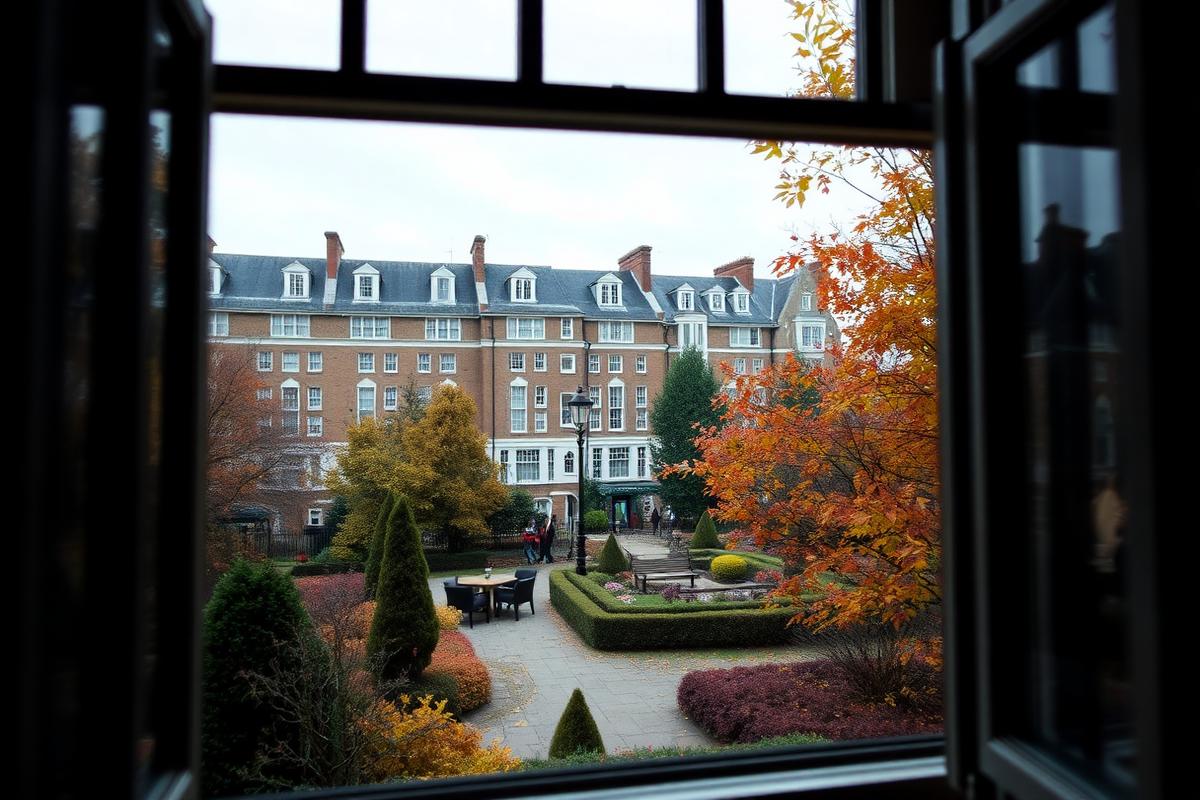
Greenwich has long captured the imagination of Londoners seeking a distinctive blend of maritime heritage, royal parkland and contemporary riverside living. Yet understanding the full cost of living in Greenwich requires looking beyond property prices alone. From council tax bands to service charges on modern developments, transport expenditure to everyday essentials, we've assembled a comprehensive picture of what it truly costs to call this UNESCO World Heritage site home. Our team works across every corner of the borough, and we've gathered the latest data to help you budget accurately for life in SE10.
Property Prices: What You'll Pay to Buy in Greenwich
According to HM Land Registry data, the median property price in Greenwich stands at £500,000 across 187 recorded sales. This figure masks considerable variation depending on property type and precise location, making Greenwich an area where careful neighbourhood selection can significantly impact your housing costs.
Flats dominate the market, accounting for 116 of these transactions, with a median price of £423,750. Prices ranged from £119,000 to £1,000,000, reflecting everything from compact studios in converted buildings to expansive riverside apartments with Thames views. Terraced houses command a median of £806,500 across 58 sales, with prices spanning £250,000 to £2,310,000—the upper end typically representing substantial family homes near Greenwich Park or along the most coveted residential streets. Semi-detached properties (median £748,000) and detached houses (median £1,312,500) remain relatively scarce, with just five combined sales recorded.
Those exploring [property for sale in Greenwich](/property-for-sale/greenwich) will find that North Greenwich's modern developments around the O2 typically offer more accessible entry points than the period properties closer to the town centre and Greenwich High Road. Understanding these micro-markets proves essential when budgeting, as a difference of just a few streets can mean tens of thousands of pounds in purchase price. For detailed analysis of recent transactions, our [house prices in Greenwich](/house-prices/greenwich) page offers neighbourhood-by-neighbourhood breakdowns.
Rental Costs Across Greenwich
The rental market in Greenwich caters to everyone from young professionals seeking studios near transport links to established families requiring substantial homes with garden space. ONS data reveals that studio apartments range from £775 to £1,225 per calendar month, whilst one-bedroom flats typically command £1,025 to £1,625—reflecting both the variety of building stock and proximity to the Jubilee line or DLR.
Two-bedroom properties, the most sought-after category for sharers and small families, range from £1,425 to £2,200 monthly. Those searching for three bedrooms should budget between £1,875 and £2,950, with the premium end generally reserved for terraced houses near Greenwich Park or modern apartments with river views and concierge services. Four-bedroom homes range from £2,525 to £3,925, whilst the limited stock of five-bedroom properties commands £3,300 to £5,150 per month.
These figures position Greenwich rentals in the mid-to-upper tier of London boroughs, more accessible than neighbouring Canary Wharf or central zones yet commanding a premium over outer south-east London. Landlords considering the market can explore opportunities through our [let your property in Greenwich](/let-your-property/greenwich) service, where our team provides current rental valuations based on live market conditions.
Greenwich Council Tax and Local Authority Charges
Greenwich council tax plays a significant role in the overall cost of living in Greenwich, with rates set annually by the Royal Borough of Greenwich. For 2024/25, Band D properties—the baseline for comparison—pay approximately £1,927.83 annually. Most flats in Greenwich fall into Bands A to C, meaning annual bills between £1,285.22 and £1,713.63, whilst larger family homes in Bands E to H face charges from £2,356.44 to £3,855.66.
These rates sit slightly above the London average, reflecting the borough's investment in local services, parks maintenance (including the magnificent Greenwich Park), and cultural facilities. Residents benefit from the council's extensive library network, waste collection services, and the upkeep of the historic town centre. Single-person households receive a 25% discount, and various exemptions exist for students, those with disabilities, and other qualifying groups.
When budgeting for Greenwich, it's worth noting that council tax represents a fixed annual cost regardless of property value, meaning it proportionally impacts those in smaller flats more significantly than owners of substantial houses. This contrasts with service charges, which we'll examine next, and which can vary dramatically based on development amenities.
Talk to Seymont
What's your home worth?
A considered view on price, timing and how to bring your London home to market — a personal reply within 24 hours.
Your property
Step 1 of 2Understanding Greenwich Service Charges
Greenwich service charges constitute one of the most variable—and often underestimated—elements of housing costs, particularly in the riverside developments that have transformed North Greenwich and the Peninsula over recent decades. These charges cover building insurance, communal area maintenance, lift servicing, concierge services, landscaping, and reserve funds for major works.
In Greenwich's purpose-built apartment blocks, annual service charges typically range from £1,200 to £3,500, though luxury developments with gyms, swimming pools, and 24-hour concierge can exceed £5,000 annually. Older mansion blocks and conversions generally sit at the lower end, whilst modern riverside towers command premium charges for their extensive facilities and waterfront locations. Ground rent, usually between £250 and £500 annually for leasehold properties, represents an additional consideration.
Prospective buyers examining flats for sale in Greenwich should always request at least three years of service charge accounts and enquire about planned major works. Our team at [Seymont's Greenwich estate agents](/estate-agents/greenwich) routinely advises clients to factor service charges into affordability calculations from the outset, as they represent a non-negotiable monthly commitment that can equal or exceed council tax bills in some developments. Buildings approaching major refurbishment cycles may levy substantial one-off charges, making the review of sinking fund reserves essential during conveyancing.
Transport, Utilities and Day-to-Day Living Costs
Greenwich's transport connectivity significantly influences both its appeal and living costs. The Jubilee line from North Greenwich reaches Canary Wharf in four minutes and the West End in under twenty, whilst the DLR serves Greenwich and Cutty Sark stations, connecting to Bank and beyond. An annual Zone 2/3 Travelcard costs approximately £2,128, though many residents now use contactless payment capped at roughly £163 monthly for Zones 1-3 travel. River bus services add a premium commuting option, with Thames Clippers offering scenic journeys to Embankment and Canary Wharf.
Utility costs in Greenwich align broadly with London averages, though flats in modern developments with communal heating systems sometimes face higher charges than those with individual boilers. A typical two-bedroom flat might expect combined gas, electricity and water bills around £150-200 monthly, with council tax and service charges (where applicable) bringing total monthly housing-related outgoings to £450-700 beyond rent or mortgage payments.
Grocery shopping benefits from excellent choice: a large Sainsbury's serves the Peninsula, whilst Greenwich High Road and Greenwich Market offer independent food retailers, delis and weekend farmers' markets. Weekly shopping costs remain comparable to other inner London areas, though the proximity of Canary Wharf's high-end retailers and Greenwich's tourist-focused establishments means disciplined shoppers gravitate to supermarkets for better value. Dining and entertainment costs reflect Greenwich's dual character—neighbourhood pubs and cafes offer reasonable prices, whilst riverside restaurants and the entertainment complex at the O2 command central London premiums.
Is Greenwich Expensive? Weighing Value Against Cost
The question of how expensive Greenwich is depends entirely on what you're comparing it against and which specific neighbourhood you're considering. Against outer London boroughs, Greenwich undoubtedly commands a premium—median property prices roughly 15-20% above areas like Bexley or Bromley. Yet compared to adjacent Canary Wharf or zones 1-2, Greenwich offers relative value, particularly for those prioritising period architecture, green space and community character over glass towers and corporate plazas.
Greenwich's UNESCO World Heritage status, exceptional transport links, riverside location and cultural amenities—the Royal Observatory, National Maritime Museum, Cutty Sark and O2 Arena—all contribute to sustained demand that supports property values. For families, the presence of well-regarded primary and secondary schools adds further appeal, whilst young professionals appreciate the sub-20-minute commute to Canary Wharf or the City.
Our perspective, drawn from years working across the borough, suggests that Greenwich rewards those who take time to understand its micro-markets. The Peninsula offers modern convenience and transport links; the historic centre provides period charm and weekend vibrancy; Blackheath borders deliver village atmosphere with Greenwich's postal cachet. Each commands different price points and ongoing costs, making careful neighbourhood selection as important as property type when managing your overall expenditure. For many residents, the quality of life delivered—particularly access to Greenwich Park's 180 acres—justifies the premium over more peripheral locations.
Talk to Seymont
What's your home worth?
A considered view on price, timing and how to bring your London home to market — a personal reply within 24 hours.
Your property
Step 1 of 2About the author
Julian ReyesLicensed Real Estate Agent
Julian has spent eleven years handling residential sales across west and central London, previously with the independent agencies Harlowe & Vance and Marchmont Row. He runs listings end to end, from pricing and presentation through to negotiating offers and holding chains together to completion. His writing focuses on the practical mechanics of buying and selling a home in a market where timing and preparation decide the outcome.
Licensed estate agent · 11 years in London residential sales
- Residential sales
- First-time buyers
- Offer negotiation
- Chain management
Frequently asked
- What is the average council tax in Greenwich?
- Greenwich council tax for a Band D property stands at approximately £1,927.83 annually for 2024/25. Most flats fall into lower bands (A-C), with bills ranging from £1,285.22 to £1,713.63, whilst larger houses in higher bands (E-H) pay between £2,356.44 and £3,855.66. Single-person households receive a 25% discount on these amounts.
- How much does it cost to rent a flat in Greenwich?
- According to ONS data, rental costs in Greenwich vary by size and location. Studios range from £775 to £1,225 monthly, one-bedroom flats from £1,025 to £1,625, and two-bedroom properties from £1,425 to £2,200. Three-bedroom homes typically cost £1,875 to £2,950 per month, with larger properties commanding higher rents based on specification and proximity to transport.
- What are typical service charges for Greenwich apartments?
- Service charges in Greenwich typically range from £1,200 to £3,500 annually for standard apartment blocks, though luxury riverside developments with extensive amenities can exceed £5,000 per year. These charges cover building insurance, maintenance, lift servicing, concierge (where provided), and reserve funds. Always request at least three years of accounts when viewing leasehold properties.
- Is Greenwich more expensive than other South East London areas?
- Yes, Greenwich commands a premium over outer South East London boroughs, with the median property price of £500,000 (HM Land Registry) sitting approximately 15-20% above areas like Bexley or Bromley. However, it offers better value than adjacent Canary Wharf or central zones, particularly for those prioritising heritage, parkland and community character alongside excellent transport connections.
- What are the main ongoing costs of living in Greenwich?
- Beyond your mortgage or rent, budget for council tax (£1,285-£3,855 annually depending on band), service charges if applicable (£1,200-£5,000+ for flats), utilities (approximately £150-200 monthly for a two-bedroom property), and transport (around £163 monthly for Zones 1-3 contactless travel). Combined housing-related outgoings typically total £450-700 monthly excluding the mortgage or rent payment itself.