Journal
The Best Areas to Live in Greenwich
Written by Amara Bennett · Property Market Analyst
Published 26 July 2026 · Updated 12 August 2026 · 7 min read
The short answer
Greenwich stands apart from London's other boroughs, offering a rare combination of maritime heritage, royal parkland and contemporary riverside living. For those seeking the best areas to live in Greenwich, the choice extends far beyond postcode prestige—each neighbourhood here carries its own distinct character, shaped by centuries of naval history and the Thames itself.
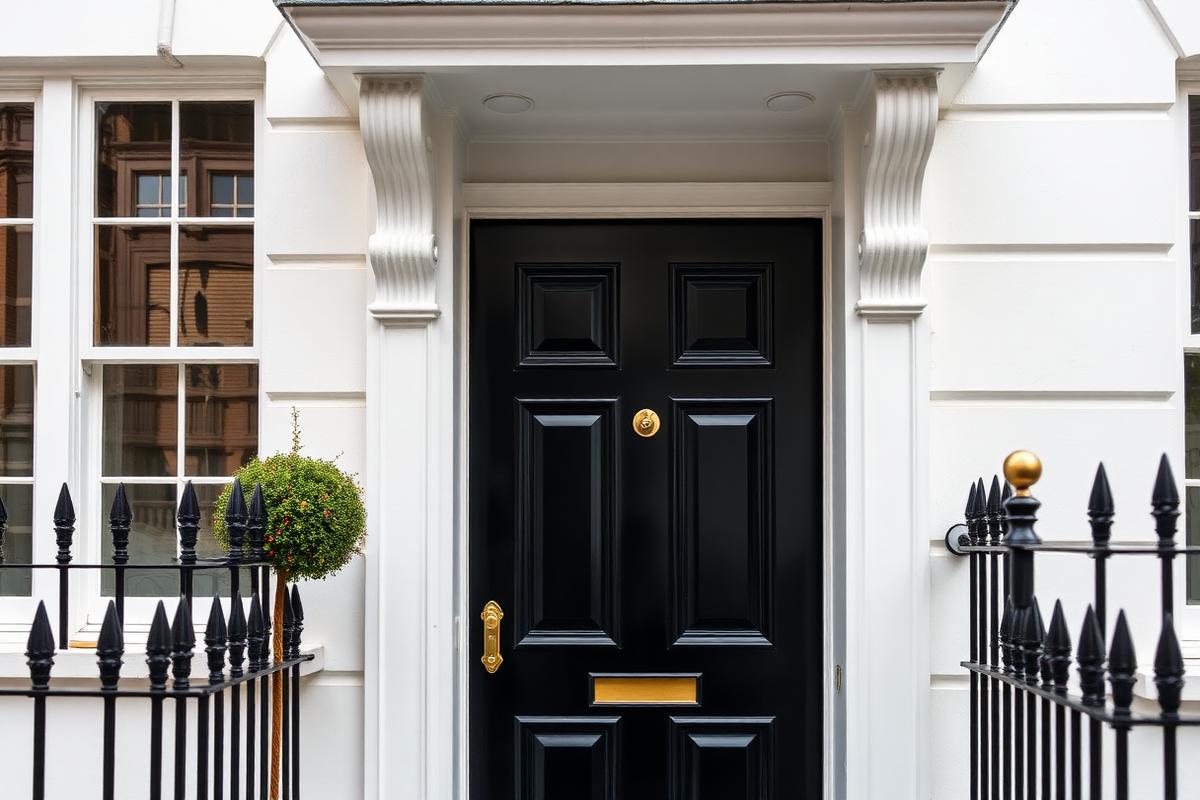
Greenwich stands apart from London's other boroughs, offering a rare combination of maritime heritage, royal parkland and contemporary riverside living. For those seeking the best areas to live in Greenwich, the choice extends far beyond postcode prestige—each neighbourhood here carries its own distinct character, shaped by centuries of naval history and the Thames itself. Our team has guided countless buyers and tenants through Greenwich's diverse streets, and we've watched the borough evolve into one of South East London's most compelling residential destinations. Whether you're drawn to the elegance of Blackheath's Georgian squares or the regenerated waterfront of the peninsula, understanding where to live in Greenwich requires local knowledge that goes beyond property listings.
Greenwich Town Centre and the Riverside
The heart of Greenwich remains its historic town centre, where narrow streets fan out from the Cutty Sark and the Old Royal Naval College. This area represents what many consider the quintessential Greenwich experience—period conversions overlooking the Thames, Saturday markets at Greenwich High Road, and unparalleled access to the borough's cultural landmarks. According to HM Land Registry data, the median property price across Greenwich currently sits at £500,000, with flats commanding a median of £423,750, making riverside apartments surprisingly accessible compared to similar waterfront locations in Zone 2.
The streets immediately south of Greenwich Park—particularly those around Croom's Hill and Nevada Street—attract buyers seeking authentic Georgian and Victorian architecture. These Greenwich neighbourhoods feature some of the finest examples of period townhouses in South East London, though competition remains fierce for properties with original features intact. Our team regularly advises clients that sales in this micro-market move quickly, with terraced houses achieving a median price of £806,500 based on recent transactions.
Rental demand in Greenwich town centre proves equally robust. ONS data reveals that a two-bedroom property typically commands between £1,425 and £2,200 per month, while three-bedroom homes range from £1,875 to £2,950. The appeal lies not merely in Greenwich's postcard-worthy setting but in its practical advantages: the DLR, Southeastern rail services, and Thames Clipper boats provide multiple transport options into central London, whilst the town's independent restaurants and riverside pubs create a genuine neighbourhood feel often absent in more transient areas.
Blackheath: Village Life with Metropolitan Reach
When considering where to live in Greenwich, Blackheath commands its own category entirely. Technically straddling Greenwich and Lewisham boroughs, the Blackheath village area offers an atmosphere more akin to a prosperous Home Counties town than inner London. The heath itself—78 hectares of open grassland—provides an extraordinary amenity, whilst the surrounding streets contain some of the most architecturally distinguished homes in the borough.
The roads radiating from Blackheath village, particularly those on the Greenwich side including Montpelier Row and South Row, showcase Regency and Georgian terraces of exceptional quality. These properties rarely appear on the open market, with many changing hands through word-of-mouth recommendations before formal listings emerge. When they do sell, detached houses achieve prices well above borough medians—recent HM Land Registry records show detached properties reaching £1,500,000, though the sample size of just two sales reflects their scarcity rather than market weakness.
Blackheath's rental market caters primarily to families and professionals seeking space and greenery without sacrificing connectivity. Four-bedroom houses command monthly rents between £2,525 and £3,925 according to ONS data, reflecting the premium that tenants place on access to both the heath and Blackheath's village amenities. The area supports two distinct retail clusters—the village itself and Blackheath Standard—ensuring residents needn't venture far for daily necessities. For those exploring [property for sale in Greenwich](/property-for-sale/greenwich), Blackheath represents the borough's most established and traditionally desirable quarter.
North Greenwich and the Peninsula
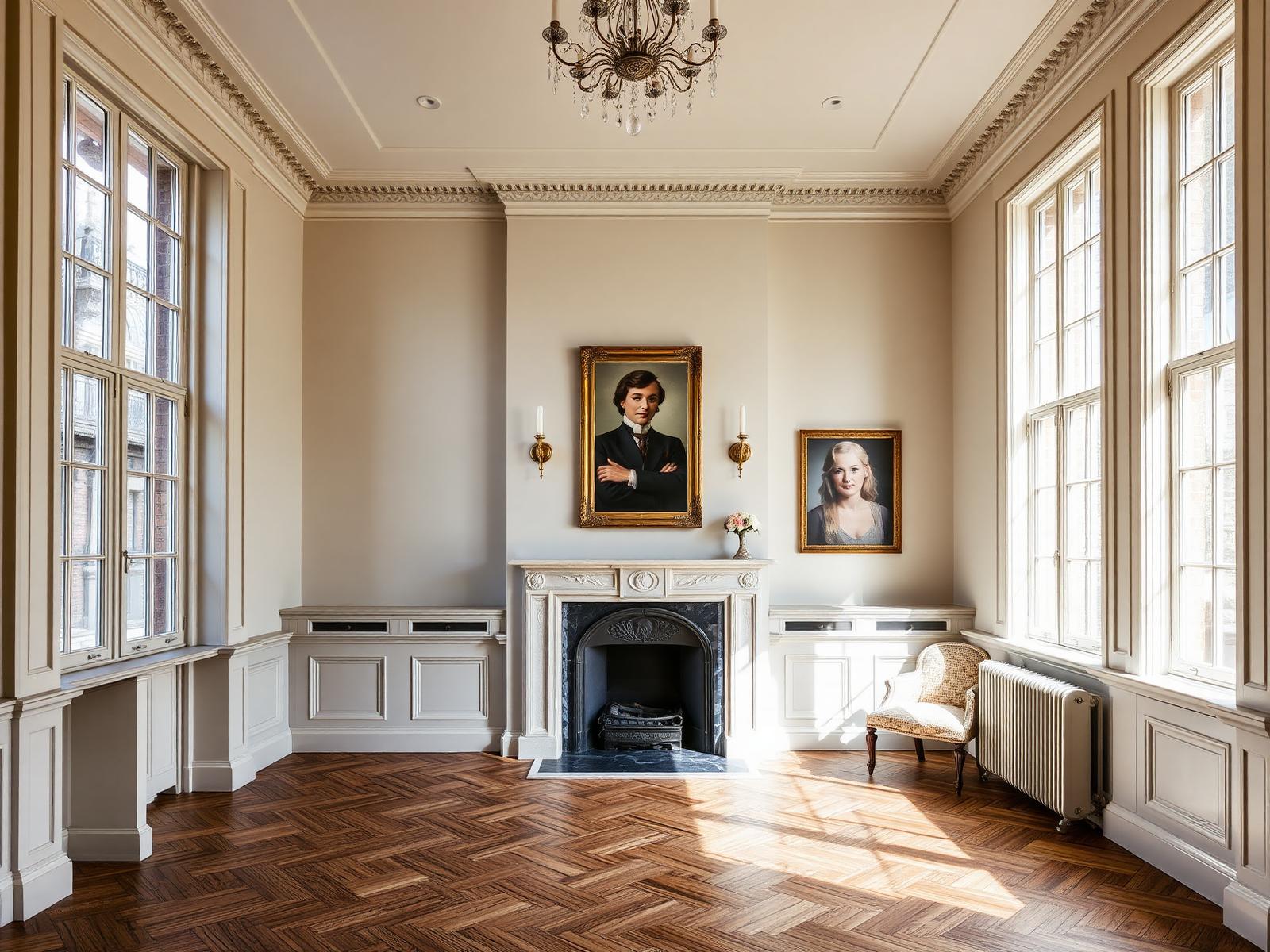
North Greenwich has undergone perhaps London's most dramatic residential transformation over the past two decades. What was once industrial wasteland surrounding the Millennium Dome is now a high-density neighbourhood of modern apartments, anchored by the O2 arena and served by one of the Underground's most efficient interchange stations. The peninsula attracts a fundamentally different demographic than Greenwich's historic core—younger professionals, investors and those prioritising contemporary specification over period charm.
The apartment developments clustering around North Greenwich station offer advantages that period conversions cannot match: concierge services, gyms, balconies and new-build warranties. According to our experience with [estate agents in Greenwich](/estate-agents/greenwich), flats in this area frequently sell to first-time buyers and buy-to-let investors, with prices starting considerably below the borough median. One-bedroom apartments here typically rent for £1,025 to £1,625 monthly per ONS figures, making North Greenwich one of the more accessible entry points for renters seeking Zone 2 living.
The Elizabeth Line's arrival at nearby Custom House and Abbey Wood stations has further enhanced the peninsula's appeal, creating cross-London connectivity that complements the existing Jubilee Line. The area's infrastructure continues to develop—new schools, a Design District for creative industries, and improved riverside walking routes are gradually transforming North Greenwich from a mono-use entertainment quarter into a rounded residential neighbourhood. For those prioritising transport links and modern amenities over architectural heritage, this represents one of the most practical Greenwich best streets options available today.
Talk to Seymont
What's your home worth?
A considered view on price, timing and how to bring your London home to market — a personal reply within 24 hours.
Your property
Step 1 of 2East Greenwich and Maze Hill
East Greenwich occupies the often-overlooked middle ground between the tourist-thronged town centre and the peninsula's glass towers. This residential pocket, centred on Greenwich South Street and extending towards Maze Hill station, offers perhaps the best value proposition in the borough—period character, excellent schools and direct trains to London Bridge, yet without the price premium attached to riverside addresses.
The Victorian and Edwardian terraces that dominate East Greenwich attract families seeking space within reasonable budgets. Semi-detached properties here achieve median prices around £748,000 based on limited recent sales data from HM Land Registry, whilst terraced houses offer marginally better value. The area's appeal lies partly in its outstanding primary schools—several consistently rated 'Outstanding' by Ofsted serve this neighbourhood—and partly in its position between Greenwich Park and the functional shops along Trafalgar Road.
Maze Hill, technically a sub-neighbourhood of East Greenwich, deserves particular mention. The streets between Maze Hill station and the western edge of Greenwich Park—including Maidenstone Hill and Straightsmouth—contain handsome Victorian houses on quiet, tree-lined roads. Rental stock here tends towards family homes, with three-bedroom properties commanding the £1,875 to £2,950 monthly range. Our team finds that tenants who discover Maze Hill often remain for years, valuing the combination of parkside location and mainline rail access without the tourist footfall that characterises central Greenwich. Those researching [house prices in Greenwich](/house-prices/greenwich) frequently find East Greenwich offers the most square footage per pound.
Westcombe Park and Vanbrugh Park
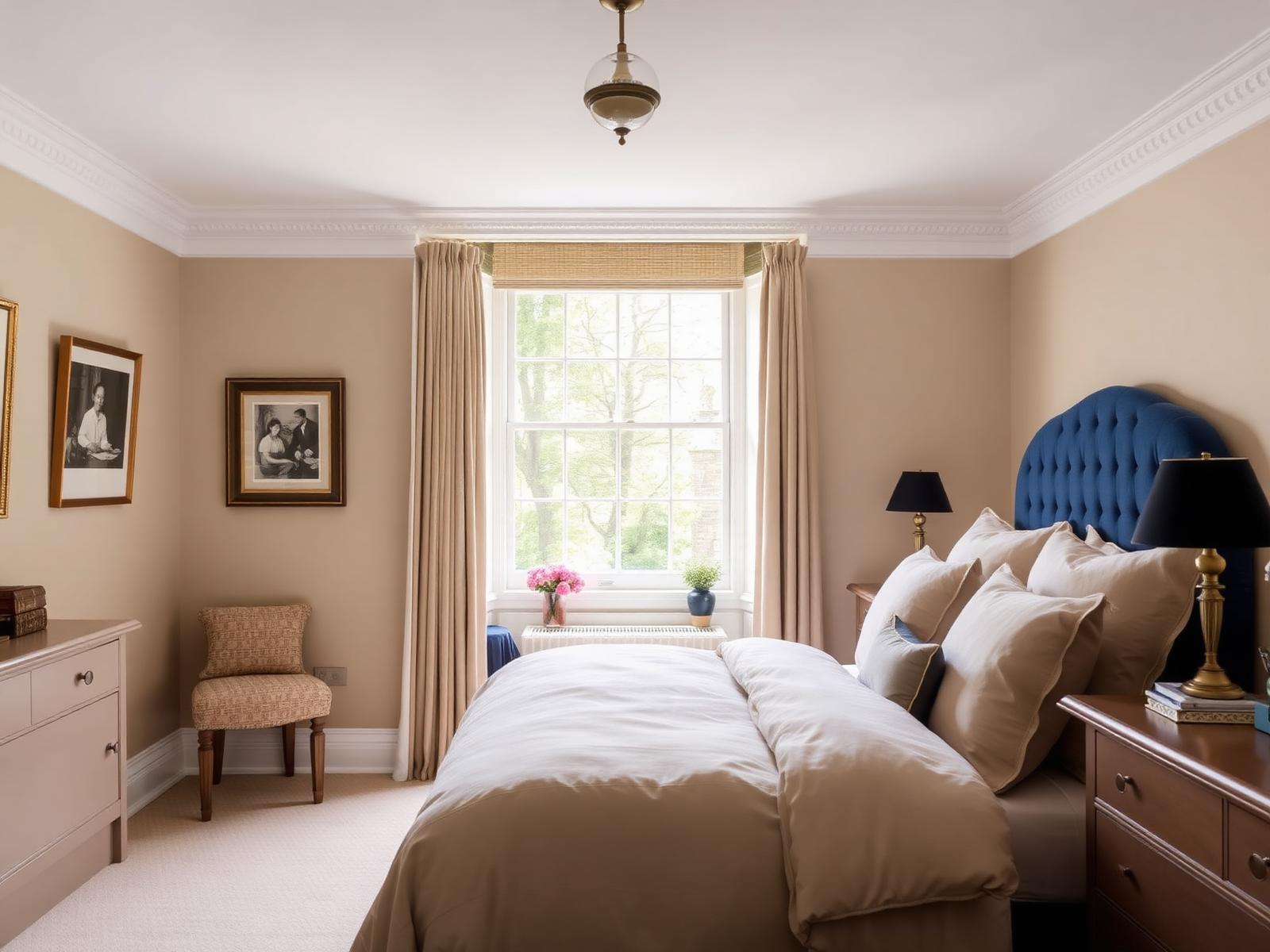
The eastern reaches of Greenwich borough, encompassing Westcombe Park and Vanbrugh Park, present a distinctly residential character. These neighbourhoods lack the riverside glamour of Greenwich Pier or the village charm of Blackheath, yet they compensate with generous Victorian housing stock, community cohesion and transport links that rival anywhere in the borough.
Westcombe Park station provides direct trains to London Bridge, Cannon Street and Charing Cross, making the morning commute considerably more straightforward than from many supposedly more central locations. The streets surrounding the station—particularly those in the Mycenae Road conservation area—showcase substantial late-Victorian terraced houses, many retaining original features including stained glass, cornicing and generous room proportions. These properties appeal to families seeking character homes with gardens, all within Zone 3 pricing.
Vanbrugh Park, meanwhile, offers a micro-neighbourhood of exceptional architectural interest. The eponymous park itself provides valuable green space, whilst the surrounding streets contain varied housing stock from different eras. The area benefits from proximity to both Blackheath and Maze Hill stations, creating transport flexibility that more isolated pockets of Greenwich cannot match. For landlords considering where to [let property in Greenwich](/let-your-property/greenwich), these eastern neighbourhoods deliver reliable tenant demand from families and professionals seeking value, space and community. Studio flats here rent from £775 to £1,225 monthly according to ONS data—amongst the most accessible entry points in the borough for renters on modest budgets.
Investment Perspective: Where Greenwich Delivers Value
Understanding the best areas to live in Greenwich requires considering not merely present-day amenity but future trajectory. Our team observes several trends shaping the borough's residential landscape. The riverside continues its gradual evolution, with former industrial sites between Deptford Creek and North Greenwich yielding to residential development. The Elizabeth Line's impact, whilst not directly serving Greenwich, nevertheless enhances the borough's connectivity to major employment centres at Canary Wharf and the City.
Current HM Land Registry data reveals that flats dominate transaction volumes—116 of 187 recent sales—reflecting both the new-build pipeline on the peninsula and ongoing conversions in the historic core. Yet terraced houses, with a median price of £806,500, offer arguably better long-term value retention. The 58 terraced sales recorded suggest steady rather than speculative demand, precisely the market characteristic that supports sustainable price growth.
Rental yields vary considerably across Greenwich neighbourhoods. North Greenwich's modern apartments typically achieve better gross yields than period conversions in Greenwich town centre, though the latter tend to attract longer tenancies and more stable tenant profiles. The ONS rental data spanning from studio flats at £775-£1,225 through to five-bedroom houses at £3,300-£5,150 monthly demonstrates the borough's capacity to serve diverse tenant demographics. For investors, the question isn't whether Greenwich represents value—the borough's combination of heritage, parkland and transport links ensures enduring appeal—but rather which Greenwich best streets align with specific investment criteria and risk appetites. Whether prioritising capital growth, rental yield or portfolio diversification, Greenwich's varied neighbourhoods offer options that repay careful, locally-informed analysis.
Talk to Seymont
What's your home worth?
A considered view on price, timing and how to bring your London home to market — a personal reply within 24 hours.
Your property
Step 1 of 2About the author
Amara BennettProperty Market Analyst
Amara spent seven years as a market analyst at Kestrel Lane Research, a small London property consultancy, before joining our editorial desk. She reads sold-price and rental data street by street to explain how individual London postcode districts actually behave, and reviews every price figure we publish. Her focus is separating headline national averages from what a specific address is worth today.
MSc Real Estate Economics · Seven years in property market research
- Valuations
- Local market data
- Sold prices
- Pricing strategy
Frequently asked
- What is the average house price in Greenwich?
- According to HM Land Registry data, the median property price in Greenwich currently stands at £500,000. However, this varies significantly by property type: flats achieve a median of £423,750, terraced houses £806,500, and the limited number of detached properties sold recently reached £1,312,500. Location within the borough also affects pricing considerably, with riverside and Blackheath properties commanding premiums over East Greenwich or the peninsula.
- Is Greenwich a good area to invest in property?
- Greenwich offers compelling investment fundamentals: Zone 2 and 3 locations with multiple transport options (DLR, mainline rail, Thames Clipper, and nearby Jubilee Line), UNESCO World Heritage status protecting the historic core's character, and continuing regeneration on the peninsula. The borough serves diverse tenant demographics from young professionals to families, supporting both yield-focused and capital-growth strategies. Recent transaction volumes show steady rather than speculative demand, typically a positive indicator for sustainable property investment.
- What are rental prices like in Greenwich?
- ONS data shows Greenwich rental prices range from £775-£1,225 monthly for studio flats through to £3,300-£5,150 for five-bedroom houses. Two-bedroom properties—the most commonly rented configuration—typically command £1,425-£2,200 per month. Riverside locations and Blackheath achieve the upper ends of these ranges, whilst East Greenwich and the peninsula offer more accessible entry points. Greenwich town centre and North Greenwich demonstrate particularly strong rental demand due to their transport connectivity.
- Which is better for families: Blackheath or East Greenwich?
- Both areas serve families well but offer different propositions. Blackheath provides village amenities, the expansive heath itself, and some of Greenwich's finest period architecture, but commands premium prices. East Greenwich offers excellent primary schools, generous Victorian family houses at lower price points, proximity to Greenwich Park, and direct trains to London Bridge via Maze Hill station. Families prioritising space and value often favour East Greenwich; those seeking prestige addresses and the heath amenity gravitate to Blackheath.
- How is transport connectivity in Greenwich?
- Greenwich benefits from exceptional transport diversity. The DLR serves Greenwich town centre and North Greenwich, with the latter also on the Jubilee Line providing rapid access to Canary Wharf and central London. Mainline rail from Greenwich, Maze Hill, Westcombe Park and Blackheath stations reaches London Bridge in 10-15 minutes, with onward connections across the network. Thames Clipper river buses offer an alternative riverside route to the City and Westminster. The Elizabeth Line at nearby Abbey Wood and Custom House further enhances cross-London connectivity, making Greenwich one of South East London's best-connected boroughs.