Journal
Moving to Dulwich: The Complete Guide
Written by Thomas Lindqvist · Mortgage & Financing Specialist
Published 17 November 2025 · Updated 25 February 2026 · 6 min read
The short answer
Moving to Dulwich represents an opportunity to join one of London's most distinguished residential enclaves, where village charm meets contemporary city living. This leafy enclave in South London has long captivated families, professionals and culture enthusiasts with its exceptional schools, verdant commons and architectural heritage.
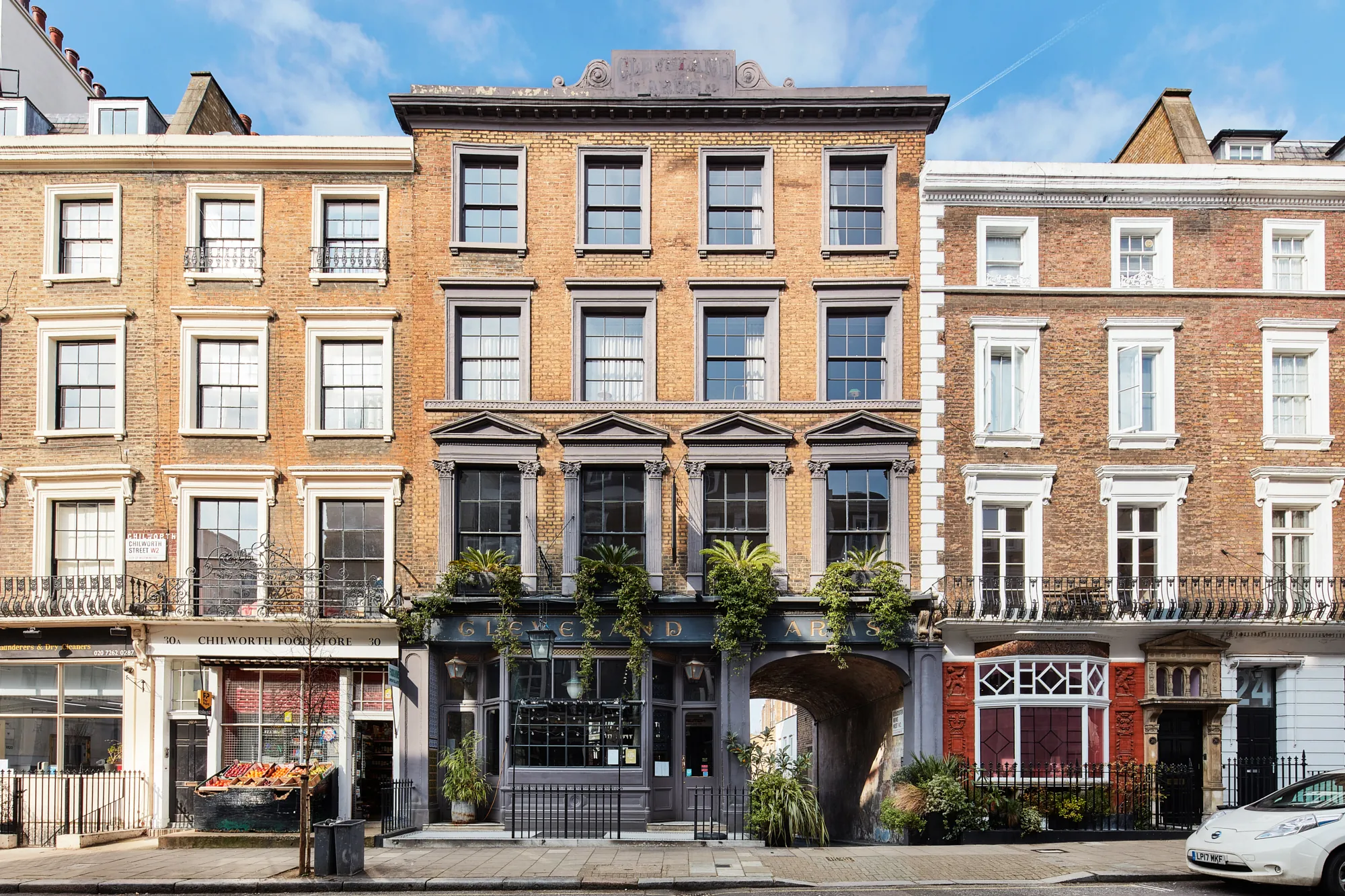
Moving to Dulwich represents an opportunity to join one of London's most distinguished residential enclaves, where village charm meets contemporary city living. This leafy enclave in South London has long captivated families, professionals and culture enthusiasts with its exceptional schools, verdant commons and architectural heritage. Whether you're drawn to the Georgian elegance of Dulwich Village, the vibrant café culture of East Dulwich or the family-friendly streets of West Dulwich, relocating to Dulwich offers a quality of life that few London neighbourhoods can match. Our team at Seymont London has prepared this comprehensive guide to help you navigate every aspect of your move to this remarkable area.
Understanding Dulwich's Distinct Neighbourhoods
Dulwich encompasses several distinct areas, each with its own character and appeal. East Dulwich has evolved into the area's most dynamic quarter, centred around Lordship Lane's impressive array of independent shops, restaurants and delicatessens. This neighbourhood attracts young families and professionals seeking a cosmopolitan village atmosphere within easy reach of central London. The Victorian and Edwardian terraces here command strong demand, whilst conversion flats offer more accessible entry points to the area.
Dulwich Village represents the historic heart of the estate, characterised by its conservation area status and the distinctive toll gate that still operates on College Road. The streets surrounding the old burial ground and the Picture Gallery exude a timeless elegance, with substantial detached and semi-detached properties set among mature trees. This is Dulwich at its most exclusive, where properties frequently exceed £2 million and the architectural heritage is fiercely protected.
West Dulwich provides a quieter, more residential alternative whilst maintaining excellent transport connections via its railway station. The streets between Thurlow Park Road and the South Circular attract families seeking good-sized homes with gardens, often at slightly more accessible price points than the village proper. The area benefits from proximity to both Dulwich Park and Belair Park, making it particularly appealing for those with young children or dogs.
Dulwich Property Market and Pricing
According to HM Land Registry data, Dulwich recorded 799 property sales with a median price of £700,000, reflecting the area's position as one of South London's premier residential addresses. The market demonstrates considerable variety across property types, with flats accounting for 402 transactions at a median of £480,000, providing the most accessible route into Dulwich homeownership. These range from £112,500 for smaller conversions to £1,965,000 for substantial lateral apartments in prime locations.
Terraced houses formed the second-largest category with 247 sales at a median price of £940,000, spanning from £275,000 to £3,250,000 depending on size, condition and exact location. The Victorian and Edwardian terraces that characterise much of East Dulwich and the streets surrounding the village typically offer three to five bedrooms across multiple floors, frequently with generous rear gardens that are highly prized in this part of London.
Semi-detached properties commanded a median of £1,367,500 based on 106 transactions, whilst the 23 detached houses sold achieved a median of £1,675,000, reaching up to £4,250,000 for the finest examples. These substantial family homes, particularly those within the Dulwich Estate's conservation areas, represent the pinnacle of the local market. For those exploring [property for sale in Dulwich](/property-for-sale/dulwich), understanding these price bands helps establish realistic expectations across the neighbourhood's diverse offerings.
The rental market, based on ONS data, spans from £1,100–£1,725 monthly for studios through to £4,625–£7,225 for five-bedroom properties. Two-bedroom flats typically rent for £1,975–£3,100 per month, whilst three-bedroom houses command £2,650–£4,125, reflecting the premium that tenants place on Dulwich's schools, green spaces and community atmosphere.
The Dulwich Commute and Transport Connections
The Dulwich commute offers multiple options despite the area's absence from the Underground network. East Dulwich station on the Thameslink route provides direct services to London Bridge (12 minutes), Blackfriars (17 minutes) and St Pancras International (23 minutes), making it particularly convenient for professionals working in the City, King's Cross or connecting to Eurostar services. Peak-time frequencies are approximately every 15 minutes, with journey planning requiring slightly more attention than neighbourhoods served by the Tube.
West Dulwich station, also on the Thameslink network, offers similar journey times with services running through Tulse Hill towards Victoria and the core central London termini. North Dulwich station serves the southern reaches of the area with connections via Denmark Hill to central destinations. The absence of the Tube is offset by excellent bus connectivity, with routes 37, 40, 176, 185 and P4 among others providing comprehensive coverage across Dulwich and connections to neighbouring areas including Brixton, Camberwell, Peckham and Clapham.
For those driving, the South Circular (A205) runs along Dulwich's western edge, providing access to the A3 and A23 arterial routes. Central London is typically 25–35 minutes by car outside peak hours, though rush-hour traffic requires additional time. Many residents find that cycling offers the most efficient commute option, with dedicated cycle routes through Dulwich Park and quieter residential streets making for pleasant journeys to Waterloo, the City and Canary Wharf in 30–45 minutes.
Talk to Seymont
What's your home worth?
A considered view on price, timing and how to bring your London home to market — a personal reply within 24 hours.
Your property
Step 1 of 2Schools, Culture and Community Life
Education stands among the primary reasons families choose Dulwich, with the area boasting an exceptional concentration of both state and independent schools. Alleyn's School, James Allen's Girls' School (JAGS) and Dulwich College rank among London's most prestigious independent institutions, whilst the state sector includes outstanding primaries such as Dulwich Village Church of England Infants' School, Dulwich Hamlet Junior School and Goodrich Primary. The competition for places at the most sought-after schools significantly influences property decisions, with families often prioritising proximity to their preferred institutions.
Cultural amenities centre on the Dulwich Picture Gallery, England's first purpose-built public art gallery, designed by Sir John Soane and housing an impressive collection of Old Masters. The gallery's contemporary exhibitions programme and attractive gardens provide year-round appeal, whilst the surrounding Dulwich Park offers 72 acres of recreational space including a boating lake, café and excellent children's playground. The park's recent improvements have enhanced its status as the area's social hub, particularly during summer weekends.
Lordship Lane in East Dulwich has evolved into one of South London's premier high streets, with independent retailers, gastropubs, wine bars and restaurants creating a village-high-street atmosphere. The quarterly farmers' market, numerous delis and bakeries, and thriving independent bookshops contribute to a strong sense of community. Regular street festivals and the active residents' associations across all Dulwich neighbourhoods foster connection among newcomers and established residents alike. Our [Dulwich estate agents](/estate-agents/dulwich) team has observed how this community spirit significantly influences residents' long-term satisfaction with the area.
Practical Considerations When Relocating to Dulwich
Dulwich council tax falls under the London Borough of Southwark, with bands ranging from approximately £1,028 (Band A) to £3,085 (Band H) for 2024/25, though most Dulwich properties fall into Bands D–G given typical property values. Council tax represents just one element of the running costs for Dulwich properties; many period homes require ongoing maintenance, and those within conservation areas face additional planning restrictions that can affect renovation projects.
The Dulwich Estate, a charitable trust that owns significant land across the area, operates under specific lease arrangements for many properties. Prospective buyers should understand whether a property is freehold or held on a Dulwich Estate lease, as the latter involves annual ground rent and compliance with estate regulations regarding external alterations, extensions and even paint colours. These restrictions preserve the area's character but require consideration during the purchasing process. Our team recommends thorough due diligence on lease terms before committing to any transaction.
Parking can prove challenging in the more densely populated areas around East Dulwich and the village centre, with controlled parking zones operating across much of Dulwich. Properties with off-street parking or garages command a premium, particularly given the area's significant population of families with multiple vehicles. Conversely, the excellent walkability of most Dulwich neighbourhoods means many residents successfully manage without cars for daily needs.
For those considering the investment potential, Dulwich demonstrates consistent long-term capital appreciation driven by constrained supply, excellent schools and the area's enduring appeal. The [house prices in Dulwich](/house-prices/dulwich) reflect this stability, with the market showing resilience even during broader economic uncertainty. Whether you're purchasing or exploring options to [let your property in Dulwich](/let-your-property/dulwich), the fundamentals remain strong for both owner-occupiers and investors.
Talk to Seymont
What's your home worth?
A considered view on price, timing and how to bring your London home to market — a personal reply within 24 hours.
Your property
Step 1 of 2About the author
Thomas LindqvistMortgage & Financing Specialist
Thomas advised buyers for a decade at Ashgrove Financial, an independent brokerage, on borrowing capacity, product selection and the full cost of a purchase, including stamp duty, legal fees and lender charges. He follows rate decisions and lender criteria changes and translates them into what a household can realistically afford. His guides cover affordability, remortgaging and the closing costs that buyers routinely underestimate.
CeMAP qualified · Whole-of-market mortgage advice background
- Mortgages
- Affordability
- Closing costs
- Remortgaging
Frequently asked
- What is the average house price in Dulwich?
- According to HM Land Registry data, the median property price in Dulwich is £700,000. However, this varies significantly by property type: flats have a median of £480,000, terraced houses £940,000, semi-detached properties £1,367,500, and detached houses £1,675,000. The market spans from more accessible conversions around £112,500 to exceptional family homes exceeding £4 million in the most prestigious streets.
- Is Dulwich well connected for commuting to central London?
- Dulwich offers strong rail connections despite having no Underground stations. East Dulwich and West Dulwich stations provide Thameslink services reaching London Bridge in 12 minutes, Blackfriars in 17 minutes and St Pancras International in 23 minutes. Multiple bus routes supplement the rail network, and many residents cycle to central London in 30–45 minutes via quiet routes through the parks.
- Which part of Dulwich is best for families?
- All Dulwich neighbourhoods attract families, but preferences vary. East Dulwich offers vibrant community life, excellent cafés and independent shops along Lordship Lane. Dulwich Village provides the most prestigious setting with outstanding schools and conservation-area elegance. West Dulwich offers quieter residential streets with good-sized gardens and proximity to Dulwich Park, often at slightly more accessible price points whilst maintaining excellent transport links.
- What are rental prices like in Dulwich?
- Based on ONS data, Dulwich rental prices range from £1,100–£1,725 monthly for studios, £1,450–£2,275 for one-bedroom properties, and £1,975–£3,100 for two-bedroom homes. Three-bedroom houses typically rent for £2,650–£4,125, four-bedroom properties for £3,525–£5,500, and larger family homes for £4,625–£7,225 per month, reflecting the premium on this sought-after area.
- Does the Dulwich Estate affect property ownership?
- Many Dulwich properties are held on Dulwich Estate leases rather than freehold. These involve annual ground rent and require compliance with estate regulations regarding external alterations, extensions and even exterior paint colours. Whilst these restrictions preserve the area's distinctive character and protect property values, buyers should understand the lease terms and obtain proper legal advice before purchasing leasehold estate properties.