Journal
Moving to Chelsea: The Complete Guide
Written by Nina Castellano · Investment Property Advisor
Published 18 February 2026 · Updated 28 April 2026 · 6 min read
The short answer
Moving to Chelsea means joining one of London's most prestigious and historically rich neighbourhoods. Bordered by the Thames to the south and Knightsbridge to the north, this Royal Borough of Kensington and Chelsea enclave has long been synonymous with elegance, culture and refined living.
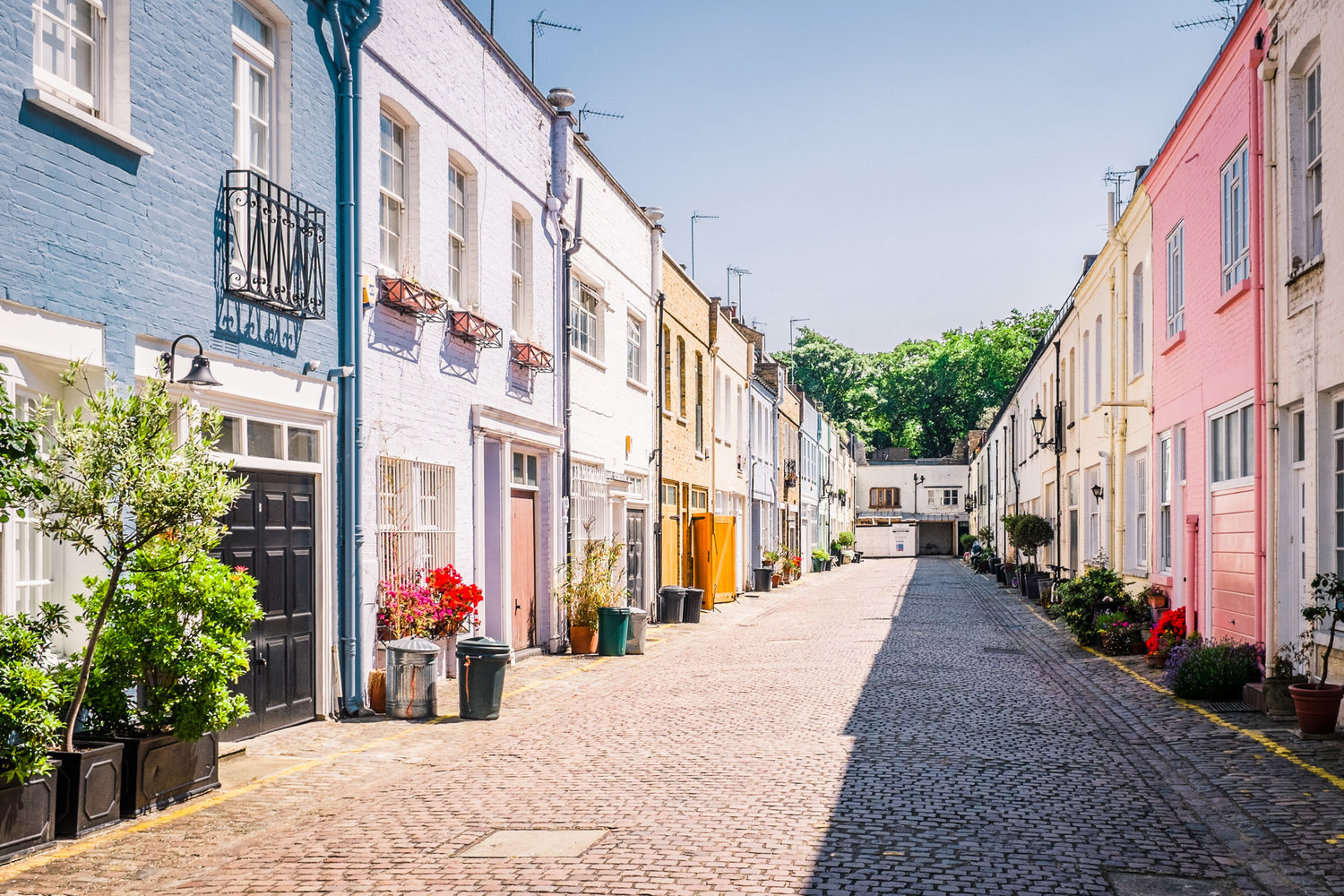
Moving to Chelsea means joining one of London's most prestigious and historically rich neighbourhoods. Bordered by the Thames to the south and Knightsbridge to the north, this Royal Borough of Kensington and Chelsea enclave has long been synonymous with elegance, culture and refined living. Whether you're relocating to Chelsea for its world-class museums, garden squares or riverside setting, understanding the market, lifestyle and practicalities will help you make the most of your move. Our team has prepared this comprehensive guide to everything you need to know about making Chelsea your home.
Understanding the Chelsea Property Market
The Chelsea property market reflects the area's enduring prestige and central location. According to HM Land Registry data, the median property price stands at £940,000 based on 162 recent sales, though this figure varies significantly by property type. Flats, which comprised 122 of these transactions, have a median price of £750,000, whilst terraced houses command a median of £3,050,000. Semi-detached properties represent the premium end of the market, with a median of £16,475,000.
For those considering rental options, ONS data shows monthly costs ranging from £1,475–£2,300 for a studio, £1,950–£3,050 for a one-bedroom property, and £2,650–£4,150 for two bedrooms. Larger family homes command higher rents, with three-bedroom properties ranging from £3,550–£5,525 and four-bedroom homes from £4,725–£7,375 per month. Five-bedroom and larger properties can reach £6,200–£9,675 monthly.
The diversity of Chelsea's housing stock means opportunities exist across different budgets and requirements. From converted mansion flats on tree-lined streets to contemporary apartments overlooking Chelsea Creek and the Thames, the area offers architectural variety within its consistently premium market. Our team at [Seymont's Chelsea estate agents](/estate-agents/chelsea) can help you navigate these options based on your specific needs.
When relocating to Chelsea, it's worth exploring the full range of [properties for sale in Chelsea](/property-for-sale/chelsea) to understand how different streets and developments compare. The area's price variation reflects not just property type but also proximity to the river, garden squares and transport links.
The Chelsea Lifestyle: Culture, Dining and Green Spaces
Chelsea's cultural heritage remains one of its greatest draws. The Royal Hospital Chelsea, home to the iconic Chelsea Pensioners since 1692, hosts the world-famous RHS Chelsea Flower Show each May, attracting horticultural enthusiasts from across the globe. The Saatchi Gallery on Duke of York's Square offers cutting-edge contemporary art in the magnificent former Duke of York's Headquarters, whilst the Chelsea Arts Club has nurtured creative talent since 1891.
The restaurant scene in Chelsea reflects the area's sophisticated demographic. From Michelin-starred establishments on Sloane Street to intimate bistros along the King's Road, dining options cater to every occasion. The area's cafés and delis provide everyday luxury, whilst Chelsea Farmers' Market and the food halls at nearby department stores ensure quality provisions are always close at hand. Restaurants in Chelsea range from classic British institutions to modern international cuisines, with many offering al fresco dining during warmer months.
Green space is more abundant than many expect in such a central location. The Chelsea Physic Garden, Britain's oldest botanic garden, offers a peaceful retreat, whilst the grounds of the Royal Hospital Chelsea open to the public at certain times. The Thames Path provides riverside walks, and nearby Hyde Park and Battersea Park are both easily accessible. Residents also enjoy access to private garden squares, particularly around Cadogan and Carlyle estates.
The King's Road remains Chelsea's commercial and social heart, having evolved from its 1960s fashion heyday into a blend of high-street brands, independent boutiques and homeware specialists. Duke of York Square and Chelsea Barracks' redevelopment have added modern retail and residential dimensions whilst respecting the area's architectural character.

Chelsea Commute: Transport Links and Connectivity
The Chelsea commute benefits from excellent connectivity despite the area lacking Underground stations within its traditional boundaries. Sloane Square station (District and Circle lines) sits at Chelsea's northern edge, providing direct access to Victoria, Westminster, South Kensington and the City. South Kensington station, serving the District, Circle and Piccadilly lines, offers additional options including direct routes to Heathrow Airport.
Numerous bus routes traverse Chelsea, with the 11, 19, 22 and 211 among the most frequent services connecting to Knightsbridge, Victoria, Piccadilly and beyond. The riverfront position means Thames Clippers services are accessible from nearby piers, offering an alternative commuting experience to Canary Wharf and the City during peak hours.
For those driving, Chelsea's central location provides relatively quick access to the M4, M3 and M40 motorways via the A4 and surrounding road network. However, congestion charging applies throughout Chelsea during weekday hours, and parking remains limited and expensive. Many residents find public transport and walking more practical for daily needs.
Cycling infrastructure has improved significantly in recent years, with dedicated lanes along sections of the Embankment and an increasing number of Santander Cycle docking stations. The area's relatively flat topography makes cycling an attractive option for local journeys and commuting to nearby districts.
Talk to Seymont
What's your home worth?
A considered view on price, timing and how to bring your London home to market — a personal reply within 24 hours.
Your property
Step 1 of 2Schools, Healthcare and Practical Considerations
Families moving to Chelsea find a strong selection of educational institutions. State primary schools serve local families, whilst the area's proximity to highly regarded independent schools in South Kensington, Knightsbridge and Westminster broadens options considerably. Secondary education choices include both state and private institutions, with several nationally recognised schools within reasonable commuting distance.
Healthcare provision includes the Chelsea and Westminster Hospital on Fulham Road, offering full accident and emergency services alongside specialist departments. Numerous GP surgeries, dental practices and private medical facilities serve the area, reflecting Chelsea's demographic. Pharmacies and complementary health practitioners are well represented along the King's Road and surrounding streets.
Chelsea council tax falls under the Royal Borough of Kensington and Chelsea's jurisdiction. As one of London's premium boroughs, council tax bands reflect higher property values, though the borough historically maintained rates below the London average. Residents benefit from well-maintained streets, regular refuse collection and responsive local services that justify the investment.
The Royal Borough provides various resident services including parking permits, library facilities and community programmes. Chelsea Library on the King's Road offers a modern space for reading, study and community events, whilst the borough's commitment to maintaining public realm standards ensures Chelsea's streets remain attractive and well-kept. Those interested in current market conditions can explore detailed [Chelsea house prices](/house-prices/chelsea) to understand how values have developed across different property types.
Why Choose Chelsea: The Area's Unique Character
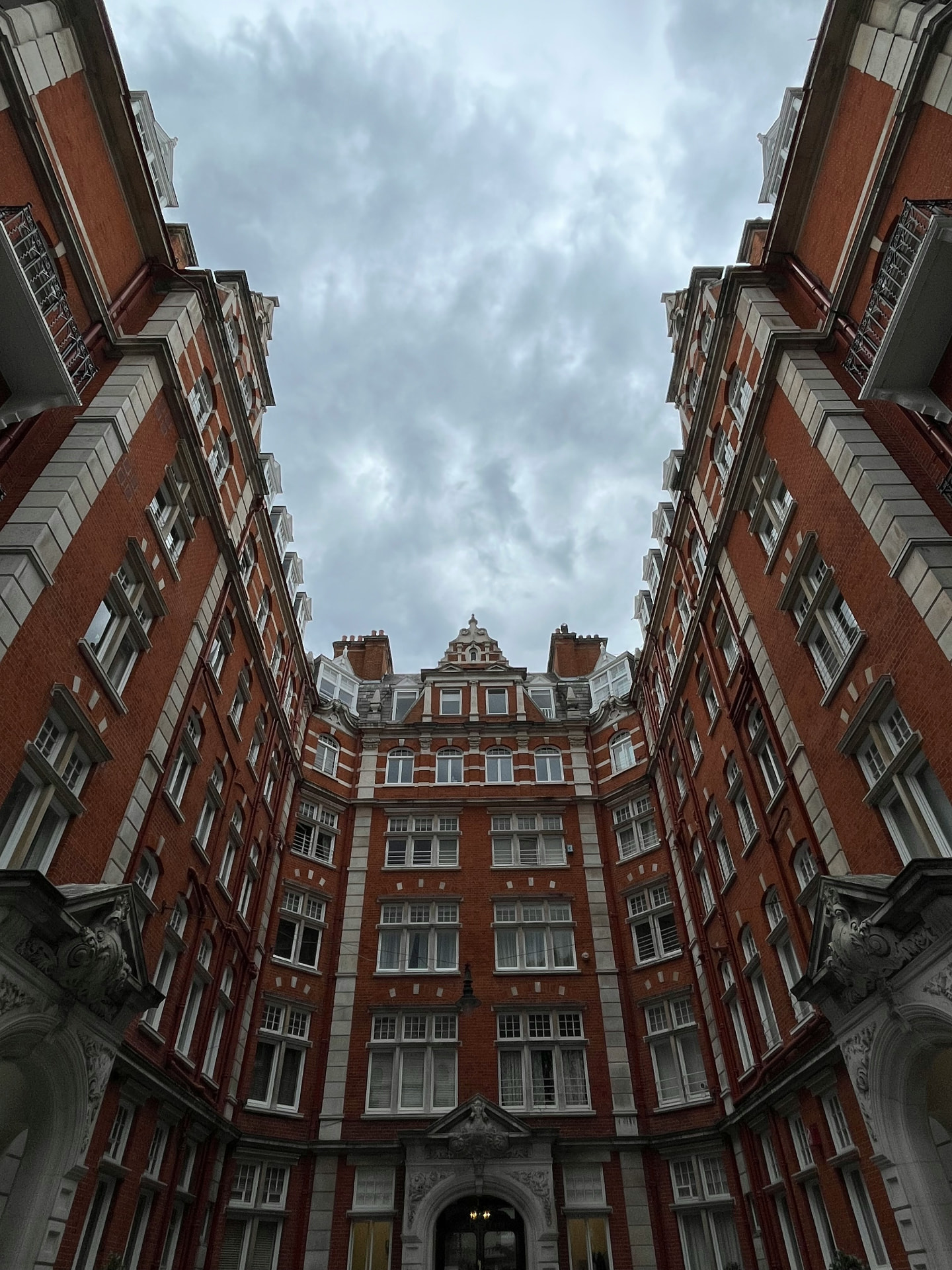
Chelsea's unique character derives from its layered history and maintained architectural integrity. Unlike areas that have undergone wholesale redevelopment, Chelsea retains its village-like atmosphere despite prime central London positioning. The conservation areas preserve period architecture whilst allowing sensitive contemporary additions like Chelsea Barracks and developments along Chelsea Creek.
The demographic mix includes established families, creative professionals, international residents and a significant retired population. This diversity creates a year-round residential atmosphere rather than a purely commercial district. Local shops know their customers, neighbourhood restaurants become regular haunts, and community events from the Chelsea Flower Show to seasonal markets foster genuine connections.
Chelsea's riverside position contributes significantly to its appeal. Properties overlooking the Thames, Chelsea Embankment's elegant terraces and the regenerated Chelsea Harbour area all benefit from water proximity. The north-south orientation means many Chelsea streets enjoy excellent natural light, whilst the relative absence of tall buildings maintains open skies unusual in central London.
For property investors and those considering letting, Chelsea's enduring popularity ensures consistent demand. The area attracts corporate relocations, international families seeking proximity to premier schools, and professionals valuing the cultural amenities and central position. Our [property letting services in Chelsea](/let-your-property/chelsea) support landlords in maximising their investment whilst maintaining the high standards tenants expect in this prestigious postcode.
The evolution of Chelsea House developments, improvements to Chelsea Road infrastructure and the ongoing enhancement of public spaces demonstrate the area's commitment to balanced progress. Chelsea UK searches consistently rank among the highest for London neighbourhoods, reflecting sustained interest from potential residents and visitors alike who recognise the area's special combination of heritage, culture and contemporary convenience.
Talk to Seymont
What's your home worth?
A considered view on price, timing and how to bring your London home to market — a personal reply within 24 hours.
Your property
Step 1 of 2About the author
Nina CastellanoInvestment Property Advisor
Nina advises landlords and investors on rental yields, tenant demand and portfolio structure across Greater London, after running lettings and management at Bellhouse Property Partners. She has overseen single units and multi-property portfolios, and works through compliance, void periods and running costs before a purchase is agreed. Her articles deal with the numbers behind a buy-to-let rather than the headline gross yield.
Lettings and portfolio management · 9 years in London rentals
- Buy-to-let
- Rental yields
- Portfolio strategy
- Landlord compliance
Frequently asked
- What is the average property price in Chelsea?
- According to HM Land Registry data, the median property price in Chelsea is £940,000. However, this varies considerably by type: flats have a median of £750,000, terraced houses £3,050,000, and semi-detached properties £16,475,000. The market includes properties from £22,750 to over £23,000,000, reflecting Chelsea's diverse housing stock from converted flats to substantial family homes.
- Which Underground stations serve Chelsea?
- Sloane Square station (District and Circle lines) sits at Chelsea's northern boundary and is the primary Underground access point. South Kensington station, serving the District, Circle and Piccadilly lines, is also convenient for many Chelsea residents. Additionally, numerous bus routes traverse the area, and the recently improved riverbus services offer alternative commuting options.
- What is Chelsea best known for?
- Chelsea is renowned for the Royal Hospital Chelsea and its Chelsea Pensioners, the RHS Chelsea Flower Show held annually in the hospital grounds, the King's Road's fashion heritage, and its association with arts and culture through institutions like the Saatchi Gallery and Chelsea Arts Club. The area is also known for its elegant architecture, riverside location, and status as one of London's most prestigious residential neighbourhoods.
- How much does it cost to rent in Chelsea?
- Rental costs in Chelsea vary by property size. ONS data indicates studios range from £1,475–£2,300 monthly, one-bedroom properties £1,950–£3,050, two-bedroom properties £2,650–£4,150, and three-bedroom homes £3,550–£5,525. Larger family homes with four bedrooms cost £4,725–£7,375, whilst five-bedroom and larger properties range from £6,200–£9,675 per month.
- Is Chelsea a good area for families?
- Chelsea offers excellent family amenities including good local schools, proximity to outstanding independent schools, safe streets with low crime rates, abundant green spaces including the Thames Path and nearby parks, and strong community facilities. The area's museums, cultural institutions and family-friendly restaurants add to its appeal, whilst the Royal Hospital grounds and Chelsea Physic Garden provide educational and recreational opportunities for children.