Journal
Moving to Brixton: The Complete Guide
Written by Julian Reyes · Licensed Real Estate Agent
Published 25 July 2026 · Updated 11 August 2026 · 7 min read
The short answer
Moving to Brixton represents an opportunity to join one of London's most culturally vibrant and dynamically evolving communities. This South London neighbourhood has transformed from its historically working-class roots into a sought-after destination that seamlessly blends artistic energy, culinary excellence and strong transport connectivity.
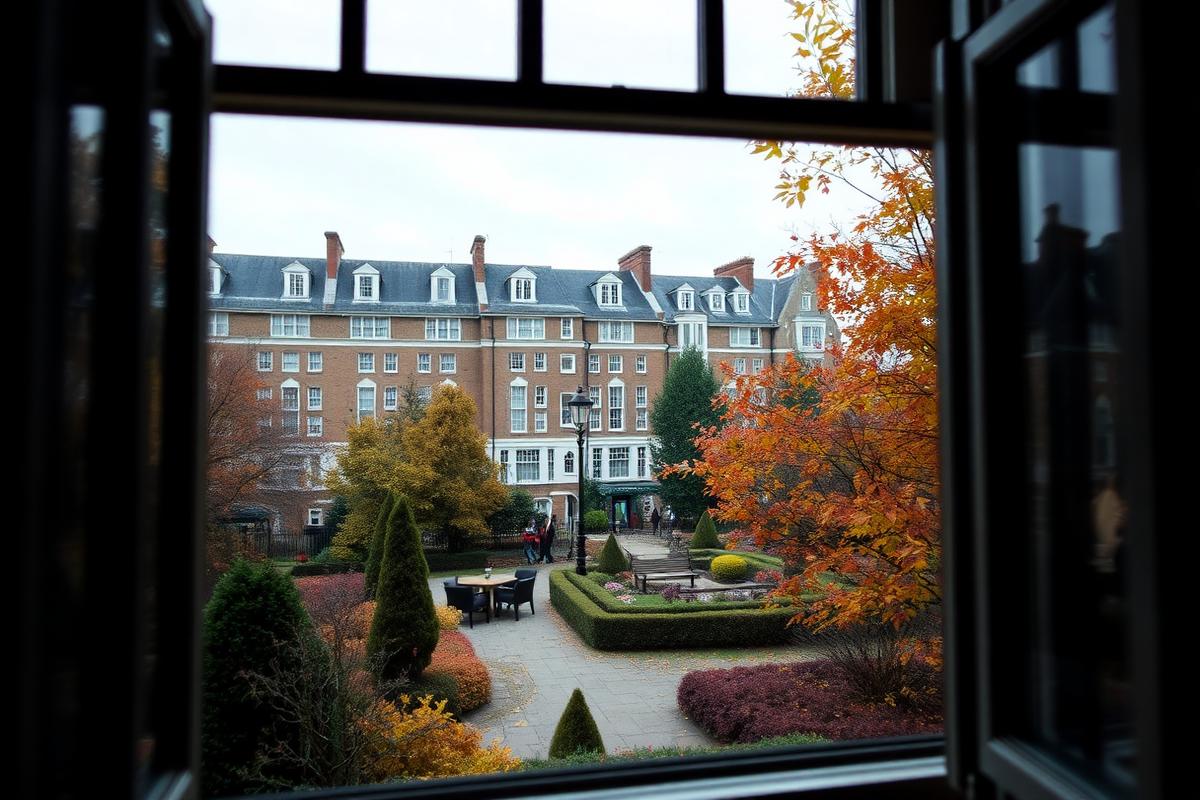
Moving to Brixton represents an opportunity to join one of London's most culturally vibrant and dynamically evolving communities. This South London neighbourhood has transformed from its historically working-class roots into a sought-after destination that seamlessly blends artistic energy, culinary excellence and strong transport connectivity. Our team at Seymont London has witnessed Brixton's remarkable journey firsthand, and we've created this comprehensive guide to help you understand what relocating to Brixton truly entails—from property markets and transport options to the cultural tapestry that makes this area genuinely distinctive.
Understanding Brixton's Property Market
The Brixton property market offers considerable variety across different property types and price points. According to HM Land Registry data, the median house price in Brixton stands at £500,000 based on 353 recent sales, though this figure masks significant variation depending on property type and specific location within the area.
Flats dominate the market, representing 274 of recent transactions with a median price of £460,000, making them the most accessible entry point for those relocating to Brixton. Terraced houses command a median of £880,000, whilst semi-detached properties reach £1,152,000, reflecting the premium placed on family homes with outdoor space. Detached houses remain rare, with a median of £1,121,250 across just four recent sales.
Brixton Hill, which rises southward from the town centre, features many of the area's most substantial Victorian and Edwardian properties, accounting for the higher search interest in this particular postcode. Streets such as Corrance Road Brixton and Rattray Road Brixton have become increasingly desirable, with their period conversions and original family houses attracting buyers seeking character properties within SW2 and SW9.
For those exploring rental options, ONS data indicates monthly rents ranging from £775–£1,225 for studios, £1,025–£1,625 for one-bedroom properties, and £1,425–£2,200 for two-bedroom flats. Larger family homes command £1,875–£2,950 for three bedrooms and £2,525–£3,925 for four bedrooms, with five-bedroom properties starting from £3,300 monthly. You can explore current opportunities on our dedicated [Brixton property for sale](/property-for-sale/brixton) page.
The Brixton Commute: Transport Connections
The Brixton commute ranks among the most compelling reasons professionals choose this area. Brixton Underground station serves the Victoria line, delivering passengers to Victoria in just seven minutes, Oxford Circus in twelve minutes, and King's Cross St Pancras in seventeen minutes—making central London remarkably accessible for daily commuting.
Brixton also functions as a significant National Rail hub, with services to London Bridge, Victoria and destinations across South London and beyond. Overground connections have expanded in recent years, further enhancing connectivity to East London and orbital routes that bypass central zones entirely.
Numerous bus routes radiate from Brixton, with services covering every compass point across London. This density of public transport options means many Brixton residents find private vehicle ownership unnecessary, though the area also offers reasonable access to the A23 for those requiring car connectivity to Gatwick Airport or the South Coast.
Cycling infrastructure has improved considerably, with dedicated lanes along Brixton Road and quieter backstreet routes providing alternatives to public transport. The combination of tube, rail, bus and cycling options delivers the transport flexibility that modern London living demands.
Brixton's Cultural Character and Community
Brixton London has cultivated a cultural identity quite unlike anywhere else in the capital. The area's Afro-Caribbean heritage, established during the Windrush era, remains fundamental to its character, evident in the music venues, specialist food shops and community organisations that continue to thrive.
Brixton Village and Market Row form the beating heart of the area's dining and shopping scene. These Victorian-era covered markets have been revitalised over the past fifteen years, now housing an eclectic mix of independent restaurants, vintage boutiques and creative enterprises. Those researching the best food in Brixton will find everything from Colombian arepas to Japanese ramen, West African cuisine to modern British small plates—all within a few interconnected arcades.
The restaurant Brixton scene extends well beyond the markets. Brixton Road, Coldharbour Lane and Atlantic Road feature established eateries alongside newcomers, creating a dining landscape that balances accessibility with culinary ambition. Good food in Brixton isn't confined to any single cuisine or price point; the area's strength lies in its diversity and the independent spirit of its operators.
Music remains central to Brixton's identity. The O2 Academy Brixton, one of London's premier mid-sized music venues, attracts international artists across every genre. Smaller venues, sound system culture and impromptu performances maintain Brixton's reputation as a neighbourhood where music isn't merely consumed but actively created and celebrated.
The creative sector features prominently, with artists' studios, galleries and design agencies occupying converted industrial spaces. This creative energy attracts younger professionals and contributes to the area's progressive, forward-looking atmosphere whilst retaining connection to its historic roots.
Talk to Seymont
What's your home worth?
A considered view on price, timing and how to bring your London home to market — a personal reply within 24 hours.
Your property
Step 1 of 2Practical Considerations: Council Tax and Living Costs
Understanding Brixton council tax obligations forms an essential part of budgeting for any move. Brixton falls primarily within the London Borough of Lambeth, which sets annual council tax bands ranging from approximately £1,010 for Band A properties to £3,030 for Band H properties (2024/25 rates). Most flats fall within Bands B to D, whilst larger houses typically occupy Bands E to G.
Lambeth Council provides comprehensive services including waste collection, street maintenance and access to local libraries and leisure facilities. The council tax assessment reflects both property values and the range of services provided across this densely populated inner-London borough.
Beyond council tax, living costs in Brixton align with inner-London expectations. The markets and independent retailers often provide better value than chain supermarkets, particularly for fresh produce and specialist ingredients. Transport costs benefit from the comprehensive public transport network, potentially eliminating vehicle running expenses.
Utility costs follow standard London rates, though period properties may require higher heating expenditure during winter months unless modernised with improved insulation. Many conversions and new-build developments incorporate energy-efficient features that moderate ongoing costs.
Our [Brixton estate agents](/estate-agents/brixton) team can provide detailed guidance on total occupation costs for specific properties you're considering, ensuring you have complete financial clarity before committing to your move.
Making Your Move to Brixton: What to Expect
Successfully relocating to Brixton requires understanding both the opportunities and realities of this dynamic area. Competition for quality properties remains strong, particularly for houses to sale that offer outdoor space or original period features. The house Brixton market moves quickly, with well-presented properties often receiving multiple offers within days of listing.
Working with agents who maintain deep local knowledge proves invaluable. Understanding micro-locations—which streets offer the best value, which conversions have been executed to the highest standards, which developments provide the strongest investment potential—requires the insight that only comes from daily engagement with the market. Our [house prices Brixton](/house-prices/brixton) resource provides current market intelligence to inform your search.
For landlords, Brixton offers strong rental demand from young professionals, creative sector workers and families seeking the area's cultural amenities and transport links. Property for sale in Brixton purchased with rental yields in mind typically performs well, given the sustained inward migration of tenants drawn to the area's distinctive character. Our [let your property](/let-your-property/brixton) service supports investors seeking to maximise returns whilst maintaining high management standards.
Timing your move requires flexibility, as the most desirable properties—whether houses to rent or purchase opportunities—can be secured quickly by decisive buyers. Ensuring mortgage agreements in principle, deposits and legal representation are arranged before viewings begin positions you to act when you find the right property.
The schools in and around Brixton span the full quality spectrum, with several outstanding-rated primaries and secondaries within catchment. Families should research specific schools early, as catchment areas can be compact and admissions criteria vary significantly between institutions.
Why Brixton Continues to Attract London Movers
Moving to Brixton ultimately appeals to those seeking authentic urban character rather than manufactured gentrification. The area hasn't been sanitised or homogenised; it retains edge, diversity and a genuine sense of community that many zones of comparable transport connectivity have lost.
The cultural offering—music, food, art, nightlife—exists at a density and quality level that few London neighbourhoods can match. Whether your interest lies in cutting-edge restaurants, established Caribbean bakeries, late-night jazz clubs or Sunday market browsing, Brixton delivers experiences that feel organic rather than curated for external consumption.
Property values have appreciated substantially over the past decade, reflecting growing recognition of Brixton's strengths. Whilst this has implications for affordability, it also indicates sustained confidence in the area's trajectory. Homes to rent near me searches consistently surface Brixton options, demonstrating ongoing rental demand that supports investment cases.
The neighbourhood continues evolving, with new developments adding housing capacity whilst established residents work to preserve the character that makes Brixton distinctive. This tension between change and continuity creates a dynamic environment that some find energising and others challenging—understanding your own preferences proves essential.
Ultimately, Brixton suits those who value authenticity, diversity and cultural vitality over uniformity and predictability. If these priorities align with yours, moving to Brixton may represent not merely a change of address but a meaningful enhancement to your London life.
Talk to Seymont
What's your home worth?
A considered view on price, timing and how to bring your London home to market — a personal reply within 24 hours.
Your property
Step 1 of 2About the author
Julian ReyesLicensed Real Estate Agent
Julian has spent eleven years handling residential sales across west and central London, previously with the independent agencies Harlowe & Vance and Marchmont Row. He runs listings end to end, from pricing and presentation through to negotiating offers and holding chains together to completion. His writing focuses on the practical mechanics of buying and selling a home in a market where timing and preparation decide the outcome.
Licensed estate agent · 11 years in London residential sales
- Residential sales
- First-time buyers
- Offer negotiation
- Chain management
Frequently asked
- Is Brixton a good area to live in London?
- Brixton offers excellent transport connections via the Victoria line, diverse cultural attractions, outstanding food markets and restaurants, and a genuine community atmosphere. The area suits those who appreciate urban energy, cultural diversity and authentic character. Property values have grown steadily, reflecting increasing demand. However, like any central London area, it features busy streets and urban density that won't suit everyone. We recommend visiting at different times—weekday mornings, weekend afternoons and evenings—to experience the area's varying rhythms before committing.
- What is the average house price in Brixton?
- According to HM Land Registry data, the median house price in Brixton is £500,000 across all property types. Flats have a median of £460,000, terraced houses £880,000, and semi-detached properties £1,152,000. Prices vary significantly based on property type, condition, exact location and street. Brixton Hill properties and specific roads such as Corrance Road and Rattray Road often command premiums. Our team can provide detailed valuations for specific properties and streets based on current market conditions.
- How much does it cost to rent in Brixton?
- ONS data shows Brixton rental prices ranging from £775–£1,225 monthly for studios, £1,025–£1,625 for one-bedroom properties, £1,425–£2,200 for two bedrooms, £1,875–£2,950 for three bedrooms, and £2,525–£3,925 for four-bedroom homes. Five-bedroom properties start from £3,300 monthly. Actual costs depend on property condition, exact location, outdoor space and whether the property is furnished or unfurnished. Market conditions fluctuate, so current availability should be checked for accurate pricing.
- How long does it take to commute from Brixton to central London?
- Brixton Underground station on the Victoria line reaches Victoria in seven minutes, Oxford Circus in twelve minutes, and King's Cross St Pancras in seventeen minutes. National Rail services connect to London Bridge and Victoria with similar journey times. The combination of tube and rail options provides excellent flexibility for commuting across central London. Bus services offer additional routes, though journey times vary depending on traffic conditions and specific destinations.
- What council tax band is typical for Brixton properties?
- Brixton properties fall within the London Borough of Lambeth's council tax structure. Most flats occupy Bands B to D (approximately £1,132–£1,515 annually for 2024/25), whilst larger houses typically fall into Bands E to G (approximately £1,848–£2,626 annually). The specific band depends on the property's 1991 valuation. Council tax covers services including waste collection, street maintenance, libraries and leisure facilities. We recommend checking the specific band for any property you're considering before making financial commitments.