Journal
Moving to Barnes: The Complete Guide
Written by Nina Castellano · Investment Property Advisor
Published 20 December 2025 · Updated 25 June 2026 · 6 min read
The short answer
Moving to Barnes offers the rare combination of genuine village character and seamless access to central London. This coveted riverside enclave in southwest London has long attracted families, professionals and creatives who value the abundance of green space, excellent schools and a thriving community spirit.
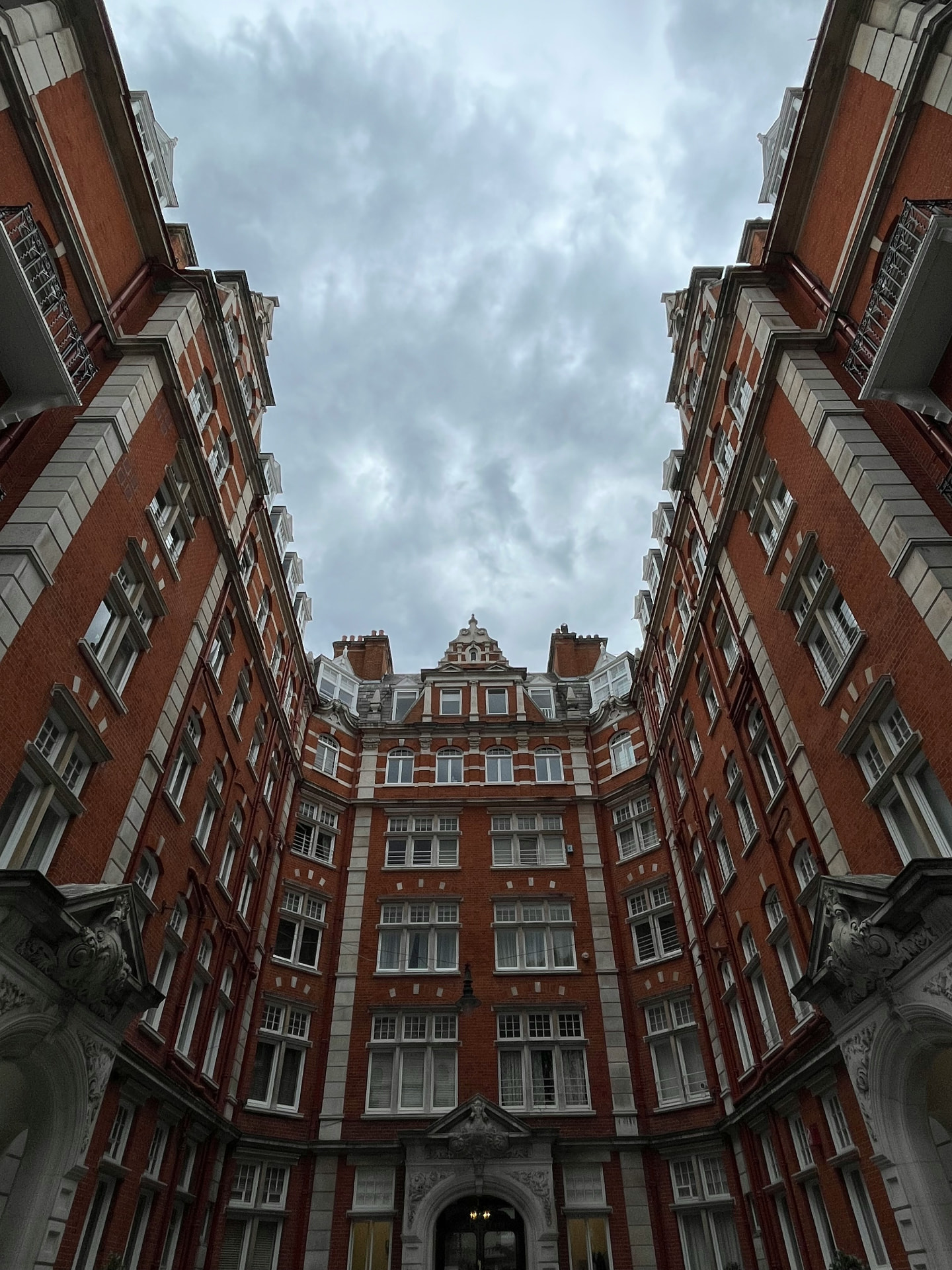
Moving to Barnes offers the rare combination of genuine village character and seamless access to central London. This coveted riverside enclave in southwest London has long attracted families, professionals and creatives who value the abundance of green space, excellent schools and a thriving community spirit. Our team at Seymont London has watched Barnes evolve into one of the capital's most sought-after residential areas, where period properties line tree-shaded streets and the Thames provides a constant backdrop to everyday life. Whether you're relocating to Barnes from another part of London or moving to the capital for the first time, this guide covers everything you need to know about making SW13 your home.
The Barnes property market and what to expect
According to HM Land Registry Price Paid Data, the median property price in Barnes stands at £955,000 based on 58 recent sales. This headline figure masks considerable variation across property types, with terraced houses achieving a median of £1,005,000, while flats offer a more accessible entry point at £650,000. Semi-detached properties command a substantial premium at £2,650,000, reflecting the scarcity of larger family homes in this tightly-held postcode.
For those considering renting before purchasing, ONS data shows studio apartments available from £1,500 to £2,325 per month, whilst one-bedroom properties range from £1,975 to £3,075. Family-sized homes require a more significant commitment, with three-bedroom properties commanding £3,600 to £5,600 monthly, and five-bedroom houses reaching £6,275 to £9,825.
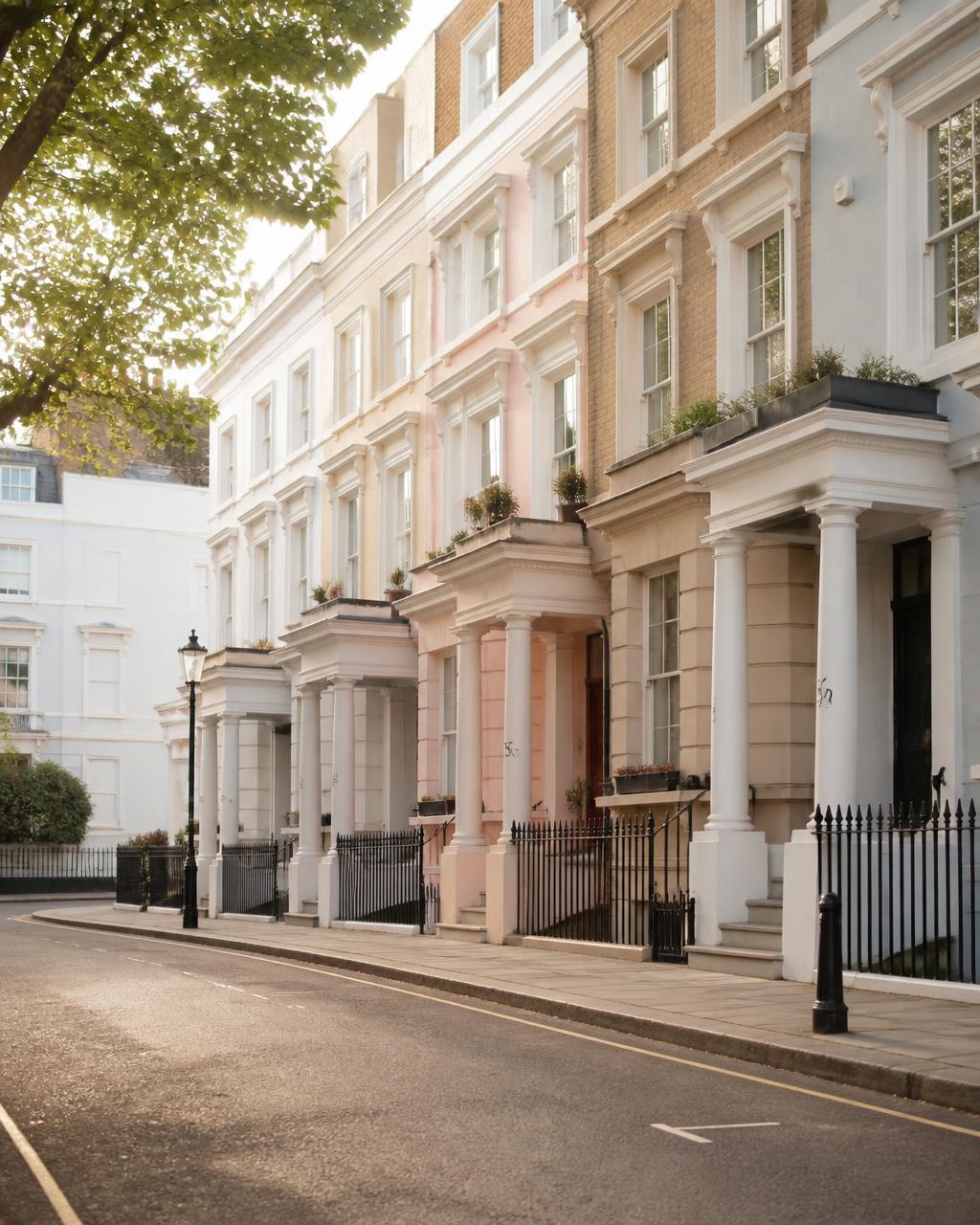
The property stock in Barnes consists predominantly of Edwardian and Victorian terraces, particularly around the conservation areas that define the village centre. Converted flats in handsome period buildings provide alternatives for professionals and downsizers, whilst the rare detached properties—with a median price of £3,270,000—represent the pinnacle of the local market. Our [Barnes property listings](/property-for-sale/barnes) reflect this diverse architectural heritage, from riverside apartments with Thames views to substantial family houses with south-facing gardens.
Understanding [Barnes house prices](/house-prices/barnes) requires recognising the micro-markets within the area: properties near Barnes Pond and the village green consistently achieve premiums, whilst those closer to Barnes Common offer marginally better value without sacrificing the quintessential Barnes lifestyle.
Understanding the Barnes commute and transport connections
The Barnes commute represents one of the area's strongest practical advantages for professionals working in central London. Barnes station on the South Western Railway network provides direct services to Waterloo in approximately 20 minutes, with frequent departures throughout the day. This mainline connection makes relocating to Barnes particularly attractive for those working in Southwark, the City or the West End.
Barnes Bridge station offers an alternative on the same line, providing additional flexibility for residents in the eastern part of the postcode. Both stations benefit from off-peak services that support flexible working patterns, a factor increasingly important in London's evolving employment landscape.
For those who prefer underground services, Hammersmith station—accessible via the 33 or 72 bus routes—connects to the District, Piccadilly, Circle and Hammersmith & City lines. This multimodal accessibility means Barnes residents can reach King's Cross in under 40 minutes and Liverpool Street in similar time.
The area's road connections serve those who drive, with the A205 South Circular providing access to the A3 and M25. However, we always advise clients that Barnes village itself operates a Low Traffic Neighbourhood scheme, designed to prioritise pedestrians and cyclists whilst reducing through traffic. Parking can be challenging in the conservation areas, though most period properties include off-street provision or access to residents' permits.
Schools, community and the Barnes lifestyle
Education consistently ranks among the primary motivations for families moving to Barnes. The area boasts a concentration of outstanding state primary schools including The Lowther, Barn Elms and East Sheen Primary, all of which maintain competitive catchment areas that influence property values within their designated zones. The Harrodian School and Swedish School provide well-regarded independent alternatives.
Secondary education options include the London Oratory School and Lady Margaret School, both selective state schools with exceptional reputations, alongside independent options within easy reach in neighbouring Hammersmith and Richmond. We frequently work with families whose property search is explicitly defined by school catchment boundaries, making early research essential for those with school-age children.
Beyond education, Barnes village sustains a genuine high street with independent butchers, fishmongers, delicatessens and a Sunday farmers' market on the village green. The Olympic Studios cinema and cultural venue anchors a thriving arts scene, whilst the annual Barnes Music Festival and Literature Festival draw participants from across southwest London.
The Wetland Centre—a 105-acre nature reserve managed by the Wildfowl & Wetlands Trust—provides a remarkable urban sanctuary, whilst Barnes Common and Barn Elms playing fields offer extensive recreational space. The riverside Thames Path passes directly through the area, creating a circular walking route that has become emblematic of the Barnes lifestyle. This combination of cultural amenities and green space distinguishes Barnes from other affluent London suburbs and justifies the premium property prices.
Talk to Seymont
What's your home worth?
A considered view on price, timing and how to bring your London home to market — a personal reply within 24 hours.
Your property
Step 1 of 2Barnes council tax and practical considerations
Barnes falls within the London Borough of Richmond upon Thames, which administers local services and collects Barnes council tax. For the current financial year, Band D properties pay £2,012.11, though most family homes fall into higher bands given the local property values. A typical terraced house valued at £1,005,000 would likely sit in Band F or G, with corresponding council tax of £3,266.68 or £3,918.79 annually.
These council tax contributions support services that Richmond upon Thames consistently delivers to a high standard. The borough regularly ranks among London's best for street cleanliness, recycling rates and park maintenance—factors immediately apparent when exploring Barnes on foot.
For those [letting property in Barnes](/let-your-property/barnes), understanding selective licensing requirements is essential. Richmond Council requires landlords to license properties in certain categories, and maintaining compliance protects both landlords and tenants whilst preserving the area's residential character.
Utility connections in Barnes are reliable, though some period properties may require upgrades to electrical systems or boiler installations to meet current efficiency standards. Broadband infrastructure has improved substantially in recent years, with fibre-to-the-premises available across most of the postcode—an important consideration for home workers.
Flood risk deserves mention for properties closest to the Thames, particularly those on Riverside terraces. The Environment Agency maintains detailed flood maps, and we always advise clients to review these and consider appropriate insurance. That said, flood defence improvements have substantially reduced risks in recent decades, and riverside properties remain among Barnes's most desirable addresses.
Working with estate agents in Barnes
The Barnes property market moves quickly, particularly for well-presented family homes within prime school catchments. Properties in the £1-2 million range—the sweet spot for terraced houses—often receive multiple offers within days of listing, making preparation and decisiveness essential for serious buyers.
Our [Barnes estate agency team](/estate-agents/barnes) emphasises the importance of understanding your priorities before viewing begins. School catchments, garden orientation, parking provision and period features all influence value, and clarity about your non-negotiables streamlines the search process considerably.
For sellers, presentation matters enormously in a market where buyers expect high specifications. Period features should be sympathetically restored rather than removed, whilst kitchens and bathrooms benefit from contemporary updates that respect the property's character. Gardens—particularly those backing onto Barnes Common or offering southern aspects—add disproportionate value and deserve investment before marketing.
The seasonal rhythm of the Barnes market follows school terms closely, with activity peaking in January through March as families position themselves for September school starts, then again in September and October. Late December and August typically see reduced activity, though serious buyers continue searching year-round.
Whether buying, selling or renting, working with professionals who understand Barnes's distinct micro-markets—from Castelnau to Riverside, from the village centre to Barnes Common—ensures you navigate this competitive market effectively and secure the property that best serves your long-term needs.
Talk to Seymont
What's your home worth?
A considered view on price, timing and how to bring your London home to market — a personal reply within 24 hours.
Your property
Step 1 of 2About the author
Nina CastellanoInvestment Property Advisor
Nina advises landlords and investors on rental yields, tenant demand and portfolio structure across Greater London, after running lettings and management at Bellhouse Property Partners. She has overseen single units and multi-property portfolios, and works through compliance, void periods and running costs before a purchase is agreed. Her articles deal with the numbers behind a buy-to-let rather than the headline gross yield.
Lettings and portfolio management · 9 years in London rentals
- Buy-to-let
- Rental yields
- Portfolio strategy
- Landlord compliance
Frequently asked
- Is Barnes a good area to live in London?
- Barnes consistently ranks among London's most desirable residential areas, combining village character with excellent transport links to central London. The area offers outstanding schools, abundant green space including Barnes Common and the Wetland Centre, and a thriving high street with independent shops and cultural venues. Property values reflect this desirability, with the median house price at £955,000 according to HM Land Registry data, but many residents consider the premium worthwhile for the exceptional quality of life Barnes provides.
- How long does it take to commute from Barnes to central London?
- Barnes station provides direct South Western Railway services to Waterloo in approximately 20 minutes, making the Barnes commute highly competitive for southwest London. Barnes Bridge offers an alternative station on the same line. For destinations served by the Underground, the 33 or 72 buses connect to Hammersmith station in 15-20 minutes, from where the District, Piccadilly, Circle and Hammersmith & City lines reach central locations. Most residents reach their central London workplaces within 30-45 minutes door-to-door.
- What is the council tax in Barnes?
- Barnes council tax is administered by the London Borough of Richmond upon Thames. For the current financial year, Band D properties pay £2,012.11 annually. However, given local property values, most family homes fall into higher bands—a typical terraced house valued around £1 million would likely incur Band F or G council tax of £3,266.68 or £3,918.79 respectively. These contributions support Richmond's consistently high-quality local services.
- What types of properties are available in Barnes?
- Barnes property stock consists predominantly of Edwardian and Victorian terraced houses, particularly in the conservation areas around the village centre. According to recent HM Land Registry data, terraced properties have a median price of £1,005,000, whilst flats—often conversions within period buildings—offer a more accessible entry point at £650,000 median. Semi-detached houses command £2,650,000 median, with rare detached properties reaching £3,270,000. Architectural quality is consistently high, with many properties retaining original period features.
- Are there good schools in Barnes?
- Barnes offers exceptional education provision, which drives much of the family demand for property in the area. Outstanding state primary schools include The Lowther, Barn Elms and East Sheen Primary, all with competitive catchment areas. Secondary options include the London Oratory School and Lady Margaret School, both selective state schools with excellent reputations. Independent alternatives include The Harrodian School and Swedish School. School catchment boundaries significantly influence property values, so families relocating to Barnes should research admissions criteria early in their property search.