Journal
Barnes House Prices in 2026
Written by Julian Reyes · Licensed Real Estate Agent
Published 23 November 2025 · Updated 27 March 2026 · 5 min read
The short answer
Barnes house prices continue to reflect the enduring appeal of this quintessentially English riverside village in southwest London. With its independent shops lining Barnes High Street, expansive Common, and celebrated Wetland Centre, Barnes remains one of the capital's most coveted residential enclaves.
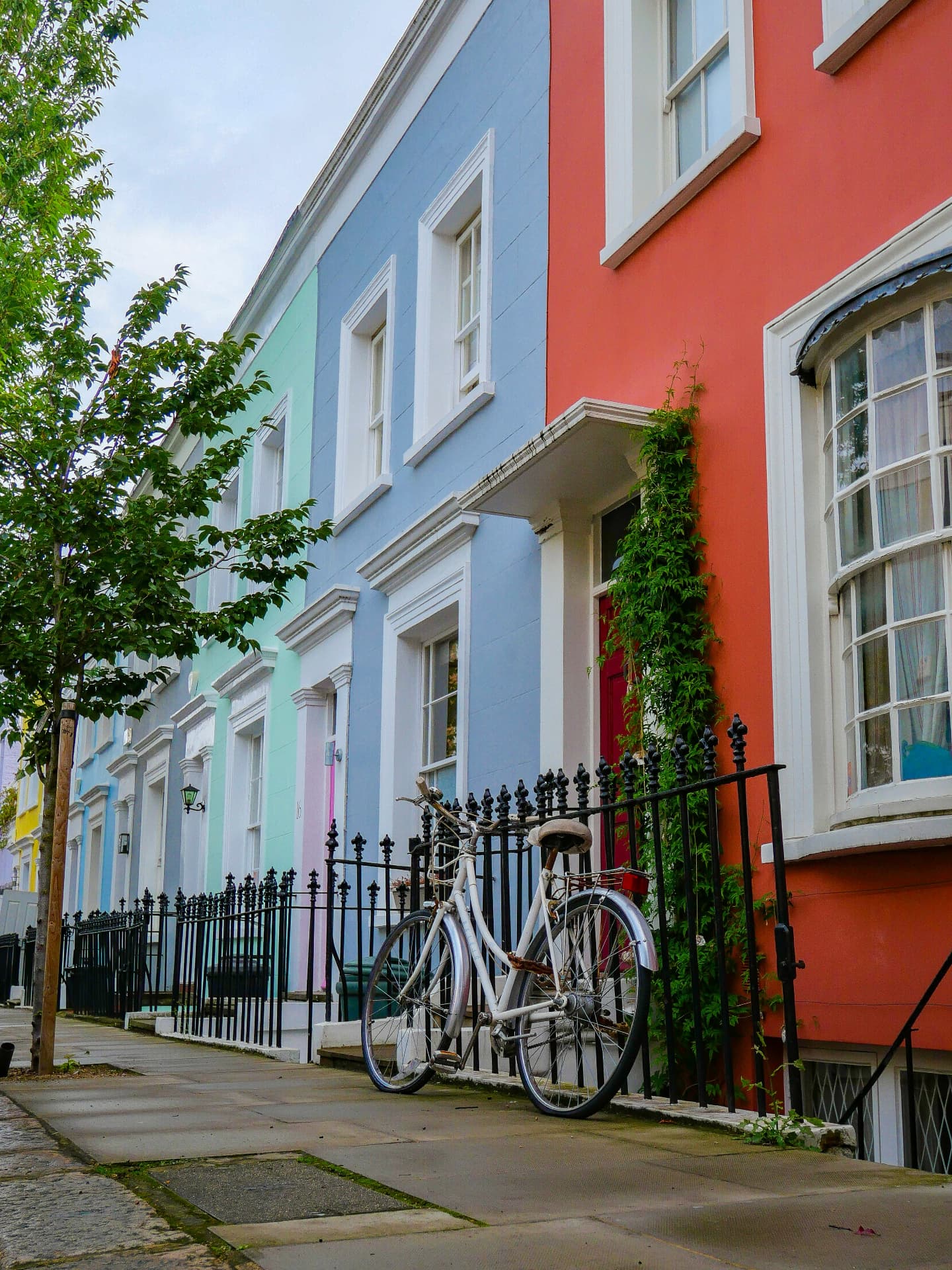
Barnes house prices continue to reflect the enduring appeal of this quintessentially English riverside village in southwest London. With its independent shops lining Barnes High Street, expansive Common, and celebrated Wetland Centre, Barnes remains one of the capital's most coveted residential enclaves. According to HM Land Registry data, the median property price in Barnes stood at £955,000 in 2026, based on 58 recorded sales. Our team at Seymont London examines the latest market dynamics shaping Barnes property prices, from Victorian terraces near the pond to contemporary riverside apartments, providing insight into what buyers and sellers can expect in this distinguished SW13 postcode.
Average House Price Barnes: Market Overview by Property Type
The average house price Barnes varies considerably depending on property type, reflecting the area's diverse architectural character. Semi-detached homes commanded the strongest performance, with a median of £2,650,000 across nine transactions, ranging from £875,000 to £3,250,000. These substantial family residences, many dating from the Edwardian era with generous gardens backing onto quiet tree-lined roads, consistently attract families seeking space and tranquillity within Zone 3.
Terraced properties represented the largest segment of the market with 26 sales and a median price of £1,005,000. Barnes sold prices for terraced homes ranged from £564,550 to £1,950,000, demonstrating the premium attached to period features, proximity to Barnes Common, and properties benefiting from lateral extensions. The two detached homes that changed hands showed remarkable variation, with a median of £3,270,000 but individual sales ranging from £590,000 to £5,950,000, the latter likely representing one of the substantial Arts and Crafts houses near Barn Elms or Castelnau.
Flats and apartments, increasingly popular among downsizers and young professionals, recorded a median price of £650,000 across 21 transactions. According to HM Land Registry data, Barnes property prices for flats spanned from £329,400 for smaller conversions to £1,200,000 for lateral apartments in prestigious mansion blocks or modern riverside developments. This sector offers a more accessible entry point to Barnes living whilst maintaining proximity to the village's amenities and excellent transport links to central London.
What Drives Barnes Property Prices in 2026
Barnes' enduring residential appeal stems from its remarkable ability to balance urban connectivity with village charm. The area benefits from Barnes Bridge and Barnes stations providing regular South Western Railway services to Waterloo in under 25 minutes, whilst retaining an almost self-contained character defined by the Common, the Thames Path, and a thriving independent retail scene. This combination proves particularly attractive to families prioritising outstanding state and independent schools, including The Harrodian, St Paul's School, and high-performing primary schools within catchment.
The architectural heritage spanning Georgian villas, substantial Victorian and Edwardian family homes, and sensitively designed modern developments continues to underpin Barnes house prices. Conservation areas covering much of Barnes Village, Castelnau, and the roads surrounding Barnes Common preserve the district's aesthetic integrity whilst permitting thoughtful extensions and refurbishments. Properties demonstrating successful modernisation—particularly those incorporating open-plan kitchen-dining spaces, landscaped gardens, and period features—achieve significant premiums.
Lifestyle amenities further distinguish Barnes from neighbouring areas. The 120-acre Barnes Common, WWT London Wetland Centre, and riverside walks create an environment rare in inner London, whilst the concentration of independent shops, cafes, and restaurants along Church Road and White Hart Lane fosters genuine community cohesion. Our team observes that buyers specifically targeting Barnes, rather than considering it alongside multiple southwest London options, often cite this distinctive character as decisive, contributing to price resilience even during broader market uncertainty.
Barnes Sold Prices: Neighbourhood Variations
Within Barnes itself, distinct micro-markets command varying price points based on proximity to the Common, river access, and street character. The roads immediately surrounding Barnes Pond and Common—including Castelnau, Milbourne Grove, and the streets between Barnes High Street and the railway—consistently achieve premium Barnes sold prices due to direct Common access and substantial Victorian and Edwardian stock. Properties here frequently benefit from south-facing rear gardens and the intangible value of Common views.
The riverside quarter, encompassing developments along Lonsdale Road and the Thames Path, attracts different buyer demographics. Contemporary apartments and converted warehouses appeal to downsizers, professionals, and international buyers prioritising riverside aspects and modern specifications over period character. These properties, whilst commanding strong prices per square foot, often transact at lower absolute values than equivalent-sized family houses in prime Barnes Village locations.
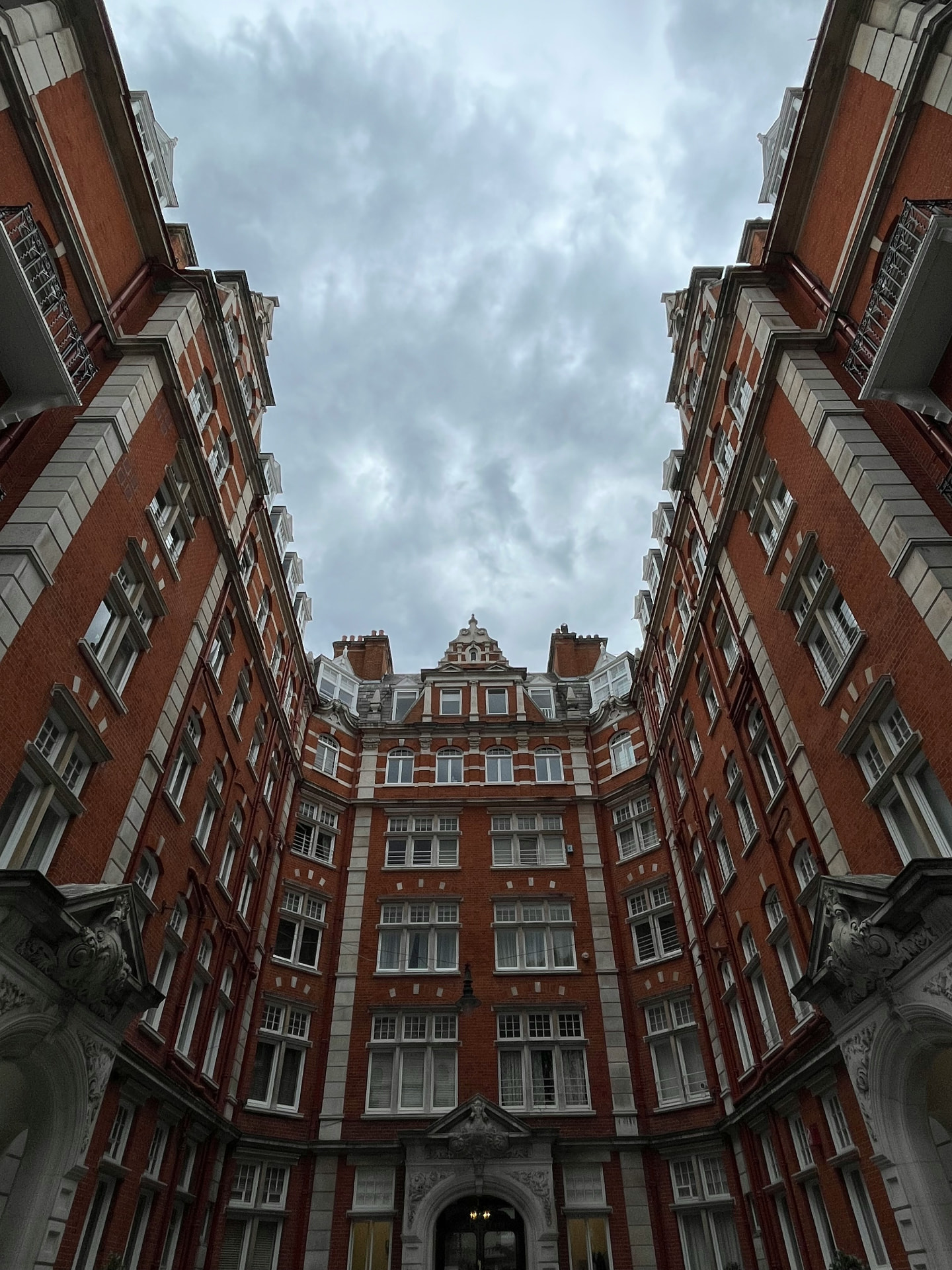
The Castelnau corridor, stretching towards Hammersmith Bridge, presents varied opportunities from mansion flats in red-brick Edwardian buildings to substantial family homes on generous plots. This area offers marginally more accessible Barnes property prices whilst maintaining excellent schools access and community facilities. Meanwhile, the roads between Barnes station and East Sheen—including Upper Richmond Road West approaches—provide transition zones where buyers can access Barnes' catchments and amenities at entry-level price points, particularly for flats and smaller terraced properties.
Talk to Seymont
What's your home worth?
A considered view on price, timing and how to bring your London home to market — a personal reply within 24 hours.
Your property
Step 1 of 2Rental Market: Investment Perspective on Barnes House Prices
The rental market provides essential context for understanding Barnes house prices from an investment perspective. ONS data indicates studio apartments command monthly rents between £1,500 and £2,325, whilst one-bedroom flats range from £1,975 to £3,075. For families, three-bedroom properties typically rent between £3,600 and £5,600 monthly, rising to £4,800–£7,475 for four-bedroom homes, and £6,275–£9,825 for larger family houses with five or more bedrooms.
These rental values reflect consistent tenant demand from relocating professionals, families in temporary accommodation whilst searching for purchases, and international assignees prioritising school catchments and quality of life. The rental market's strength provides reassurance to investors and demonstrates the fundamental demand supporting Barnes property prices. Yield considerations vary significantly by property type, with flats typically offering superior percentage returns compared to multi-million-pound family homes, though the latter demonstrate stronger capital appreciation over extended periods.
Our team at Seymont London observes that landlords achieving premium rents invariably present properties in exceptional condition with contemporary kitchens and bathrooms, well-maintained gardens, and attractive period features where applicable. The build-to-rent sector remains limited in Barnes compared to other London districts, with the market dominated by private landlords, many of whom have held properties for extended periods and benefit from substantial equity appreciation since purchase.
Market Outlook and Considerations for 2026
Looking ahead through 2026, several factors will influence Barnes house prices and market dynamics. Interest rate trajectories and mortgage availability remain fundamental determinants of buyer capacity, particularly for family homes exceeding £1.5 million where borrowing constitutes a significant component of purchase finance. Stamp duty considerations continue to affect transaction volumes, with buyers carefully timing moves to optimise tax efficiency.
Supply constraints persistently characterise the Barnes market. The area's geographic boundaries—defined by the Thames, Common, and railway lines—limit development opportunities, whilst conservation protections preserve existing character. New supply predominantly comprises conversions, renovations, and selective infill developments rather than large-scale housebuilding. This structural supply limitation underpins price resilience, particularly for well-presented family homes in prime locations.
For those considering entering the Barnes market, whether [purchasing property in Barnes](/property-for-sale/barnes) or [understanding local market dynamics](/house-prices/barnes) more thoroughly, we recommend focusing on properties offering flexibility for modern family life whilst respecting period character. The market rewards quality, condition, and location above all factors. Sellers benefit from understanding precisely where their property sits within Barnes' micro-markets and presenting homes to showcase their finest attributes. Our [Barnes estate agents team](/estate-agents/barnes) provides detailed market appraisals drawing on comprehensive local knowledge and current transaction data to guide both buyers and sellers through Barnes' distinctive property landscape.
Talk to Seymont
What's your home worth?
A considered view on price, timing and how to bring your London home to market — a personal reply within 24 hours.
Your property
Step 1 of 2About the author
Julian ReyesLicensed Real Estate Agent
Julian has spent eleven years handling residential sales across west and central London, previously with the independent agencies Harlowe & Vance and Marchmont Row. He runs listings end to end, from pricing and presentation through to negotiating offers and holding chains together to completion. His writing focuses on the practical mechanics of buying and selling a home in a market where timing and preparation decide the outcome.
Licensed estate agent · 11 years in London residential sales
- Residential sales
- First-time buyers
- Offer negotiation
- Chain management
Frequently asked
- What is the average house price in Barnes in 2026?
- According to HM Land Registry data, the median house price in Barnes stands at £955,000 based on 58 recorded sales in 2026. This figure varies significantly by property type, with terraced homes at a median of £1,005,000, flats at £650,000, semi-detached properties at £2,650,000, and detached houses at £3,270,000.
- Why are Barnes property prices higher than surrounding areas?
- Barnes commands premium property prices due to its unique combination of village character, 120-acre Common, riverside location, and exceptional connectivity to central London with trains to Waterloo in under 25 minutes. Outstanding schools, independent shops, conservation areas preserving architectural heritage, and the WWT London Wetland Centre create an environment rarely replicated elsewhere in inner London, sustaining consistent buyer demand.
- Which are the most expensive streets in Barnes?
- The most expensive properties in Barnes typically cluster around Barnes Common, Castelnau, and roads with direct Common access such as Milbourne Grove and the streets between Barnes High Street and the railway. Riverside locations along the Thames Path and substantial detached houses near Barn Elms also command premium prices, particularly those combining period character with generous gardens and south-facing aspects.
- Is Barnes a good area for property investment?
- Barnes offers strong fundamentals for property investment, including structural supply constraints, consistent tenant demand, and proximity to central London employment hubs. Rental yields vary by property type, with flats offering superior percentage returns whilst larger family homes demonstrate robust capital appreciation. The area's established character, outstanding schools, and lifestyle amenities underpin long-term demand from both buyers and tenants.
- How do Barnes house prices compare for flats versus houses?
- Barnes house prices show substantial variation between property types. Flats recorded a median of £650,000 (ranging from £329,400 to £1,200,000), providing more accessible entry points to the area. Terraced houses achieved a median of £1,005,000, semi-detached homes £2,650,000, and detached properties £3,270,000. This spread reflects Barnes' diverse housing stock catering to different buyer demographics from young professionals to established families.