Journal
Barnes Property Market Report
Written by Amara Bennett · Property Market Analyst
Published 8 November 2025 · Updated 27 March 2026 · 7 min read
The short answer
The Barnes property market continues to attract discerning buyers seeking a rare combination of village charm and riverside sophistication within easy reach of central London. Our team has analysed the latest transaction data to provide a comprehensive overview of current conditions, price movements and investment potential in this sought-after SW13 postcard.
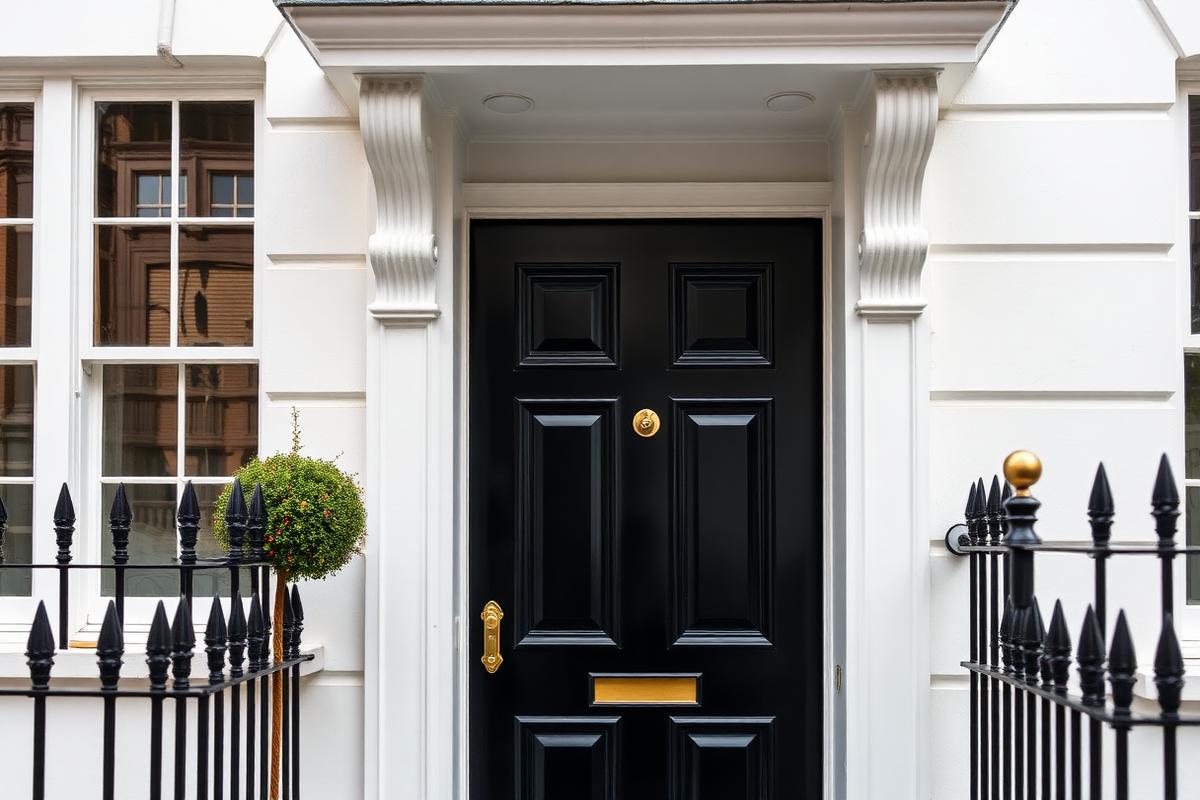
The Barnes property market continues to attract discerning buyers seeking a rare combination of village charm and riverside sophistication within easy reach of central London. Our team has analysed the latest transaction data to provide a comprehensive overview of current conditions, price movements and investment potential in this sought-after SW13 postcard. With its tree-lined streets, thriving independent retail quarter and commanding position on the Thames, Barnes remains one of west London's most distinguished residential addresses, offering both period elegance and contemporary waterside living.
Current Barnes Housing Market Overview
According to HM Land Registry Price Paid Data, Barnes recorded 58 property transactions with a median sale price of £955,000. This figure reflects the area's enduring appeal across a diverse housing stock that ranges from riverside apartments to substantial family homes on the commanding roads that radiate from Barnes Common.
The Barnes housing market demonstrates significant variation by property type, with semi-detached houses commanding a median price of £2,650,000—testimony to the scarcity and architectural quality of these substantial family homes. Terraced properties, which form the backbone of the local market with 26 transactions, achieved a median of £1,005,000, whilst flats offered a more accessible entry point at £650,000 median. The limited number of detached houses that changed hands—just two transactions—underscores their rarity in this compact riverside enclave.
What distinguishes Barnes from neighbouring markets is the consistency of demand across all property types. Whether buyers seek a contemporary apartment overlooking the Wetland Centre, a Victorian terrace on one of the quiet roads near the Pond, or a substantial Edwardian family house, the area delivers exceptional quality of life that justifies the premium. Our [estate agents in Barnes](/estate-agents/barnes) observe that properties combining period character with modernised interiors continue to attract multiple offers, particularly when they offer outdoor space—a feature highly prized in this verdant corner of London.
Barnes Price Trends and Market Dynamics
The Barnes price trend data reveals a market characterised by resilience rather than volatility. The spread between minimum and maximum values—particularly evident in the semi-detached sector where prices ranged from £875,000 to £3,250,000—reflects the diversity of stock, from more modest family homes requiring refurbishment to fully renovated houses on the most prestigious roads approaching Barnes Hill.
Terraced properties, with transaction prices spanning £564,550 to £1,950,000, demonstrate how location, condition and garden size can substantially influence value within a single property type. Streets closest to Barnes village, with its exceptional array of independent shops, cafés and restaurants, typically command a premium, as do homes within the catchment areas of the area's outstanding schools. The flat market showed a similarly broad range, from £329,400 to £1,200,000, encompassing both modest conversion apartments and spacious lateral flats in purpose-built riverside developments.
For those monitoring the investment landscape, these figures suggest that Barnes continues to hold its value proposition. The median prices across categories reflect a mature market where quality and location drive pricing rather than speculative excess. Our team notes that properties achieving prices at the upper end of their category share common characteristics: exceptional presentation, outdoor space, proximity to the Thames Path or Barnes Common, and often, recent high-specification refurbishment that respects original architectural features whilst incorporating contemporary living standards.

Is Barnes a Good Investment? Rental Market Insights
When considering the question 'is Barnes a good investment?', the rental market provides crucial evidence. ONS rental data reveals robust demand across all property sizes, with studios commanding £1,500–£2,325 per month, whilst five-bedroom properties achieve £6,275–£9,825 monthly—figures that reflect the area's appeal to both young professionals and established families.
The rental market demonstrates particular strength in the two- and three-bedroom sectors, where monthly rents of £2,700–£4,200 and £3,600–£5,600 respectively attract tenants seeking the Barnes lifestyle without the capital commitment of purchase. These tenants typically value the area's excellent transport links—with Barnes Bridge and Barnes stations providing direct routes into Waterloo and Clapham Junction—alongside the abundance of green space and the village's cultural amenities, including the Olympic Studios cinema and the annual Barnes Music Festival.
From an investment perspective, Barnes offers several compelling attributes. The area's housing stock is finite, bounded by the Thames, Richmond Park approaches and the Wetland Centre, creating natural scarcity. The outstanding school provision, both state and independent, ensures consistent demand from families willing to pay a premium for educational access. Furthermore, the neighbourhood's evolution—with significant regeneration around Barnes Bridge and the ongoing enhancement of retail and dining options along Church Road—suggests continued capital appreciation potential. Investors should note, however, that Barnes attracts long-term owner-occupiers rather than transient populations, meaning rental voids tend to be minimal but tenant turnover lower than in more central locations.
For those exploring [property for sale in Barnes](/property-for-sale/barnes), understanding the rental yields alongside capital values provides a complete investment picture, particularly for those considering buy-to-let opportunities or properties that might serve initially as rentals before becoming family homes.
Talk to Seymont
What's your home worth?
A considered view on price, timing and how to bring your London home to market — a personal reply within 24 hours.
Your property
Step 1 of 2The Barnes Lifestyle: Beyond the Numbers
Statistics alone cannot capture what makes Barnes exceptional. The area's defining characteristic is its village identity—genuine rather than contrived—where independent retailers thrive, residents patronise local establishments, and community events bring neighbours together on the Common and Pond throughout the year. This social fabric, rare in London, contributes materially to property values and rental demand.
The natural environment constitutes another fundamental asset. Barnes Common's 120 acres provide space for recreation, dog walking and seasonal events, whilst the Thames Path delivers riverside walks through landscapes that shift dramatically with the tides. The London Wetland Centre—a 105-acre urban oasis—attracts naturalists and families alike, offering an extraordinary amenity literally on residents' doorsteps. These green credentials appeal particularly to buyers relocating from central London who seek space without sacrificing urban connectivity.
Cultural and recreational amenities further distinguish the area. The Olympic Studios, converted from the legendary recording venue where countless classic albums were made, now houses a boutique cinema, café-bar and brasserie. Independent bookshops, delicatessens, and specialist retailers populate Church Road and the Barnes High Street, whilst gastropubs and restaurants—several with Thames views—provide dining options that rival central London offerings. For families, the combination of state primary schools with Outstanding Ofsted ratings and proximity to some of London's finest independent schools makes Barnes particularly magnetic.
Transport infrastructure, whilst perhaps less extensive than more central locations, proves entirely adequate for the demographic Barnes attracts. Both rail stations provide regular services into Waterloo in under 25 minutes, whilst road links via the A205 South Circular and proximity to the A4 and M4 facilitate travel across London and beyond. Our experience suggests that buyers choosing Barnes actively seek a neighbourhood where walking and cycling form part of daily life, rather than areas defined primarily by transport interchange capacity.
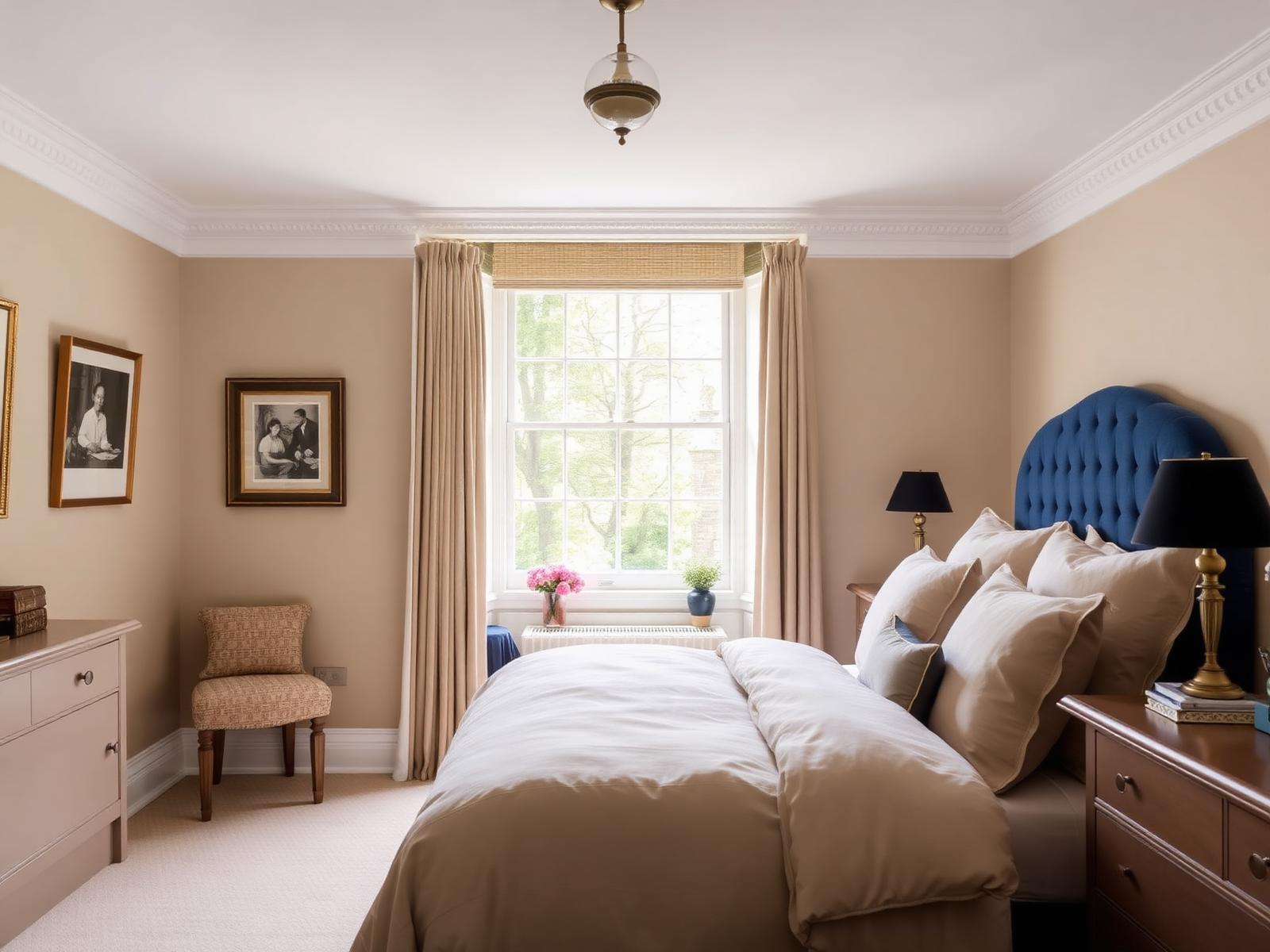
Property Types and Architectural Character
Barnes's architectural heritage spans from elegant Georgian townhouses through Victorian and Edwardian terraces to well-designed post-war developments and contemporary riverside apartments. This diversity ensures the market can accommodate various budgets and lifestyle requirements whilst maintaining a coherent aesthetic character throughout the neighbourhood.
The terraced housing stock, predominantly Victorian and Edwardian, features the proportions, ceiling heights and period details that make London homes internationally coveted. Many retain original features—sash windows, ornate cornicing, fireplaces—that purchasers increasingly value, particularly when complemented by sympathetic modernisation of kitchens and bathrooms. The more substantial semi-detached and detached houses, often found on roads approaching Barnes Hill and on the western fringes near Rocks Lane, offer the scale required by larger families, frequently with gardens substantial enough for home offices, studios or leisure facilities.
Flat developments range from conversions within handsome Victorian villas to purpose-built riverside schemes that capitalise on Thames views. The latter, particularly those constructed over the past two decades, deliver contemporary specifications—secure parking, porter services, private terraces—that appeal to professionals and downsizers seeking low-maintenance luxury. For those investigating [house prices in Barnes](/house-prices/barnes), understanding how architectural style and period influence value proves essential to making informed decisions.
Our observations suggest that condition matters as much as property type in determining price. Homes requiring comprehensive refurbishment typically attract builders and developers capable of managing major works, whilst those already renovated to high standards command premium prices from buyers seeking immediate occupancy. The trend towards combining sustainable technologies—solar panels, heat pumps, advanced insulation—with period restoration continues to strengthen, appealing to environmentally conscious purchasers who recognise that Barnes's green character extends beyond its parks and riverside.
Looking Ahead: Market Prospects
The Barnes property market enters the coming period from a position of fundamental strength. Demand consistently exceeds supply, particularly for family houses with gardens and well-specified apartments. The area's established character means dramatic transformation is unlikely—a stability that underpins long-term value but also limits new housing supply.
Several factors suggest continued market resilience. London's structural housing shortage affects all quality residential locations, but particularly those, like Barnes, where geographic constraints prevent expansion. The ongoing appeal of hybrid working arrangements has, if anything, enhanced Barnes's attractiveness—residents can maintain central London careers whilst enjoying village amenities and abundant green space for the days they work from home. This shift has somewhat insulated Barnes from concerns that affected locations entirely dependent on daily commuting patterns.
For prospective sellers, the market rewards preparation. Properties presented in excellent condition, with professional marketing and realistic pricing, consistently achieve optimal outcomes. Our team advises homeowners considering a sale to invest in presentation—decluttering, minor repairs, garden maintenance—that allows buyers to envisage themselves in the space. For those exploring opportunities to [let your property in Barnes](/let-your-property/barnes), understanding tenant expectations around condition, furnishings and amenities proves equally important to achieving target rents.
The Barnes property market, ultimately, reflects the enduring appeal of a neighbourhood that successfully balances village intimacy with London connectivity, architectural heritage with contemporary comfort, and natural beauty with cultural vitality. These characteristics, difficult to replicate and impossible to manufacture, underpin both current values and future prospects.
Talk to Seymont
What's your home worth?
A considered view on price, timing and how to bring your London home to market — a personal reply within 24 hours.
Your property
Step 1 of 2About the author
Amara BennettProperty Market Analyst
Amara spent seven years as a market analyst at Kestrel Lane Research, a small London property consultancy, before joining our editorial desk. She reads sold-price and rental data street by street to explain how individual London postcode districts actually behave, and reviews every price figure we publish. Her focus is separating headline national averages from what a specific address is worth today.
MSc Real Estate Economics · Seven years in property market research
- Valuations
- Local market data
- Sold prices
- Pricing strategy
Frequently asked
- What is the average house price in Barnes?
- According to HM Land Registry data, the median property price in Barnes is £955,000. However, this varies significantly by property type: flats have a median of £650,000, terraced houses £1,005,000, semi-detached houses £2,650,000, and detached houses £3,270,000. The wide range reflects Barnes's diverse housing stock and the premium commanded by larger family homes.
- Is Barnes a good area to live in London?
- Barnes is widely regarded as one of west London's premier residential neighbourhoods. It combines village character with excellent transport links to central London, offers 120 acres of common land plus the Thames Path and Wetland Centre, features outstanding schools, and maintains a thriving independent retail and dining scene. The area attracts families, professionals and downsizers seeking quality of life alongside urban convenience.
- What are rental prices like in Barnes?
- ONS data shows Barnes rental prices reflect the area's desirability: studios rent for £1,500–£2,325 per month, one-bedroom properties £1,975–£3,075, two-bedroom properties £2,700–£4,200, three-bedroom properties £3,600–£5,600, four-bedroom properties £4,800–£7,475, and five-bedroom properties £6,275–£9,825. These ranges accommodate varying property quality, location and specification.
- How is transport connectivity in Barnes?
- Barnes is served by two railway stations: Barnes and Barnes Bridge, both offering regular services to London Waterloo in approximately 20-25 minutes. Barnes Bridge also connects to Clapham Junction. Whilst the area lacks Underground access, the rail services prove entirely adequate for commuters, and many residents value the neighbourhood's slightly quieter character compared to areas on major Tube lines. Road access via the A205 and proximity to the A4/M4 facilitates wider travel.
- What types of property are most common in Barnes?
- Barnes features predominantly Victorian and Edwardian terraced houses, which form the majority of family homes, alongside semi-detached properties on the more prestigious roads. The flat market includes both period conversions and purpose-built developments, particularly along the riverside. Detached houses are relatively scarce, contributing to their premium pricing. The architectural character is generally traditional, with most properties dating from the late 19th and early 20th centuries, complemented by select modern developments.