Journal
Average Rent in Barnes: Market Analysis and Rental Yields
Written by Thomas Lindqvist · Mortgage & Financing Specialist
Published 30 April 2026 · Updated 18 August 2026 · 6 min read
The short answer
Understanding the average rent in Barnes requires more than a cursory glance at property listings. This riverside village in SW13 has carved out a reputation as one of London's most sought-after residential areas, where Victorian terraces meet village-green charm and the Thames towpath draws families and professionals alike.
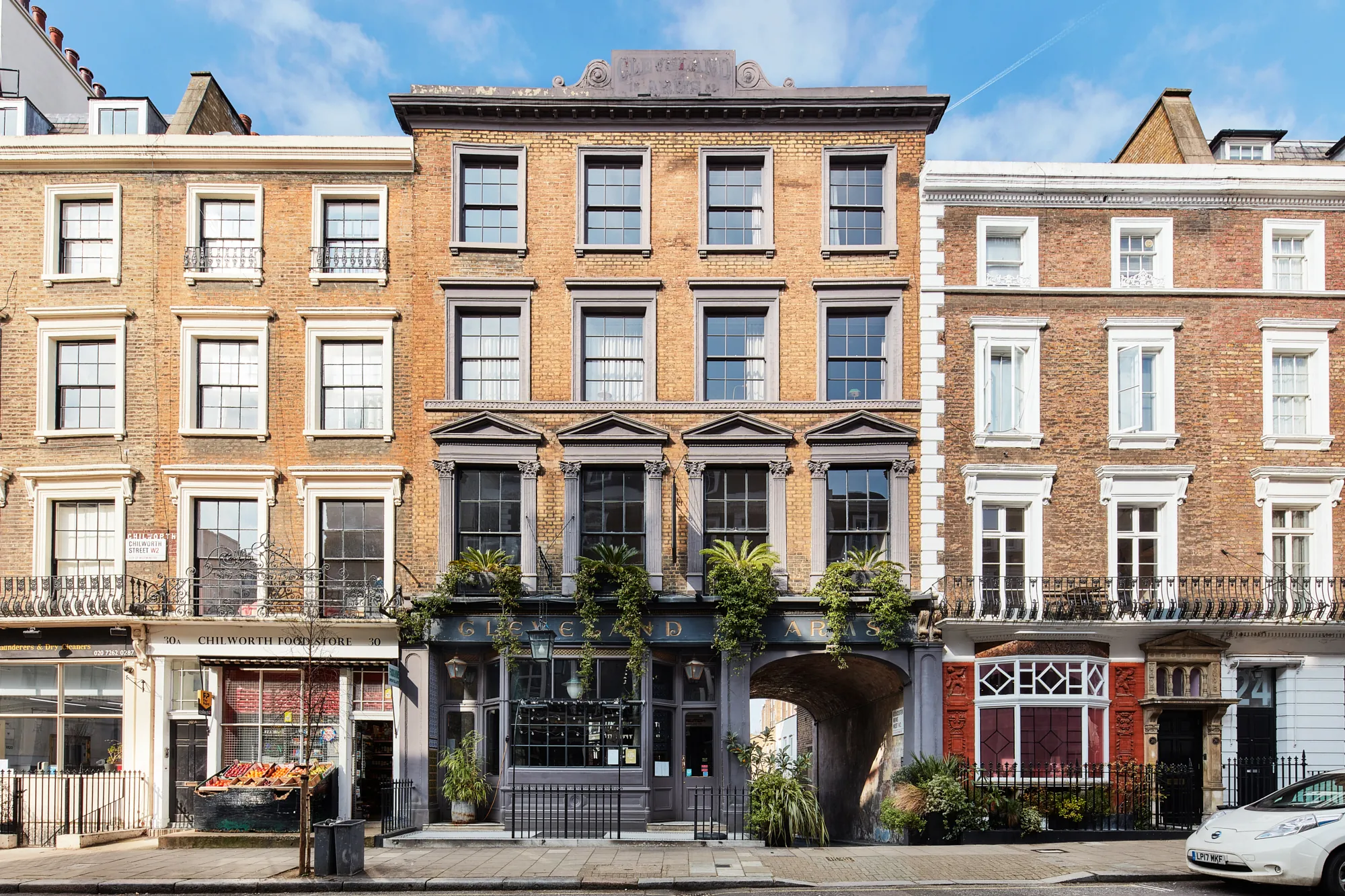
Understanding the average rent in Barnes requires more than a cursory glance at property listings. This riverside village in SW13 has carved out a reputation as one of London's most sought-after residential areas, where Victorian terraces meet village-green charm and the Thames towpath draws families and professionals alike. Our team has analysed the latest HM Land Registry and ONS data to provide a detailed picture of what tenants can expect to pay across different property types, from studios to spacious family homes. Whether you're a landlord assessing Barnes rental yields or a prospective tenant budgeting for a move, this guide offers the insight you need to navigate one of west London's most distinctive rental markets.
Current Barnes Rent Prices by Property Type
The rental landscape in Barnes reflects the area's premium positioning within London's property market. According to the latest ONS data, studio flats command monthly rents between £1,500 and £2,325, offering an entry point for single professionals drawn to the village atmosphere without the full commitment of a larger property.
One-bedroom properties range from £1,975 to £3,075 per calendar month, with the upper end typically reflecting period conversions in the conservation areas around Barnes Green or modern apartments with Thames views. Two-bedroom homes, which represent substantial demand from young couples and small families, sit between £2,700 and £4,200 monthly. These figures demonstrate how much is rent in Barnes compared to neighbouring areas, with the premium justified by exceptional schools, green spaces and transport links.
For families seeking more space, three-bedroom properties range from £3,600 to £5,600, whilst four-bedroom homes command £4,800 to £7,475 per month. At the top end of the market, five-bedroom and larger properties reach £6,275 to £9,825, typically comprising substantial Victorian and Edwardian houses near Barnes Common or the riverside, where period features and generous gardens come as standard.
These Barnes rent prices reflect not just square footage but the intangible qualities that define the area: the independent shops along Church Road, the farmers' market, the Olympic Studios cinema, and that rare sense of community that feels a world away from central London despite being just minutes from Hammersmith.
Barnes Rental Yields and Investment Performance
When we examine Barnes rental yields against recent sales data from HM Land Registry, the investment picture becomes clearer. With 58 recorded sales showing a median property price of £955,000, landlords need to carefully calibrate their expectations against rental income potential.
Flats, with a median sale price of £650,000 and typical two-bedroom rents between £2,700 and £4,200 monthly, offer gross yields approximately in the 5-7% range before costs—competitive for prime London locations. Terraced houses, the quintessential Barnes property type, sold for a median of £1,005,000, and with three-bedroom rental income between £3,600 and £5,600, yields hover around 4-6% gross.
The investment case for Barnes extends beyond simple yield calculations. The area has demonstrated consistent capital appreciation over decades, supported by constrained supply (much of Barnes is conservation area), outstanding schools including The Harrodian and many high-performing state primaries, and the enduring appeal of riverside living. Semi-detached properties, with a median price of £2,650,000, attract families willing to pay premium rents for space and gardens.
Our team observes that landlords in Barnes tend to benefit from longer tenancies than the London average. The village atmosphere and school catchments mean families often stay for years, reducing void periods and turnover costs. This stability factors into the overall return calculation, making Barnes rental yields more attractive when considering total cost of ownership.
Factors Influencing Rental Demand in Barnes
Barnes occupies a distinctive position within London's geography and psychology. Bounded by the Thames to the north and Barnes Common to the south, this SW13 enclave feels almost peninsular, creating a defined community that attracts a specific demographic. The village credentials—independent butchers, delis, and the daily rhythms of school runs and weekend park visits—appeal strongly to families seeking an alternative to central London intensity.
Transport connectivity drives much of the rental demand. Barnes Bridge and Barnes stations provide direct services to Waterloo in under 25 minutes, whilst Hammersmith—with its Piccadilly, District and Circle line connections—sits just across the river. This balance of accessibility and tranquillity positions Barnes perfectly for professionals who work in the City or West End but prioritise quality of life.
The schools question dominates many rental decisions in Barnes. The catchment areas for outstanding state primaries including Barnes Primary School remain tightly drawn, and families frequently time their moves to coincide with application deadlines. This creates seasonal rental demand patterns, with the spring and summer months seeing particular activity as parents secure properties ahead of the September school year.
Green space abundance distinguishes Barnes from much of London. Barnes Common offers 120 acres of woodland and grassland, the Wetland Centre provides an extraordinary wildlife habitat minutes from central London, and the Thames towpath delivers traffic-free walking and cycling routes. These environmental assets translate directly into rental premiums, particularly for properties with direct common or riverside access.
Talk to Seymont
What's your home worth?
A considered view on price, timing and how to bring your London home to market — a personal reply within 24 hours.
Your property
Step 1 of 2How Barnes Rent Prices Compare to Neighbouring Areas
Context matters when assessing whether Barnes represents value. To the east, Hammersmith offers more competitive pricing but lacks the village character and green space. Putney, immediately south across the river, presents similar demographics but with busier high streets and a different architectural character—generally more Edwardian mansion blocks versus Barnes' Victorian terraces.
Mortlake and East Sheen, which border Barnes, offer marginally lower rents whilst sharing some of the same appeal, particularly regarding schools and common access. However, Barnes maintains a premium for its defined village identity and the riverside setting that shapes the entire northern edge of the area. Chiswick to the northeast commands comparable pricing but attracts a slightly different profile—perhaps more transient professionals versus Barnes' family focus.
The premium over outer west London suburbs reflects travel time to central London and the tangible lifestyle difference. Barnes manages to feel genuinely village-like—remarkable for Zone 3 London—whilst maintaining connectivity that makes commuting practical. Our team regularly works with relocating tenants who specifically seek this combination and accept the pricing accordingly.
Within Barnes itself, microclimates exist. Properties near Barnes Pond and the village centre command premiums for walkability and charm, whilst those backing onto the railway might offer better value. The Castelnau area, technically Barnes but with a different character—more traffic, larger conversions—often represents a more affordable entry point whilst retaining the SW13 postcode and many of the same amenities.
Navigating the Barnes Rental Market
For prospective tenants, understanding Barnes rent prices means looking beyond the headline figures. Rental properties here tend to be well-maintained—many landlords are former residents who've relocated but retained their Barnes homes specifically for the strong rental market and emotional attachment to the area. This often translates to responsive landlords and quality fixtures, though expectations run high on both sides.
Timing your search matters significantly. The market sees distinct peaks around school admission cycles, with families beginning searches in January and February for summer moves. Competition intensifies for properties within specific school catchments, where demand can push rents toward the upper end of range figures or beyond for exceptional homes. Our <a href="/property-for-sale/barnes">Barnes property listings</a> demonstrate the quality and variety available across the market.
Landlords considering the Barnes market should recognise that presentation and maintenance standards require attention. Tenants here have options and expectations shaped by the area's overall quality. Properties need to deliver on the lifestyle promise—period features properly maintained, gardens well-kept, modern kitchens and bathrooms even in older buildings. The <a href="/let-your-property/barnes">letting process in Barnes</a> rewards those who invest in their properties appropriately.
Working with <a href="/estate-agents/barnes">estate agents in Barnes</a> who understand the local nuances makes a material difference. We've observed countless instances where properties are positioned incorrectly—either priced optimistically and sitting vacant, or underpriced and generating excessive demand without capturing available value. The micro-market knowledge of streets, catchments, and seasonal patterns shapes successful lettings.
For those interested in the broader property market context, our <a href="/house-prices/barnes">Barnes house prices analysis</a> provides complementary insight into sales values that underpin rental yields. With HM Land Registry data showing detached properties reaching £5,950,000 and even flats spanning from £329,400 to £1,200,000, the diversity of housing stock supports a rental market with genuine choice across price points, even if all sit at the premium end of London's spectrum.
Talk to Seymont
What's your home worth?
A considered view on price, timing and how to bring your London home to market — a personal reply within 24 hours.
Your property
Step 1 of 2About the author
Thomas LindqvistMortgage & Financing Specialist
Thomas advised buyers for a decade at Ashgrove Financial, an independent brokerage, on borrowing capacity, product selection and the full cost of a purchase, including stamp duty, legal fees and lender charges. He follows rate decisions and lender criteria changes and translates them into what a household can realistically afford. His guides cover affordability, remortgaging and the closing costs that buyers routinely underestimate.
CeMAP qualified · Whole-of-market mortgage advice background
- Mortgages
- Affordability
- Closing costs
- Remortgaging
Frequently asked
- What is the average rent for a two-bedroom property in Barnes?
- According to ONS data, two-bedroom properties in Barnes typically rent for between £2,700 and £4,200 per calendar month. The variation depends on factors including property condition, exact location within Barnes, proximity to the village centre or riverside, and whether the property is a period conversion or modern build. Properties within popular school catchments or with garden access tend toward the upper end of this range.
- Are Barnes rental yields competitive for landlords?
- Barnes rental yields typically range from 4-7% gross depending on property type, which is competitive for prime London locations. Flats generally offer higher percentage yields than houses due to lower purchase prices relative to rental income. However, the total return case for Barnes includes strong capital appreciation history, longer average tenancies reducing void periods, and consistent demand from families attracted to schools and village lifestyle. These factors can make overall returns attractive despite yields appearing modest on paper.
- When is the best time to search for rental properties in Barnes?
- The Barnes rental market shows distinct seasonal patterns driven by school admissions. Demand peaks in spring and early summer as families secure properties ahead of the September school year, with searches typically beginning in January through March. This creates competition for properties within specific school catchments. Autumn can offer more choice and potentially better value as demand moderates. However, quality properties in prime locations attract interest year-round, so timing should balance market conditions against individual circumstances.
- How much more expensive is Barnes compared to neighbouring areas?
- Barnes commands a premium of approximately 10-20% over neighbouring Mortlake and East Sheen, reflecting its defined village identity and riverside position. Compared to Putney across the Thames, pricing is broadly similar though Barnes tends slightly higher for equivalent properties. Hammersmith offers more competitive rents but lacks Barnes' village character and green space abundance. The premium reflects tangible differences in lifestyle, community feel, and environmental quality that define Barnes within west London's property landscape.
- What drives rental demand in Barnes?
- Several factors combine to sustain strong rental demand in Barnes: outstanding schools including highly-rated state primaries with tight catchments and prestigious independents like The Harrodian; abundant green space via Barnes Common, the Wetland Centre and Thames towpath; genuine village atmosphere with independent shops and community events; excellent transport links to Waterloo and Hammersmith; and family-friendly environment with low crime and strong community cohesion. These attributes attract professionals and families willing to pay premium rents for quality of life alongside London accessibility.