Journal
Moving to Angel: The Complete Guide
Written by Amara Bennett · Property Market Analyst
Published 15 October 2025 · Updated 2 January 2026 · 8 min read
The short answer
When considering moving to Angel, you're looking at one of London's most culturally rich and well-connected neighbourhoods. Straddling the border between Islington and Clerkenwell, Angel has transformed from a historic coaching inn crossroads into a vibrant urban quarter that seamlessly blends period architecture with modern city living.
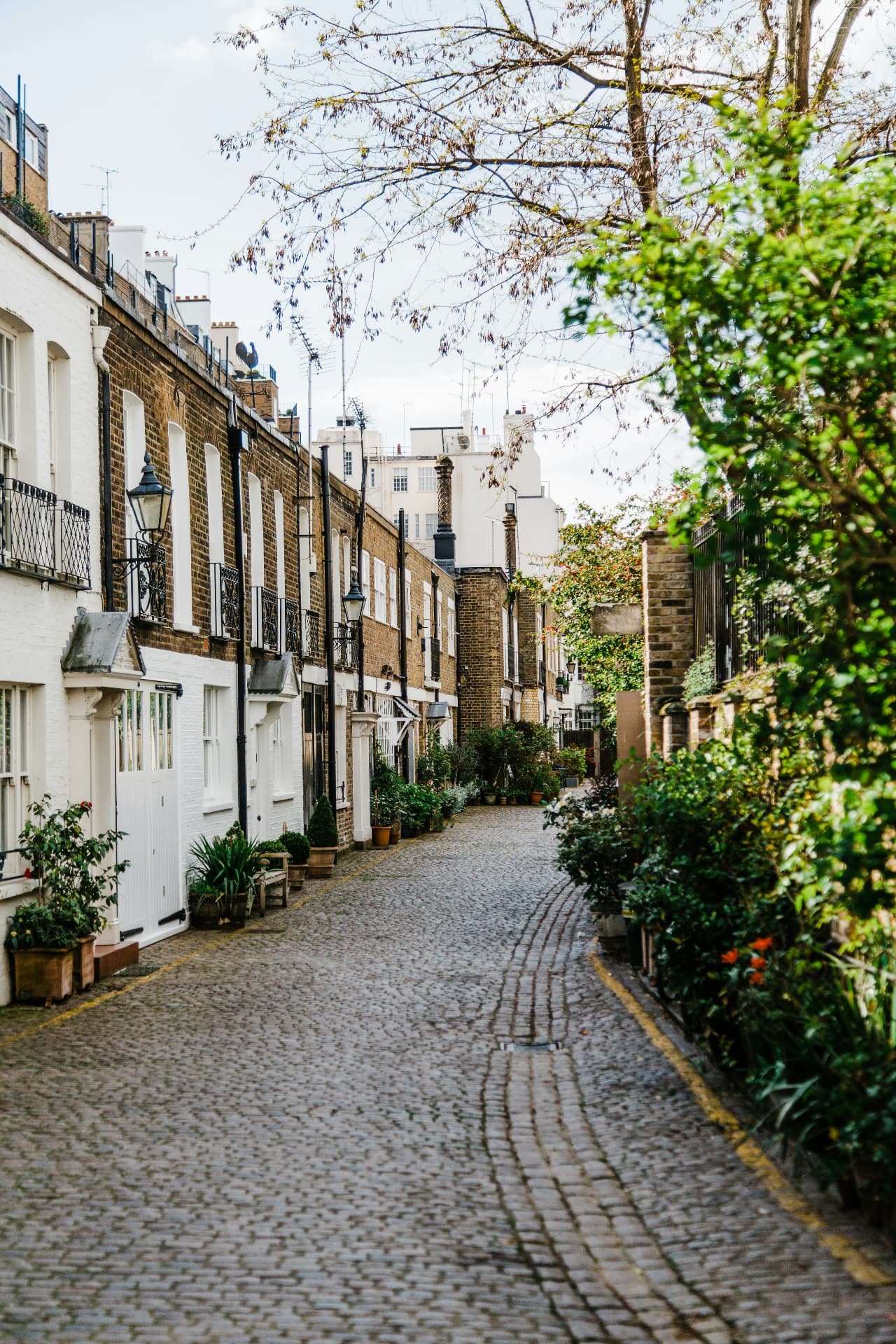
When considering moving to Angel, you're looking at one of London's most culturally rich and well-connected neighbourhoods. Straddling the border between Islington and Clerkenwell, Angel has transformed from a historic coaching inn crossroads into a vibrant urban quarter that seamlessly blends period architecture with modern city living. Our team has witnessed this N1 postcode evolve into one of north London's most sought-after addresses, where Georgian terraces meet contemporary developments and independent businesses thrive alongside established names. Whether you're drawn by the unparalleled transport connections, the celebrated dining scene, or the distinctive urban village atmosphere, this guide will help you understand what makes Angel exceptional.
The Character and Geography of Angel
Angel takes its name from the 17th-century coaching inn that once stood at the junction of Islington High Street and Pentonville Road, a landmark that welcomed travellers approaching London from the north. Today, this intersection remains the neighbourhood's heart, crowned by the distinctive Angel tube station building that has become an iconic local landmark. The area extends roughly from King's Cross in the west to Essex Road in the east, and from Pentonville Road south towards Sadler's Wells and Exmouth Market.
The architectural landscape here tells the story of London's evolution. Elegant Georgian and Victorian terraces line residential streets like Duncan Street, Colebrooke Row, and Noel Road, where Islington's characteristic ironwork balconies and stuccoed facades create an unmistakable aesthetic. These period properties sit alongside post-war developments and contemporary conversions, particularly around the former industrial zones near Regent's Canal. The waterway itself forms a green corridor through the area, with the towpath offering a tranquil walking and cycling route between Little Venice and Limehouse.
Upper Street serves as Angel's commercial spine, running northwards from the main junction. This bustling thoroughfare hosts an exceptional concentration of restaurants, bars, theatres, and independent shops that give the area its distinctive character. The northern reaches transition into more residential Islington, whilst southward the neighbourhood blends into Clerkenwell's creative quarter, creating a unique position at the confluence of several distinct London villages.
We've observed that this geographic diversity means relocating to Angel offers varied living experiences within a compact area. Whether you prefer the buzz of Upper Street, the canal-side calm, or the quieter residential streets radiating outward, the neighbourhood accommodates different lifestyles whilst maintaining excellent connectivity.
Angel Commute and Transport Connections
The Angel commute ranks among London's most convenient, a factor that consistently drives demand in this neighbourhood. Angel tube station sits on the Northern Line, providing direct access to the City in under ten minutes, King's Cross St Pancras in four minutes, and the West End in approximately fifteen minutes. The station's famously long escalator—once Europe's longest—delivers commuters from one of London's best-connected residential areas into the heart of the capital's transport network.
Beyond the Underground, numerous bus routes traverse the area, with services along Upper Street, Pentonville Road, and City Road connecting to virtually every corner of London. King's Cross St Pancras, just ten minutes away, provides Eurostar services to continental Europe alongside domestic rail connections to the north and Midlands. This proximity to multiple stations means Angel residents enjoy backup options when engineering works affect particular lines.
For cyclists, the position between Regent's Canal and Quietway routes provides relatively calm paths into central London, whilst the expanding cycle infrastructure along major roads continues to improve. The area's flat terrain and compact layout make cycling a genuinely practical option for many journeys. Those who drive benefit from direct access to the A1 and proximity to the A501, though like most inner London locations, we'd note that many residents find car ownership unnecessary given the transport alternatives.
The connectivity extends beyond daily commuting. Eurostar from King's Cross puts Paris within 2.5 hours, whilst six London airports lie within accessible distance. This international dimension, combined with local transport density, makes Angel particularly attractive to professionals whose work involves both City presence and international travel.
Property Market and Living Costs
Understanding the financial landscape is essential when moving to Angel. According to HM Land Registry data, the property market here reflects the area's prime central London position and exceptional amenities. Whilst recent transaction data shows limited activity in specific periods, the broader N1 postcode consistently commands premium values due to sustained demand and constrained supply.
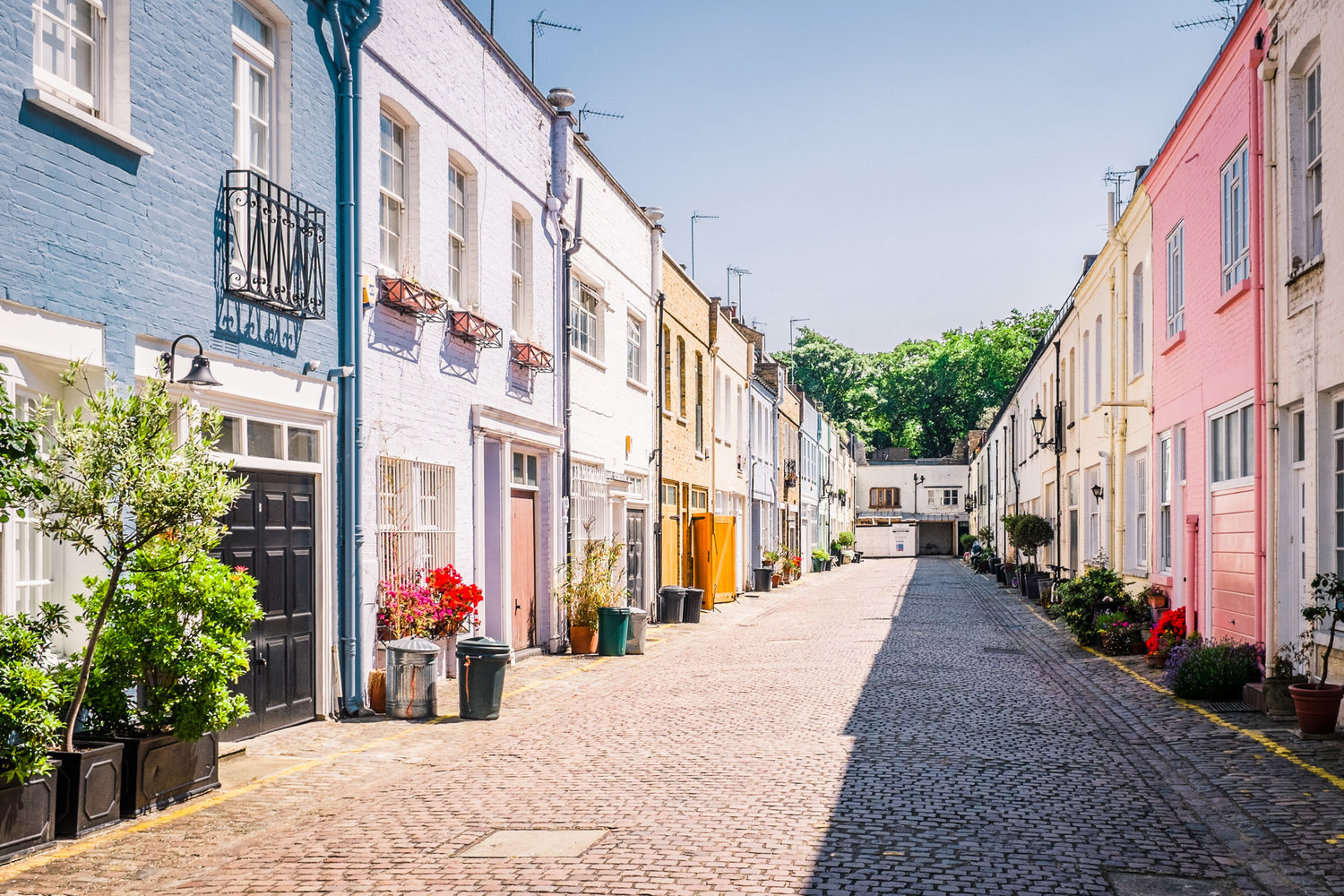
The property mix encompasses Georgian and Victorian conversions, purpose-built mansion blocks, modern developments, and canal-side conversions in former industrial buildings. Period properties, particularly those retaining original features like high ceilings, sash windows, and fireplaces, attract significant interest. New-build developments, often concentrated near the canal and on former commercial sites, offer contemporary specifications with the advantage of lower maintenance obligations and modern energy efficiency. Our [estate agents in Angel](/estate-agents/angel) observe that competition remains keen across all property types, with well-presented homes typically securing viewings rapidly.
Angel council tax falls under Islington Council's jurisdiction, with rates set according to standard valuation bands. Council tax represents a significant annual cost for residents, though Islington's services include refuse collection, recycling, local libraries, and maintenance of the area's public spaces. The council has invested considerably in improving local parks, streets, and community facilities in recent years.
Beyond property costs, Angel's living expenses reflect its central location and affluent demographic. The concentration of quality restaurants, bars, and shops provides excellent choice but at price points typical of inner London. However, Chapel Market offers more affordable groceries and everyday goods, whilst the proximity to major supermarkets around Angel Central and Essex Road provides additional options. For those interested in the current [property for sale in Angel](/property-for-sale/angel), we maintain updated listings showcasing the neighbourhood's diverse housing stock.
Talk to Seymont
What's your home worth?
A considered view on price, timing and how to bring your London home to market — a personal reply within 24 hours.
Your property
Step 1 of 2Culture, Dining and Lifestyle
Angel's cultural richness distinguishes it from many comparable London neighbourhoods. Upper Street alone hosts several theatres, including the renowned Almeida Theatre, which consistently stages acclaimed productions featuring prominent actors and directors. The King's Head Theatre, Britain's first pub theatre, continues its tradition of showcasing new writing and intimate performances. Sadler's Wells, just south in Clerkenwell, ranks among the world's leading dance venues, with programming spanning ballet to contemporary and international companies.
The dining scene reflects Angel's position at the intersection of several culinary traditions and trends. Upper Street and its surrounding streets feature everything from neighbourhood bistros to destination restaurants, spanning global cuisines. Independent cafés populate residential streets, whilst gastropubs occupy converted Victorian pubs. Chapel Market, operating since the 1870s, provides a more traditional London market atmosphere with fruit and vegetable stalls, alongside an evolving selection of street food traders.
Green space might seem limited in this dense urban setting, but Angel residents benefit from proximity to several important parks. Regent's Canal provides continuous green corridor, whilst Barnsbury's squares—including Thornhill Square and Lonsdale Square—offer private gardens that create leafy pockets throughout the neighbourhood. Highbury Fields lies within walking distance to the north, providing substantial open space for recreation and community events.
The retail landscape balances chains and independents. Angel Central shopping centre anchors the main junction with familiar brands, whilst Upper Street, Camden Passage, and surrounding streets host independent boutiques, vintage shops, bookshops, and specialist retailers. This variety means daily necessities sit alongside more distinctive shopping experiences, from antiques in Camden Passage to design-focused homeware stores scattered throughout the area.
Schools and Family Considerations
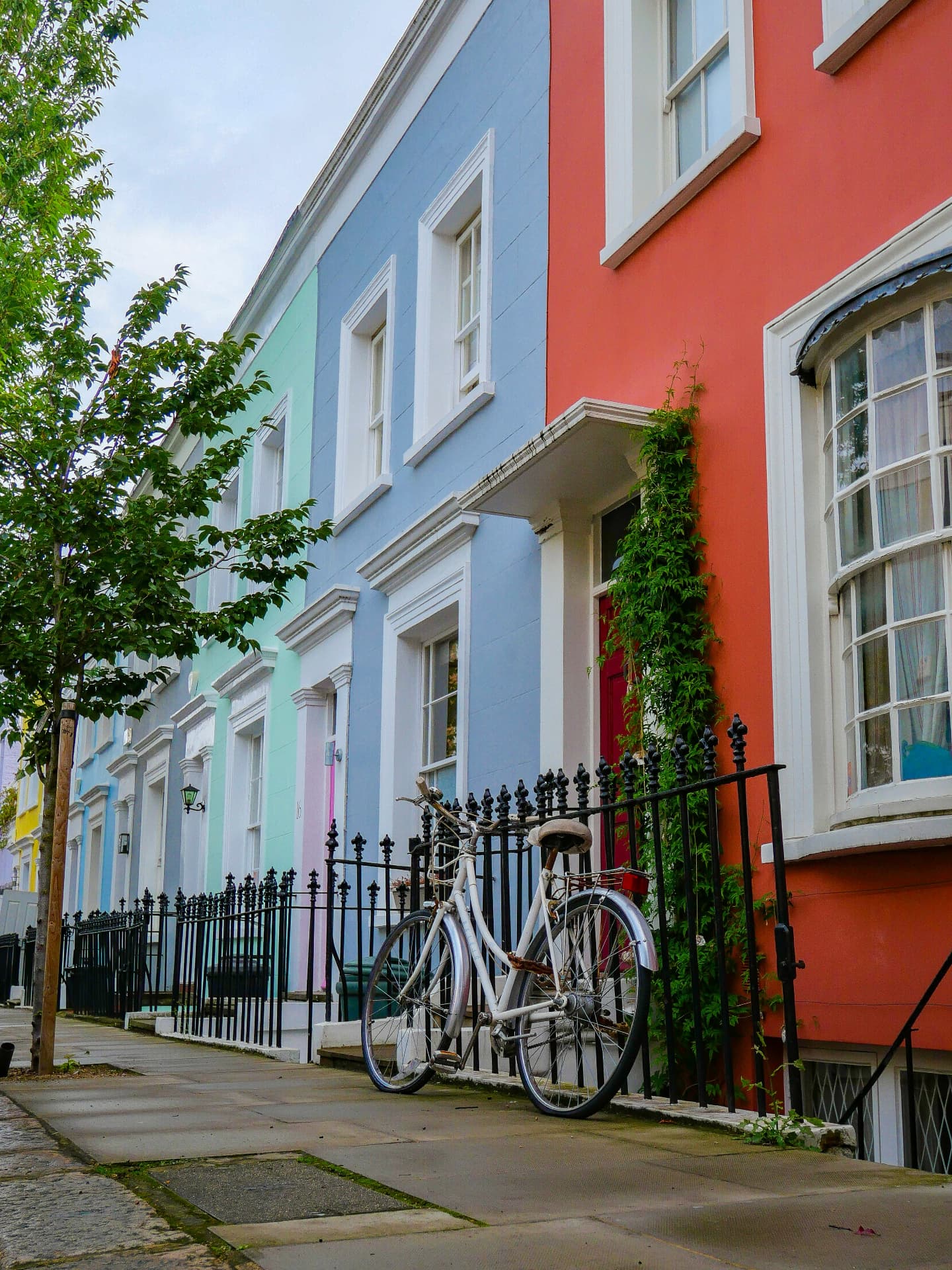
Families contemplating relocating to Angel find a dense concentration of educational options, though competition for places at sought-after schools remains intense. Islington contains numerous primary schools rated 'Good' or 'Outstanding' by Ofsted, with several church schools and community schools serving the Angel catchment. Understanding admission criteria and catchment boundaries proves essential, as even modest distances can affect school place allocations in this densely populated borough.
Secondary education options include several well-regarded comprehensives, alongside private school alternatives in surrounding areas. Highbury Fields School, City of London Academy Islington, and Elizabeth Garrett Anderson School serve the broader Islington area, whilst families also consider schools in neighbouring boroughs depending on their exact location. The proximity to King's Cross and excellent transport links means schools further afield also become accessible options for some families.
Beyond formal education, Angel offers family-friendly amenities that make urban living practical with children. The canal provides safe cycling and scootering routes away from traffic, whilst local parks host playgrounds and recreation facilities. Libraries, swimming pools, and children's activity centres operate throughout Islington, supported by the council's family services. The theatre and cultural venues programme family-friendly performances, particularly during school holidays.
We recognise that family life in central London requires different considerations than suburban alternatives. Space comes at a premium, and outside space often means balconies or shared gardens rather than private gardens. However, the cultural opportunities, transport connections, and urban amenities create a distinctive childhood experience that many families value highly. For those considering whether Angel suits family life, visiting at different times—school run, weekends, evenings—provides valuable perspective on the neighbourhood's rhythms.
Making the Move: Practical Considerations
Successfully moving to Angel requires navigating several practical aspects beyond finding the right property. The competitive market means preparation proves essential—mortgage agreements in principle, clear understanding of your requirements, and readiness to move quickly when the right property appears. Our experience suggests that buyers and renters who've thoroughly researched the area's sub-neighbourhoods, understood transport implications for their specific needs, and clarified their priorities secure properties more efficiently.
For those letting property, understanding Islington's licensing schemes matters. The borough operates selective licensing in certain areas, requiring landlords to obtain licences for their rental properties. These schemes aim to improve property standards and management, affecting both landlords and tenants. We advise property owners to review our [letting your property in Angel](/let-your-property/angel) guidance to ensure compliance with current regulations.
Practical matters like parking permits, storage solutions, and understanding the area's specific characteristics help smooth the transition. Controlled Parking Zones operate throughout Angel, with residents' permits required for on-street parking. Many period properties lack off-street parking, making this an important consideration for car owners. Conversely, cycle storage provisions in newer developments reflect the neighbourhood's cycling culture.
The area's dynamic nature means staying informed about developments—infrastructure projects, planning applications, and neighbourhood initiatives—helps residents engage with the community and understand how Angel continues evolving. Islington Council's planning portal provides transparency on proposed developments, whilst local residents' associations offer community perspectives on neighbourhood issues. Those tracking longer-term property values can explore our [house prices in Angel](/house-prices/angel) analysis for market context.
Talk to Seymont
What's your home worth?
A considered view on price, timing and how to bring your London home to market — a personal reply within 24 hours.
Your property
Step 1 of 2About the author
Amara BennettProperty Market Analyst
Amara spent seven years as a market analyst at Kestrel Lane Research, a small London property consultancy, before joining our editorial desk. She reads sold-price and rental data street by street to explain how individual London postcode districts actually behave, and reviews every price figure we publish. Her focus is separating headline national averages from what a specific address is worth today.
MSc Real Estate Economics · Seven years in property market research
- Valuations
- Local market data
- Sold prices
- Pricing strategy
Frequently asked
- Is Angel a safe area to live in?
- Angel benefits from its busy, well-lit streets and active community, with crime rates comparable to other inner London neighbourhoods. Upper Street's evening economy means significant foot traffic until late, which many residents find reassuring. As with any urban area, standard precautions apply, and crime varies by specific street and time. Islington Police provide neighbourhood policing, and the area's residential density creates natural surveillance. We recommend visiting at various times to assess your comfort level with different parts of the neighbourhood.
- What is the best way to get around Angel without a car?
- Angel's transport options make car-free living entirely practical. The Northern Line provides rapid Underground access, whilst numerous bus routes cover local and cross-London journeys. Cycling along the canal and increasingly protected cycle lanes offers efficient travel for shorter distances. Walking serves many daily needs given the neighbourhood's compact layout and density of amenities. Many long-term Angel residents find they rarely need alternative transport, with occasional car hire or taxis covering exceptional requirements.
- How does Angel compare to neighbouring Islington areas?
- Angel occupies Islington's southern edge, offering superior transport connections compared to areas further north like Highbury or Crouch End, with the trade-off of greater urban density and busier streets. It shares Islington's general character—period architecture, good schools, cultural amenities—but with more pronounced commercial activity along Upper Street. Areas like Barnsbury immediately north offer quieter residential streets whilst maintaining easy Angel access. Canonbury to the northeast provides more garden squares and family housing. Angel's position means you're simultaneously in Islington proper whilst adjacent to Clerkenwell's creative quarter.
- What are the main downsides of living in Angel?
- The popularity that makes Angel attractive also creates challenges. Property costs reflect premium demand, whilst competition for housing, school places, and restaurant tables can prove intense. Upper Street's evening economy means noise in immediate proximity, and the area's density limits private outdoor space. Parking proves difficult and expensive for car owners. The neighbourhood's established character means fewer obvious 'bargains' than emerging areas. However, residents typically find these compromises acceptable given Angel's connectivity, amenities, and lifestyle advantages.
- Can you find affordable housing in Angel?
- Angel's central location and desirability mean property costs sit at premium levels compared to outer London, though affordability remains relative to individual circumstances and priorities. Smaller flats, properties requiring renovation, or locations on busier roads offer comparatively accessible entry points. The rental market similarly spans various price levels depending on property size, condition, and exact location. Islington Council maintains social housing throughout the area, and shared ownership schemes occasionally become available in new developments. Those prioritising Angel's specific advantages often adjust space expectations to make the neighbourhood financially viable.