Journal
Marylebone Property Market Report
Written by Thomas Lindqvist · Mortgage & Financing Specialist
Published 19 July 2026 · Updated 4 August 2026 · 5 min read
The short answer
Nestled between Regent's Park and Oxford Street, Marylebone continues to command attention as one of London's most distinguished residential addresses. The Marylebone property market combines Georgian architecture, independent boutiques along Marylebone High Street, and a village atmosphere that feels remarkably secluded despite sitting in Zone 1.

Nestled between Regent's Park and Oxford Street, Marylebone continues to command attention as one of London's most distinguished residential addresses. The Marylebone property market combines Georgian architecture, independent boutiques along Marylebone High Street, and a village atmosphere that feels remarkably secluded despite sitting in Zone 1. Our team has analysed the latest market data to provide you with a comprehensive overview of property values, transaction activity, and the factors shaping this enduring London enclave. According to HM Land Registry data, the area recorded 66 property sales with a median price of £995,000, reflecting the premium attached to Marylebone's W1 postcode. From converted period flats to grand terraced houses, the diversity of stock appeals to international buyers, downsizers from larger London homes, and professionals seeking a sophisticated urban lifestyle within walking distance of the West End.
Current Marylebone Price Trends and Transaction Activity
The Marylebone housing market demonstrates the stratification typical of prime central London, with pricing heavily influenced by property type and period features. HM Land Registry records show that flats dominated recent transactions, accounting for 46 of the 66 sales, with a median price of £838,750. This figure encompasses everything from compact studio conversions to lateral apartments in portered mansion blocks along the area's tree-lined streets.
Terraced houses commanded a median of £3,125,000, with transactions ranging from £1,550,000 to £5,000,000, underscoring the premium attached to freehold family homes in this tightly held market. The single detached property sale at £958,889 represents a rare opportunity in an area where detached stock is exceptionally limited. Meanwhile, the 'other' category—which includes commercial conversions, garages, and mixed-use properties—showed the widest range, from £7,813 to £11,250,000, reflecting Marylebone's appeal to investors seeking commercial or redevelopment opportunities.
Our <a href="/house-prices/marylebone">detailed house price analysis</a> reveals that Marylebone price trends remain resilient due to constrained supply and the area's enduring appeal. The village's architectural coherence, excellent transport links via Marylebone, Baker Street, and Bond Street stations, and the curated retail and dining scene along Marylebone High Street continue to attract discerning buyers. With limited new development opportunities within the conservation areas that define much of Marylebone, competition for well-presented period properties remains robust.
Rental Market Performance and Yields
The rental sector in Marylebone caters to a sophisticated tenant base, from corporate relocations to long-term residents who value the area's cultural amenities and central location. According to ONS rental data, studios command monthly rents between £1,550 and £2,425, while one-bedroom flats range from £2,050 to £3,200. Two-bedroom properties, particularly sought after by professional couples and small families, achieve £2,800 to £4,350 per month.
Larger family homes demonstrate the premium attached to space in this densely populated postcode. Three-bedroom properties range from £3,725 to £5,800 monthly, four-bedroom homes command £4,950 to £7,750, and five-bedroom houses or lateral apartments achieve £6,500 to £10,150. These figures reflect not only square footage but also the quality of buildings, many of which feature period details, porter service, and proximity to Regent's Park.
For landlords considering the area, our <a href="/let-your-property/marylebone">property letting service</a> can help position your investment to appeal to Marylebone's discerning tenant demographic. The rental market benefits from consistent demand driven by the area's employment hubs—including the medical district around Harley Street, media companies, and financial services firms within easy commuting distance. Void periods tend to be short for well-maintained properties, and tenant retention rates are high among those who appreciate Marylebone's unique character.
When evaluating is Marylebone a good investment from a rental perspective, landlords should consider that while yields may be more modest than outer London areas in percentage terms, capital preservation and the quality of tenant base often justify the premium. The area's schools, including several outstanding independents and state primaries, further enhance appeal to family tenants seeking longer-term lets.
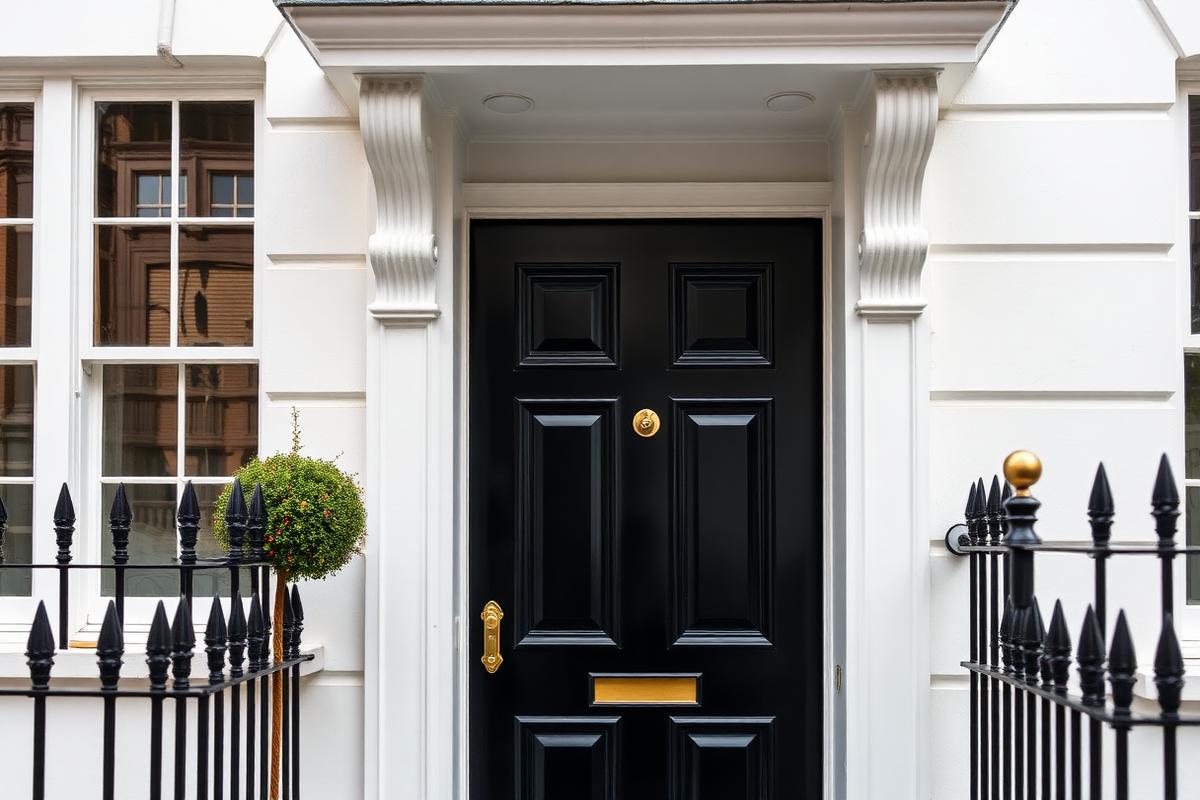
The Marylebone Lifestyle: What Drives Demand
Understanding the Marylebone property market requires appreciating what makes the area distinctive beyond bricks and mortar. Marylebone High Street serves as the village's spine, offering an exceptional blend of independent boutiques, artisan food shops, and destination restaurants that eschew the chain-dominated character of nearby Oxford Street. From long-established favourites to contemporary cafes and natural wine bars, the dining scene attracts both residents and visitors seeking quality over ubiquity.
The area's pub culture reflects its village character, with historic establishments near Marylebone Station providing neighbourhood gathering spots rather than tourist-oriented venues. Weekend breakfasts at the area's cafes have become something of a local ritual, with several establishments earning reputations that extend across London. The shops along Marylebone High Street and the surrounding streets offer everything from specialist bookshops to contemporary homewares, creating a retail experience that feels curated rather than generic.
Cultural amenities further distinguish Marylebone from other prime central London villages. The Wallace Collection provides world-class art in an intimate setting, while the area's proximity to Regent's Park offers residents access to formal gardens, open-air theatre, and ZSL London Zoo. Marylebone's medical heritage, centred on Harley Street, contributes to the professional character of the area while providing residents with access to leading private healthcare facilities.
Transport connectivity places virtually all of London within easy reach, with Marylebone Station offering Chiltern Railways services to the Cotswolds and Birmingham, making weekend escapes convenient for those who work in the capital. The Elizabeth Line via Bond Street has further enhanced connectivity, reducing journey times to Canary Wharf, Heathrow, and the West End. For buyers viewing <a href="/property-for-sale/marylebone">properties for sale in Marylebone</a>, this combination of village atmosphere and Zone 1 connectivity represents a rare proposition in the London market.
Talk to Seymont
What's your home worth?
A considered view on price, timing and how to bring your London home to market — a personal reply within 24 hours.
Your property
Step 1 of 2Investment Outlook: Is Marylebone a Good Investment?
When considering is Marylebone a good investment, prospective buyers should weigh several factors that distinguish this market from both emerging London areas and other established prime central London villages. The area's architectural heritage, protected by conservation area status across much of the postcode, limits the supply of available properties and helps maintain value stability even during broader market corrections.
The demographic profile of Marylebone—skewing toward established professionals, downsizers with significant equity, and international buyers seeking a pied-à-terre—creates a buyer base less dependent on mortgage availability than more affordability-sensitive markets. This tends to moderate volatility, though it also means that significant capital appreciation requires sustained demand from these premium buyer segments.
Our team observes that Marylebone benefits from diversified demand drivers: its residential appeal is complemented by the commercial vitality of Marylebone High Street, the professional services cluster around Harley Street, and proximity to major employment centres in the City, Canary Wharf, and the West End. This economic diversity provides resilience against sector-specific downturns that might affect areas dependent on a single industry.
For those exploring opportunities through our <a href="/estate-agents/marylebone">Marylebone estate agency services</a>, we emphasize the importance of property condition and period authenticity. Well-maintained buildings with original features command premiums, while properties requiring significant modernisation may face extended marketing periods unless priced to reflect refurbishment costs. The leasehold versus freehold distinction also significantly impacts value, with freehold houses and long leasehold flats on peppercorn ground rents commanding the strongest buyer interest.
Longer-term investment considerations include Marylebone's maturity as a destination—the area's character is well-established rather than emerging, meaning growth tends to track prime central London averages rather than deliver the outsized returns sometimes seen in regeneration areas. However, this stability appeals to investors prioritising capital preservation and steady rental income over speculative gains.
Talk to Seymont
What's your home worth?
A considered view on price, timing and how to bring your London home to market — a personal reply within 24 hours.
Your property
Step 1 of 2About the author
Thomas LindqvistMortgage & Financing Specialist
Thomas advised buyers for a decade at Ashgrove Financial, an independent brokerage, on borrowing capacity, product selection and the full cost of a purchase, including stamp duty, legal fees and lender charges. He follows rate decisions and lender criteria changes and translates them into what a household can realistically afford. His guides cover affordability, remortgaging and the closing costs that buyers routinely underestimate.
CeMAP qualified · Whole-of-market mortgage advice background
- Mortgages
- Affordability
- Closing costs
- Remortgaging
Frequently asked
- What is the average property price in Marylebone?
- According to HM Land Registry data, the median property price in Marylebone is £995,000. However, this figure varies significantly by property type: flats have a median of £838,750, while terraced houses command a median of £3,125,000. The wide range reflects Marylebone's diverse housing stock, from converted studios to substantial family homes.
- How much does it cost to rent in Marylebone?
- ONS data shows that Marylebone rental costs vary by property size. Studio flats range from £1,550 to £2,425 per month, one-bedroom properties from £2,050 to £3,200, and two-bedroom flats from £2,800 to £4,350. Larger family homes command significantly higher rents, with three-bedroom properties ranging from £3,725 to £5,800 monthly, and five-bedroom homes achieving £6,500 to £10,150.
- Is Marylebone a good area for property investment?
- Marylebone offers several investment advantages: architectural heritage protected by conservation status, constrained supply of available properties, strong rental demand from professionals and families, and excellent transport connectivity. While percentage rental yields may be more modest than outer London areas, the combination of capital preservation, tenant quality, and the area's established village character make it attractive for investors prioritising stability over speculative growth.
- What makes Marylebone High Street special for residents?
- Marylebone High Street distinguishes itself through independent retailers, artisan food shops, and destination restaurants rather than chain stores. The street offers specialist bookshops, contemporary homewares, cafes known across London for breakfast and natural wine bars that create a village atmosphere. This curated retail and dining scene, combined with proximity to cultural venues like The Wallace Collection and Regent's Park, creates a lifestyle offering that drives residential demand.
- Which property types are most common in Marylebone?
- HM Land Registry data shows that flats dominate the Marylebone market, accounting for 46 of 66 recent sales. These range from studio conversions in period buildings to lateral apartments in portered mansion blocks. Terraced houses, while less common with only 8 recent sales, represent the premium segment of the market. Detached properties are exceptionally rare in this densely developed central London village, with conservation areas limiting opportunities for new development.