Journal
Marylebone Area Guide
Written by Amara Bennett · Property Market Analyst
Published 19 October 2025 · Updated 1 December 2025 · 6 min read
The short answer
Marylebone stands as one of central London's most refined residential enclaves, where Georgian architecture meets village charm in an area that has retained its distinct character for centuries. Our Marylebone area guide explores why this elegant neighbourhood, nestled between Regent's Park and Oxford Street, continues to captivate discerning residents and property seekers alike.
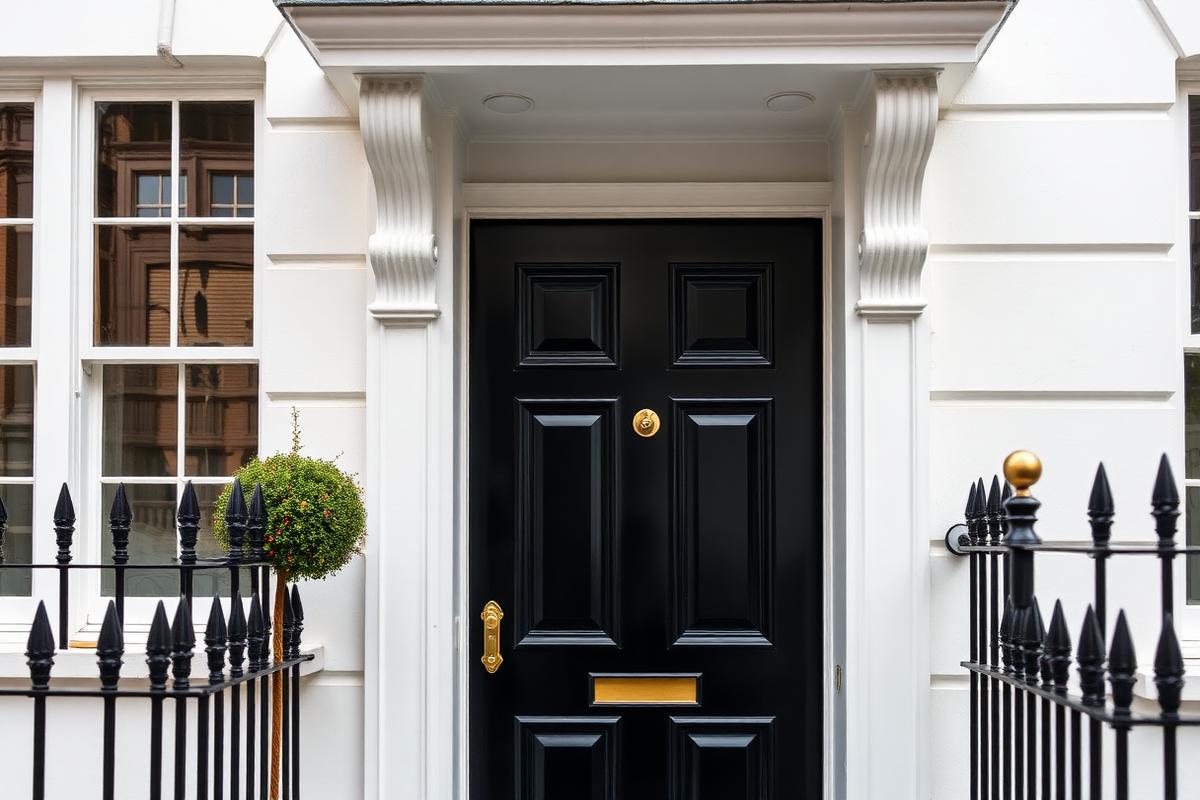
Marylebone stands as one of central London's most refined residential enclaves, where Georgian architecture meets village charm in an area that has retained its distinct character for centuries. Our Marylebone area guide explores why this elegant neighbourhood, nestled between Regent's Park and Oxford Street, continues to captivate discerning residents and property seekers alike. With its tree-lined streets, independent boutiques, and a genuine sense of community rare in Zone 1, Marylebone offers an exceptional quality of life that transcends typical London living.
The Character of Marylebone Streets
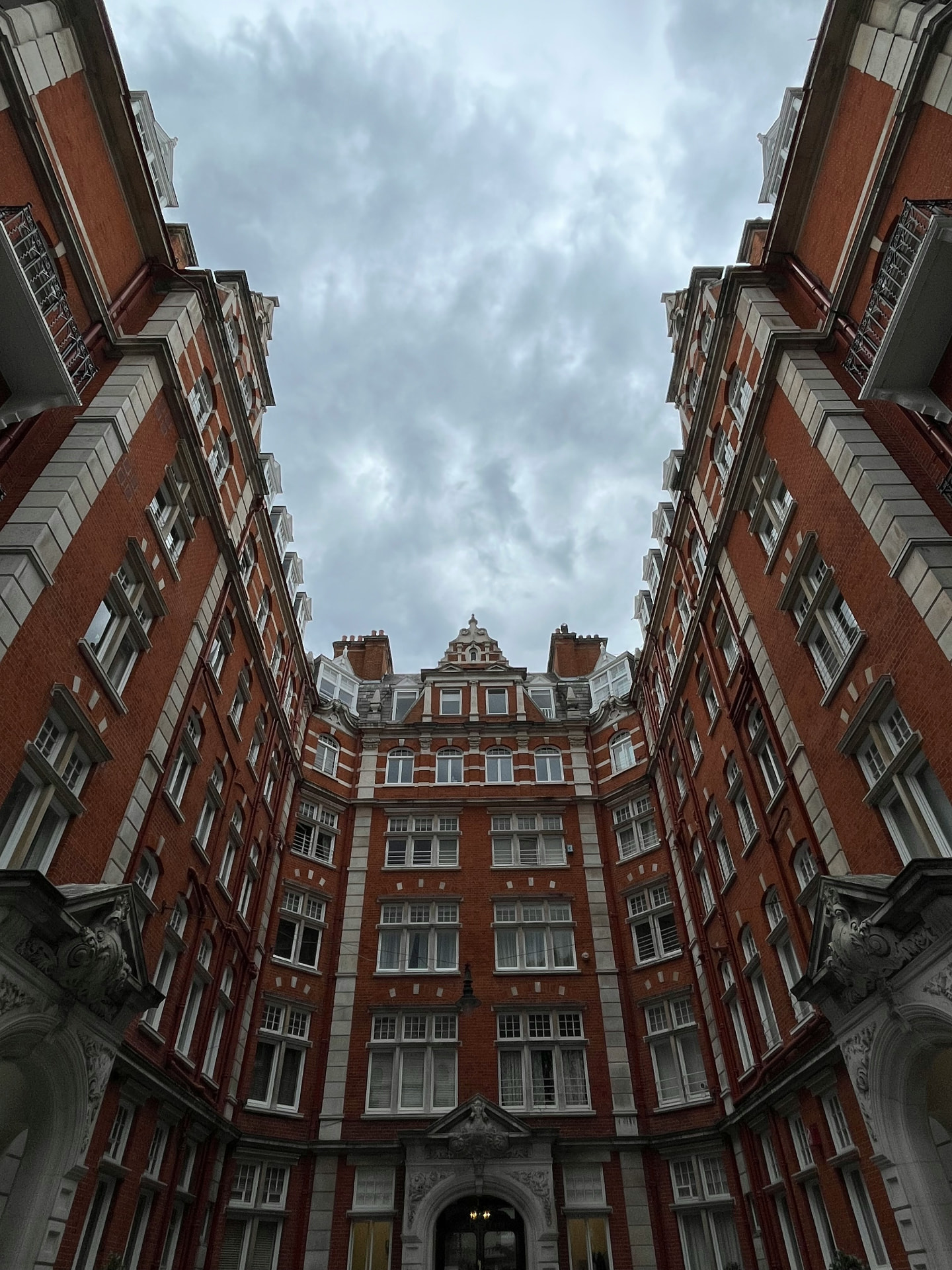
The architectural tapestry of Marylebone reveals layer upon layer of London's history, from the honey-toned Georgian terraces of Devonshire Street to the red-brick mansion blocks flanking Marylebone High Street. The area's development by the Portland and Howard de Walden estates in the 18th century established a uniformity of design that persists today, creating streetscapes of rare coherence and beauty. Harley Street and Wimpole Street retain their dignified medical heritage, whilst Chiltern Street and Moxon Street showcase the neighbourhood's transformation into a destination for contemporary design and gastronomy.
The grid pattern of Marylebone's streets creates an intimate scale that encourages exploration on foot. Quiet residential squares such as Montagu Square and Bryanston Square offer private garden access to residents, their central greenery providing peaceful retreats mere moments from the West End's bustle. The contrast between the grand thoroughfares—Baker Street, Marylebone Road—and the narrow mews lanes converted from Victorian stables gives the area its distinctive rhythm.
Marylebone Village, centred on the High Street, functions as the neighbourhood's beating heart. Unlike the corporate homogeneity found elsewhere in central London, this pedestrian-friendly stretch champions independent retailers, from La Fromagerie's artisan cheeses to Daunt Books' oak-panelled travel section. The twice-weekly Cabbages & Frocks market on Marylebone High Street reinforces the village atmosphere, where stallholders and shoppers greet one another by name.
Marylebone Restaurants, Cafés and Social Scene
The culinary landscape of Marylebone reflects the area's sophisticated yet unpretentious character. Marylebone restaurants span everything from Chiltern Firehouse's celebrity-frequented dining room to intimate neighbourhood bistros like Clipstone and The Wigmore. The presence of Fischer's, an all-day Austrian café-restaurant on Marylebone High Street, provides a Continental focal point for the community, whilst Carousel pioneers a rotating residency model that brings international chefs to Marylebone's discerning diners.
For those seeking a café in Marylebone, the options extend well beyond standard coffee chains. Monocle Café combines exceptional brews with newsstand culture, whilst The Natural Kitchen offers health-focused menus in bright, Scandinavian-inspired surroundings. Workshop Coffee on Marylebone Lane attracts serious coffee enthusiasts, and Providores on Marylebone High Street has been serving inventive fusion breakfasts since the early 2000s. The best breakfast in Marylebone is fiercely contested, with Riding House Café, Granger & Co, and The Ivy Café all laying claim to the title.
The bar and pub scene in Marylebone balances heritage with innovation. The Barley Mow on Dorset Street serves as a proper local, its Victorian interior unchanged for decades, whilst The Gunmakers on Aybrook Street offers craft beers in a handsomely restored setting. For those searching for a bar in Marylebone with cocktail credentials, Artesian at The Langham and Punch Room at London EDITION deliver world-class libations. Pubs near Marylebone Station include The Globe and The Windsor Castle, both convenient for commuters seeking a post-work pint in traditional surroundings.
Shops in Marylebone and Lifestyle Amenities
The shops in Marylebone deliberately eschew the mass-market offerings found on nearby Oxford Street, instead curating a collection of specialist retailers that serve the neighbourhood's refined tastes. Marylebone High Street anchors this independent retail ecosystem with Margaret Howell's timeless British design, VV Rouleaux's extraordinary ribbon emporium, and The Conran Shop's homeware destination. Chiltern Street contributes contemporary fashion at AIDA Shoreditch and artisan perfumery at Les Senteurs.
Cultural amenities enrich daily life throughout the area. The Wallace Collection houses one of Britain's finest art collections in a historic townhouse setting, offering free admission to Old Master paintings, French furniture, and remarkable armouries. Wigmore Hall, tucked behind Marylebone High Street, presents world-class chamber music and song recitals in an intimate 550-seat auditorium renowned for its acoustics. The Royal Academy of Music Museum provides another cultural dimension, whilst Regent's Park's 410 acres of parkland, complete with rose gardens, boating lake, and open-air theatre, form Marylebone's verdant northern boundary.
Transport connectivity positions Marylebone exceptionally well for both London and national travel. Marylebone Station provides Chiltern Railways services to Oxford, Birmingham, and the Cotswolds, whilst multiple Underground stations—Marylebone, Baker Street, Bond Street, Regent's Park—place the entire Tube network within walking distance. The Elizabeth Line at Bond Street further enhances east-west connectivity, reaching Heathrow in under 40 minutes.
Talk to Seymont
What's your home worth?
A considered view on price, timing and how to bring your London home to market — a personal reply within 24 hours.
Your property
Step 1 of 2Marylebone Property Market Insights
The Marylebone property market reflects the area's enduring appeal and central location, with recent HM Land Registry data revealing a median sales price of £995,000 across 66 transactions. This figure encompasses significant variety: flats, which dominated sales activity with 46 transactions, achieved a median price of £838,750, ranging from £242,000 to £5.75 million. The eight terraced houses sold commanded a substantially higher median of £3.125 million, with prices spanning £1.55 million to £5 million, whilst a single detached property changed hands at £958,889, according to HM Land Registry Price Paid Data.
For those considering [Marylebone property](/property-for-sale/marylebone), the architectural diversity offers something for varied preferences: mansion flats with generous ceiling heights and period features, contemporary new-build apartments in carefully designed schemes, converted mews houses brimming with character, and grand Georgian terraces on the area's most prestigious addresses. The leasehold nature of many Marylebone properties reflects the historic estate ownership patterns, with the Howard de Walden Estate remaining a significant freeholder throughout the area.
Rental demand in Marylebone remains consistently strong, underpinned by the area's corporate tenant base, medical professionals working on Harley Street, and international professionals seeking prime central London addresses. ONS rental data indicates that studio apartments range from £1,550 to £2,425 per calendar month, whilst one-bedroom flats command £2,050 to £3,200. Two-bedroom properties typically rent for £2,800 to £4,350, and three-bedroom homes attract £3,725 to £5,800 monthly. Larger family houses with four bedrooms range from £4,950 to £7,750, whilst five-bedroom properties and above can achieve £6,500 to £10,150 per month. Our team at [Seymont London's Marylebone office](/estate-agents/marylebone) can provide detailed guidance on both sales and lettings opportunities.
For property investors, considerations extend beyond purchase price. Those acquiring a second property in Marylebone should factor in the additional 5% stamp duty surcharge on second homes, which applies to purchases of additional residential properties above £40,000. This stamp duty on second property can represent a significant upfront cost, making accurate budgeting essential when evaluating investment returns. Whether you're [renting a house](/let-your-property/marylebone) to tenants or seeking [one-bed flats to rent](/property-for-sale/marylebone) for your own occupation, understanding the full financial picture ensures informed decision-making.
Living in Marylebone: Community and Daily Life
What distinguishes Marylebone from other central London neighbourhoods is its palpable sense of community—an attribute increasingly rare in Zone 1. The Marylebone Association, active since 1963, continues to advocate for residents' interests and organises events that bring neighbours together. The annual Marylebone Summer Fayre transforms the High Street into a celebration of local creativity, whilst the Marylebone Food Festival showcases the area's exceptional culinary credentials.
Educational provision serves families at various stages. State primary options include St Vincent's Catholic Primary and St Marylebone Church of England School, whilst private institutions such as Portland Place School and the Royal Academy of Music's junior department attract families seeking specialist education. The proximity to Hyde Park and Regent's Park provides invaluable outdoor space for children, with playgrounds, sports facilities, and the ZSL London Zoo offering weekend entertainment.
The medical infrastructure centred on Harley Street represents both heritage and contemporary healthcare excellence. Beyond the street's famous private consulting rooms, residents benefit from excellent NHS provision at nearby University College Hospital and The Royal London Hospital for Integrated Medicine. Fitness and wellness facilities abound, from Third Space's comprehensive gym on Marylebone Lane to boutique studios offering yoga, Pilates, and barre classes throughout the neighbourhood.
Marylebone's position in Westminster, one of London's safest boroughs, contributes to its residential appeal. The active neighbourhood policing team maintains high visibility, whilst well-lit streets and the constant footfall along main thoroughfares create natural surveillance. This security, combined with the area's aesthetic beauty and urban conveniences, explains why Marylebone property consistently attracts discerning buyers seeking a permanent London home rather than merely an investment vehicle.
Talk to Seymont
What's your home worth?
A considered view on price, timing and how to bring your London home to market — a personal reply within 24 hours.
Your property
Step 1 of 2About the author
Amara BennettProperty Market Analyst
Amara spent seven years as a market analyst at Kestrel Lane Research, a small London property consultancy, before joining our editorial desk. She reads sold-price and rental data street by street to explain how individual London postcode districts actually behave, and reviews every price figure we publish. Her focus is separating headline national averages from what a specific address is worth today.
MSc Real Estate Economics · Seven years in property market research
- Valuations
- Local market data
- Sold prices
- Pricing strategy
Frequently asked
- What is the average property price in Marylebone?
- According to recent HM Land Registry data, the median property price in Marylebone stands at £995,000. However, this figure varies considerably by property type: flats achieved a median of £838,750, whilst terraced houses commanded a median of £3.125 million. The range is substantial, with flat prices spanning £242,000 to £5.75 million, reflecting the diversity of property stock from compact apartments to grand lateral residences.
- Is Marylebone a good area to live in London?
- Marylebone consistently ranks among London's most desirable residential areas, offering an exceptional combination of central location, village atmosphere, and refined lifestyle amenities. The neighbourhood provides outstanding transport links, independent shops and restaurants, cultural institutions like The Wallace Collection and Wigmore Hall, and immediate access to Regent's Park. The strong sense of community, rare for Zone 1, distinguishes Marylebone from other central London postcodes.
- How much does it cost to rent in Marylebone?
- Rental prices in Marylebone reflect its prime central location and desirability. ONS data shows studio flats typically range from £1,550 to £2,425 per calendar month, one-bedroom properties from £2,050 to £3,200, and two-bedroom apartments from £2,800 to £4,350. Three-bedroom homes command £3,725 to £5,800 monthly, whilst larger family houses with four or five bedrooms range from £4,950 to £10,150 depending on size, specification, and exact location.
- What is Marylebone best known for?
- Marylebone is renowned for several distinctive features: Harley Street's concentration of medical specialists and private consulting rooms; Marylebone High Street's independent shops, cafés and restaurants that create a village atmosphere in central London; the area's beautiful Georgian and Victorian architecture; its proximity to Regent's Park; and cultural institutions including The Wallace Collection and Wigmore Hall. The neighbourhood also claims literary fame as the fictional home of Sherlock Holmes on Baker Street.
- Which zone is Marylebone in for transport purposes?
- Marylebone sits within Transport for London's Zone 1, providing excellent connectivity across the capital. Multiple Underground stations serve the area: Marylebone and Baker Street (both offering Bakerloo, Circle, Hammersmith & City, Jubilee and Metropolitan lines), Bond Street (Central and Elizabeth lines), and Regent's Park (Bakerloo line). Marylebone National Rail station provides Chiltern Railways services to destinations including Oxford, Birmingham, and High Wycombe, making the area particularly convenient for those commuting beyond London.