Journal
Living in St John's Wood
Written by Thomas Lindqvist · Mortgage & Financing Specialist
Published 28 May 2026 · Updated 19 July 2026 · 7 min read
The short answer
Living in St John's Wood offers a rare combination of village charm and metropolitan convenience that few London neighbourhoods can match. Tucked between Regent's Park and Hampstead, this elegant enclave in NW8 has long attracted those seeking a refined lifestyle away from the bustle of central London, yet within easy reach of the West End.

Living in St John's Wood offers a rare combination of village charm and metropolitan convenience that few London neighbourhoods can match. Tucked between Regent's Park and Hampstead, this elegant enclave in NW8 has long attracted those seeking a refined lifestyle away from the bustle of central London, yet within easy reach of the West End. Our team at Seymont London has watched St John's Wood evolve while preserving the tranquil, tree-lined character that first drew residents here centuries ago. From its distinctive Regency villas to modern mansion blocks, the area maintains an understated sophistication that defines the very best of London living.
What Is St John's Wood Like?
St John's Wood presents an architectural tapestry woven from elegant Victorian and Regency villas, purpose-built mansion blocks and contemporary developments that respect the area's heritage aesthetic. The neighbourhood radiates outward from the famous Abbey Road crossing, where red-brick mansion flats and cream-stuccoed houses line avenues shaded by mature plane trees and chestnuts. Unlike much of London's tightly packed terraces, St John's Wood was designed with space and greenery in mind—front gardens, communal squares and wider streets create a sense of breathing room that feels almost suburban, yet you're barely ten minutes from Oxford Circus.
The community here skews towards established professionals, families seeking excellent schools, and international residents drawn by the area's reputation for safety and discretion. Lord's Cricket Ground anchors the eastern edge, lending a quintessentially English character to summer afternoons when the sound of leather on willow drifts across the neighbourhood. High Street is the commercial heart—a parade of independent boutiques, cafes and restaurants interspersed with familiar chains, all maintaining a polished, neighbourhood feel rather than the frenetic energy of central shopping districts.
According to HM Land Registry data, 104 property sales were recorded recently, with a median price of £700,000 reflecting the area's enduring appeal. Flats dominate the market with 82 transactions at a median of £488,250, while detached homes command a median of £12,675,000—testament to the premium placed on rare family houses with gardens. We've observed that buyers are drawn not just by property quality but by the neighbourhood's cohesive character, where architectural consistency and mature landscaping create an environment that feels curated rather than accidental.
The St John's Wood Lifestyle
The St John's Wood lifestyle revolves around a slower, more considered pace than many London postcodes. Mornings might begin with a run through Regent's Park—the southern boundary places residents within moments of 410 acres of open space—or coffee at one of the pavement cafes along St John's Wood High Street. The area supports an ecosystem of independent businesses: wine merchants, artisan bakeries, florists and delis that encourage daily rituals rather than weekly supermarket runs. Gail's Bakery and Daylesford Organic exemplify the neighbourhood's preference for quality over convenience, though major supermarkets are present for practicality.
Cultural life extends beyond the obvious draw of Abbey Road Studios, where tourists queue for photographs but residents simply nod in passing. The neighbourhood's proximity to Regent's Park Open Air Theatre transforms summer evenings, while Lord's offers not just cricket but MCC Museum tours and dining experiences. Primrose Hill, a short walk northward, provides sunset views across London that rival any rooftop bar, yet cost nothing but the climb. Family life is well supported: St John's Wood Preparatory School, The American School in London and several outstanding state primaries create a schools ecosystem that often drives relocation decisions.
Dining and socialising lean towards the quietly sophisticated rather than the ostentatious. The vicinity supports everything from neighbourhood bistros to Michelin-regarded establishments in nearby Marylebone and Maida Vale. We've noticed that St John's Wood residents value establishments where they're recognised—regular tables rather than scenes, conversation-friendly acoustics rather than pounding music. The sports clubs, private members' gyms and tennis facilities throughout the area suggest a community that invests in wellness and longevity rather than fleeting trends.
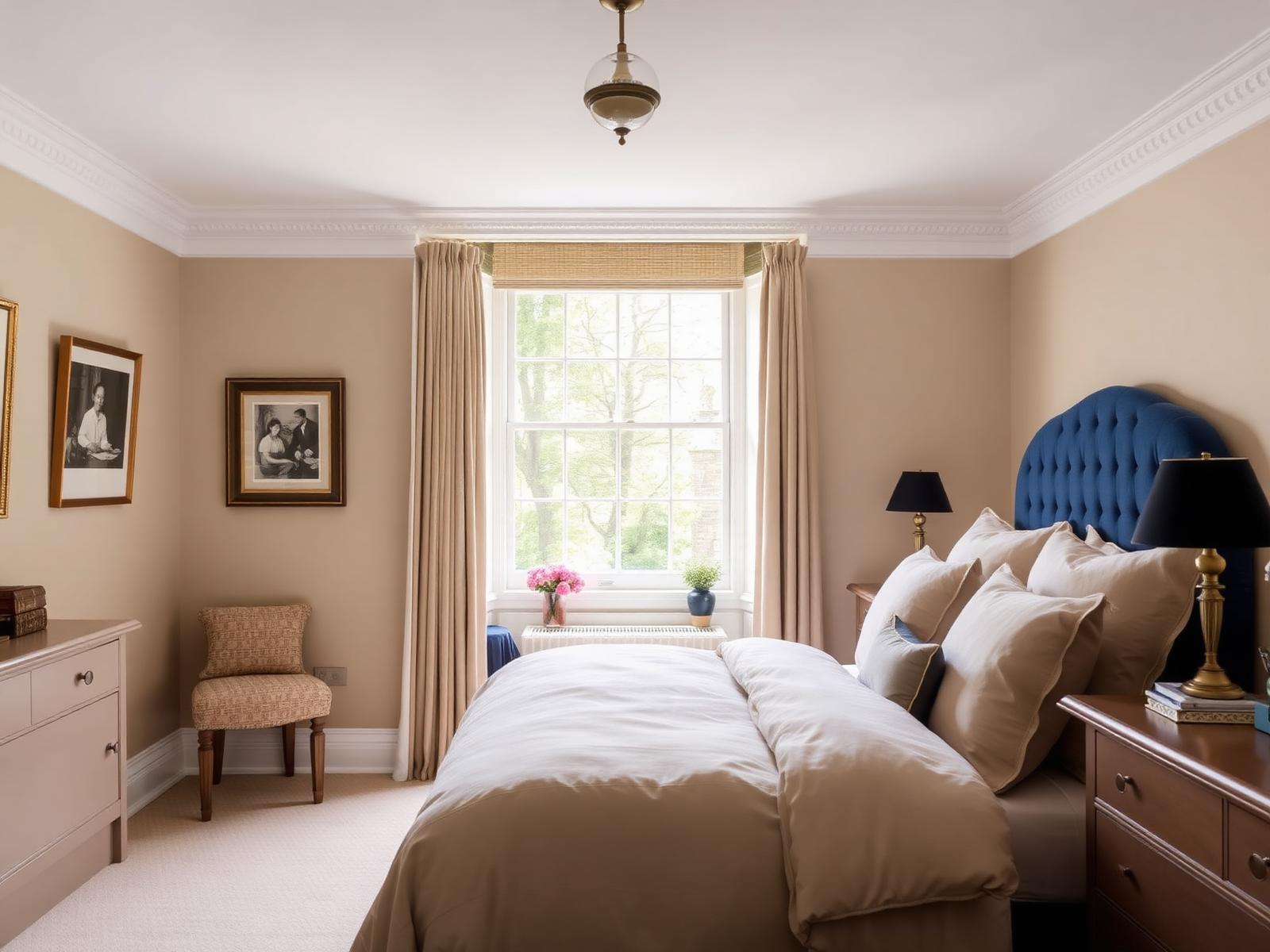
St John's Wood Transport and Connectivity
St John's Wood transport connections strike an ideal balance between accessibility and tranquillity—connected enough for effortless commuting, yet sufficiently removed from major interchanges to avoid the congestion and noise they generate. St John's Wood Underground station on the Jubilee line provides direct services to Canary Wharf in 20 minutes, Bond Street in 7 minutes and Westminster in 12 minutes, making both the City and West End eminently commutable. The Jubilee line's reliability and frequency—trains every few minutes during peak hours—means residents rarely consult timetables.
Several bus routes traverse the area, including the 139 to Waterloo, the 13 to Aldwych, and the 46 to King's Cross, offering alternatives when the Underground doesn't suit. For drivers, the neighbourhood sits conveniently between the A41 (Finchley Road) and A5 (Edgware Road), providing straightforward access to the M1 and North Circular for journeys beyond London. That said, we observe that many residents use cars primarily for weekend trips rather than daily commuting—parking restrictions and Congestion Charge zones make public transport the rational weekday choice.
Cycling infrastructure has improved considerably, with Regent's Park's Outer Circle providing a traffic-free route southward and quieter backstreets offering relatively safe passage to King's Cross and the City. The Elizabeth line at Paddington, reachable in 15 minutes by bus or cycle, has further enhanced connectivity to Heathrow, Reading and eastern destinations. For international residents particularly, this combination of Underground, overground rail and airport access within a peaceful residential setting represents precisely the connectivity profile they seek.
Talk to Seymont
What's your home worth?
A considered view on price, timing and how to bring your London home to market — a personal reply within 24 hours.
Your property
Step 1 of 2Property Market Insights
The property market in St John's Wood reflects its dual character as both a family neighbourhood and a prime central London address. Recent ONS rental data shows studios ranging from £1,075 to £1,650 per calendar month, one-bedroom flats from £1,400 to £2,200, and two-bedroom properties from £1,925 to £3,000. Larger family homes command premiums: three-bedroom properties rent for £2,550 to £4,000, four-bedroom homes for £3,400 to £5,325, and five-bedroom houses from £4,475 to £6,975 per month, positioning the area firmly within London's upper tier.
Our observations through [Seymont's St John's Wood estate agency](/estate-agents/st-johns-wood) work reveal distinct buyer and tenant profiles. International families value the American School proximity and the neighbourhood's established expatriate community. British families prioritise garden space—even small private gardens command significant premiums in an area where mansion blocks dominate. Professionals, both single and coupled, seek well-maintained period conversions or porter-staffed blocks offering security and communal facilities. The [properties for sale in St John's Wood](/property-for-sale/st-johns-wood) currently available reflect this diversity, from bijou studio investments to multi-million-pound houses.
Terraced houses, with a median sale price of £2,675,000 based on HM Land Registry data, represent the entry point for family houses with direct street access and private outdoor space. The eight terraced sales recorded ranged from £1,400,000 to £16,000,000, illustrating how period features, square footage and garden size dramatically affect values. Semi-detached and detached homes occupy rarefied territory—two semi-detached sales at a median £10,725,000 and six detached properties at £12,675,000 median demonstrate that substantial family homes command prices comparable to prime central London. Those interested in tracking these trends will find our [St John's Wood house prices](/house-prices/st-johns-wood) analysis helpful for understanding value trajectories.
For property investors and landlords, the rental market's stability reflects St John's Wood's enduring appeal. Corporate relocations, diplomatic postings and academic appointments at nearby universities generate consistent demand for quality rental accommodation. We've found that well-presented properties rarely remain vacant long, and tenants who settle here often renew repeatedly rather than seeking alternatives elsewhere. Landlords considering the area can explore our [letting services in St John's Wood](/let-your-property/st-johns-wood) to understand the opportunities this market presents.
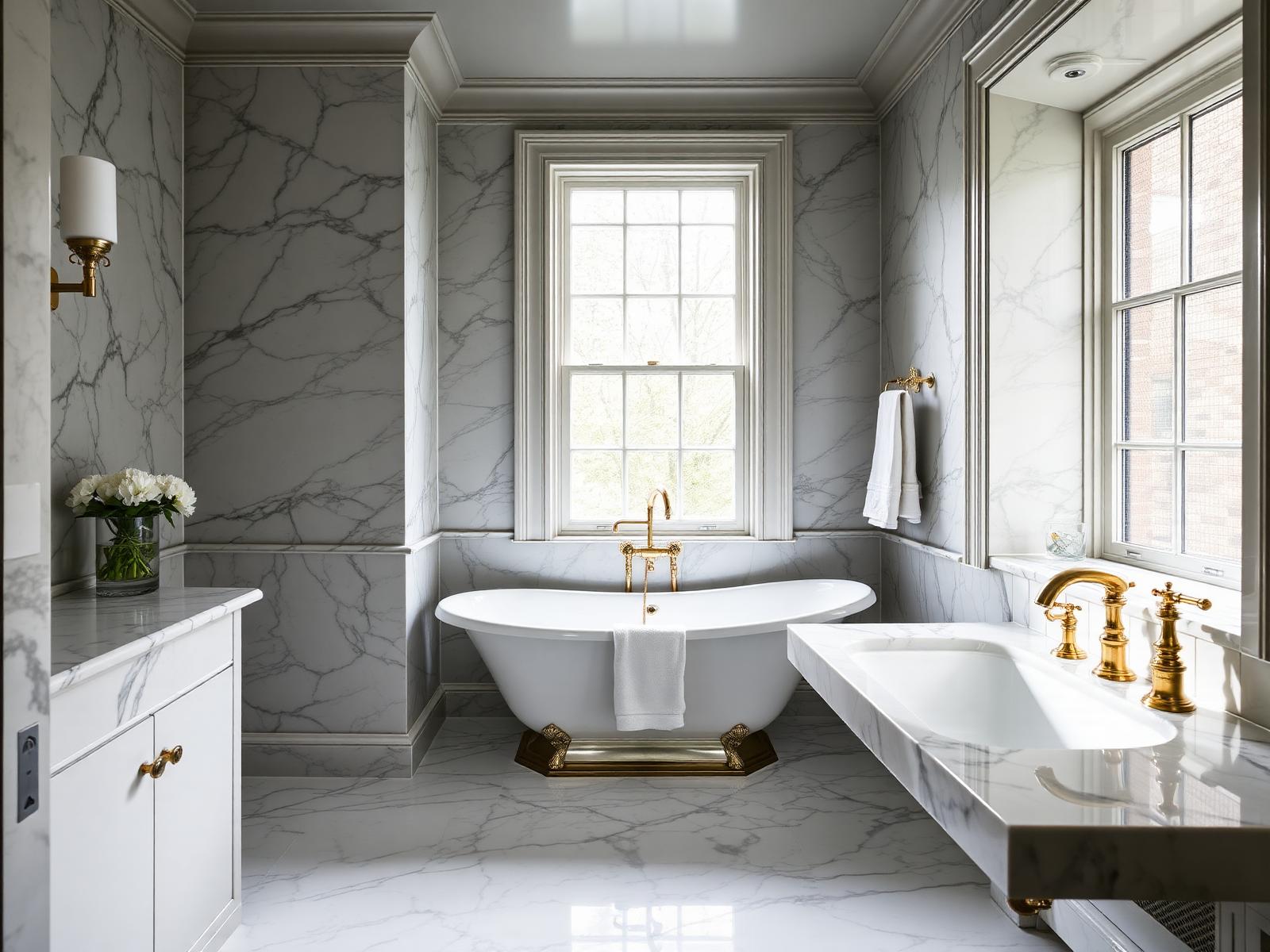
Gardens, Green Spaces and Village Atmosphere
St John's Wood distinguishes itself through an abundance of greenery that softens the urban environment into something approaching a garden suburb. Beyond the obvious draw of Regent's Park's southern boundary, the neighbourhood incorporates numerous smaller gardens, squares and tree-lined avenues that create a verdant backdrop to daily life. Many mansion blocks surround communal gardens accessible only to residents—private oases invisible from the street where children play and neighbours gather on summer evenings.
The area's original 19th-century development as a semi-rural villa estate established a template of detached and semi-detached houses set within gardens, a rarity in London's typically terraced streetscapes. While subsequent development densified parts of the neighbourhood with mansion blocks, planners largely respected the established rhythm of buildings set back from tree-lined roads. This creates a visual softness and sense of space that distinguishes walking through St John's Wood from traversing many other Zone 2 neighbourhoods.
Quintin Gardens, Violet Hill and the streets radiating from Avenue Road showcase this garden-suburb character at its finest. Plane trees arch over roads wide enough to accommodate on-street parking without feeling cramped, front gardens display seasonal planting, and the overall impression is one of carefully maintained civic pride. The neighbourhood's active residents' associations ensure that this character endures, opposing developments that would compromise the area's distinctive spaciousness. For those seeking London living without sacrificing greenery and tranquillity, few alternatives match what St John's Wood offers within such proximity to central London.
Talk to Seymont
What's your home worth?
A considered view on price, timing and how to bring your London home to market — a personal reply within 24 hours.
Your property
Step 1 of 2About the author
Thomas LindqvistMortgage & Financing Specialist
Thomas advised buyers for a decade at Ashgrove Financial, an independent brokerage, on borrowing capacity, product selection and the full cost of a purchase, including stamp duty, legal fees and lender charges. He follows rate decisions and lender criteria changes and translates them into what a household can realistically afford. His guides cover affordability, remortgaging and the closing costs that buyers routinely underestimate.
CeMAP qualified · Whole-of-market mortgage advice background
- Mortgages
- Affordability
- Closing costs
- Remortgaging
Frequently asked
- Is St John's Wood a good area to live?
- St John's Wood is widely regarded as one of London's most desirable residential areas, offering an exceptional combination of village atmosphere, excellent transport links, outstanding schools and proximity to Regent's Park. The neighbourhood attracts families, professionals and international residents seeking a safe, leafy environment with easy access to central London. Property values and rental prices reflect this enduring popularity, with the area maintaining its reputation across decades.
- How much does it cost to rent in St John's Wood?
- According to ONS data, rental costs in St John's Wood vary by property size: studios range from £1,075 to £1,650 per calendar month, one-bedroom flats from £1,400 to £2,200, two-bedroom properties from £1,925 to £3,000, and three-bedroom homes from £2,550 to £4,000. Larger family houses with four bedrooms rent for £3,400 to £5,325, while five-bedroom properties command £4,475 to £6,975 monthly.
- What is St John's Wood famous for?
- St John's Wood is internationally famous for Abbey Road Studios and the zebra crossing photographed for The Beatles' Abbey Road album cover. The area is also home to Lord's Cricket Ground, the headquarters of world cricket and the MCC. Beyond these landmarks, St John's Wood has long been associated with elegant villa living, attracting writers, artists and musicians throughout its history, creating a bohemian-yet-refined reputation that persists today.
- How do I get around from St John's Wood?
- St John's Wood is served by its own Underground station on the Jubilee line, providing direct access to Bond Street (7 minutes), Westminster (12 minutes) and Canary Wharf (20 minutes). Multiple bus routes connect to Waterloo, King's Cross and other destinations. The area's proximity to major roads facilitates driving, though many residents rely on public transport for central London journeys. Cycling to King's Cross, the West End or the City is practical via Regent's Park and backstreet routes.
- What type of properties are available in St John's Wood?
- St John's Wood's property mix includes period mansion flats in red-brick and stucco blocks, converted Victorian and Regency villas, purpose-built luxury apartments and detached family houses with gardens. Recent HM Land Registry data shows flats dominate transactions (82 of 104 sales) with a median price of £488,250, while detached houses command a median of £12,675,000. The area offers everything from studio apartments for young professionals to multi-million-pound family homes, though garden properties remain comparatively rare and highly sought-after.