Journal
Living in Shoreditch
Written by Nina Castellano · Investment Property Advisor
Published 5 May 2026 · Updated 6 May 2026 · 7 min read
The short answer
Living in Shoreditch places you at the epicentre of London's most dynamic creative quarter, where industrial heritage meets contemporary innovation. This corner of East London has evolved from its textile-manufacturing roots into a globally recognised cultural destination, attracting artists, entrepreneurs and professionals seeking an urban lifestyle with genuine character.
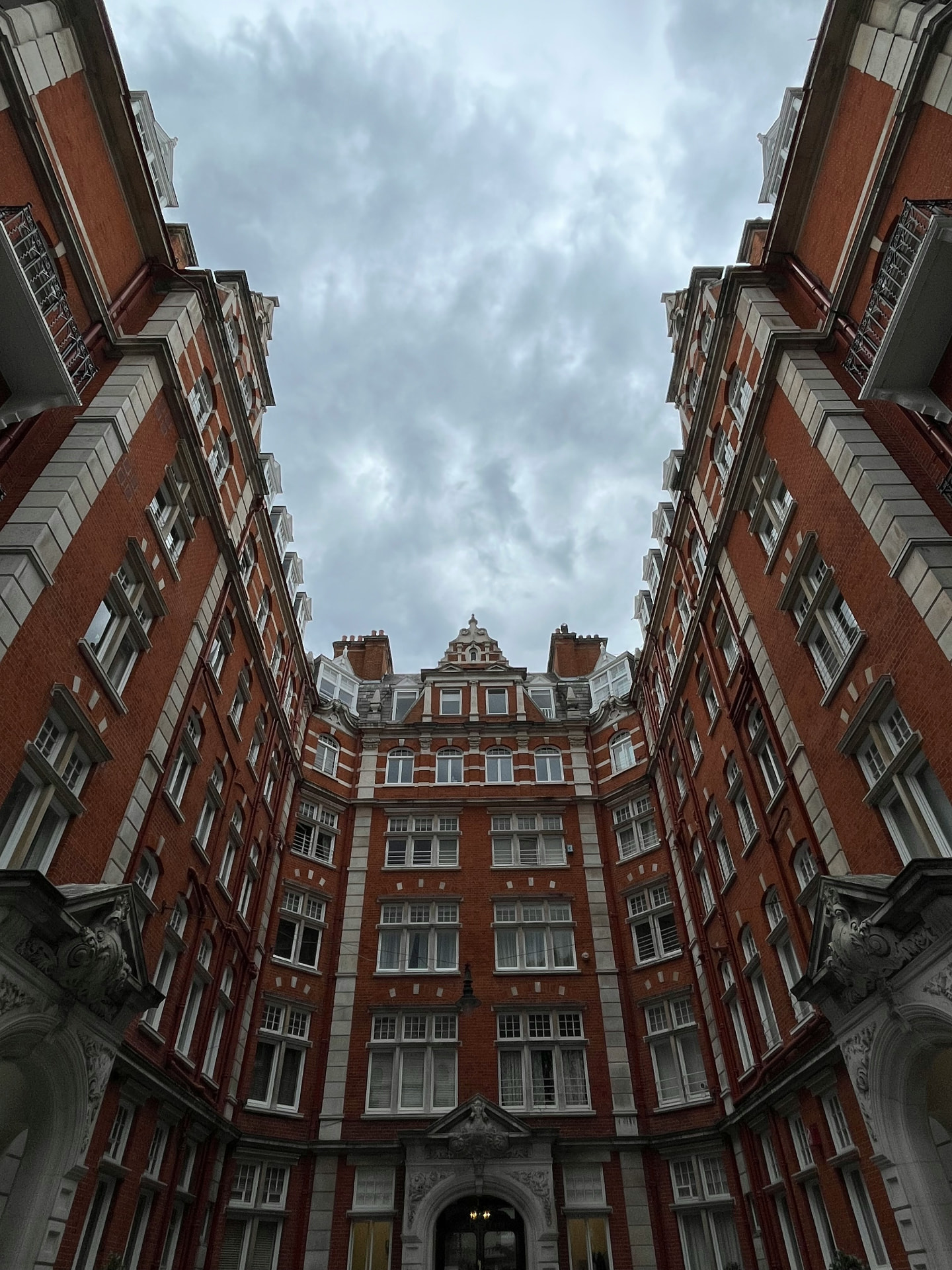
Living in Shoreditch places you at the epicentre of London's most dynamic creative quarter, where industrial heritage meets contemporary innovation. This corner of East London has evolved from its textile-manufacturing roots into a globally recognised cultural destination, attracting artists, entrepreneurs and professionals seeking an urban lifestyle with genuine character. Our team has watched this transformation unfold, and we continue to guide discerning buyers and tenants through one of the capital's most sought-after postcodes.
What Is Shoreditch Like Today?
Shoreditch defies simple categorisation. The area encompasses a patchwork of converted warehouses, purpose-built apartments and Georgian townhouses, each telling a different chapter of East London's story. Brick Lane forms the eastern boundary, while Old Street roundabout marks the southern gateway, with Hoxton and Haggerston bleeding into the northern reaches. The streetscape shifts dramatically from block to block—one moment you're passing Victorian workshops adorned with street art, the next you're outside a glass-fronted members' club or a Michelin-recommended restaurant.
What is Shoreditch like in terms of atmosphere? It maintains an unmistakable edge that distinguishes it from more polished central London neighbourhoods. The creative industries dominate the professional landscape, with tech startups, design studios and independent publishers clustering around Curtain Road and Great Eastern Street. This concentration of creative businesses shapes the area's rhythm: weekday mornings bring a flood of cycling commuters, whilst evenings transform the streets into a sprawling social venue.
The demographic skews younger and more international than many London postcodes, though recent years have seen an influx of established professionals and families drawn by the combination of culture, connectivity and character. Unlike areas that empty at weekends, Shoreditch maintains constant energy—the Saturday crowds exploring vintage markets and pop-up galleries rival weekday office workers in density.
Residential options range from compact studio flats in converted commercial buildings to substantial loft apartments with period features. The architecture tells the story of successive waves of redevelopment, with 1990s conversions sitting alongside contemporary residential towers. This architectural diversity means the living experience varies considerably depending on your specific street and building.
The Shoreditch Lifestyle: Culture and Community
The Shoreditch lifestyle revolves around an exceptional concentration of independent venues, creative spaces and culinary destinations. We've observed how residents embrace the area's unofficial motto of constant reinvention—restaurants, galleries and bars refresh their concepts regularly, ensuring the neighbourhood never stagnates. This perpetual evolution demands a certain adaptability from residents, but it also guarantees you'll never exhaust the area's possibilities.
Restaurants in Shoreditch represent perhaps the area's strongest suit. The dining scene spans every cuisine and price point, from Vietnamese bánh mì shops on Kingsland Road to tasting-menu establishments on Redchurch Street. Dishoom, Smokestak and Lyle's have become destination restaurants drawing visitors from across London, whilst the surrounding streets harbour dozens of smaller operations serving everything from Taiwanese breakfast to modern British small plates. The density of quality restaurants in Shoreditch means residents rarely need to venture elsewhere for culinary variety.
Cultural offerings extend well beyond dining. The Shoreditch lifestyle includes regular access to theatre at the Hackney Empire and Shoreditch Town Hall, exhibitions at the Geffrye Museum (now the Museum of the Home), and an ever-changing roster of pop-up galleries and creative studios opening their doors during First Thursdays. Cinema enthusiasts benefit from the Curzon Hoxton, whilst music venues like XOYO and Village Underground provide live entertainment spanning electronic music to emerging bands.
Green space requires more effort to access than in some London areas. Hoxton Square and Shoreditch Park offer modest outdoor relief, whilst the longer walk to London Fields or Victoria Park rewards those seeking substantial parkland. Many apartments in Shoreditch compensate with private terraces or communal roof gardens, and residents often develop a habit of weekend escapes to Hertfordshire or the Kent coast.

Shoreditch Transport and Connectivity
Shoreditch transport links rank among London's most comprehensive, a significant factor in the area's residential appeal. The neighbourhood sits at the intersection of multiple Underground, Overground and National Rail services, providing redundancy that proves invaluable during planned works or disruptions. Old Street station (Northern Line) serves as the primary Underground hub, whilst Shoreditch High Street (Overground) offers direct connections to Dalston, Highbury & Islington, and South London destinations via Clapham Junction.
Liverpool Street station lies within comfortable walking distance for many Shoreditch residents, opening access to the Central, Circle, Hammersmith & City and Metropolitan lines, plus National Rail services to Cambridge, Stansted Airport and East Anglia. This connectivity makes commutes to the City, Canary Wharf, King's Cross and the West End straightforward, with most central London destinations reachable within 20-30 minutes.
The Elizabeth Line's arrival at Liverpool Street has further enhanced regional connectivity, placing Heathrow, Canary Wharf and western suburbs within easy reach. For those working in Tech City or the broader East London commercial district, many simply walk or cycle—the area's flat terrain and expanding cycle infrastructure support active commuting.
Bus services along major arteries like Great Eastern Street, City Road and Shoreditch High Street provide additional options, whilst night buses ensure late-evening mobility. The combination of transport modes means residents rarely feel constrained by public transport schedules, a luxury not all London postcodes can claim.
Talk to Seymont
What's your home worth?
A considered view on price, timing and how to bring your London home to market — a personal reply within 24 hours.
Your property
Step 1 of 2Property Market Insights
The property market in Shoreditch reflects its status as an established yet still-evolving neighbourhood. Whilst comprehensive recent sales data from HM Land Registry proves limited for this specific postcode area, our team's market knowledge indicates strong demand across both sales and lettings sectors. Flats to rent in Shoreditch typically attract multiple applications within days of listing, particularly for well-presented one and two-bedroom apartments in converted buildings or modern developments.
Buyers seeking property for sale in Shoreditch should expect prices that reflect the area's Zone 1 location and cultural cachet, though values generally remain below Clerkenwell or Islington levels. The stock divides roughly between warehouse conversions offering industrial character with exposed brickwork and steel beams, and purpose-built schemes delivering modern specifications with amenities like gyms and concierge services. Victorian and Georgian houses appear occasionally, though these tend to be subdivided into flats.
The lettings market sustains consistent demand from young professionals, often working in creative, tech or financial sectors. Shoreditch apartments with outdoor space command premiums, as do properties on quieter residential streets away from the main nightlife thoroughfares. We've noticed landlords who maintain their properties to high standards achieve strong returns and tenant retention.
For those exploring house prices in Shoreditch or comparing the area against alternatives, it's worth considering the total lifestyle offering rather than square footage alone. The neighbourhood delivers amenity density and connectivity that few London areas can match, factors that sustain property values through market cycles.
Practical Considerations for Residents
Living in Shoreditch demands realistic expectations about urban life in a high-density, entertainment-focused area. Noise levels vary dramatically depending on your specific location—residential pockets around Hoxton Square or near Columbia Road offer relative tranquillity, whilst properties above or adjacent to bars on Curtain Road or Shoreditch High Street experience significant evening and weekend activity. We always advise prospective tenants and buyers to visit at different times, including Friday and Saturday evenings, to assess their tolerance for the area's vibrant night-time economy.
Parking presents challenges throughout the neighbourhood. Residents' permits are available from Hackney and Tower Hamlets councils depending on your specific address, but on-street spaces remain competitive. Many modern developments include allocated parking or basement garages, though these add considerably to purchase prices or rents. The excellent public transport network means many residents forgo car ownership entirely, though those with young families often find a vehicle useful for weekend escapes and bulk shopping.
School provision skews towards the nearby Hackney areas, with several well-regarded primary schools within walking or cycling distance, including Shoreditch Park Primary and Columbia Primary. Secondary options require more research, with families often considering schools across Hackney and Islington. The demographic makeup means Shoreditch attracts more young professionals and couples than established families, though this balance has shifted slightly as the area has matured.
Daily shopping needs are well served by Waitrose on Great Eastern Street, Tesco Metro stores, and countless independent shops and delis. Columbia Road Flower Market on Sundays provides a beloved weekly ritual for many residents, whilst Broadway Market in nearby Hackney supplements the local offering. The area lacks major shopping centres, but the West End sits just minutes away via public transport for serious retail expeditions.
Is Shoreditch Right for You?
Determining whether living in Shoreditch aligns with your priorities requires honest self-assessment. The area rewards those who thrive on urban energy, cultural variety and social spontaneity. If you value being able to walk to exceptional restaurants, stumble upon art exhibitions, and enjoy world-class connectivity to the rest of London, Shoreditch delivers comprehensively. The neighbourhood suits professionals whose work intersects with creative industries, those who view their home as a base for exploring rather than a sanctuary from city life, and individuals who appreciate architectural character over suburban conformity.
Conversely, those seeking peace, extensive private outdoor space, or a village-like community atmosphere should look elsewhere. Shoreditch makes no pretensions towards tranquillity—it's fundamentally an urban neighbourhood where activity and density define the experience. Families with multiple children often find the combination of space constraints and limited green space challenging, though childless couples and those with one child frequently embrace the area's offerings.
Our team guides clients through these considerations regularly, and we've learned that successful Shoreditch residents typically share certain characteristics: adaptability to change, comfort with diversity, and genuine enthusiasm for urban culture. The neighbourhood continues evolving, and what exists today may transform significantly within five years—this dynamism attracts some whilst unsettling others.
For those who connect with Shoreditch's particular character, few London areas deliver comparable lifestyle density and connectivity. We invite you to explore our <a href="/property-for-sale/shoreditch">property for sale in Shoreditch</a> or discuss your requirements with our <a href="/estate-agents/shoreditch">Shoreditch estate agents</a>, who maintain deep knowledge of the area's distinct micro-markets and can match your priorities to specific streets and buildings.
Talk to Seymont
What's your home worth?
A considered view on price, timing and how to bring your London home to market — a personal reply within 24 hours.
Your property
Step 1 of 2About the author
Nina CastellanoInvestment Property Advisor
Nina advises landlords and investors on rental yields, tenant demand and portfolio structure across Greater London, after running lettings and management at Bellhouse Property Partners. She has overseen single units and multi-property portfolios, and works through compliance, void periods and running costs before a purchase is agreed. Her articles deal with the numbers behind a buy-to-let rather than the headline gross yield.
Lettings and portfolio management · 9 years in London rentals
- Buy-to-let
- Rental yields
- Portfolio strategy
- Landlord compliance
Frequently asked
- Is Shoreditch a good area to live in London?
- Shoreditch excels for young professionals and creatives seeking exceptional restaurants, culture and nightlife combined with outstanding transport links. The area offers genuine urban character and connectivity to central London within 20-30 minutes. However, it's not ideal for those prioritising quiet residential streets or extensive green space, as it's fundamentally a high-energy, entertainment-focused neighbourhood with consequent noise and density.
- How much does it cost to rent a flat in Shoreditch?
- Rental prices in Shoreditch reflect its Zone 1 location and cultural appeal, though comprehensive data from ONS for this specific postcode proves limited. Studio and one-bedroom flats typically attract strong demand from young professionals, whilst two-bedroom apartments suit sharers or couples. Properties with outdoor space, modern specifications or quieter locations command premiums. We recommend contacting our team for current market rates tailored to your specific requirements.
- What is Shoreditch best known for?
- Shoreditch is internationally recognised for its creative industries, street art, and exceptional concentration of restaurants and bars. The area pioneered East London's transformation from industrial quarter to cultural destination, attracting tech startups, design studios and artists. It's particularly famous for its nightlife along Shoreditch High Street and Curtain Road, the diverse dining options including numerous destination restaurants, and the vibrant street art adorning warehouse buildings throughout the neighbourhood.
- Which tube stations serve Shoreditch?
- Old Street station (Northern Line) serves as Shoreditch's primary Underground hub, whilst Shoreditch High Street offers London Overground services to Dalston, Highbury & Islington and South London. Liverpool Street station sits within walking distance, providing access to Central, Circle, Hammersmith & City and Metropolitan lines, plus the Elizabeth Line and National Rail services. This combination of transport options makes Shoreditch one of London's best-connected residential areas.
- Is Shoreditch suitable for families with children?
- Shoreditch attracts fewer families than areas like Hackney Village or Stoke Newington, primarily due to limited green space, higher noise levels and property configurations favouring smaller households. However, some families successfully embrace the area, particularly those with one child who value cultural amenities and connectivity over garden space. Several good primary schools serve the area, though families often need to research secondary options more widely across Hackney and Islington.